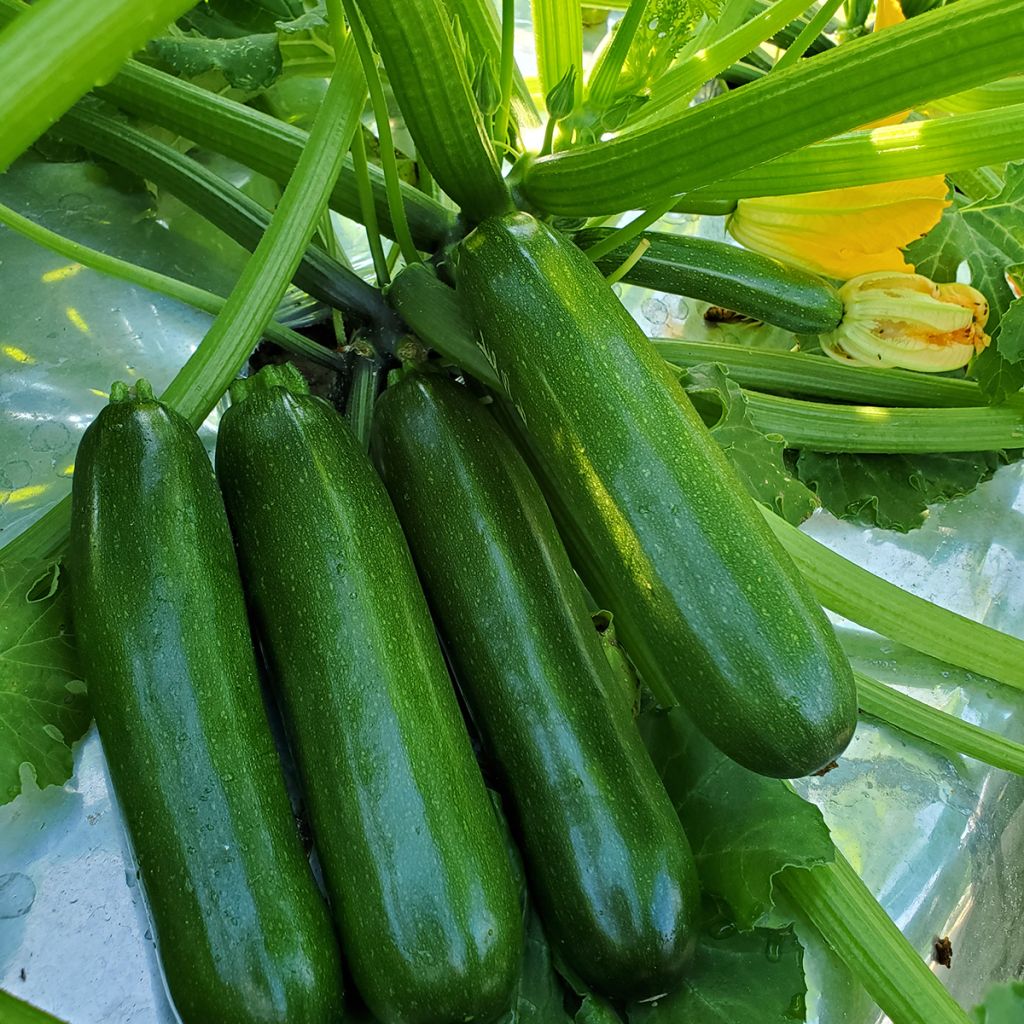
Courgette Green Machine F1
Courgette Green Machine F1
Cucurbita pepo Green Machine F1
Zucchini, Courgette
Back-to-school special offer!
Get €10 off for every €50 you spend! And get up to €40 off on a single order.
How does it work?
1. Shop your favourites
Add your favourite plants to your basket. For every €50 you spend (excluding delivery charges, store credit and the plastic-free option), you’ll receive a €10 voucher.
€50 spent = €10 voucher
€100 spent = €20 voucher
€150 spent = €30 voucher
€200 spent = €40 voucher
2. Place your order
Once your basket reaches one of the spending thresholds, place your order. You can even choose your delivery date!
3. Receive your voucher
As soon as your order has been shipped, you’ll receive an email containing your personal voucher code and its value.
4. Use it on your next order
Your voucher is valid for 90 days from the date you receive it. It can be used once only, on a new order worth at least the value of the voucher, excluding delivery charges.
Please note: Vouchers can be combined with other offers, but cannot be split or refunded.
Home or relay delivery (depending on size and destination)
Important: You may be charged customs duties by your country’s customs authorities upon delivery.
Schedule delivery date,
and select date in basket
This plant carries a 6 months recovery warranty
More information
We guarantee the quality of our plants for a full growing cycle, and will replace at our expense any plant that fails to recover under normal climatic and planting conditions.
Description
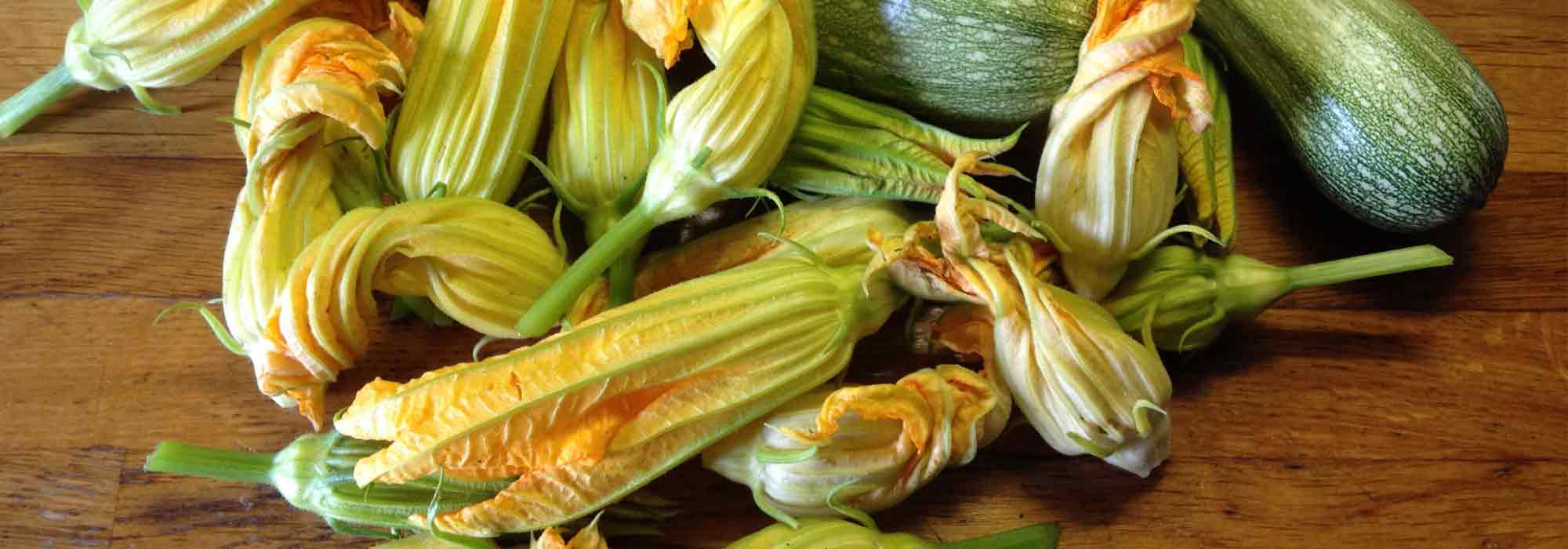
Courgette Green Machine F1 is a non-running hybrid variety, selected for its productivity and reliability. It produces regular, cylindrical, 18 to 20 cm long, medium to dark green fruits, with a shiny skin. Their tender and flavoursome flesh lends itself to a multitude of preparations: thinly sliced raw with a drizzle of olive oil, pan-fried, incorporated into ratatouilles, gratins or soups, or in many Mediterranean dishes. Its abundant and fragrant male flowers can also be prepared as fritters.
This 'Green Machine' variety has an open habit which facilitates harvest. It is characterised by good tolerance to powdery mildew as well as to several viruses (CMV, WMV, ZYMV). The early harvest begins approximately 45 days after sowing, provided the soil is well warmed.
Sow from March to June for a continuous harvest from July to November in a temperate climate.
NB: the F1 designation indicates that it is a first-generation hybrid, resulting from the cross-breeding of selected lines. This type of variety guarantees uniformity, yield and resistance, but does not allow the seeds to be saved for subsequent true-to-type sowing. Contrary to some misconceptions, an F1 hybrid has nothing to do with a GMO: it is the result of horticultural expertise aimed at combining the best qualities of its parents.
Culinary uses and nutritional value: the Green Machine F1 courgette is notable for its versatility in the kitchen and its nutritional qualities. Low in calories but rich in fibre, minerals (potassium, magnesium) and vitamins (notably A, C and B9), it fits perfectly into a balanced diet.
This vegetable is suited to quick cooking methods that preserve its delicate texture, such as sautéing or grilling, but also to slow-cooked preparations where it absorbs the surrounding flavours. It pairs harmoniously with tomatoes, peppers, aubergines, fresh herbs and Mediterranean spices.
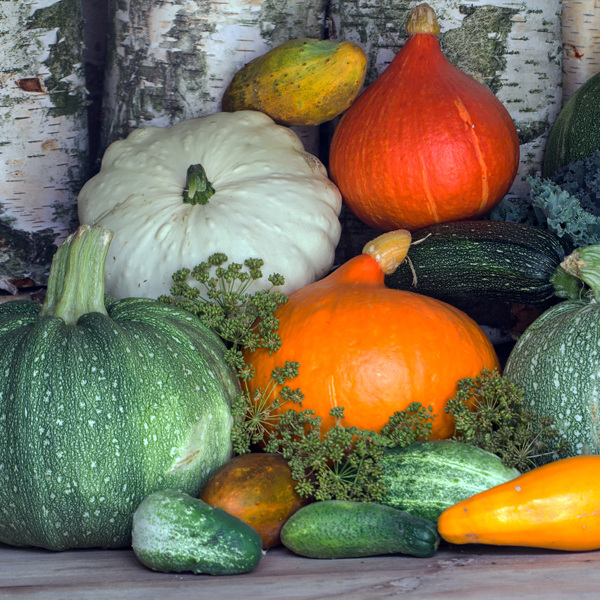
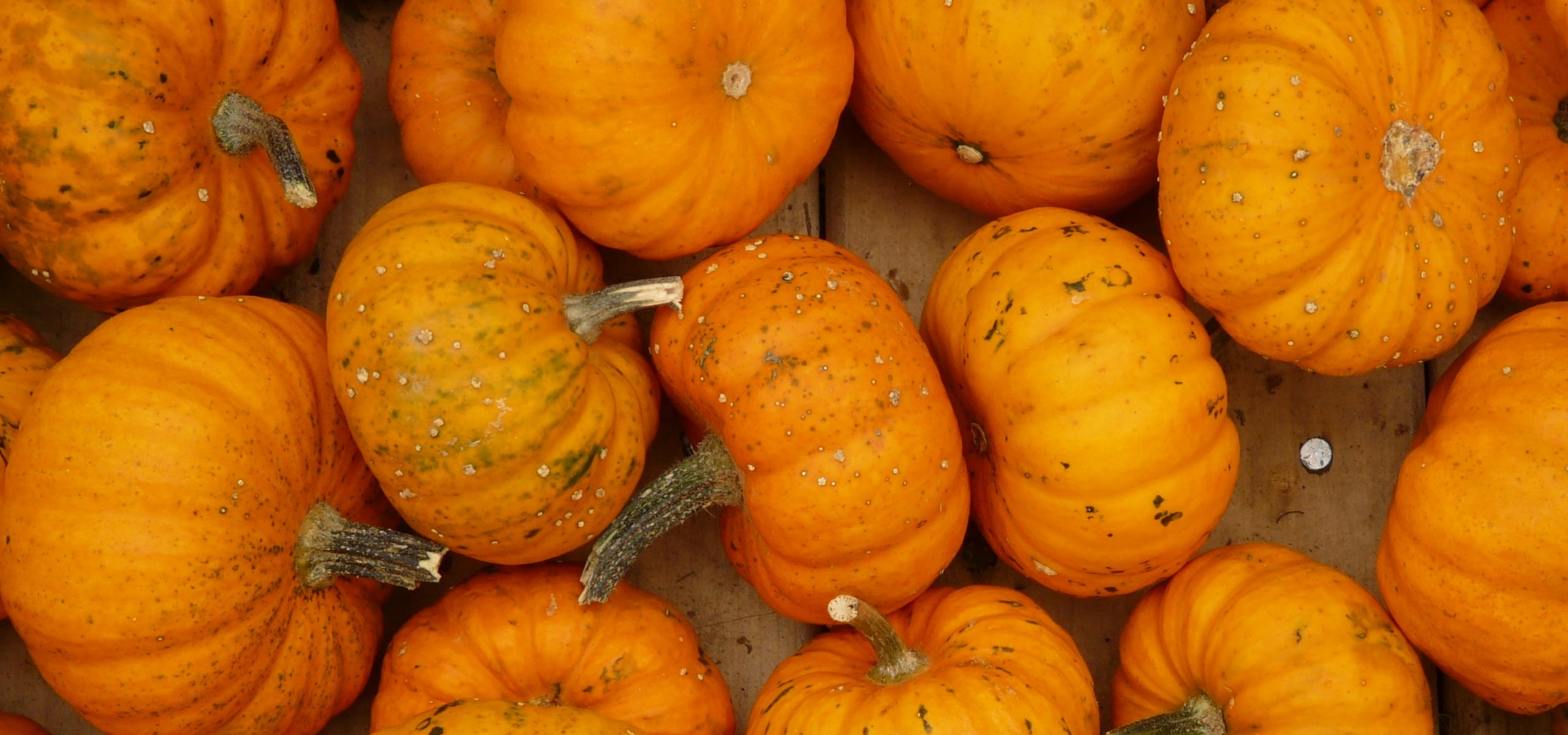
Courgette Green Machine F1 belongs to the species Cucurbita pepo, a large group that includes most courgettes, patty pans and some pumpkins. Originating from the Americas and introduced to Europe in the 16th century, the courgette produces fruits that are harvested young, when the skin is thin and the flesh is still tender and low in seeds. Commonly, "summer squashes" refers to these varieties intended for immediate consumption, as opposed to "winter squashes", which can be stored for several months.
The harvest: pick regularly, when the fruits reach 18 to 20 cm and are still firm and shiny: this stimulates further fruiting and ensures an abundant and continuous production.
Storage: courgettes do not store well whole, but can be sliced and frozen for later use.
Gardener's tip: Place a tile or a small board under young fruits to avoid their direct contact with the soil. Mulching around the base helps retain moisture and limit water stress in summer. Like all courgettes, Green Machine F1 appreciates a fertile soil and regular watering, avoiding wetting the foliage to reduce the risk of powdery mildew.
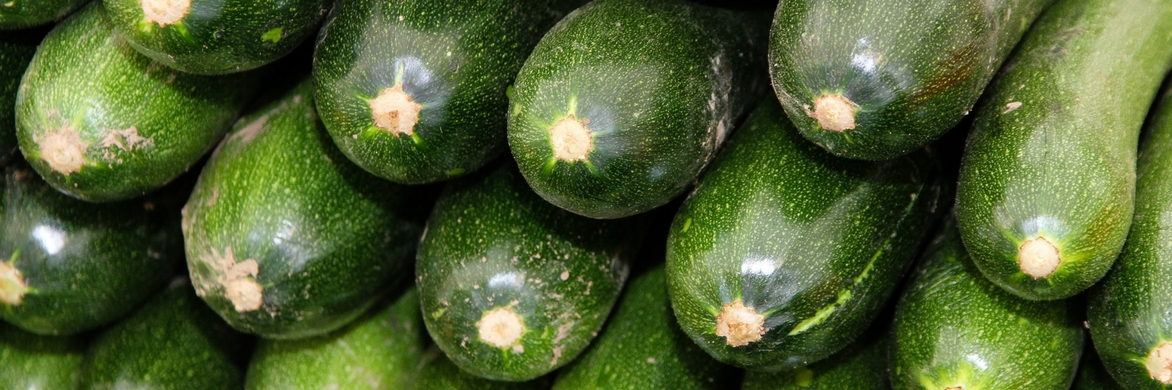
Harvest
Plant habit
Foliage
Botanical data
Cucurbita
pepo
Green Machine F1
Cucurbitaceae
Zucchini, Courgette
Cucurbita pepo convar. giromontiina 'Green Machine'
Cultivar or hybrid
Annual
Planting and care
Sowing Green Machine F1 Courgette:
Growing squashes and courgettes from seed is very rewarding, both for the speed of young plant emergence and for the ease of cultivation. They require well-drained soil rich in organic matter. They also need plenty of sun and a lot of water for beautiful fruits.
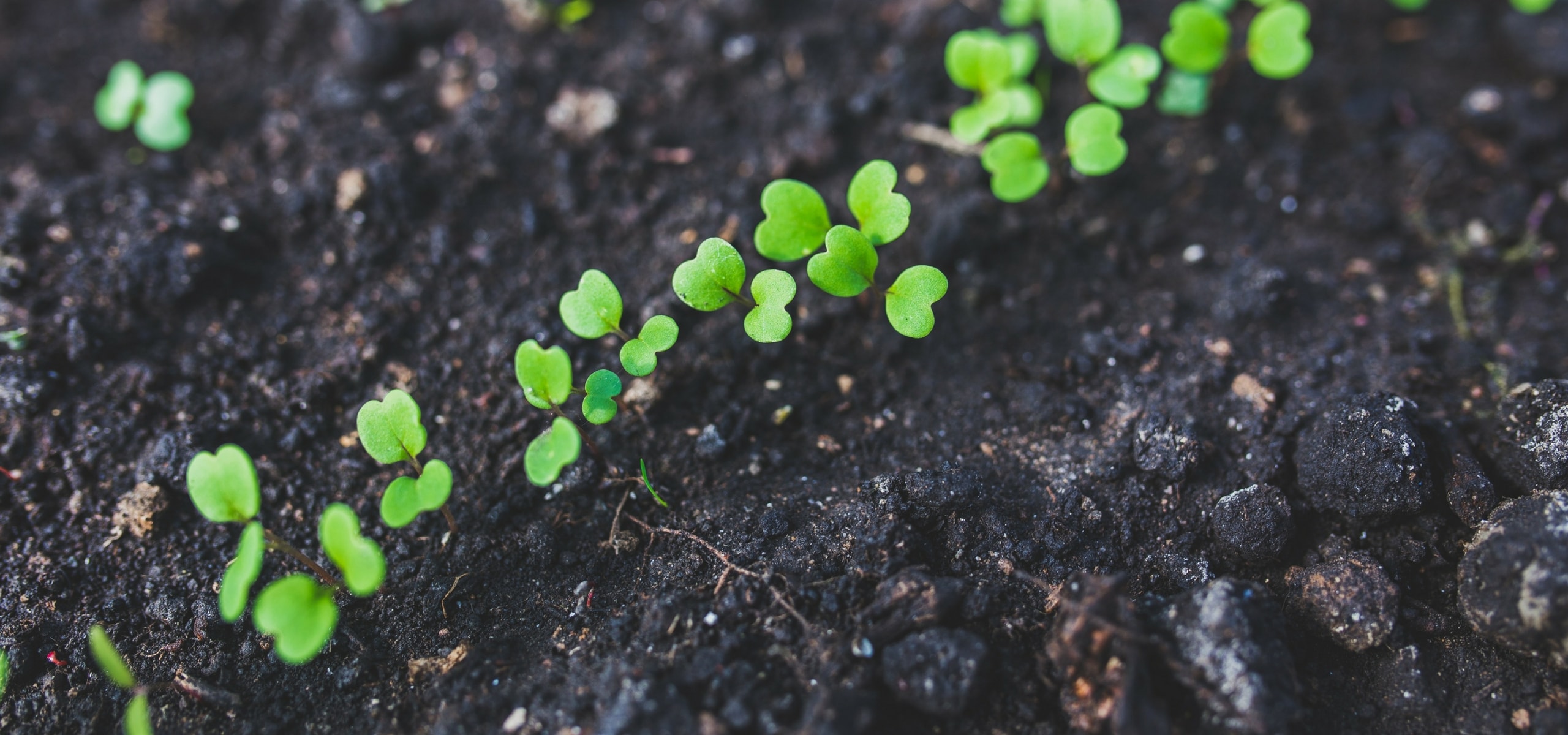
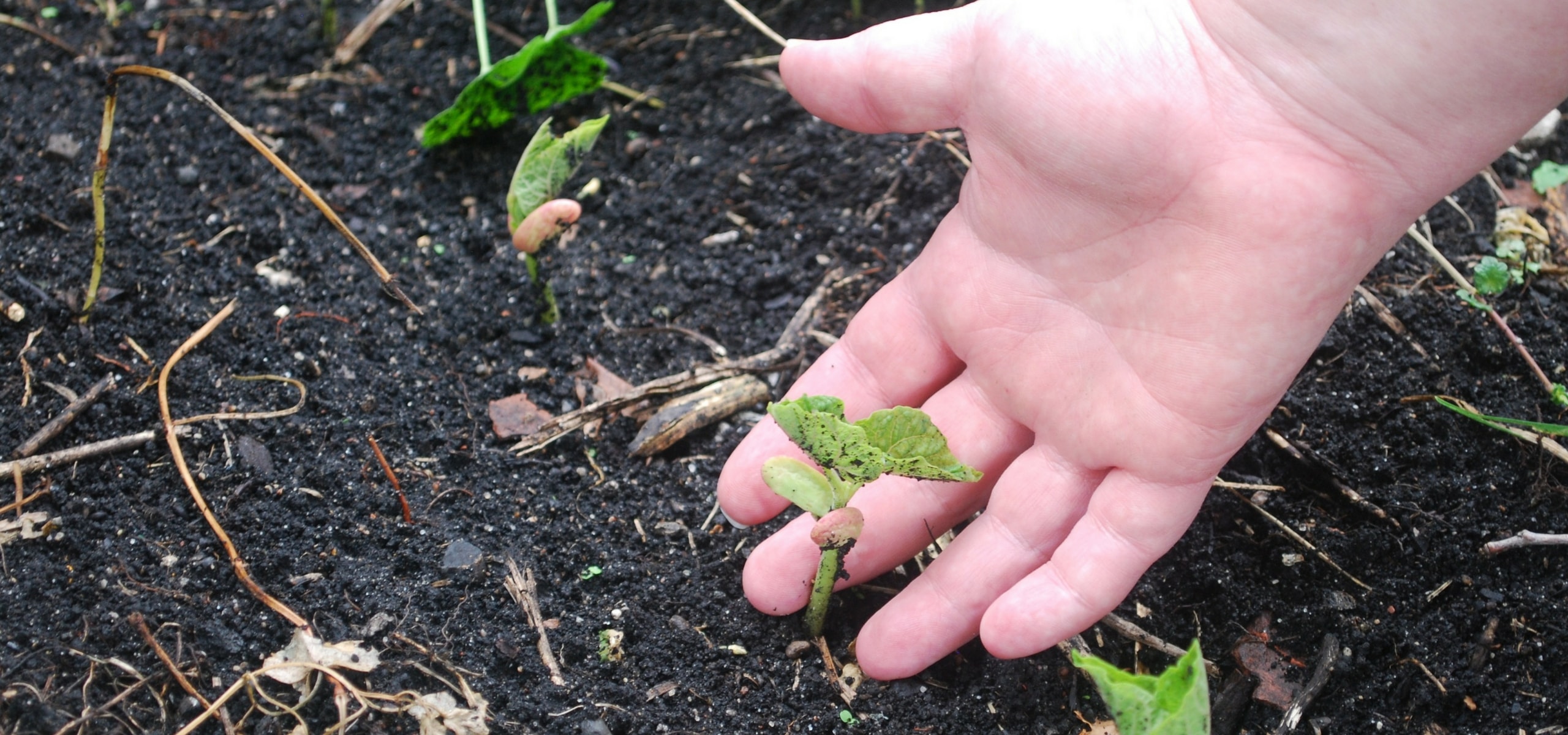
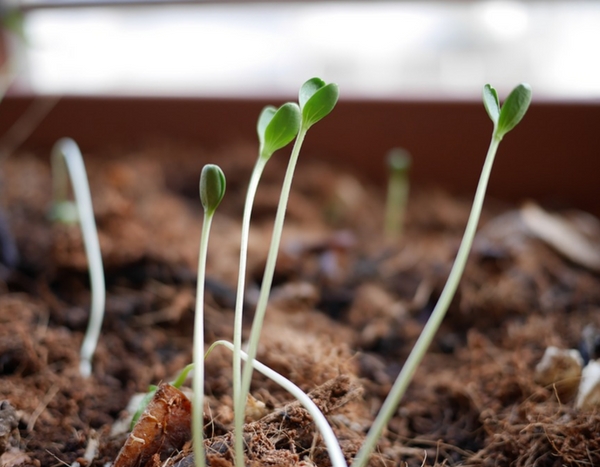
For early cultivation: In March or April, sow your seeds in clusters of two or three in trays or pots with soil rich in organic matter. Then cover lightly and water to maintain a slight moisture level. Emergence is quite rapid: after about ten days, thin by selecting the most robust plants and transplant them into open ground that you have previously loosened. Each plant requires a lot of space. Where possible, space them 1 m apart. Dig holes 20 to 25 cm in all directions and fill them two-thirds with compost. Then position the young plant, replace the soil, and firm it down vigorously.
For seasonal cultivation: Once all risk of frost has passed, i.e., late April or May, depending on the region, sow in clusters two to three seeds at a depth of 2 to 3 cm. Firm lightly, then wait about ten days before seeing the first shoots appear. When they have reached a few centimetres, thin by keeping only the most robust plants.
Harvest courgettes while immature from July. Winter squashes are picked in autumn. A simple method to know the right time for harvest is to observe the stalk: if it is well dried, and the fruit is ready to detach on its own, they are ready.
Seedlings
Care
Intended location
Planting & care advice
-
-
-

-
-

-
-
-
This item has not been reviewed yet - be the first to leave a review about it.
Recently viewed products
Haven't found what you were looking for?
Hardiness is the lowest winter temperature a plant can endure without suffering serious damage or even dying. However, hardiness is affected by location (a sheltered area, such as a patio), protection (winter cover) and soil type (hardiness is improved by well-drained soil).

The flowering period indicated on our website applies to countries and regions located in USDA zone 8 (France, the United Kingdom, Ireland, the Netherlands, etc.)
It will vary according to where you live:- In zones 9 to 10 (Italy, Spain, Greece, etc.), flowering will occur about 2 to 4 weeks earlier.
- In zones 6 to 7 (Germany, Poland, Slovenia, and lower mountainous regions), flowering will be delayed by 2 to 3 weeks.
- In zone 5 (Central Europe, Scandinavia), blooming will be delayed by 3 to 5 weeks.
In temperate climates, pruning of spring-flowering shrubs (forsythia, spireas, etc.) should be done just after flowering.
Pruning of summer-flowering shrubs (Indian Lilac, Perovskia, etc.) can be done in winter or spring.
In cold regions as well as with frost-sensitive plants, avoid pruning too early when severe frosts may still occur.
The planting period indicated on our website applies to countries and regions located in USDA zone 8 (France, United Kingdom, Ireland, Netherlands).
It will vary according to where you live:
- In Mediterranean zones (Marseille, Madrid, Milan, etc.), autumn and winter are the best planting periods.
- In continental zones (Strasbourg, Munich, Vienna, etc.), delay planting by 2 to 3 weeks in spring and bring it forward by 2 to 4 weeks in autumn.
- In mountainous regions (the Alps, Pyrenees, Carpathians, etc.), it is best to plant in late spring (May-June) or late summer (August-September).
The harvesting period indicated on our website applies to countries and regions in USDA zone 8 (France, England, Ireland, the Netherlands).
In colder areas (Scandinavia, Poland, Austria...) fruit and vegetable harvests are likely to be delayed by 3-4 weeks.
In warmer areas (Italy, Spain, Greece, etc.), harvesting will probably take place earlier, depending on weather conditions.
The sowing periods indicated on our website apply to countries and regions within USDA Zone 8 (France, UK, Ireland, Netherlands).
In colder areas (Scandinavia, Poland, Austria...), delay any outdoor sowing by 3-4 weeks, or sow under glass.
In warmer climes (Italy, Spain, Greece, etc.), bring outdoor sowing forward by a few weeks.
Shipping country and language
Your country of residence may be:
Your country of residence is:
For a better user experience on our website, you can select:
Your shipping country:
-
 Austria
-
 Belgium
-
 Bosnia & Herzegovina
-
 Bulgaria
-
 Croatia
-
 Cyprus
-
 Czechia
-
 Denmark
-
 Estonia
-
 Finland
-
 France
-
 Germany
-
 Greece
-
 Hungary
-
 Iceland
-
 Ireland
-
 Italy
Italy
-
 Latvia
-
 Liechtenstein
-
 Lithuania
-
 Luxembourg
-
 Malta
Malta
-
 Netherlands
-
 Poland
-
 Portugal
-
 Romania
-
 Serbia
-
 Slovakia
-
 Slovenia
-
 Spain
Spain
-
 Sweden
-
 Switzerland
Language:
-
French
-
 English
-
Spanish
-
Italian
-
German
-
Portuguese
-
Dutch
-
Finnish
My Account
Hello
My wish lists
My cart
Log in / Register
Existing customer?
This form is protected by reCAPTCHA - the Google Privacy Policy and Terms of Service apply.
New customer?
Create an account to track your orders, access our customer service and, if you wish, make the most of our upcoming offers.