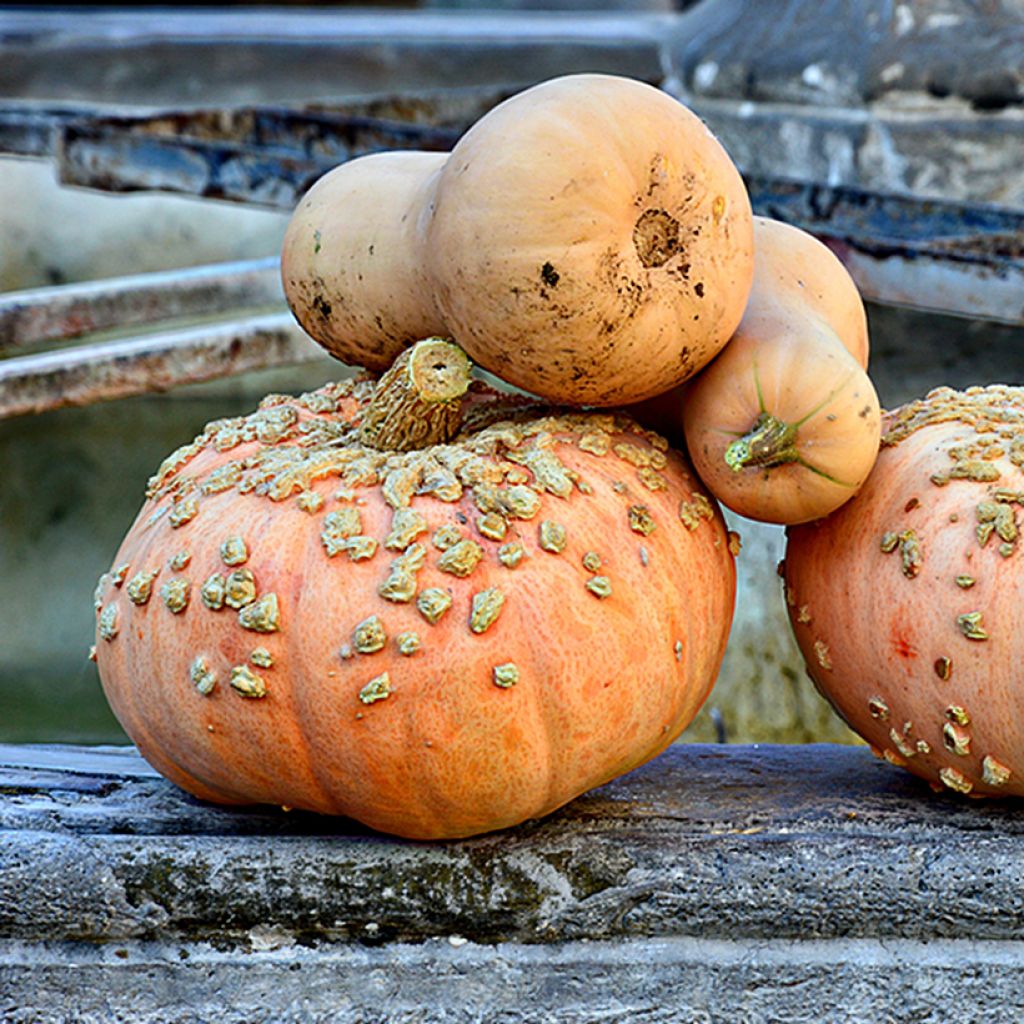
Squash Galeux d'Eysines organic seeds - Pumpkin
Squash Galeux d'Eysines organic seeds - Pumpkin
Cucurbita maxima Galeuse d'Eysines
Winter squash, pumpkin
Back-to-school special offer!
Get €10 off for every €50 you spend! And get up to €40 off on a single order.
How does it work?
1. Shop your favourites
Add your favourite plants to your basket. For every €50 you spend (excluding delivery charges, store credit and the plastic-free option), you’ll receive a €10 voucher.
€50 spent = €10 voucher
€100 spent = €20 voucher
€150 spent = €30 voucher
€200 spent = €40 voucher
2. Place your order
Once your basket reaches one of the spending thresholds, place your order. You can even choose your delivery date!
3. Receive your voucher
As soon as your order has been shipped, you’ll receive an email containing your personal voucher code and its value.
4. Use it on your next order
Your voucher is valid for 90 days from the date you receive it. It can be used once only, on a new order worth at least the value of the voucher, excluding delivery charges.
Please note: Vouchers can be combined with other offers, but cannot be split or refunded.
Home or relay delivery (depending on size and destination)
Important: You may be charged customs duties by your country’s customs authorities upon delivery.
Schedule delivery date,
and select date in basket
This plant carries a 6 months recovery warranty
More information
We guarantee the quality of our plants for a full growing cycle, and will replace at our expense any plant that fails to recover under normal climatic and planting conditions.
Description
The Galeux d’Eysines pumpkin is an old variety originating from Eysines, a small town near Bordeaux, France. It is renowned for its uniqueness, especially its visually striking appearance. This pumpkin is named "galeuse" due to the corky growths covering its salmon-pink skin, giving it a rough and distinctive look. This variety has been found in French vegetable gardens for centuries, appreciated for its generous yield and good storage qualities.
The 'Galeux d'Eysines' Pumpkin has dense, firm, tender, and sweet orange-yellow flesh. The round, flattened fruit measures between 20 cm and 50 cm in diameter and weighs from 5 to 10 kg, sometimes more under favourable conditions. Each plant produces 2 to 4 fruits per season. It is a trailing variety, with vigorous plants that require space! Allow approximately 1.5 to 2 m between each plant. The fruit stores well after harvest, often for several months in a cool, dry place. The thick warts on the skin help protect the flesh from external damage.
In the kitchen, Galeux d’Eysines pumpkin adapts to a variety of recipes. It is perfect for making creamy soups and velvety purées to warm up winter evenings. Its texture also suits well for mashes and gratins, adding sweetness and consistency. For dessert lovers, it can be used in pies, cakes, or jams, enhancing dishes with its naturally sweet flavour. Lastly, it is delicious roasted in the oven, simply seasoned or stuffed in various ways. Versatile and delicious, it will delight all palates.
Pumpkins, red kuri squash, and buttercup squash belong to the Cucurbitaceae family and are part of the Cucurbita maxima species. This annual herbaceous plant is characterised by its long, vigorous, creeping, or climbing stems with strong tendrils. Each plant is monoecious, meaning it bears separate male and female flowers; only the latter will develop into fruits after being pollinated by the male flowers' pollen.
These fruits come in a wide variety of shapes and colours: from large ribbed orange or red fruits with orange flesh, to oblong, pear-shaped, or even "Turk's turban" forms. Originating from South America, this species is said to have been introduced to Europe between the 16th and 17th centuries, along with other Cucurbita species. The pumpkin is characterised by its sweet, flavourful, and non-stringy flesh, along with a tender, spongy stem.
Pumpkins are rich in vitamins and trace elements, low in calories, high in potassium, and have antioxidant properties.
Harvest and storage: harvest the squashes as late as possible, without risking early frosts. Keep the largest possible stem and store them in a temperate room (10 to 15°C). This way, you can store them for several months to a year, avoiding contact between them.
Gardening tips: you can bury the stems at the nodes to encourage rooting. To save space and protect your fruits from rot, you can grow pumpkins on supports such as a trellis or sturdy stakes.
During fruit ripening, you can place a tile, a brick, for example, between the ground and the fruit to isolate it and reduce premature rotting. A thick mulch will also do the trick.
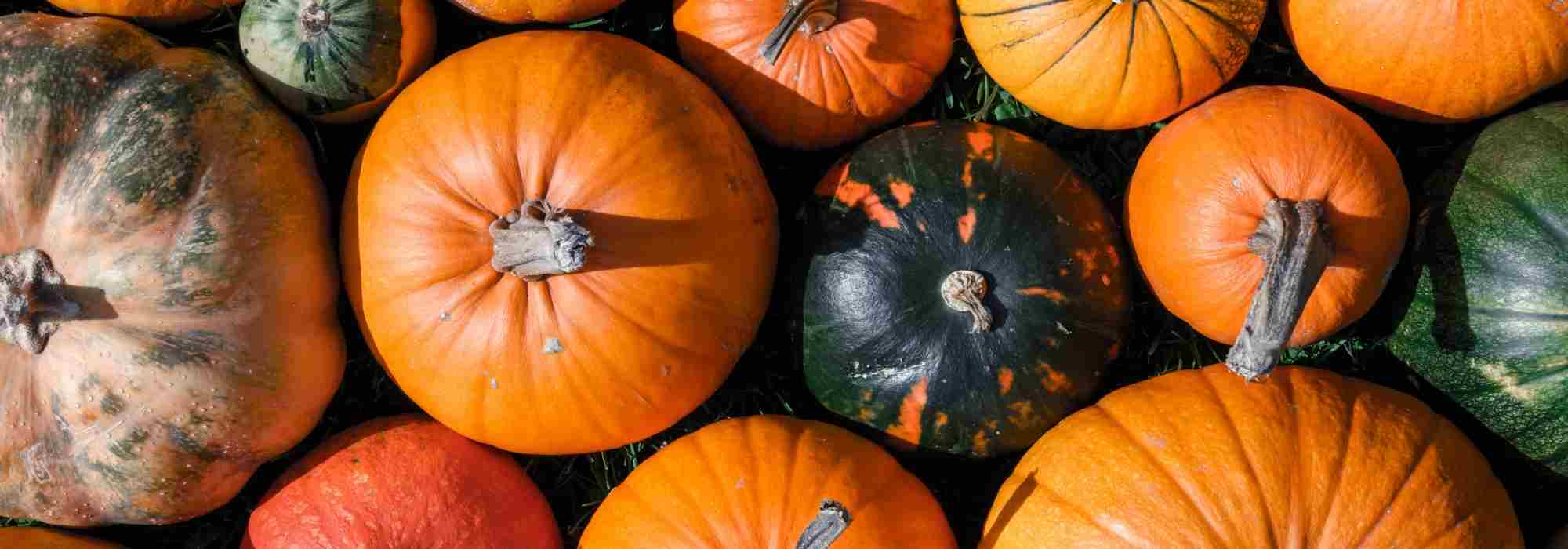
Harvest
Plant habit
Foliage
Botanical data
Cucurbita
maxima
Galeuse d'Eysines
Cucurbitaceae
Winter squash, pumpkin
Cultivar or hybrid
Annual
Planting and care
Soil Preparation :
Galeux d'Eysines pumpkins like loose, rich, and deep soil. Dig a hole of at least 40 cm in all directions and fill it with well-decomposed manure and/or compost. In addition to good manure, they will need plenty of water and heat, and a lot of space (at least 1 square metre).
Sowing :
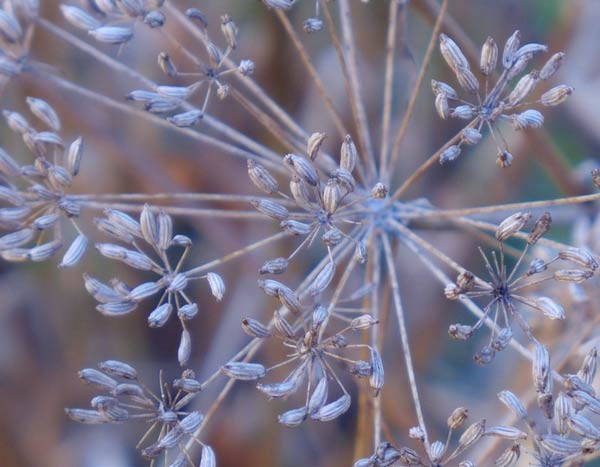
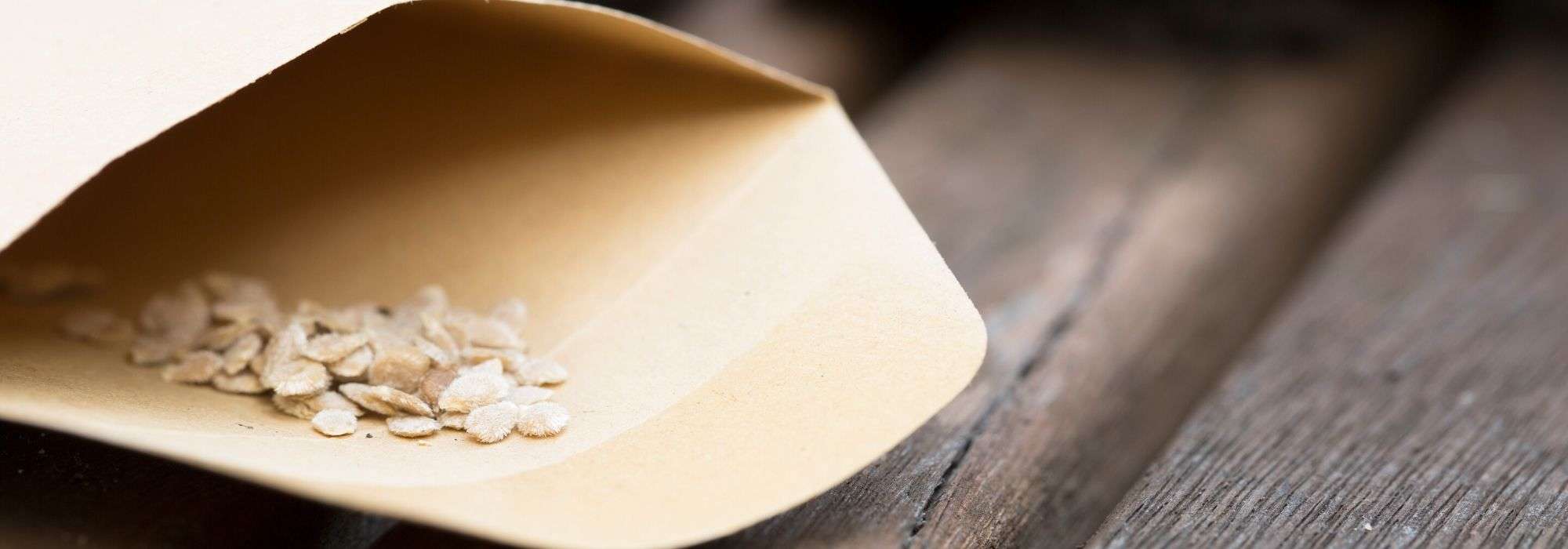
Before sowing, you can soak the seeds for 24 hours in a little water to stimulate germination.
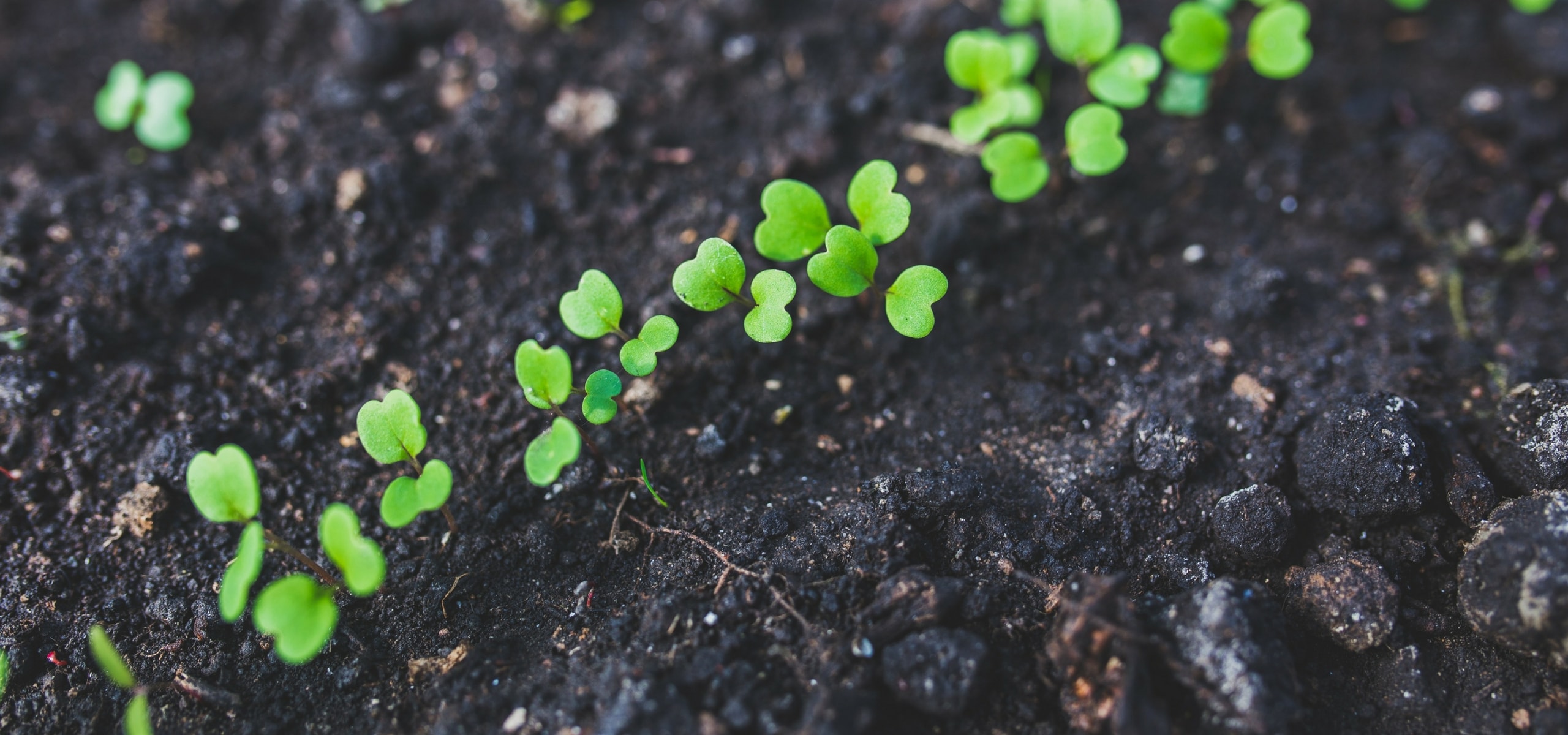
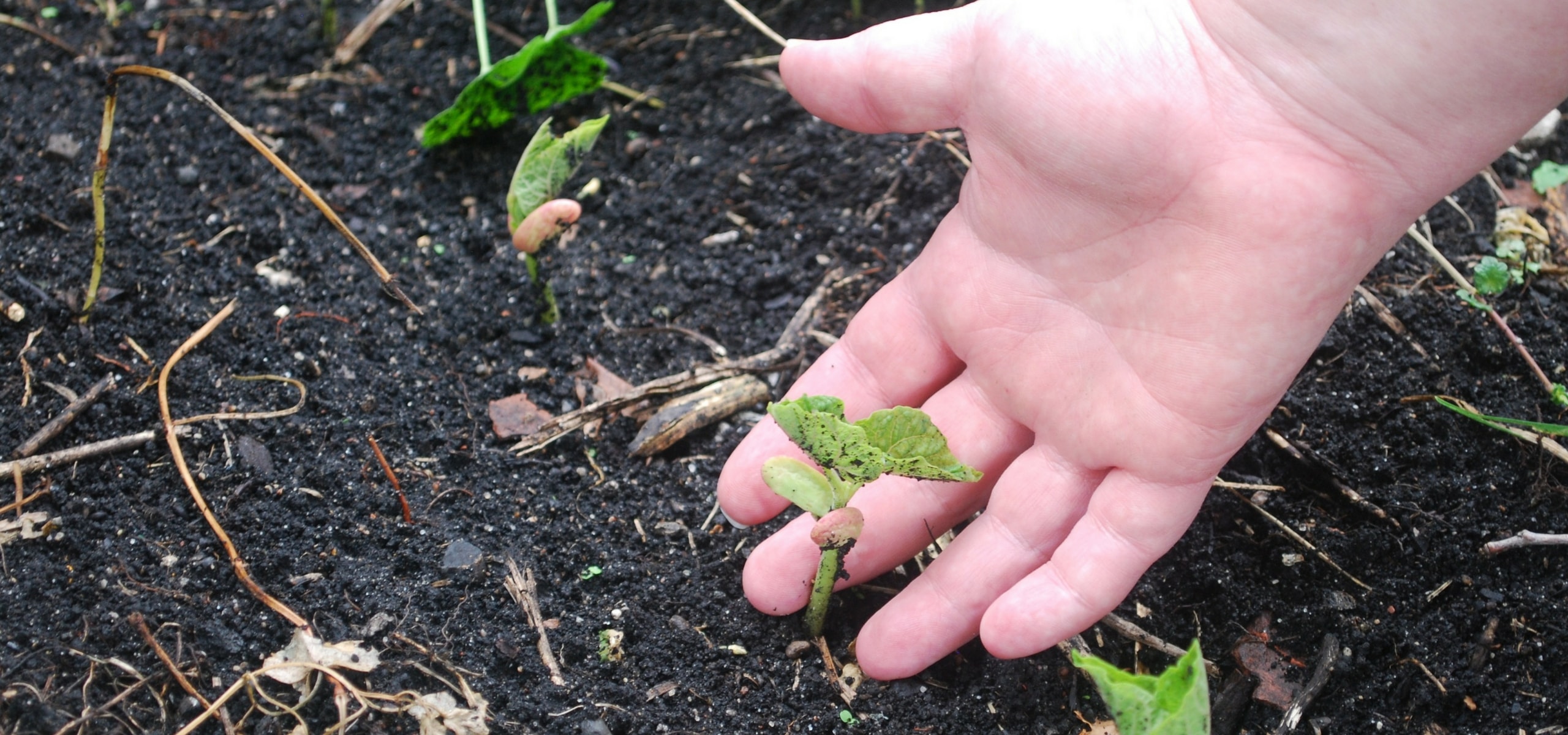
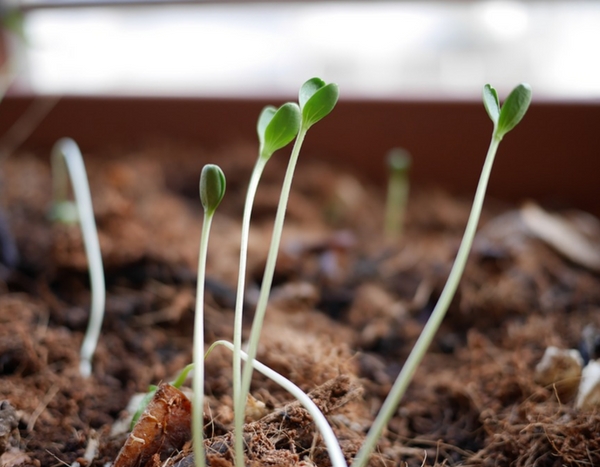
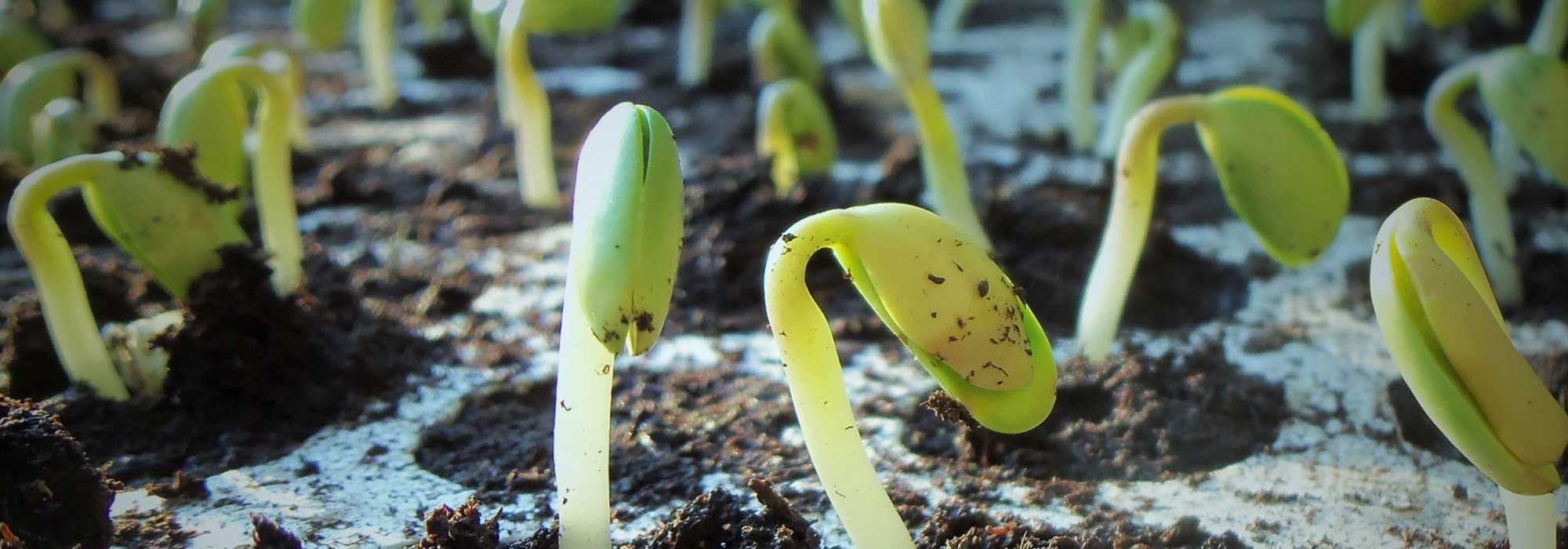
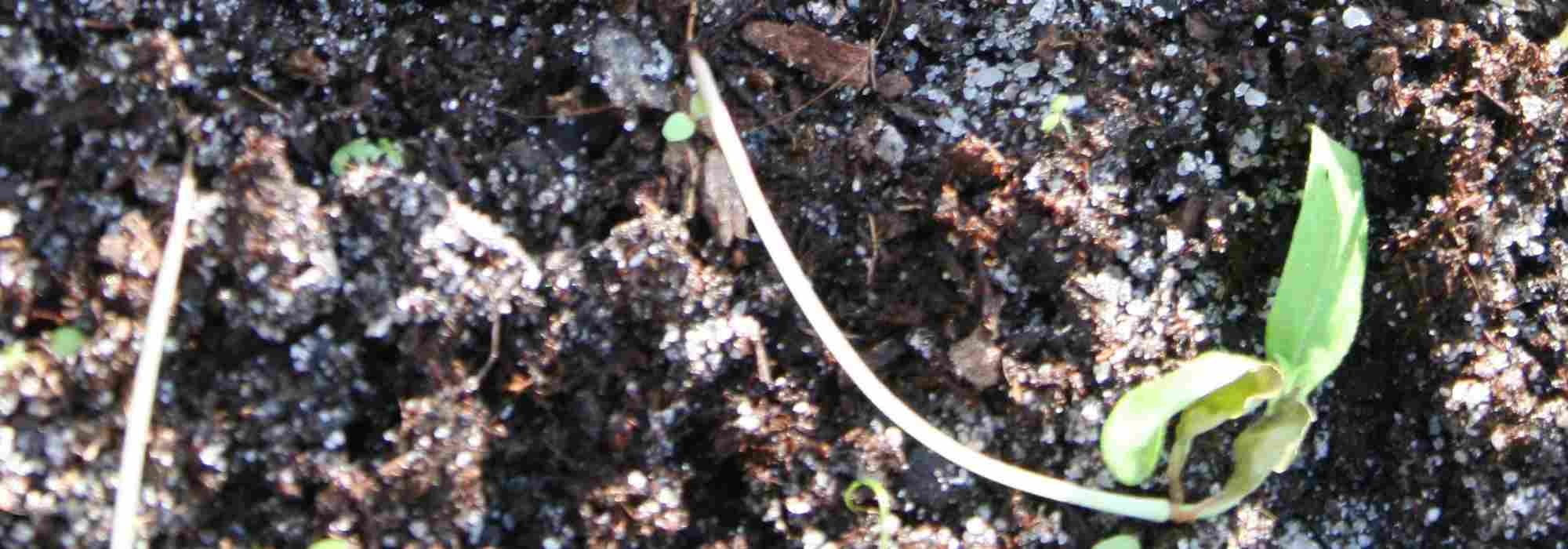
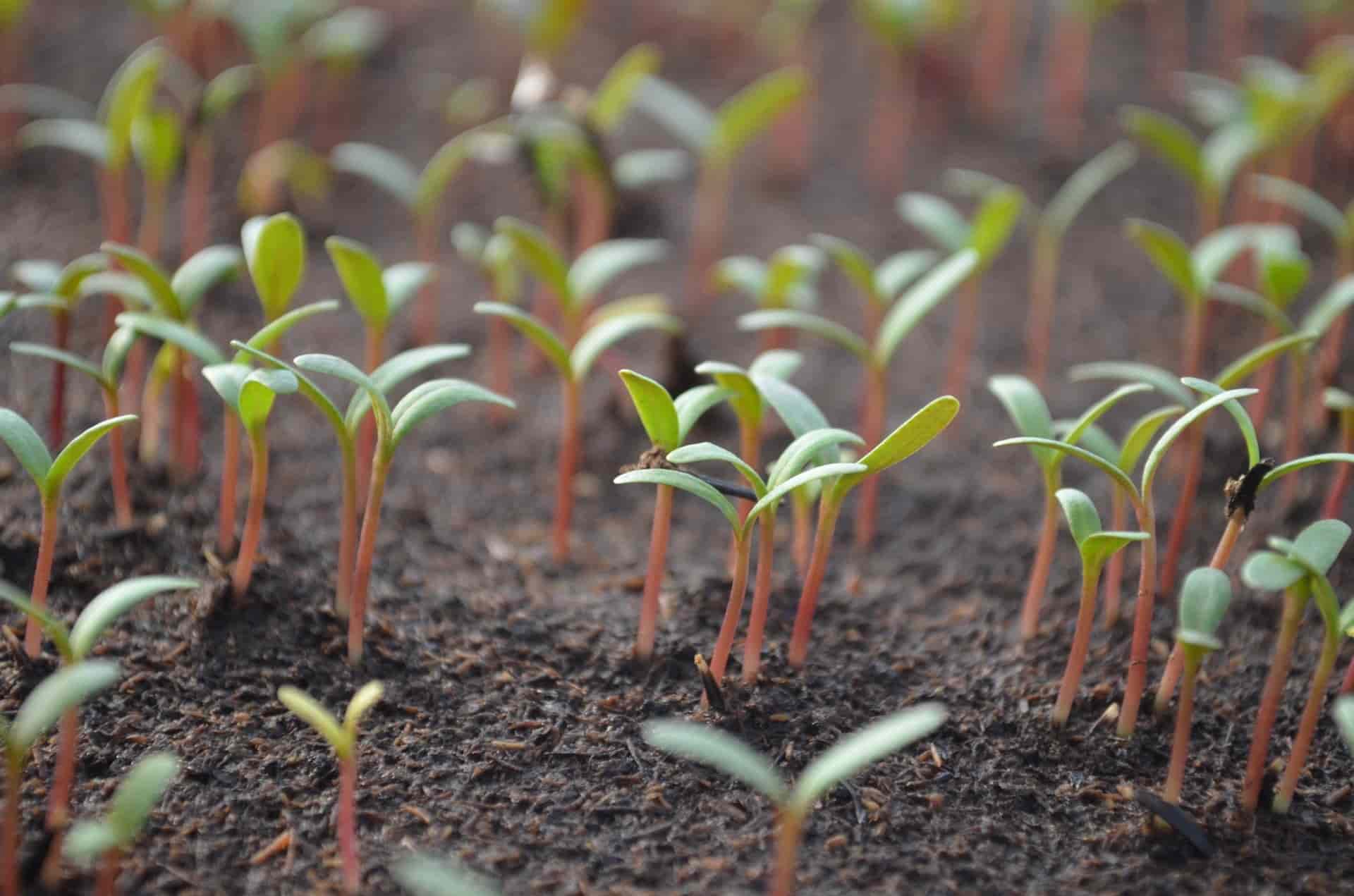
Either, 3 weeks before transplanting, under a frame or in a warm place (16 to 30°C), from March, sow 2 or 3 seeds per pot or container large enough for root development. Germination will occur 3 to 5 days later. Keep only the most vigorous plant. Plant in the ground after mid-May, once all risk of frost has passed. It is important not to sow too early, as the plants could become leggy and/or their root system, which is too developed, would not withstand transplantation.
Or, from mid-May, sow directly in place, in clusters of 3 seeds, as soon as frost is no longer a concern and the soil is well warmed. Thin out after 2 to 3 weeks to keep only the most vigorous plant. Cover the soil with organic matter (compost, clippings, leaves...), which will help keep the soil moist.
Watering
From sowing or planting, water generously, taking care not to dislodge the seeds, then regularly during fruit formation. However, once the fruits have formed, during ripening, limit watering.
Seedlings
Care
Intended location
Planting & care advice
-
-
-
-
-
-
-
-
This item has not been reviewed yet - be the first to leave a review about it.
Recently viewed products
Haven't found what you were looking for?
Hardiness is the lowest winter temperature a plant can endure without suffering serious damage or even dying. However, hardiness is affected by location (a sheltered area, such as a patio), protection (winter cover) and soil type (hardiness is improved by well-drained soil).

The flowering period indicated on our website applies to countries and regions located in USDA zone 8 (France, the United Kingdom, Ireland, the Netherlands, etc.)
It will vary according to where you live:- In zones 9 to 10 (Italy, Spain, Greece, etc.), flowering will occur about 2 to 4 weeks earlier.
- In zones 6 to 7 (Germany, Poland, Slovenia, and lower mountainous regions), flowering will be delayed by 2 to 3 weeks.
- In zone 5 (Central Europe, Scandinavia), blooming will be delayed by 3 to 5 weeks.
In temperate climates, pruning of spring-flowering shrubs (forsythia, spireas, etc.) should be done just after flowering.
Pruning of summer-flowering shrubs (Indian Lilac, Perovskia, etc.) can be done in winter or spring.
In cold regions as well as with frost-sensitive plants, avoid pruning too early when severe frosts may still occur.
The planting period indicated on our website applies to countries and regions located in USDA zone 8 (France, United Kingdom, Ireland, Netherlands).
It will vary according to where you live:
- In Mediterranean zones (Marseille, Madrid, Milan, etc.), autumn and winter are the best planting periods.
- In continental zones (Strasbourg, Munich, Vienna, etc.), delay planting by 2 to 3 weeks in spring and bring it forward by 2 to 4 weeks in autumn.
- In mountainous regions (the Alps, Pyrenees, Carpathians, etc.), it is best to plant in late spring (May-June) or late summer (August-September).
The harvesting period indicated on our website applies to countries and regions in USDA zone 8 (France, England, Ireland, the Netherlands).
In colder areas (Scandinavia, Poland, Austria...) fruit and vegetable harvests are likely to be delayed by 3-4 weeks.
In warmer areas (Italy, Spain, Greece, etc.), harvesting will probably take place earlier, depending on weather conditions.
The sowing periods indicated on our website apply to countries and regions within USDA Zone 8 (France, UK, Ireland, Netherlands).
In colder areas (Scandinavia, Poland, Austria...), delay any outdoor sowing by 3-4 weeks, or sow under glass.
In warmer climes (Italy, Spain, Greece, etc.), bring outdoor sowing forward by a few weeks.
Shipping country and language
Your country of residence may be:
Your country of residence is:
For a better user experience on our website, you can select:
Your shipping country:
-
 Austria
-
 Belgium
-
 Bosnia & Herzegovina
-
 Bulgaria
-
 Croatia
-
 Cyprus
-
 Czechia
-
 Denmark
-
 Estonia
-
 Finland
-
 France
-
 Germany
-
 Greece
-
 Hungary
-
 Iceland
-
 Ireland
-
 Italy
Italy
-
 Latvia
-
 Liechtenstein
-
 Lithuania
-
 Luxembourg
-
 Malta
Malta
-
 Netherlands
-
 Poland
-
 Portugal
-
 Romania
-
 Serbia
-
 Slovakia
-
 Slovenia
-
 Spain
Spain
-
 Sweden
-
 Switzerland
Language:
-
French
-
 English
-
Spanish
-
Italian
-
German
-
Portuguese
-
Dutch
-
Finnish
My Account
Hello
My wish lists
My cart
Log in / Register
Existing customer?
This form is protected by reCAPTCHA - the Google Privacy Policy and Terms of Service apply.
New customer?
Create an account to track your orders, access our customer service and, if you wish, make the most of our upcoming offers.