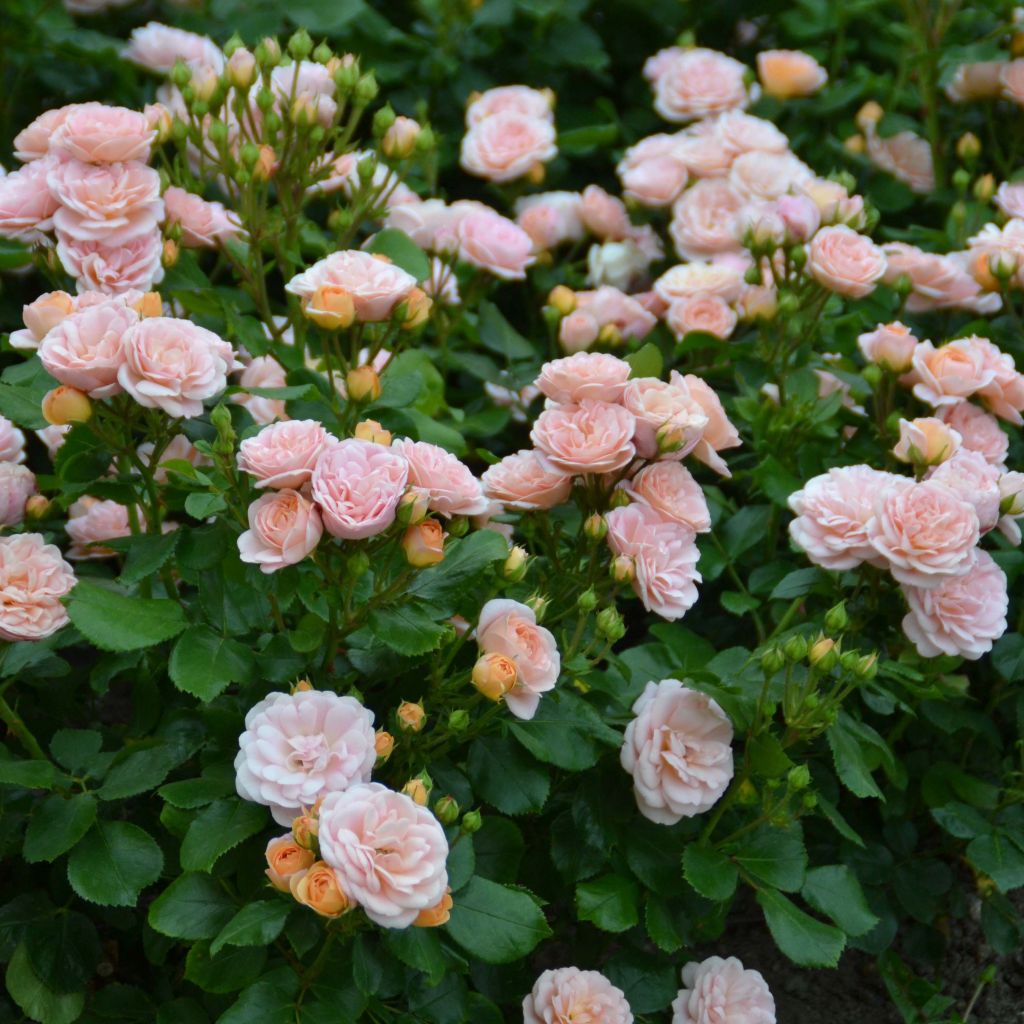
Rosa x polyantha Bordure Nacrée - Polyantha Rose
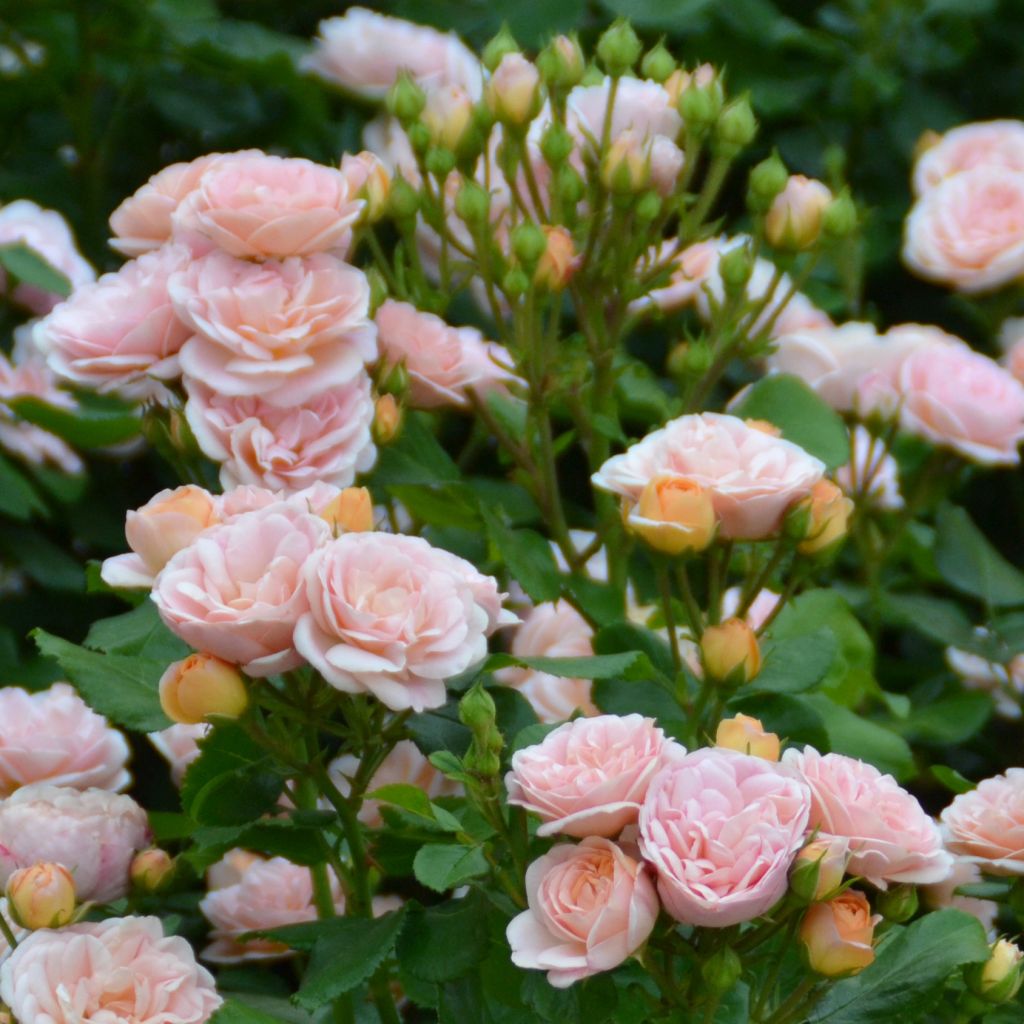
Rosa x polyantha Bordure Nacrée - Polyantha Rose
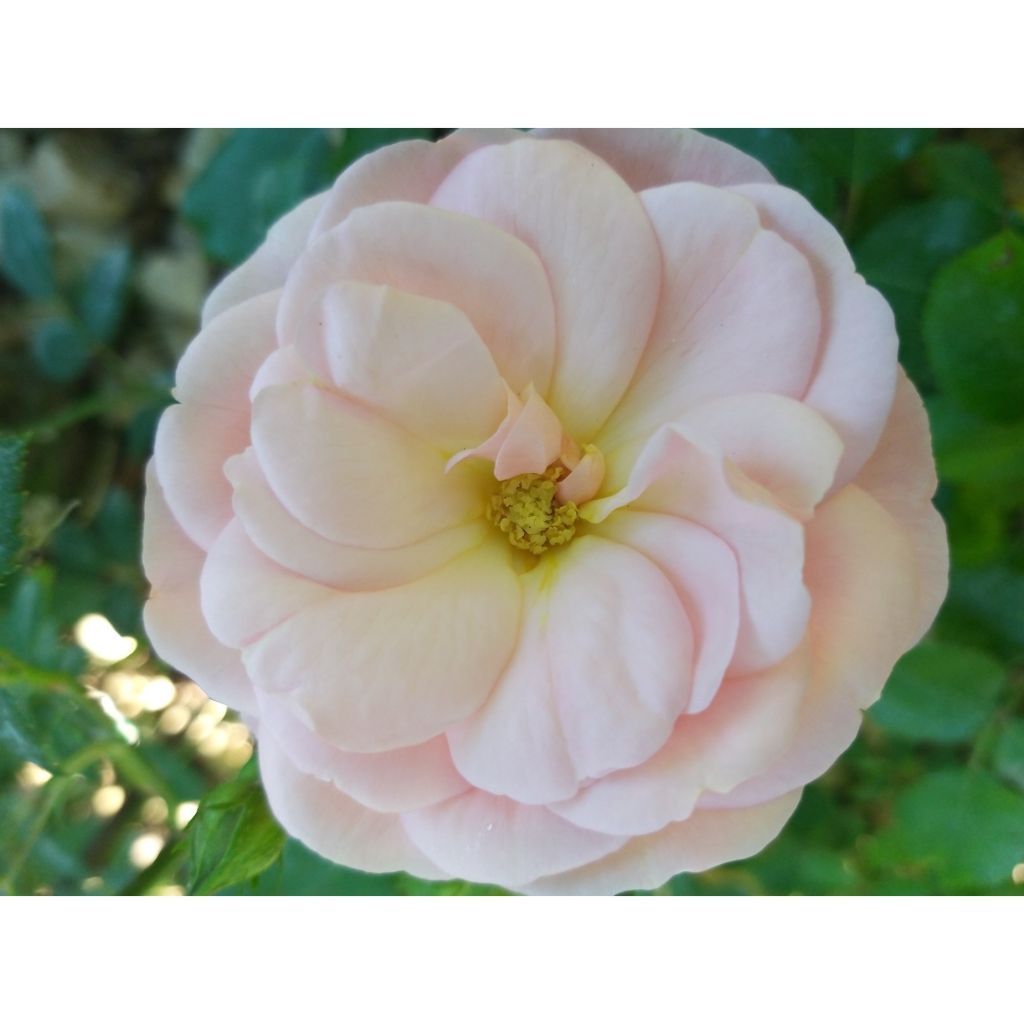
Rosa x polyantha Bordure Nacrée - Polyantha Rose
View more pictures
Hide images
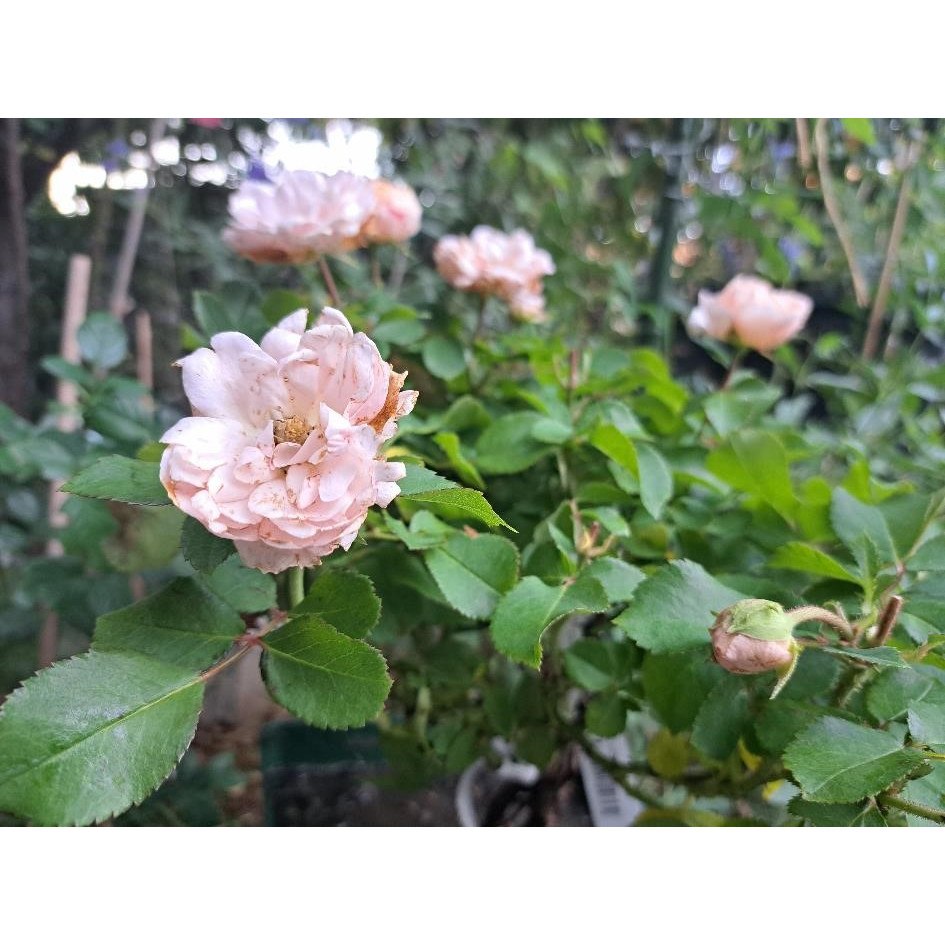
Thierry P.
Rosa x polyantha Bordure Nacrée - Polyantha Rose
Thierry P. • 84 FR
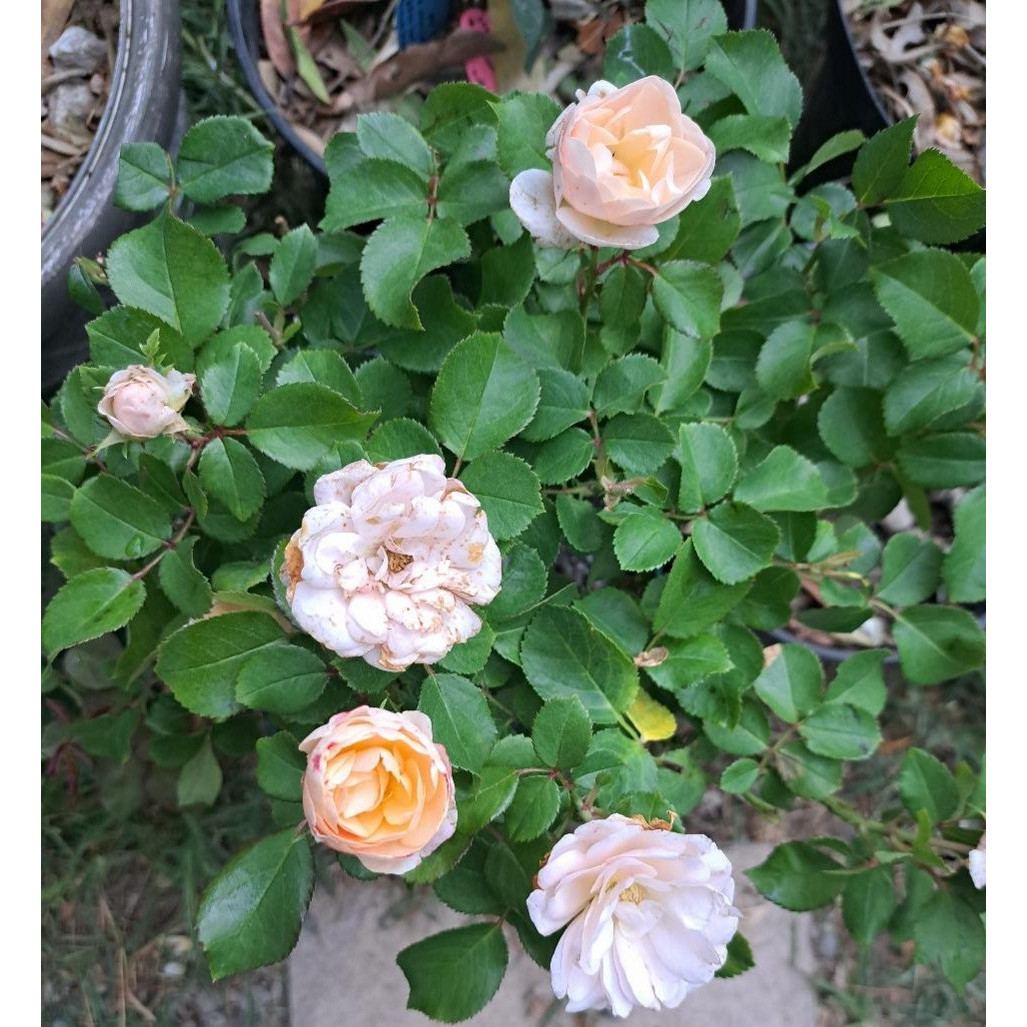
Thierry P.
Rosa x polyantha Bordure Nacrée - Polyantha Rose
Thierry P. • 84 FR
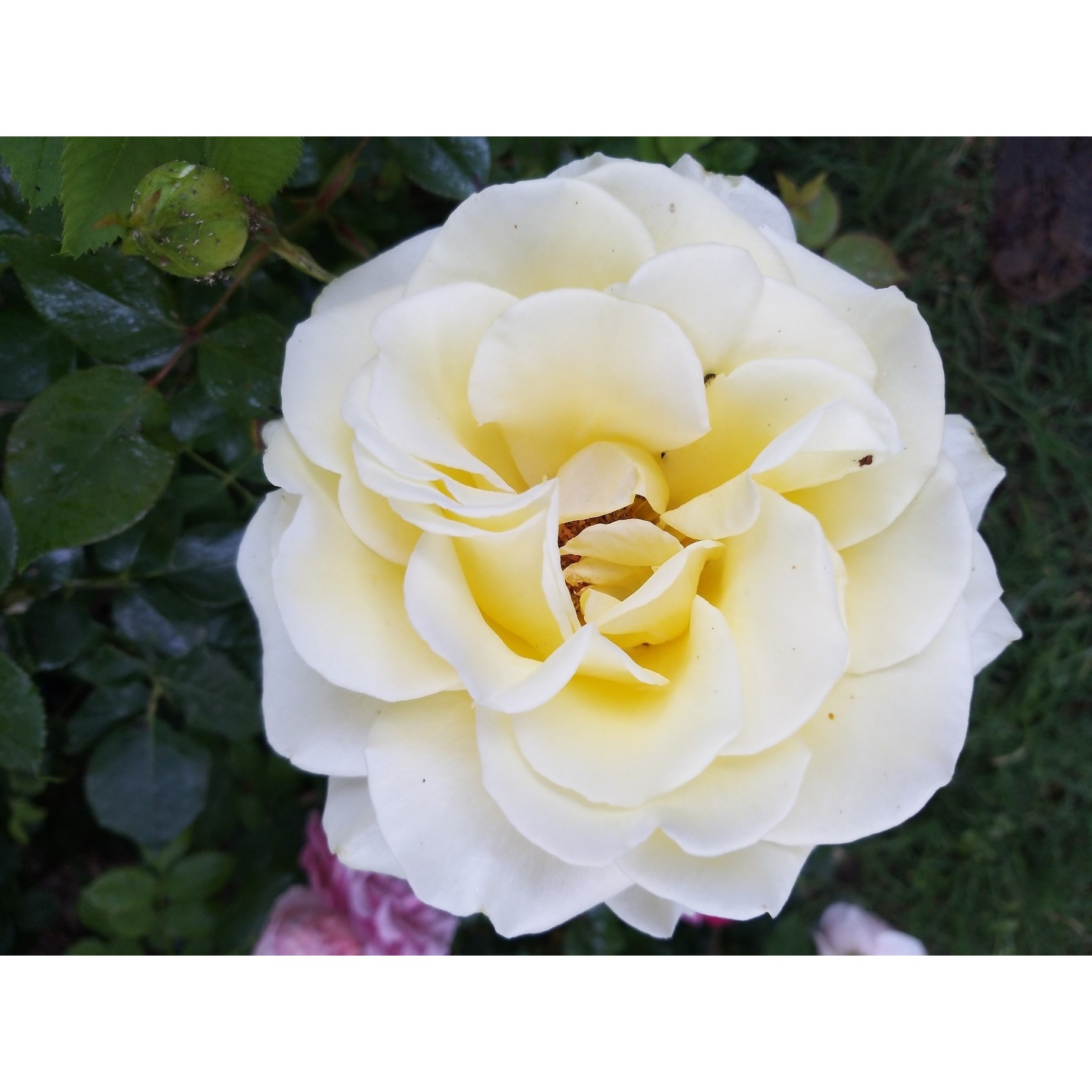
Thierry P.
Rosa x polyantha Bordure Nacrée - Polyantha Rose
Thierry P. • 84 FR
Rosa x polyantha Bordure Nacrée - Polyantha Rose
Rosa x polyantha Bordure Nacrée® 'Delcrouf'
Polyantha Rose
The 3 dwarf ???? arrived in excellent condition and I can already see the first buds. Everything is going well.
Ghislain , 03/12/2025
Back-to-school special offer!
Get €10 off for every €50 you spend! And get up to €40 off on a single order.
How does it work?
1. Shop your favourites
Add your favourite plants to your basket. For every €50 you spend (excluding delivery charges, store credit and the plastic-free option), you’ll receive a €10 voucher.
€50 spent = €10 voucher
€100 spent = €20 voucher
€150 spent = €30 voucher
€200 spent = €40 voucher
2. Place your order
Once your basket reaches one of the spending thresholds, place your order. You can even choose your delivery date!
3. Receive your voucher
As soon as your order has been shipped, you’ll receive an email containing your personal voucher code and its value.
4. Use it on your next order
Your voucher is valid for 90 days from the date you receive it. It can be used once only, on a new order worth at least the value of the voucher, excluding delivery charges.
Please note: Vouchers can be combined with other offers, but cannot be split or refunded.
Why not try an alternative variety in stock?
View all →
Available in 2 sizes
Available in 2 sizes

Available in 2 sizes

Available in 1 sizes
Available in 2 sizes
Available in 2 sizes
Available in 2 sizes
Available in 2 sizes

Available in 3 sizes
Available in 2 sizes
This plant carries a 24 months recovery warranty
More information
We guarantee the quality of our plants for a full growing cycle, and will replace at our expense any plant that fails to recover under normal climatic and planting conditions.
Description
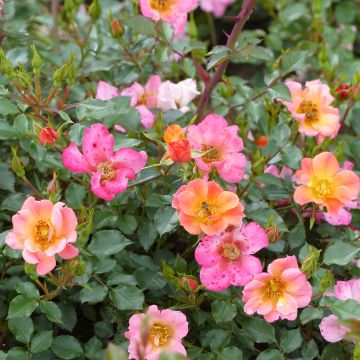
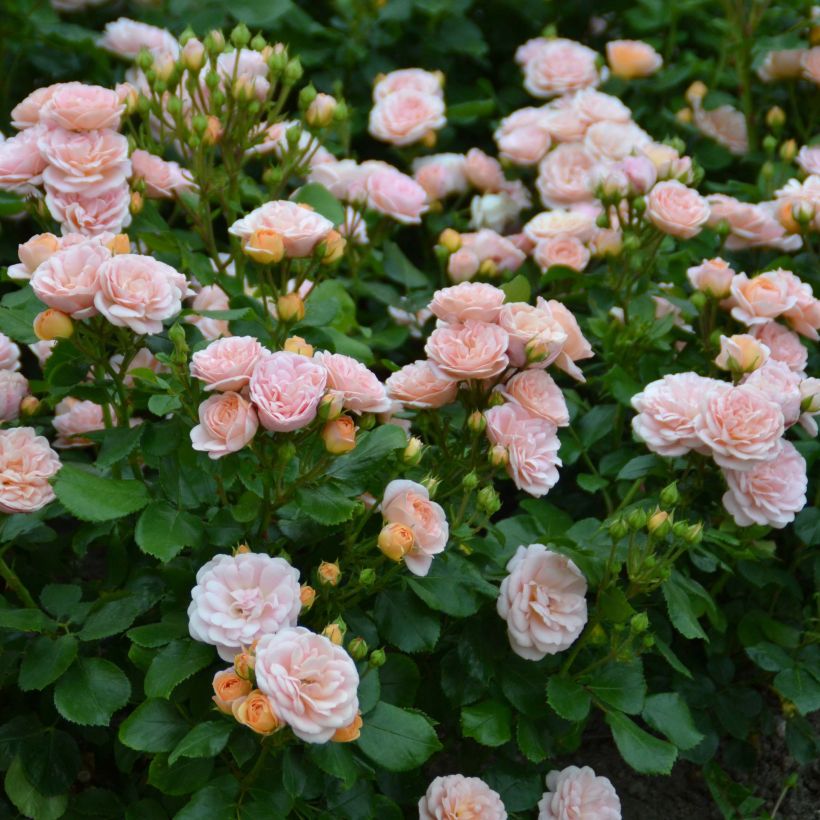
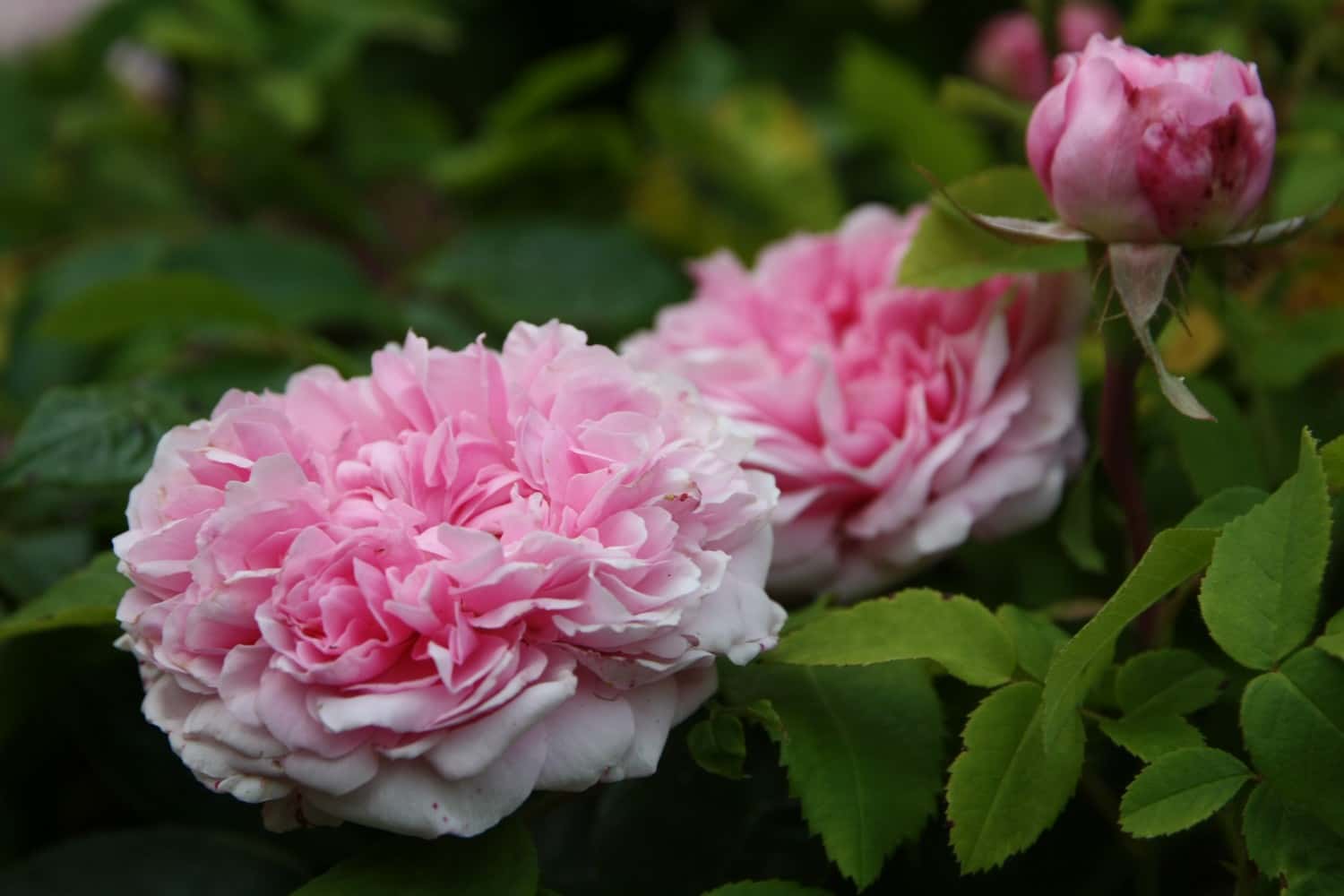
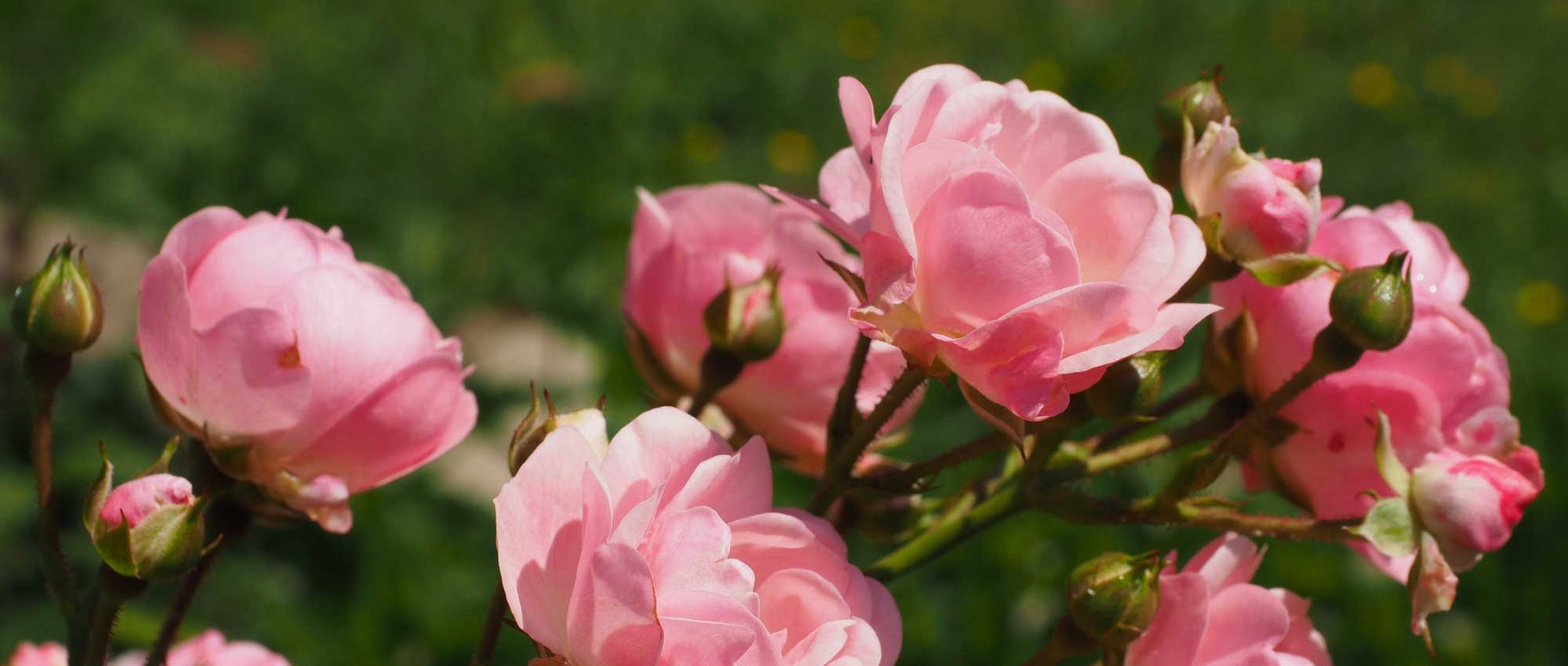
The 'Bordure Nacrée' Rose, a true living bouquet with seashell tones, is a charming and spectacular dwarf rose. Its small, fully double and changing roses are tightly packed in large bouquets, creating a delightful range of colours from soft orange-yellow to almost white, sprinkled with pink by the rain, and including pale salmon and tender pink. They bloom abundantly and for a long period, enhanced by beautiful thick, dark and glossy foliage. This superb little bush is absolutely perfect for borders, flower beds or containers!
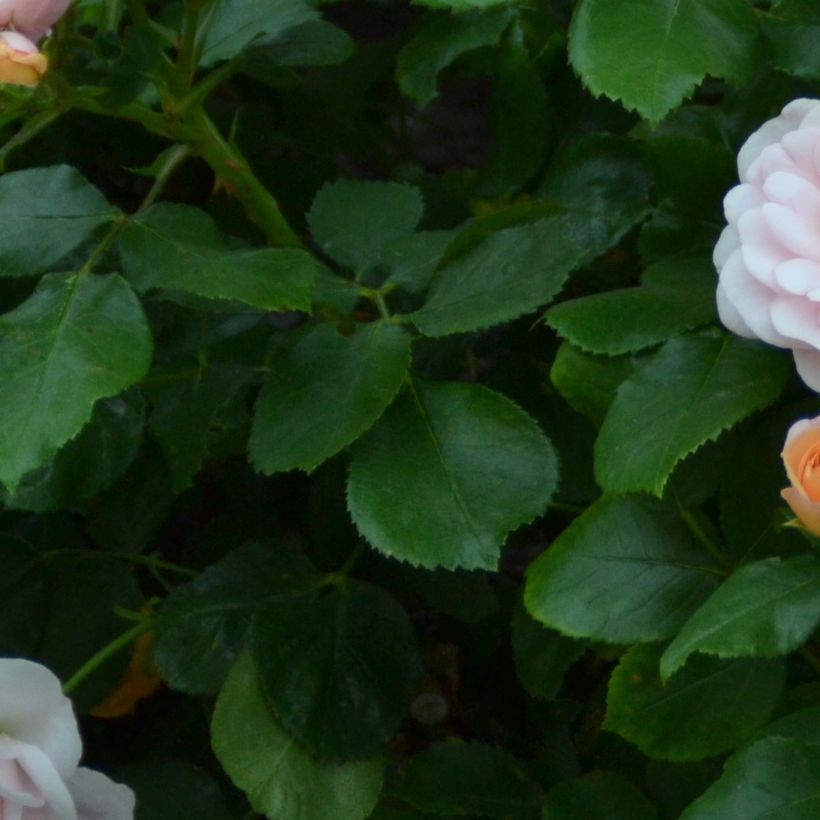
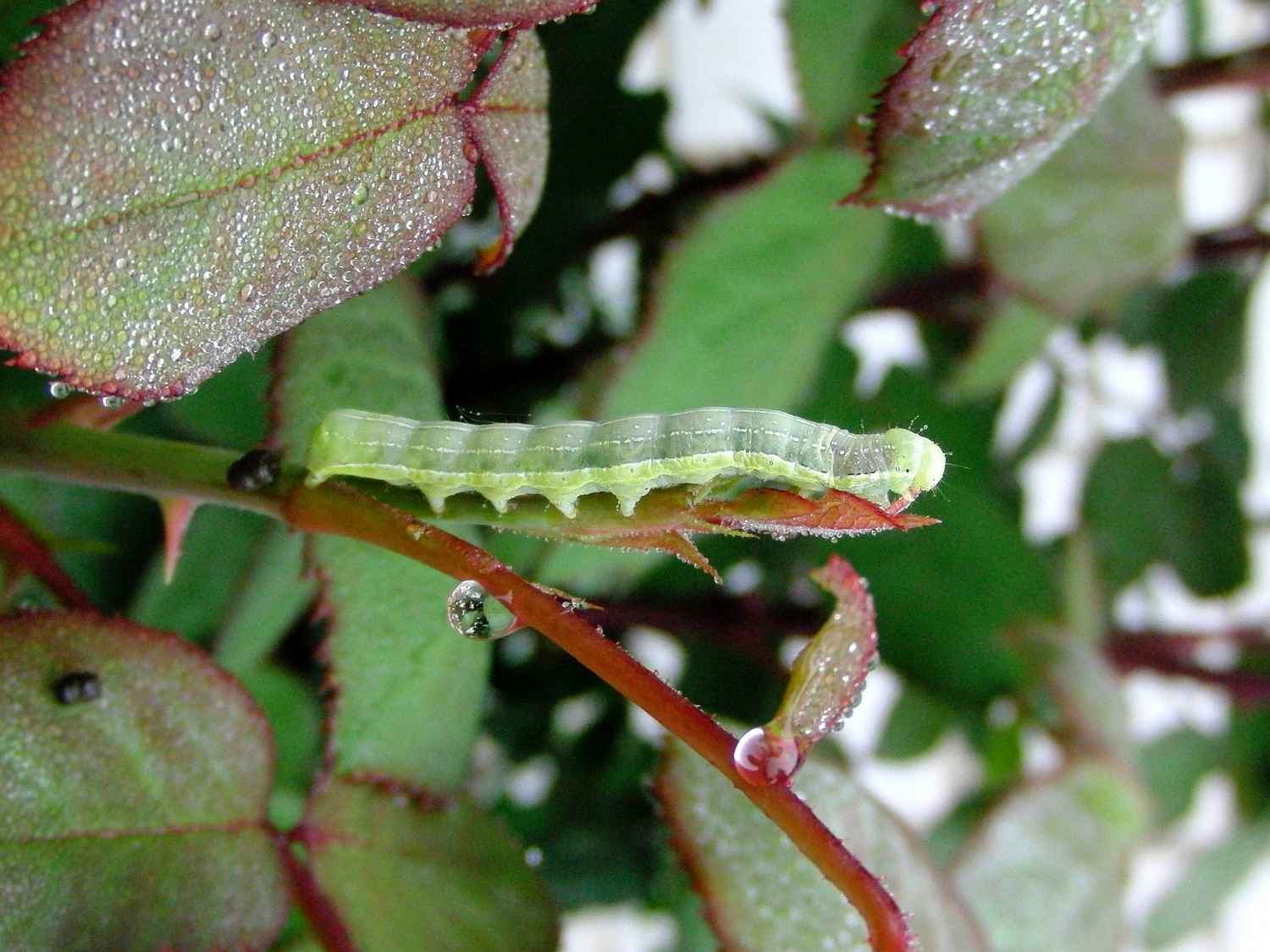
The flowers of the 'Bordure Nacrée' Rose, gathered in small terminal bouquets of 4 to 8 flowers, come from the polyantha rose, an old hybrid resulting from the Rosa multiflora and the Rosa chinensis. It has a compact, bushy and slightly spreading dome-shaped habit, as wide as it is tall. It will not exceed 50-60 cm (20-24in) in all directions. The flowers, in small, well-filled, globular cups at first, emerge from salmon, orange, pink or even almost white buds in the same bouquet. They bloom, changing colour, each in its own way, fading almost to white. They bloom in large numbers in pyramidal bouquets in May-June, more sporadically during the hottest months, and then again in September. Regular deadheading will help maintain a neater appearance. This vigorous variety is fairly resistant to diseases. Its dark green, deciduous, thick and glossy foliage is sometimes affected by marsonia, but this does not prevent the plant from blooming joyfully and developing new healthy foliage after treatment. This dwarf rose has won 2 awards in national and international competitions.
The 'Bordure Nacrée' Rose adapts to all soils that are not too dry and prefers fertile and deep soils. Its dense and low, neat appearance works wonders in rockeries or on slopes, where it will cover the ground. It can also be planted in groups of 3 plants, arranged in a triangle, or as a standalone specimen on a lawn. Plant it in borders along pathways or to highlight shrub beds. It will blend perfectly with light or lush perennial beds and can be paired with other dwarf roses such as 'Bordure Blanche', 'Bordure Rose' or 'Bordure Vive', or the purple rose 'Blue Boy', depending on the preferences of each gardener. For example, it can be combined with perennial geraniums (Geranium 'Blue Cloud', 'Anne Folkard' 'Nimbus', 'Orion', 'Rozanne'), bellflowers (lactiflora, rapunculoides), catmints, snapdragons, foxgloves or other carnations. It is naturally perfect for decorating the terrace or balcony, planted in a beautiful pot, a large planter or a container garden.
Obtained by Delbard (France) in 1973.

Rosa x polyantha Bordure Nacrée - Polyantha Rose in pictures
Plant habit
Flowering
Foliage
Botanical data
Rosa
x polyantha
Bordure Nacrée® 'Delcrouf'
Rosaceae
Polyantha Rose
Cultivar or hybrid
Planting and care
Roses prefer a sunny location (at least 4 to 5 hours of sunlight per day) but sheltered from the scorching midday rays and strong wind. They appreciate loose, permeable, deep, and fertile soils. They prefer a neutral to slightly acidic soil, but they will adapt to any garden as long as the ground is well cultivated and sufficiently rich. To plant your rose, work the soil to a depth of 25 cm (10in), crumble the soil well, and place a bottom amendment such as dried blood or dehydrated horn in the planting hole. Position your plant, free from its pot, covering the top of the root ball with 3 cm (1in) of soil, backfill, and water generously to eliminate air pockets. In dry weather, it is necessary to water regularly for a few weeks to facilitate root growth. Also, remember to provide your rose with special rose fertiliser that stimulates plant flowering.
Planting period
Intended location
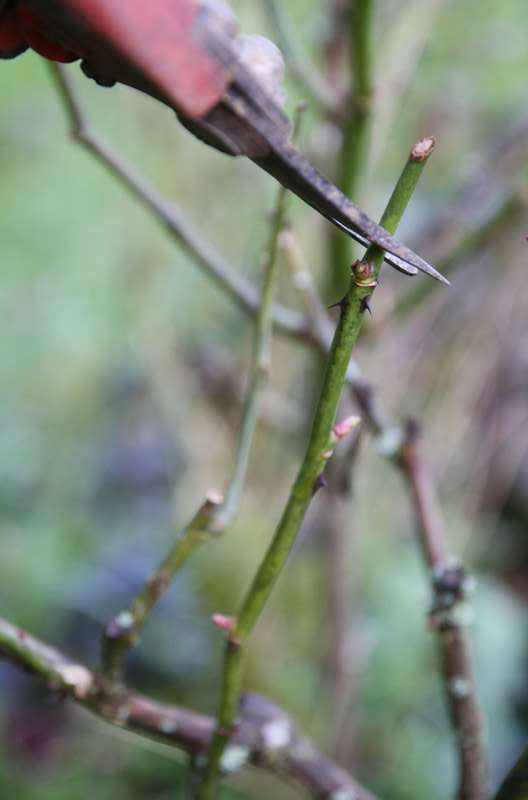
Care
Planting & care advice
-

-
-
-

-
-

-
-
-
, onOrder confirmed
Reply from on Promesse de fleurs
Recently viewed products
Haven't found what you were looking for?
Hardiness is the lowest winter temperature a plant can endure without suffering serious damage or even dying. However, hardiness is affected by location (a sheltered area, such as a patio), protection (winter cover) and soil type (hardiness is improved by well-drained soil).

The flowering period indicated on our website applies to countries and regions located in USDA zone 8 (France, the United Kingdom, Ireland, the Netherlands, etc.)
It will vary according to where you live:- In zones 9 to 10 (Italy, Spain, Greece, etc.), flowering will occur about 2 to 4 weeks earlier.
- In zones 6 to 7 (Germany, Poland, Slovenia, and lower mountainous regions), flowering will be delayed by 2 to 3 weeks.
- In zone 5 (Central Europe, Scandinavia), blooming will be delayed by 3 to 5 weeks.
In temperate climates, pruning of spring-flowering shrubs (forsythia, spireas, etc.) should be done just after flowering.
Pruning of summer-flowering shrubs (Indian Lilac, Perovskia, etc.) can be done in winter or spring.
In cold regions as well as with frost-sensitive plants, avoid pruning too early when severe frosts may still occur.
The planting period indicated on our website applies to countries and regions located in USDA zone 8 (France, United Kingdom, Ireland, Netherlands).
It will vary according to where you live:
- In Mediterranean zones (Marseille, Madrid, Milan, etc.), autumn and winter are the best planting periods.
- In continental zones (Strasbourg, Munich, Vienna, etc.), delay planting by 2 to 3 weeks in spring and bring it forward by 2 to 4 weeks in autumn.
- In mountainous regions (the Alps, Pyrenees, Carpathians, etc.), it is best to plant in late spring (May-June) or late summer (August-September).
The harvesting period indicated on our website applies to countries and regions in USDA zone 8 (France, England, Ireland, the Netherlands).
In colder areas (Scandinavia, Poland, Austria...) fruit and vegetable harvests are likely to be delayed by 3-4 weeks.
In warmer areas (Italy, Spain, Greece, etc.), harvesting will probably take place earlier, depending on weather conditions.
The sowing periods indicated on our website apply to countries and regions within USDA Zone 8 (France, UK, Ireland, Netherlands).
In colder areas (Scandinavia, Poland, Austria...), delay any outdoor sowing by 3-4 weeks, or sow under glass.
In warmer climes (Italy, Spain, Greece, etc.), bring outdoor sowing forward by a few weeks.
Shipping country and language
Your country of residence may be:
Your country of residence is:
For a better user experience on our website, you can select:
Your shipping country:
-
 Austria
-
 Belgium
-
 Bosnia & Herzegovina
-
 Bulgaria
-
 Croatia
-
 Cyprus
-
 Czechia
-
 Denmark
-
 Estonia
-
 Finland
-
 France
-
 Germany
-
 Greece
-
 Hungary
-
 Iceland
-
 Ireland
-
 Italy
Italy
-
 Latvia
-
 Liechtenstein
-
 Lithuania
-
 Luxembourg
-
 Malta
Malta
-
 Netherlands
-
 Poland
-
 Portugal
-
 Romania
-
 Serbia
-
 Slovakia
-
 Slovenia
-
 Spain
Spain
-
 Sweden
-
 Switzerland
Language:
-
French
-
 English
-
Spanish
-
Italian
-
German
-
Portuguese
-
Dutch
-
Finnish
My Account
Hello
My wish lists
My cart
Log in / Register
Existing customer?
This form is protected by reCAPTCHA - the Google Privacy Policy and Terms of Service apply.
New customer?
Create an account to track your orders, access our customer service and, if you wish, make the most of our upcoming offers.