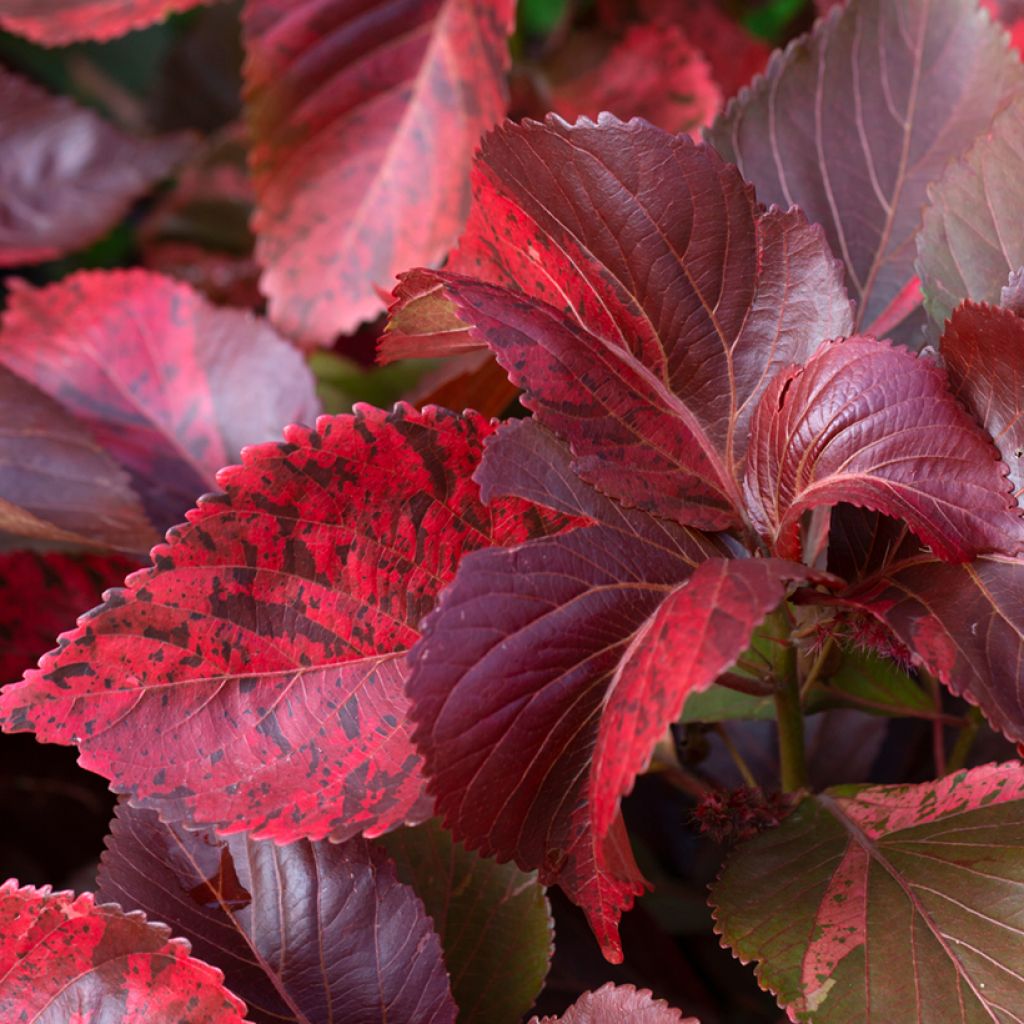
Acalypha godseffiana
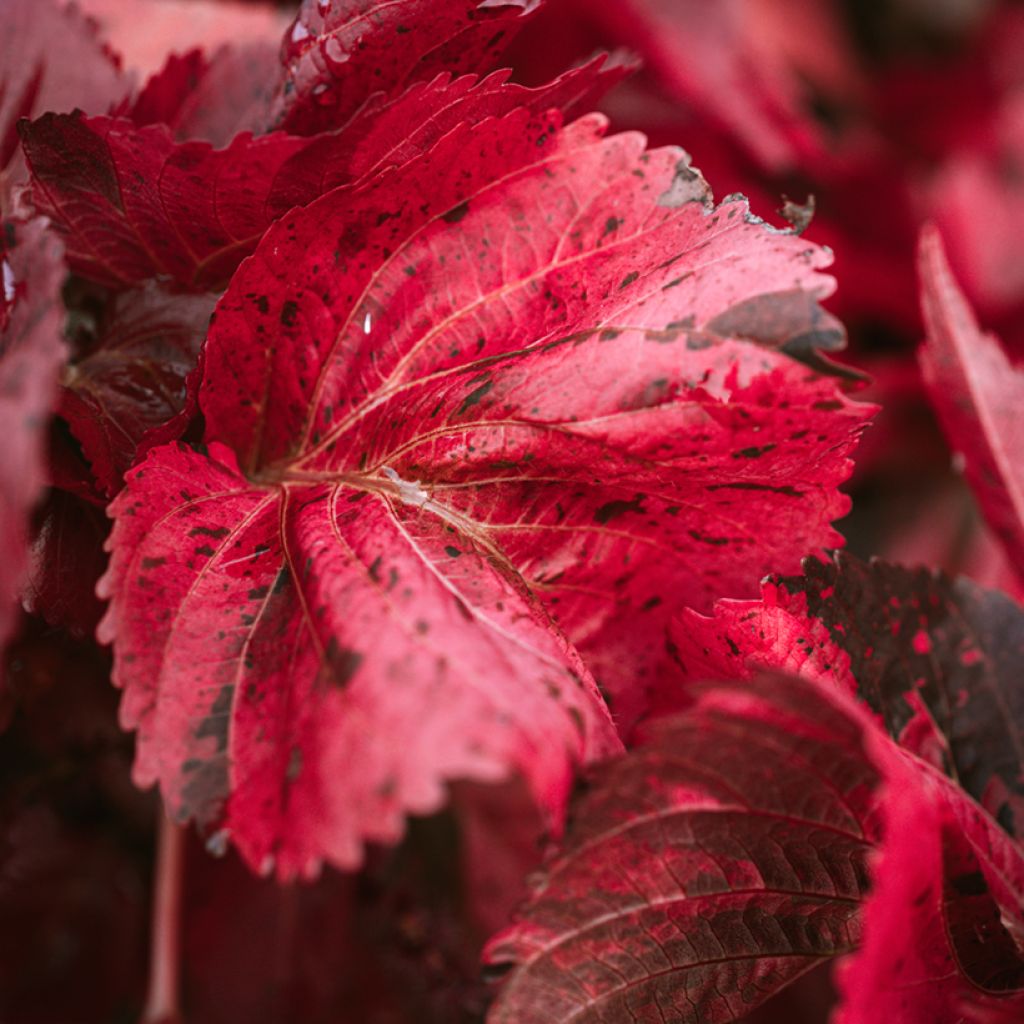
Acalypha godseffiana
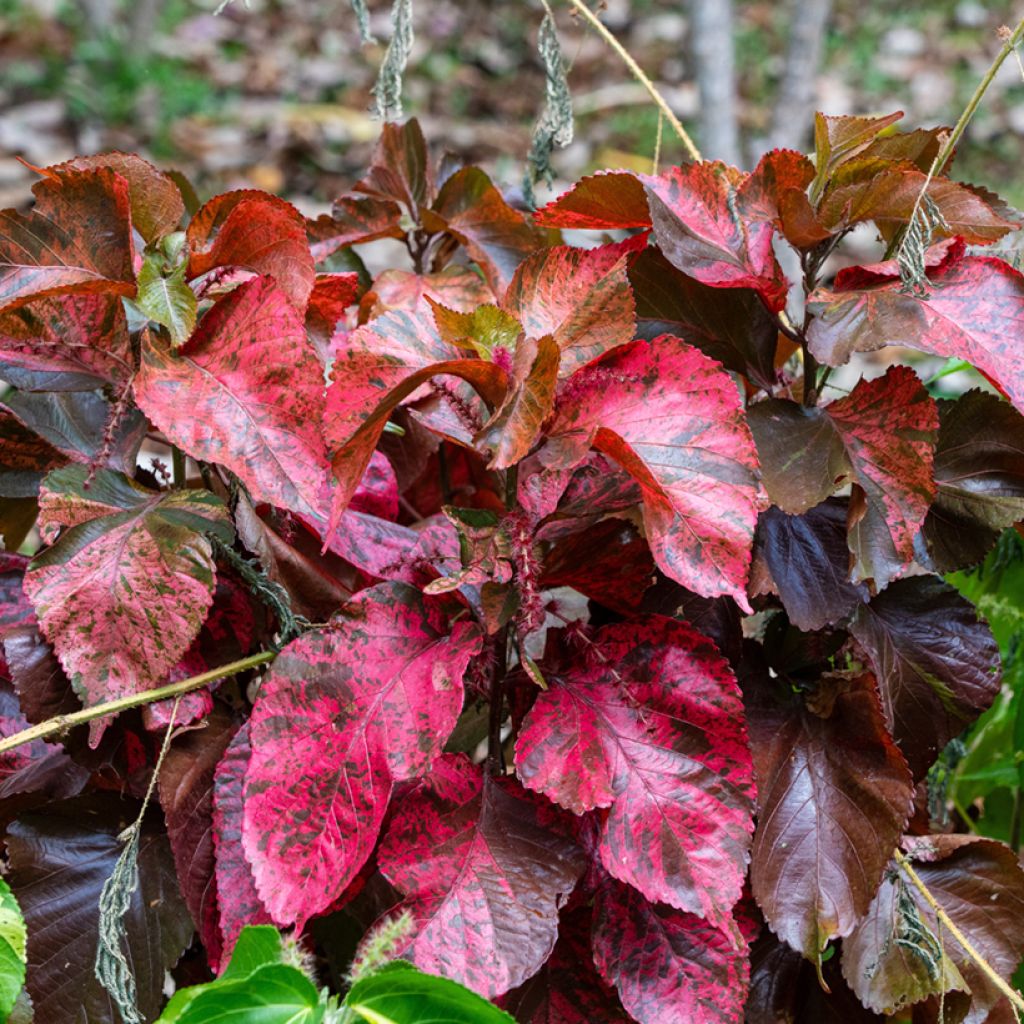
Acalypha godseffiana
Acalypha godseffiana
Acalypha godseffiana
Back-to-school special offer!
Get €10 off for every €50 you spend! And get up to €40 off on a single order.
How does it work?
1. Shop your favourites
Add your favourite plants to your basket. For every €50 you spend (excluding delivery charges, store credit and the plastic-free option), you’ll receive a €10 voucher.
€50 spent = €10 voucher
€100 spent = €20 voucher
€150 spent = €30 voucher
€200 spent = €40 voucher
2. Place your order
Once your basket reaches one of the spending thresholds, place your order. You can even choose your delivery date!
3. Receive your voucher
As soon as your order has been shipped, you’ll receive an email containing your personal voucher code and its value.
4. Use it on your next order
Your voucher is valid for 90 days from the date you receive it. It can be used once only, on a new order worth at least the value of the voucher, excluding delivery charges.
Please note: Vouchers can be combined with other offers, but cannot be split or refunded.
Why not try an alternative variety in stock?
View all →
Available in 1 sizes
Available in 1 sizes
Available in 1 sizes
Available in 1 sizes
Available in 1 sizes
Available in 1 sizes
Available in 1 sizes
Available in 1 sizes
Available in 1 sizes
Available in 1 sizes
This plant carries a 24 months recovery warranty
More information
We guarantee the quality of our plants for a full growing cycle, and will replace at our expense any plant that fails to recover under normal climatic and planting conditions.
Would this plant suit my garden?
Set up your Plantfit profile →
Description
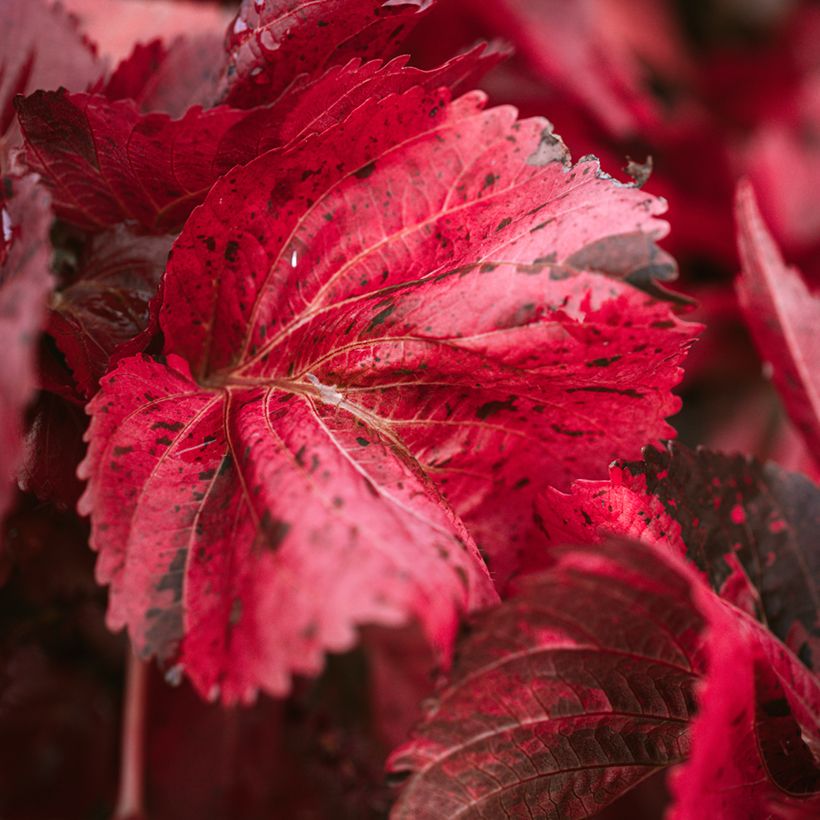
Acalypha godseffiana is a spectacular ornamental bush, prized for its flamboyant foliage. Its large, toothed leaves, blending shades of green, purple, yellow, cream, or pink, remain decorative all year round. It is not hardy, so it cannot tolerate frost but thrives easily in a pot indoors, where it brings a tropical ambience to a living room or conservatory. Outdoors, it will adorn a sunny terrace during the warmer months and you can attempt growing it in the ground in a sheltered garden. Easy to care for and fast-growing, it will delight lovers of original and colourful plants.
Acalypha godseffiana is an ornamental bush belonging to the Euphorbiaceae family. Native to the tropical regions of the Southwest Pacific, particularly from the Bismarck Archipelago to Fiji, this species is mainly cultivated for its vividly coloured decorative foliage. In its natural habitat, it grows on forest edges and along roadsides, typically at altitudes between 400 and 450 metres. Among its botanical synonyms are Acalypha wilkesiana var. godseffiana and Acalypha godseffiana var. heterophylla. Common names include Cancan, Jacob's Coat, Copperleaf Tree, and even Cancan Skirt.
Acalypha godseffiana is a fast-growing bush that can reach up to 4 metres in height in the ground under optimal conditions. Its habit is bushy and upright, with dense branching. In the ground, in mild climates, it can grow to about 1.5 metres tall with a similar spread. In a container, its growth is more restrained, averaging around 1.7 metres in height and 1.3 metres in width. These dimensions depend on pot size, care, growing conditions, and pruning. Indoors or on a terrace, regular pruning helps maintain a compact and balanced habit.
The leaves of Acalypha godseffiana are single, alternate, and narrowly elliptical with wavy or toothed margins. They are dark green, sometimes purplish, with variably coloured edges, the colour palette evolving with the season and sunlight exposure. The inflorescences are subtle, greenish-pink, forming axillary spikes up to 18 cm long. Male and female flowers are present on the same plant at different locations: it is monoecious. Male flowers are usually more numerous. The fruits appear as capsules but are rarely observed in cultivation. The root system is fibrous and shallow, making the plant sensitive to soil disturbances.
This species thrives in humid tropical climates, preferring temperatures between 20 and 30°C. It is sensitive to cold and cannot tolerate temperatures below 5°C. Acalypha godseffiana prefers well-drained soil, rich in organic matter, and slightly moist. The bush tolerates a range of pH levels but grows best in slightly acidic to neutral soils. Full sun exposure is ideal for developing vibrant foliage colours.
To enhance your interior with Acalypha godseffiana, pair it, for example, with Croton 'Petra', which boasts leaves in vivid shades of yellow, orange, and red. Calathea 'Dottie' (Calathea roseopicta 'Dottie'), with its dark leaves adorned with pink veins, will create an interesting contrast with its companions. Also consider Maranta leuconeura 'Fascinator' to enrich the composition with its unique patterns of green, red, and cream.
The genus name, Acalypha, derives from the ancient Greek "akalephe," meaning "nettle," referencing the resemblance of the leaves to those of nettles. This name was given by a Greek physician, regarded as the "father of medicine".
Report an error about the product description
Acalypha godseffiana in pictures
Plant habit
Flowering
Foliage
Botanical data
Acalypha
godseffiana
Euphorbiaceae
Acalypha wilkesiana, Acalypha amentacea subsp. wilkesiana, Acalypha tricolor
Southeast Asia, Oceania
Planting and care
Growing Acalypha godseffiana
In pots, use a sufficiently large container with good drainage and fill it with a rich, light substrate, composed of tropical plant compost and perlite to promote root aeration. Place the plant in a bright spot, sheltered from direct sunlight during the hottest hours. Water regularly to keep the substrate slightly moist, without excess water to prevent root rot. During the growth period, a balanced liquid fertiliser every two weeks will encourage dense and colourful foliage.
In the ground, this plant can only be attempted in very mild climates where it should be planted in rich, humus-bearing, well-drained soil, in a sunny to partially shaded position. Organic mulch can be useful to retain soil moisture.
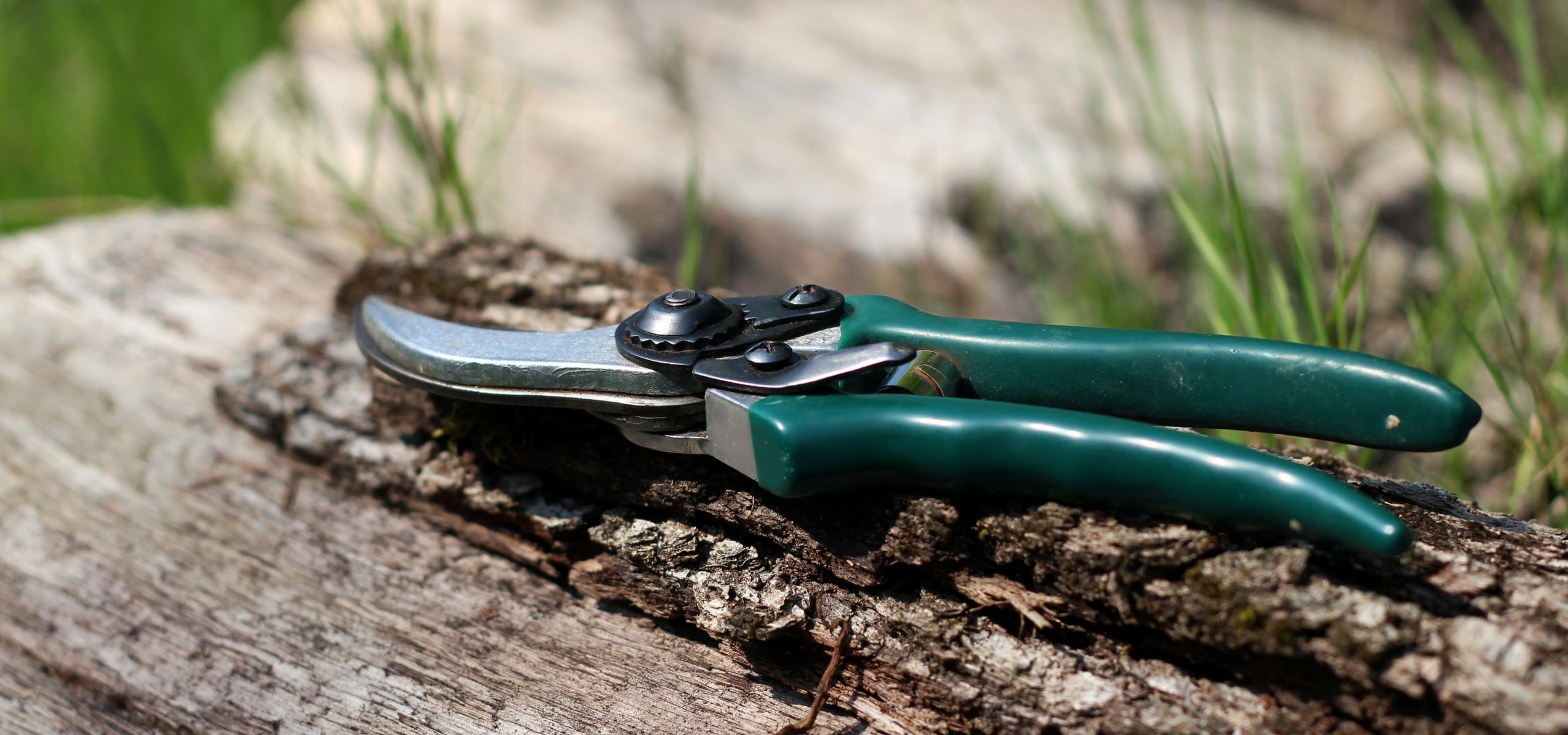
Copperleaf requires regular pruning to maintain a compact habit and encourage branching. The best time to prune is in spring or late summer, before growth resumes. Remove overly long or bare stems and shorten branches to promote foliage density. This pruning also helps balance the plant's shape and remove any damaged parts. In pots, more frequent pruning may be necessary to prevent the plant from becoming too large.
Planting period
Intended location
Care
Planting & care advice
-
-
-
-
-
-
-

-
This item has not been reviewed yet - be the first to leave a review about it.
Recently viewed products
Haven't found what you were looking for?
Hardiness is the lowest winter temperature a plant can endure without suffering serious damage or even dying. However, hardiness is affected by location (a sheltered area, such as a patio), protection (winter cover) and soil type (hardiness is improved by well-drained soil).

The flowering period indicated on our website applies to countries and regions located in USDA zone 8 (France, the United Kingdom, Ireland, the Netherlands, etc.)
It will vary according to where you live:- In zones 9 to 10 (Italy, Spain, Greece, etc.), flowering will occur about 2 to 4 weeks earlier.
- In zones 6 to 7 (Germany, Poland, Slovenia, and lower mountainous regions), flowering will be delayed by 2 to 3 weeks.
- In zone 5 (Central Europe, Scandinavia), blooming will be delayed by 3 to 5 weeks.
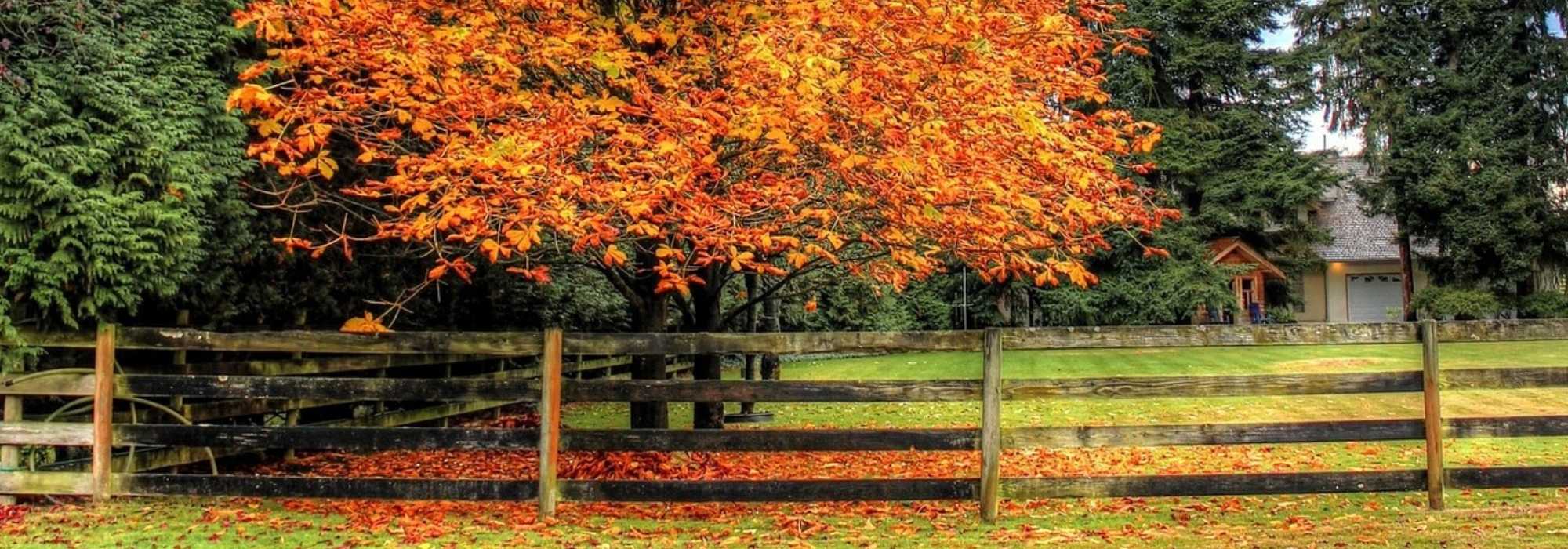
In temperate climates, pruning of spring-flowering shrubs (forsythia, spireas, etc.) should be done just after flowering.
Pruning of summer-flowering shrubs (Indian Lilac, Perovskia, etc.) can be done in winter or spring.
In cold regions as well as with frost-sensitive plants, avoid pruning too early when severe frosts may still occur.
The planting period indicated on our website applies to countries and regions located in USDA zone 8 (France, United Kingdom, Ireland, Netherlands).
It will vary according to where you live:
- In Mediterranean zones (Marseille, Madrid, Milan, etc.), autumn and winter are the best planting periods.
- In continental zones (Strasbourg, Munich, Vienna, etc.), delay planting by 2 to 3 weeks in spring and bring it forward by 2 to 4 weeks in autumn.
- In mountainous regions (the Alps, Pyrenees, Carpathians, etc.), it is best to plant in late spring (May-June) or late summer (August-September).
The harvesting period indicated on our website applies to countries and regions in USDA zone 8 (France, England, Ireland, the Netherlands).
In colder areas (Scandinavia, Poland, Austria...) fruit and vegetable harvests are likely to be delayed by 3-4 weeks.
In warmer areas (Italy, Spain, Greece, etc.), harvesting will probably take place earlier, depending on weather conditions.
The sowing periods indicated on our website apply to countries and regions within USDA Zone 8 (France, UK, Ireland, Netherlands).
In colder areas (Scandinavia, Poland, Austria...), delay any outdoor sowing by 3-4 weeks, or sow under glass.
In warmer climes (Italy, Spain, Greece, etc.), bring outdoor sowing forward by a few weeks.
Shipping country and language
Your country of residence may be:
Your country of residence is:
For a better user experience on our website, you can select:
Your shipping country:
-
 Austria
-
 Belgium
-
 Bosnia & Herzegovina
-
 Bulgaria
-
 Croatia
-
 Cyprus
-
 Czechia
-
 Denmark
-
 Estonia
-
 Finland
-
 France
-
 Germany
-
 Greece
-
 Hungary
-
 Iceland
-
 Ireland
-
 Italy
Italy
-
 Latvia
-
 Liechtenstein
-
 Lithuania
-
 Luxembourg
-
 Malta
Malta
-
 Netherlands
-
 Poland
-
 Portugal
-
 Romania
-
 Serbia
-
 Slovakia
-
 Slovenia
-
 Spain
Spain
-
 Sweden
-
 Switzerland
Language:
-
French
-
 English
-
Spanish
-
Italian
-
German
-
Portuguese
-
Dutch
-
Finnish
My Account
Hello
My wish lists
My cart
Log in / Register
Existing customer?
This form is protected by reCAPTCHA - the Google Privacy Policy and Terms of Service apply.
New customer?
Create an account to track your orders, access our customer service and, if you wish, make the most of our upcoming offers.