Crataegus monogyna Compacta - Hawthorn
Crataegus monogyna Compacta - Hawthorn
Crataegus monogyna Compacta - Hawthorn
Crataegus monogyna Compacta - Hawthorn
Crataegus monogyna Compacta
Common Hawthorn, One-seed Hawthorn,, Single-seeded Hawthorn
The tree arrived a bit bent, but in the end, that's what will give it its charm. We'll see.
Jérôme, 18/06/2025
Back-to-school special offer!
Get €10 off for every €50 you spend! And get up to €40 off on a single order.
How does it work?
1. Shop your favourites
Add your favourite plants to your basket. For every €50 you spend (excluding delivery charges, store credit and the plastic-free option), you’ll receive a €10 voucher.
€50 spent = €10 voucher
€100 spent = €20 voucher
€150 spent = €30 voucher
€200 spent = €40 voucher
2. Place your order
Once your basket reaches one of the spending thresholds, place your order. You can even choose your delivery date!
3. Receive your voucher
As soon as your order has been shipped, you’ll receive an email containing your personal voucher code and its value.
4. Use it on your next order
Your voucher is valid for 90 days from the date you receive it. It can be used once only, on a new order worth at least the value of the voucher, excluding delivery charges.
Please note: Vouchers can be combined with other offers, but cannot be split or refunded.
Home or relay delivery (depending on size and destination)
Important: You may be charged customs duties by your country’s customs authorities upon delivery.
Schedule delivery date,
and select date in basket
This plant carries a 24 months recovery warranty
More information
We guarantee the quality of our plants for a full growing cycle, and will replace at our expense any plant that fails to recover under normal climatic and planting conditions.

Would this plant suit my garden?
Set up your Plantfit profile →
Description
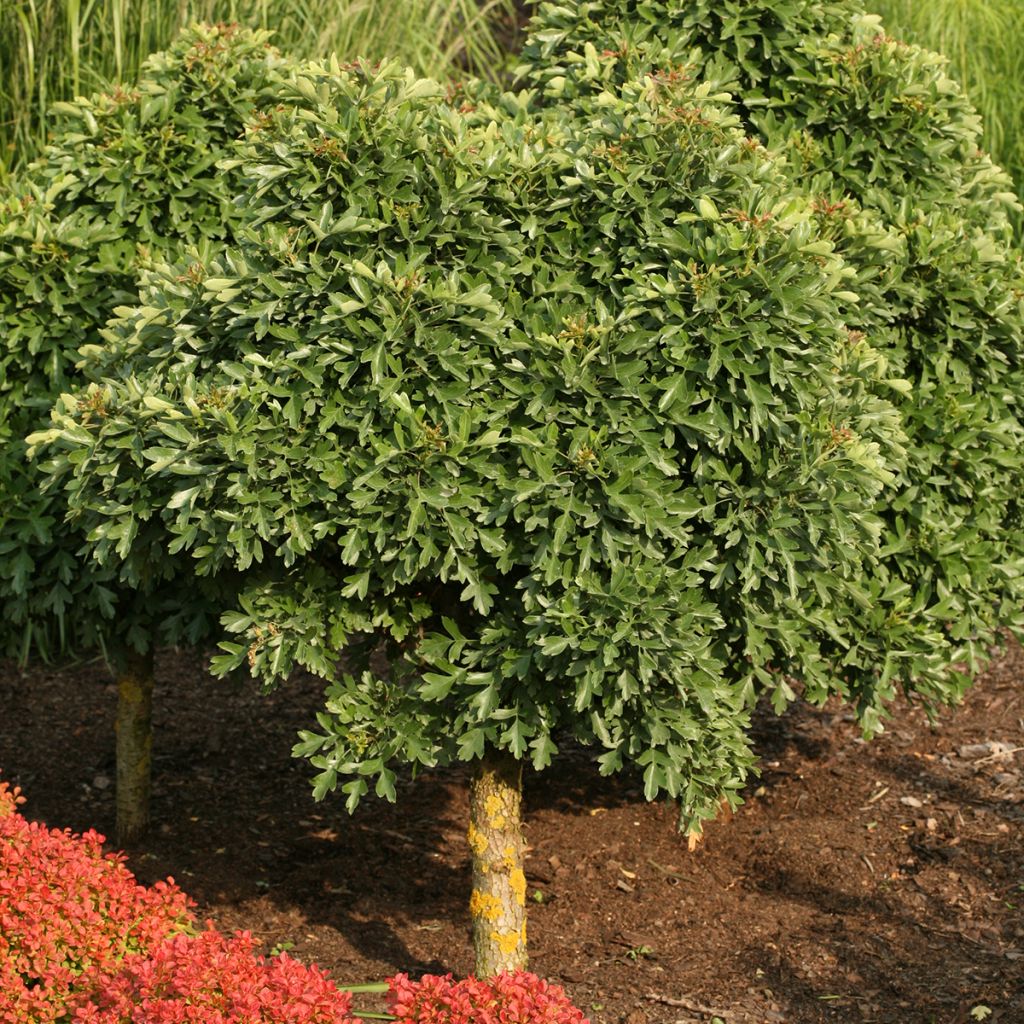
The Crataegus monogyna 'Compacta' is a dwarf variety of White Hawthorn that stands out for its modest growth, well-suited for small gardens, as well as its thornless branches. In spring, the bush is literally covered with simple white flowers that are fragrant and gathered in clusters. In autumn, it adorns itself with yellow foliage and dark red fruits that are decorative and loved by birds. Like all hawthorns, this variety is highly resistant to cold, tolerates sea spray, and pollution. It can be planted without hesitation, even in urban gardens.
The Crataegus monogyna, known as the Single-style Hawthorn, One-style Hawthorn, or Common Hawthorn, is a species native to central and Southern Europe where it grows in deciduous or mixed forests, in open woods, at forest edges, or even in open terrain (meadows). This ornamental and ecological bush is ideal in a hedgerow or as a freestanding shrub. It belongs to the large family of Rosaceae. It is a spiny shrub with a long lifespan, very hard wood, and can reach a height of 10m with a spread of 6m at maturity, with a bushy, dense, and sometimes slightly disorderly habit.
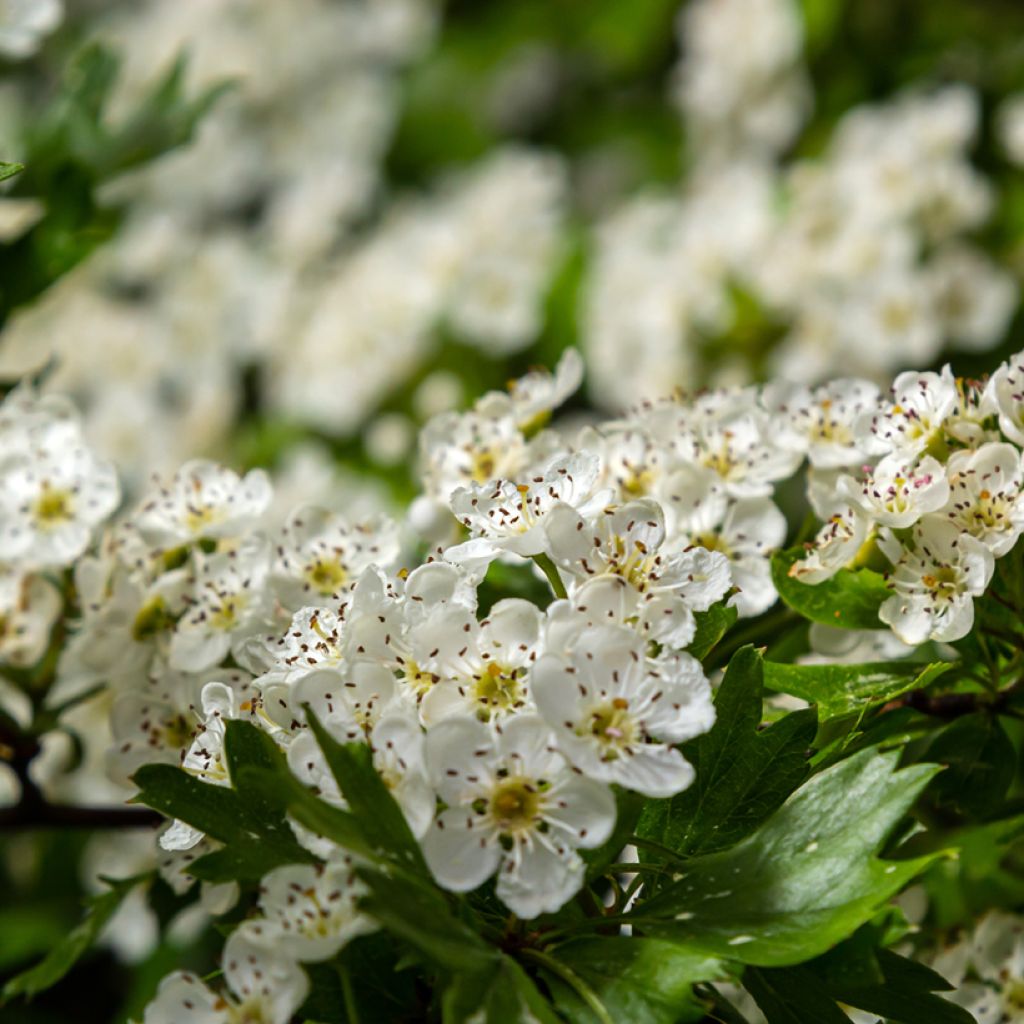
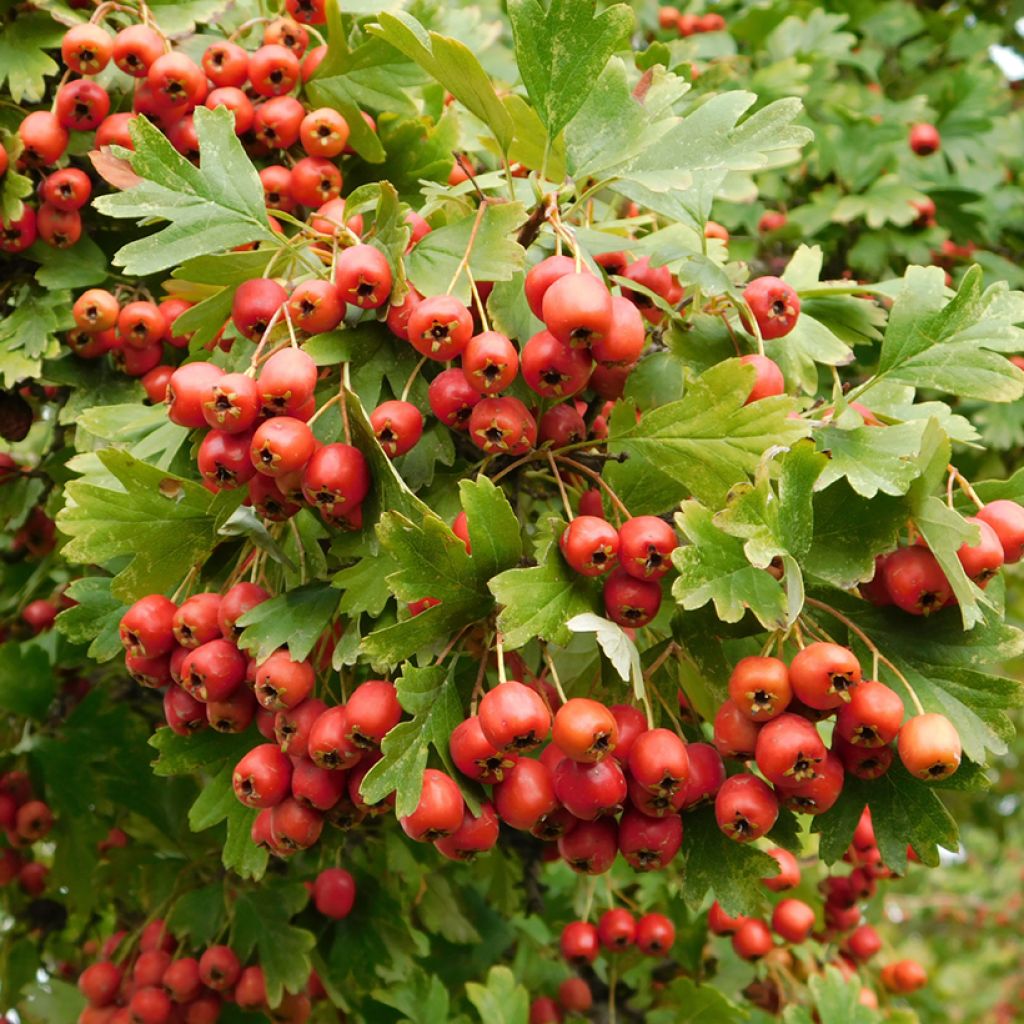
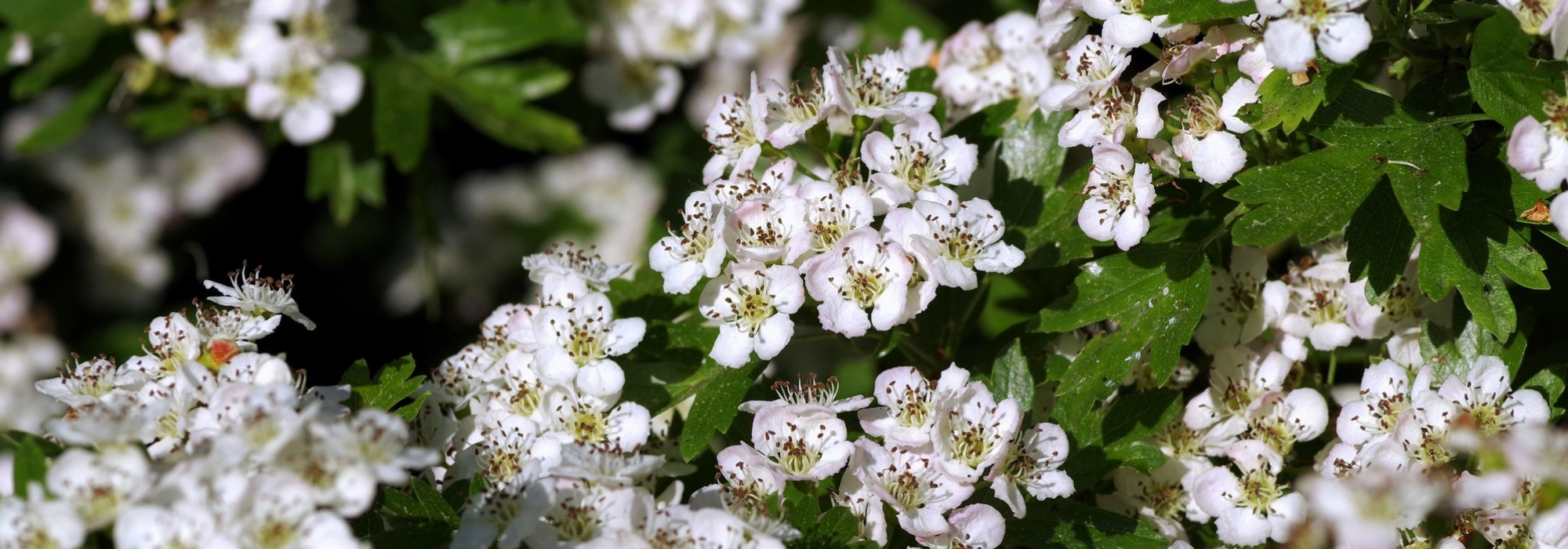
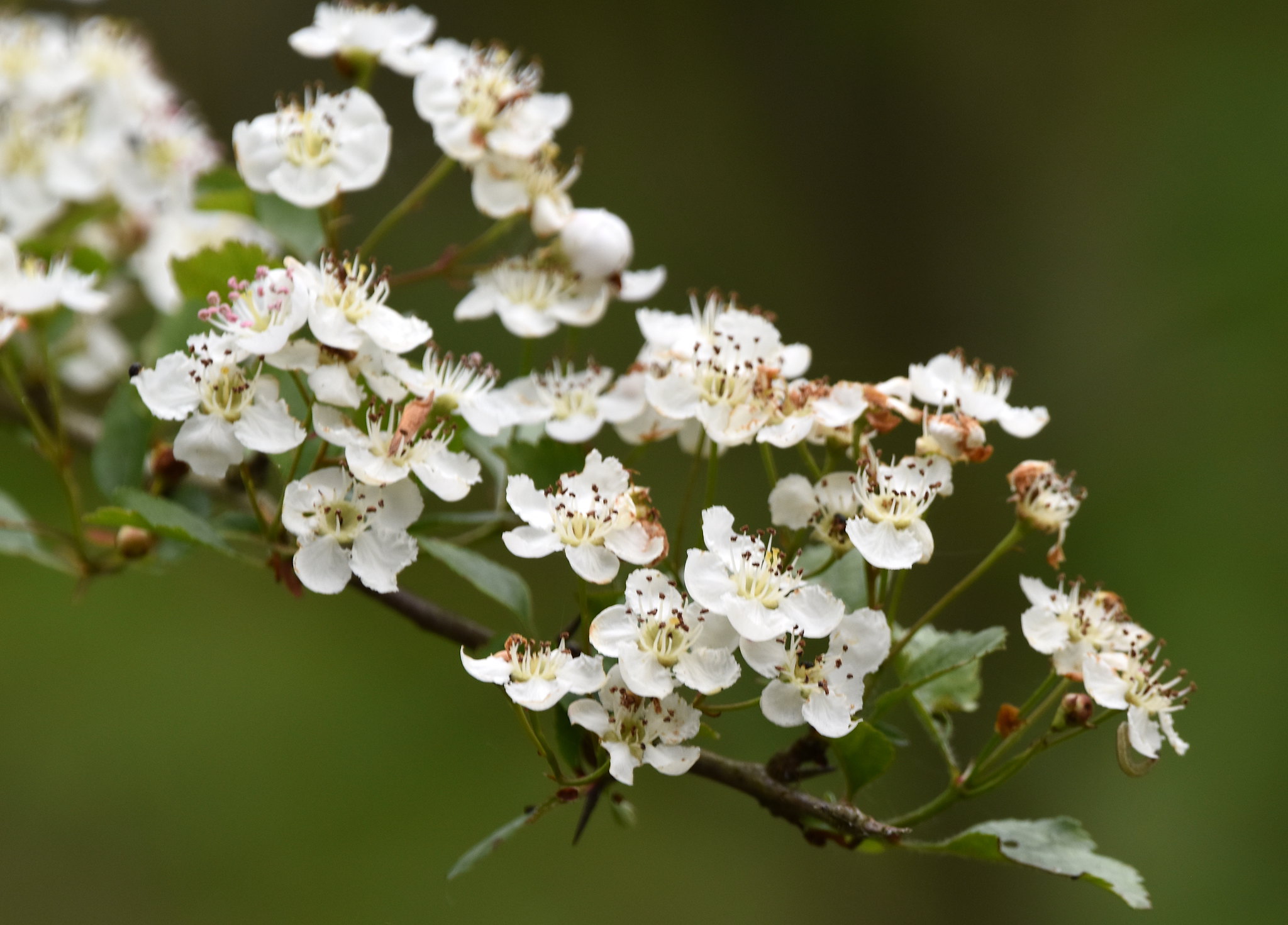
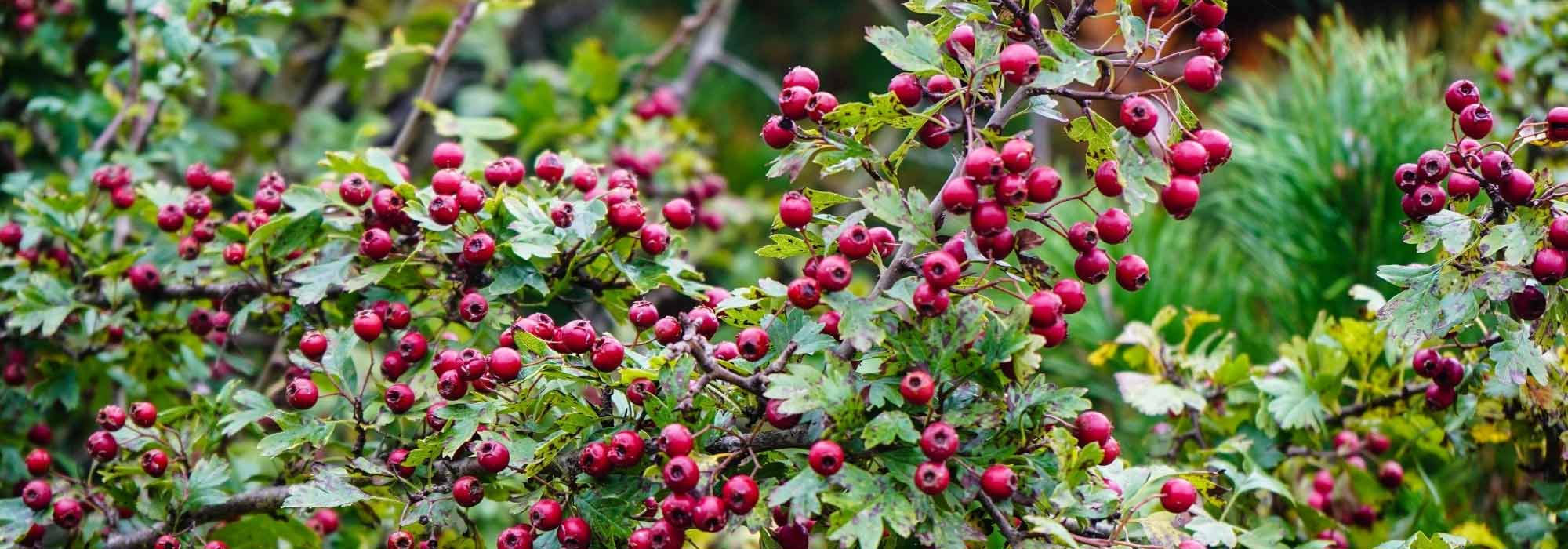
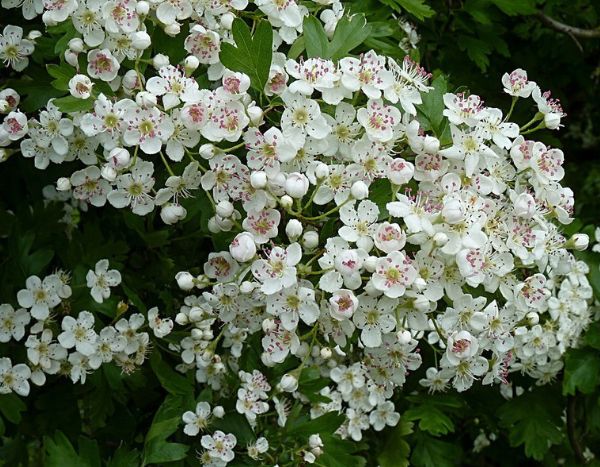
'Compacta' (synonym 'Inermis Compacta') is a dwarf hybrid introduced in 1907 by SPAETH nurseries in Berlin. Its growth is slow, around 5cm per year. Ultimately, it reaches 2 to 3m in height, with a spread of 1 to 2m. Little to no pruning is necessary to maintain the rounded and dense crown of this dwarf hawthorn. The trunk bark is gray-brown, becoming scaly over time, and its short branches do not bear thorns, or exceptionally a few rare thorns. Its foliage is deciduous, absent in winter. It consists of simple leaves measuring 2 to 5cm in length, oval-shaped, deeply lobed with 5 to 7 toothed lobes. The leaf veins diverge. The leaves are dark green and shiny, with a duller underside, turning yellow in autumn before falling. In May-June, numerous fragrant white flowers appear, arranged in dense and flat corymbs of 6 to 12 flowers. The flower corollas have 5 rounded petals and numerous stamens with light pink anthers that turn purple. The flowers measure 1 to 2cm in diameter and are intensely visited by bees. In September-October, numerous spherical red fruits with a single stone called "haws" appear, measuring 6 to 10mm in length. These berries are consumed by birds.
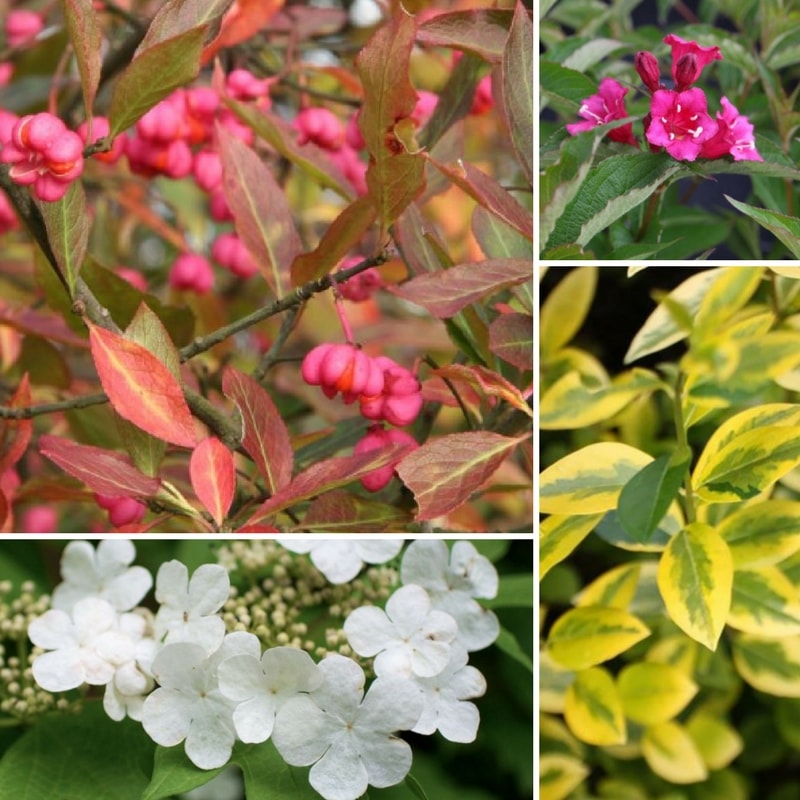
The Crataegus monogyna 'Compacta' adapts to any well-drained soil, even limestone, in a sunny or semi-shaded position. It is undemanding and very hardy, requiring only a balance pruning in February. With its modest growth, it can be planted in gardens of all sizes, especially in a hedgerow. It can be paired with other small flowering shrubs or ornamental fruit shrubs, such as a small 'Royal Beauty' flowering crab apple tree, an early-flowering 'Multiplex' Chinese almond tree, a 'Compactus' winged euonymus for its autumn colours, a 'Hansa' rugosa rose for its beautiful fragrant magenta roses and large decorative orange-red fruits...
Note: The Common Hawthorn hybridises with the Crataegus laevigata (Midland Hawthorn). It was used as a calming agent to treat gout attacks and pleurisy in the Middle Ages. Be careful with overdosing, as it can cause cardiovascular problems. Its wood is used for heating and was formerly used for metal parts and in small carpentry.
The term monogyna comes from the Latin "monogunus", which means "with a single style". This criterion distinguishes this variety from the Crataegus laevigata, which has 2 or 3 styles (pistils) and therefore 2 or 3 stones in the fruit.
Plant habit
Flowering
Foliage
Botanical data
Crataegus
monogyna
Compacta
Rosaceae
Common Hawthorn, One-seed Hawthorn,, Single-seeded Hawthorn
Cultivar or hybrid
Planting and care
The Crataegus monogyna 'Compacta' is cultivated in a sunny or semi-shaded location. It is preferably planted in autumn in any well-drained soil, even limestone, in a sunny or semi-shaded position. This variety does not tolerate very clayey and heavy soils that remain waterlogged in winter and suffocate its roots. Its frost resistance is excellent.
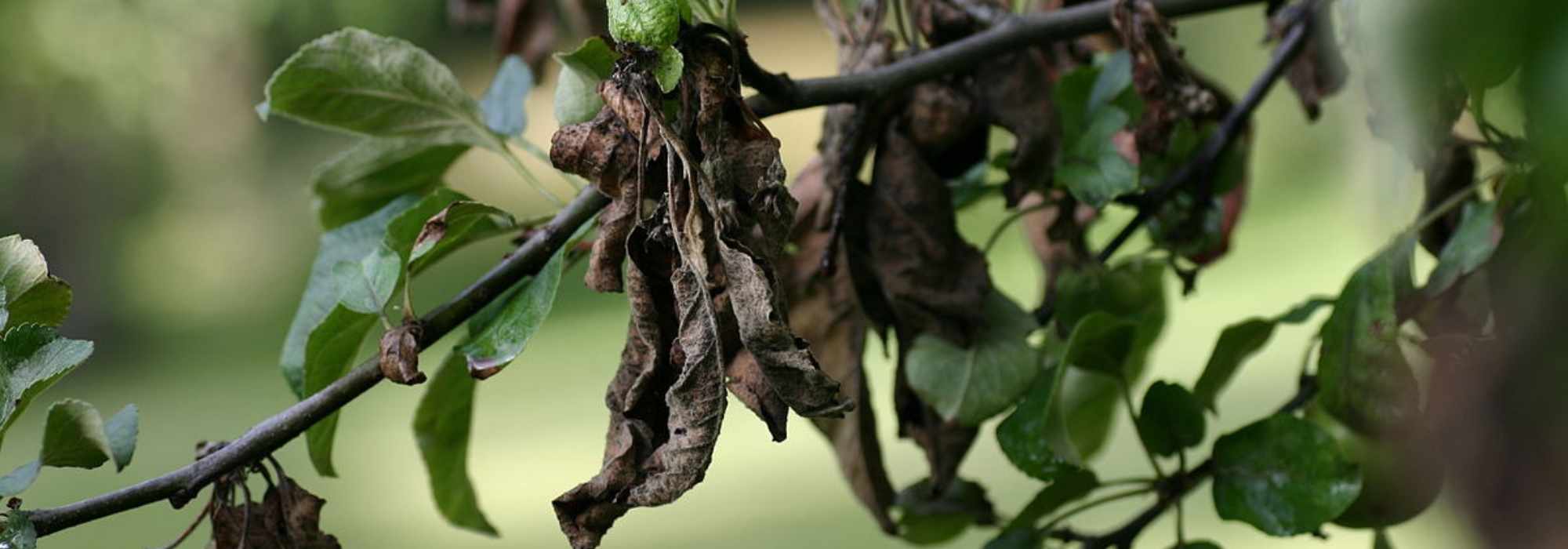
Hawthorn can be affected by caterpillars, aphids, rot, rust, and powdery mildew. The plant is particularly susceptible to fire blight, which can be an obstacle to planting it near apple and pear orchards. Not very demanding, this large shrub will be satisfied with a balanced pruning in February. Optionally, prune any overly long branches to maintain a harmonious habit.
Planting period
Intended location
Care
Planting & care advice
-
-
-
-
-

-

-
-
-
, onOrder confirmed
Reply from on Promesse de fleurs
Recently viewed products
Haven't found what you were looking for?
Hardiness is the lowest winter temperature a plant can endure without suffering serious damage or even dying. However, hardiness is affected by location (a sheltered area, such as a patio), protection (winter cover) and soil type (hardiness is improved by well-drained soil).

The flowering period indicated on our website applies to countries and regions located in USDA zone 8 (France, the United Kingdom, Ireland, the Netherlands, etc.)
It will vary according to where you live:- In zones 9 to 10 (Italy, Spain, Greece, etc.), flowering will occur about 2 to 4 weeks earlier.
- In zones 6 to 7 (Germany, Poland, Slovenia, and lower mountainous regions), flowering will be delayed by 2 to 3 weeks.
- In zone 5 (Central Europe, Scandinavia), blooming will be delayed by 3 to 5 weeks.
In temperate climates, pruning of spring-flowering shrubs (forsythia, spireas, etc.) should be done just after flowering.
Pruning of summer-flowering shrubs (Indian Lilac, Perovskia, etc.) can be done in winter or spring.
In cold regions as well as with frost-sensitive plants, avoid pruning too early when severe frosts may still occur.
The planting period indicated on our website applies to countries and regions located in USDA zone 8 (France, United Kingdom, Ireland, Netherlands).
It will vary according to where you live:
- In Mediterranean zones (Marseille, Madrid, Milan, etc.), autumn and winter are the best planting periods.
- In continental zones (Strasbourg, Munich, Vienna, etc.), delay planting by 2 to 3 weeks in spring and bring it forward by 2 to 4 weeks in autumn.
- In mountainous regions (the Alps, Pyrenees, Carpathians, etc.), it is best to plant in late spring (May-June) or late summer (August-September).
The harvesting period indicated on our website applies to countries and regions in USDA zone 8 (France, England, Ireland, the Netherlands).
In colder areas (Scandinavia, Poland, Austria...) fruit and vegetable harvests are likely to be delayed by 3-4 weeks.
In warmer areas (Italy, Spain, Greece, etc.), harvesting will probably take place earlier, depending on weather conditions.
The sowing periods indicated on our website apply to countries and regions within USDA Zone 8 (France, UK, Ireland, Netherlands).
In colder areas (Scandinavia, Poland, Austria...), delay any outdoor sowing by 3-4 weeks, or sow under glass.
In warmer climes (Italy, Spain, Greece, etc.), bring outdoor sowing forward by a few weeks.
Shipping country and language
Your country of residence may be:
Your country of residence is:
For a better user experience on our website, you can select:
Your shipping country:
-
 Austria
-
 Belgium
-
 Bosnia & Herzegovina
-
 Bulgaria
-
 Croatia
-
 Cyprus
-
 Czechia
-
 Denmark
-
 Estonia
-
 Finland
-
 France
-
 Germany
-
 Greece
-
 Hungary
-
 Iceland
-
 Ireland
-
 Italy
Italy
-
 Latvia
-
 Liechtenstein
-
 Lithuania
-
 Luxembourg
-
 Malta
Malta
-
 Netherlands
-
 Poland
-
 Portugal
-
 Romania
-
 Serbia
-
 Slovakia
-
 Slovenia
-
 Spain
Spain
-
 Sweden
-
 Switzerland
Language:
-
French
-
 English
-
Spanish
-
Italian
-
German
-
Portuguese
-
Dutch
-
Finnish
My Account
Hello
My wish lists
My cart
Log in / Register
Existing customer?
This form is protected by reCAPTCHA - the Google Privacy Policy and Terms of Service apply.
New customer?
Create an account to track your orders, access our customer service and, if you wish, make the most of our upcoming offers.