Crataegus monogyna - Hawthorn seeds
Crataegus monogyna - Hawthorn seeds
Crataegus monogyna - Hawthorn seeds
Crataegus monogyna - Hawthorn seeds
Crataegus monogyna - Hawthorn seeds
Crataegus monogyna - Hawthorn seeds
Crataegus monogyna - Hawthorn seeds
Crataegus monogyna - Hawthorn seeds
Crataegus monogyna
Hawthorn
Back-to-school special offer!
Get €10 off for every €50 you spend! And get up to €40 off on a single order.
How does it work?
1. Shop your favourites
Add your favourite plants to your basket. For every €50 you spend (excluding delivery charges, store credit and the plastic-free option), you’ll receive a €10 voucher.
€50 spent = €10 voucher
€100 spent = €20 voucher
€150 spent = €30 voucher
€200 spent = €40 voucher
2. Place your order
Once your basket reaches one of the spending thresholds, place your order. You can even choose your delivery date!
3. Receive your voucher
As soon as your order has been shipped, you’ll receive an email containing your personal voucher code and its value.
4. Use it on your next order
Your voucher is valid for 90 days from the date you receive it. It can be used once only, on a new order worth at least the value of the voucher, excluding delivery charges.
Please note: Vouchers can be combined with other offers, but cannot be split or refunded.
Home or relay delivery (depending on size and destination)
Important: You may be charged customs duties by your country’s customs authorities upon delivery.
Schedule delivery date
and select date in basket
This plant carries a 6 months recovery warranty
More information
We guarantee the quality of our plants for a full growing cycle, and will replace at our expense any plant that fails to recover under normal climatic and planting conditions.
Would this plant suit my garden?
Set up your Plantfit profile →
Description
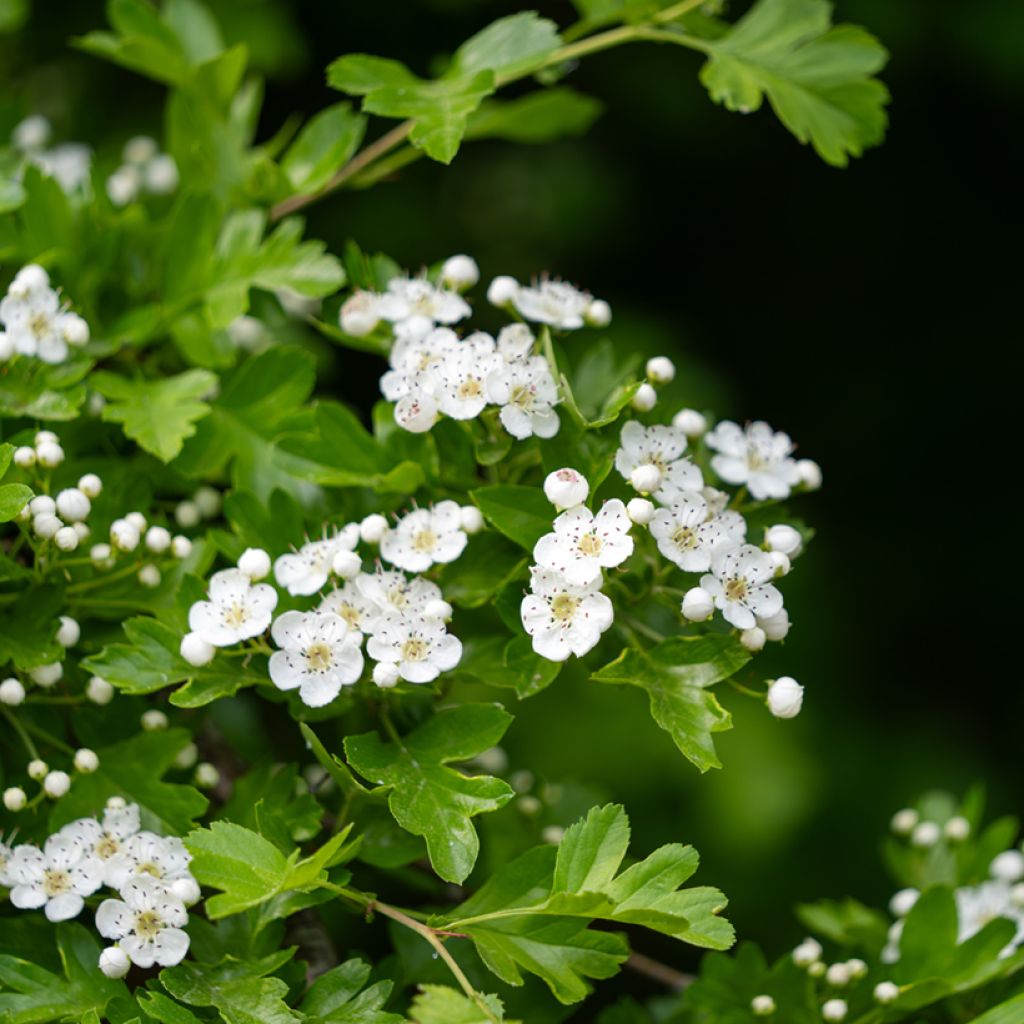
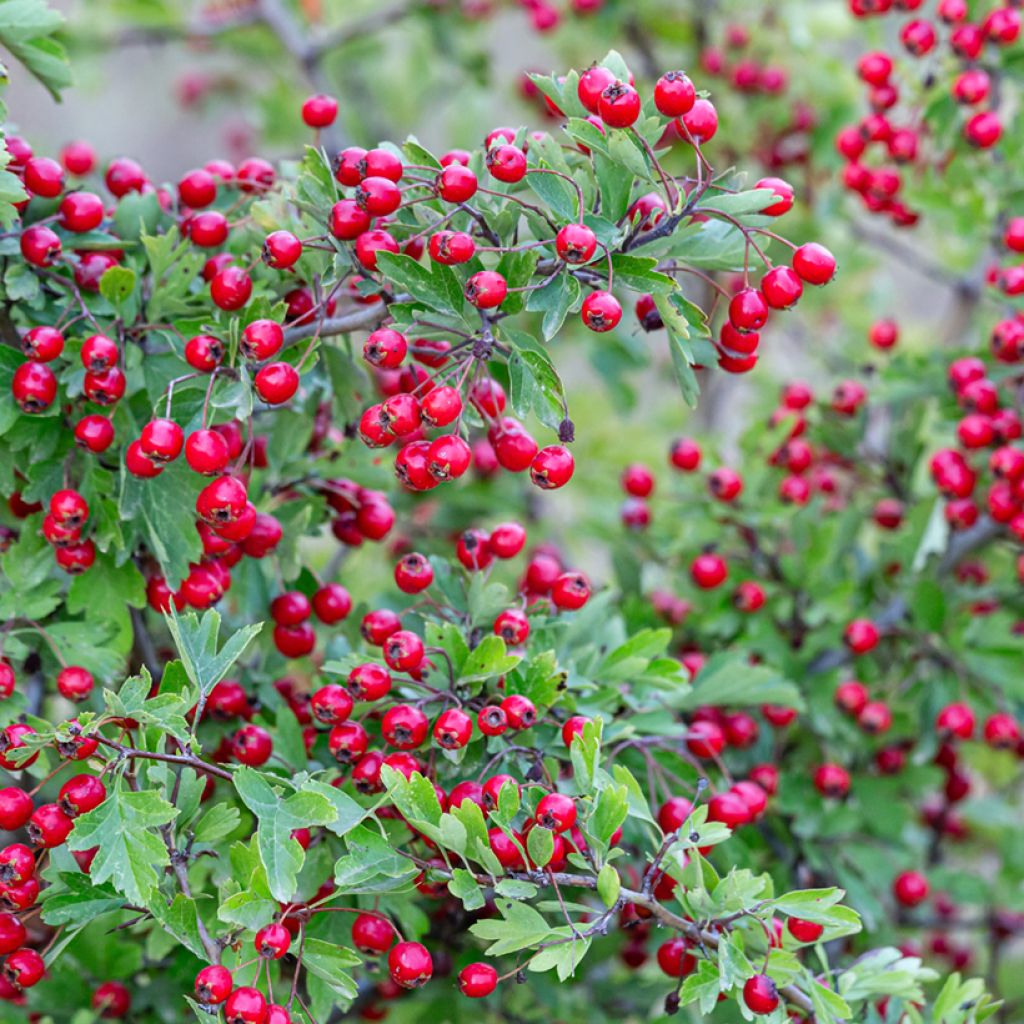
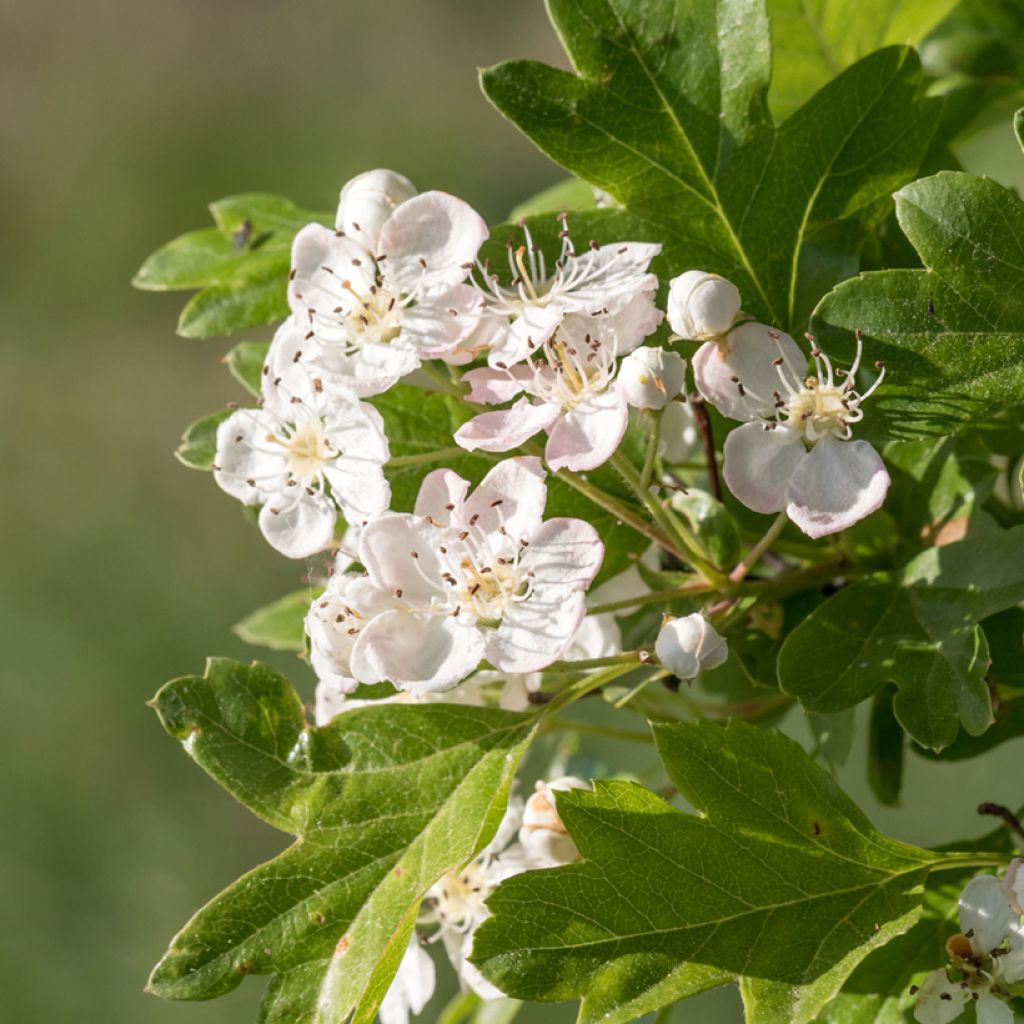
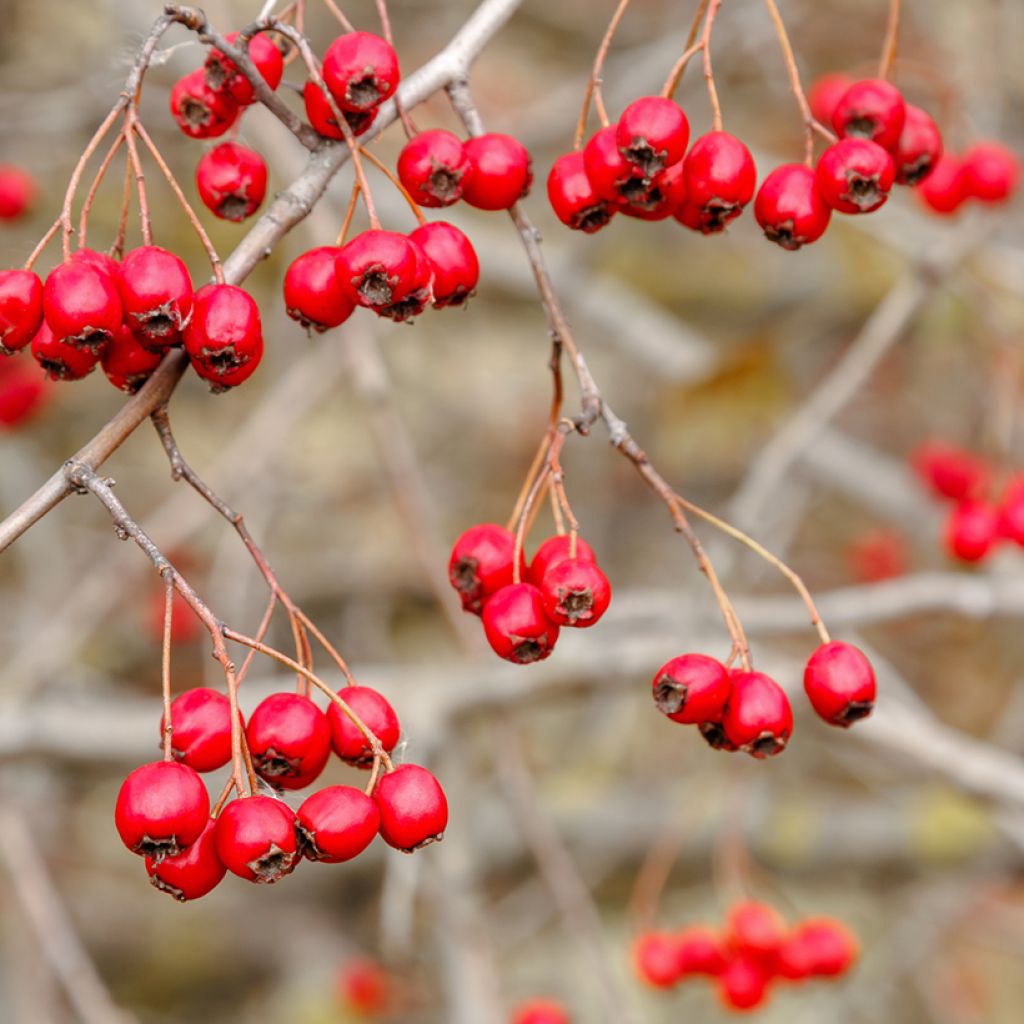
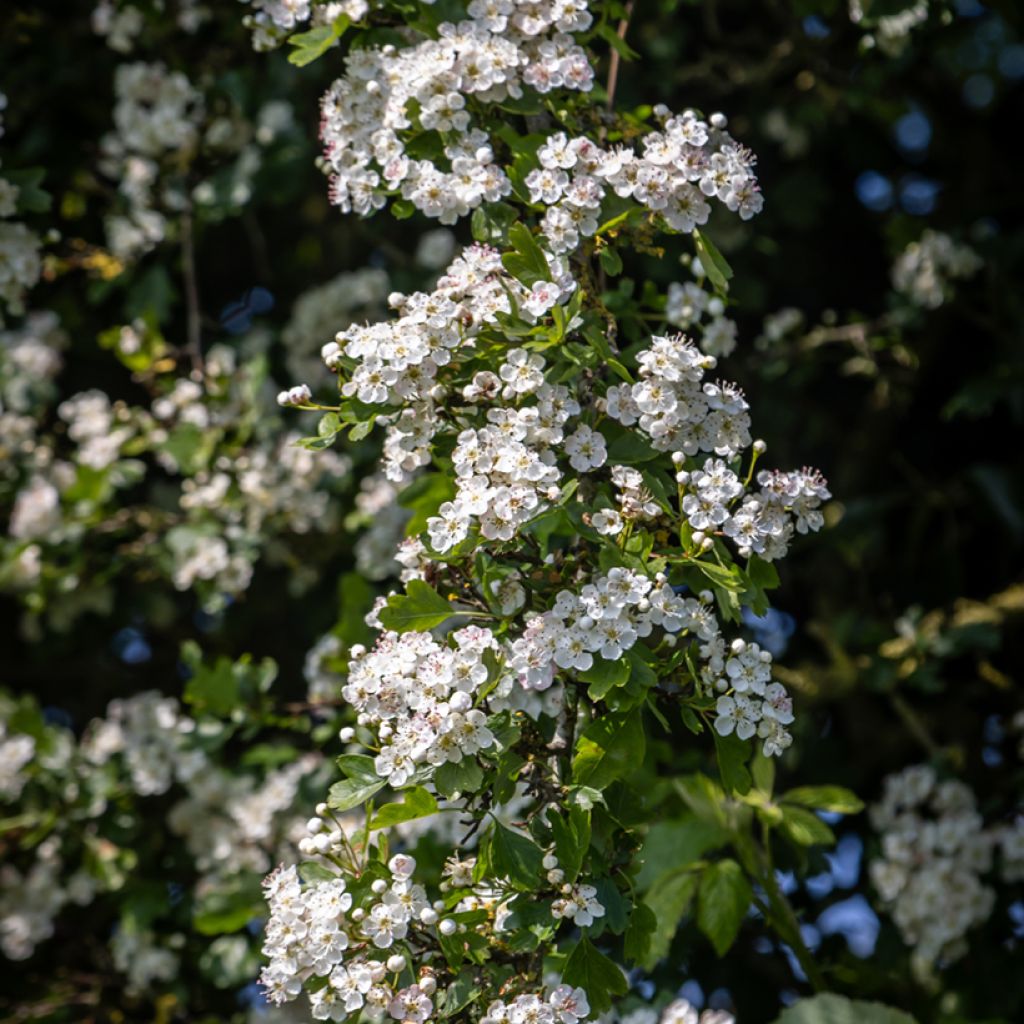
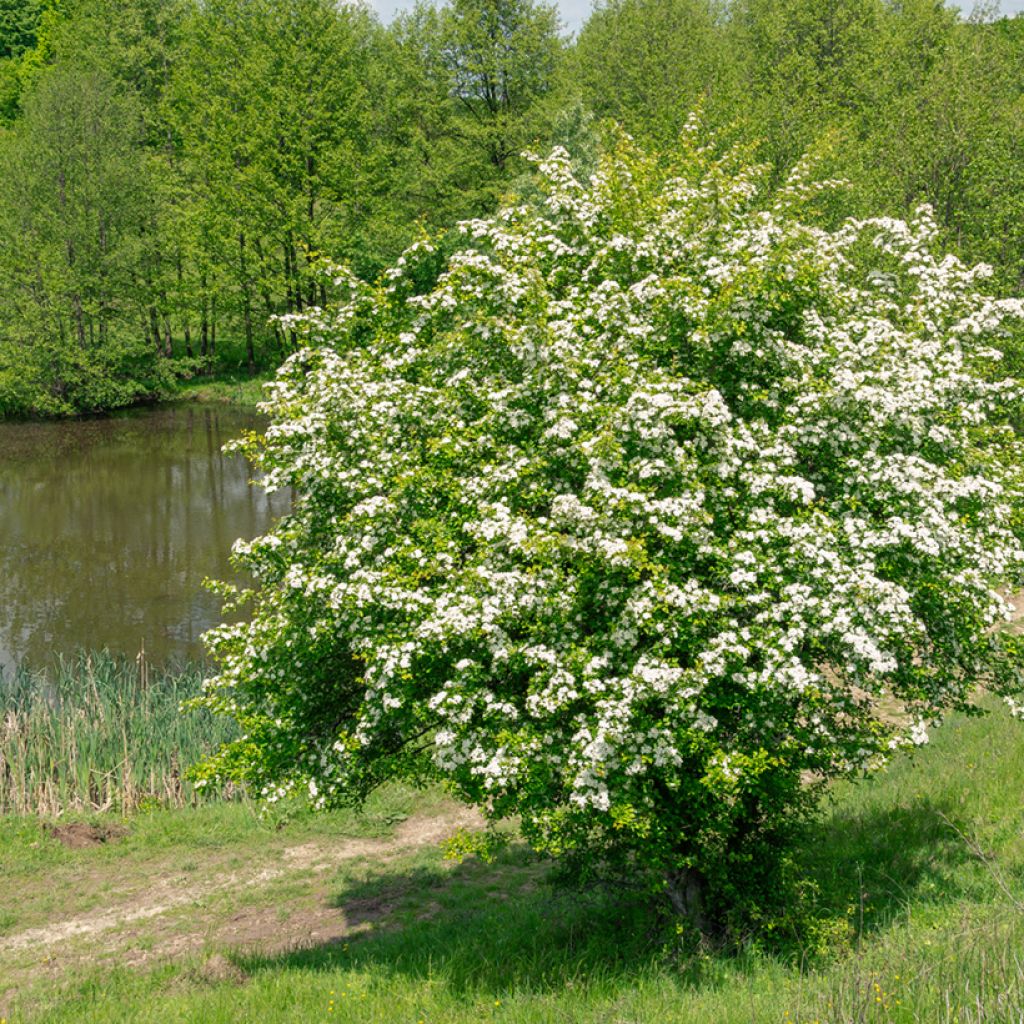
Sowing hawthorn seeds allows you to propagate Crataegus monogyna, commonly known as Common Hawthorn or Maythorn. This deciduous bush or small tree, with its rounded crown, is valued for both its ornamental appeal and hardiness. Its white spring flowering brightens the landscape and attracts pollinators, while its red fruits, haws, delight birds in autumn. This resilient, native tree tolerates both cold and drought. Sow in autumn after cold stratification.
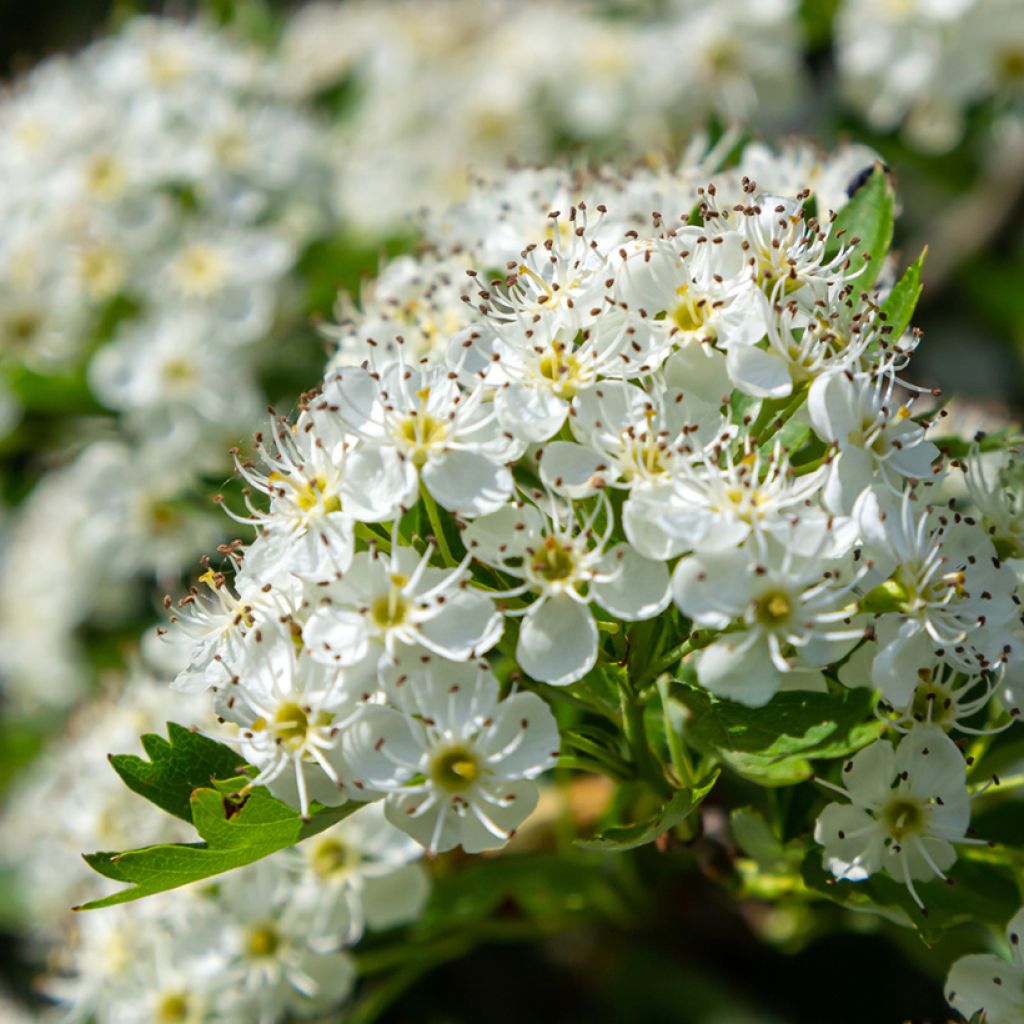
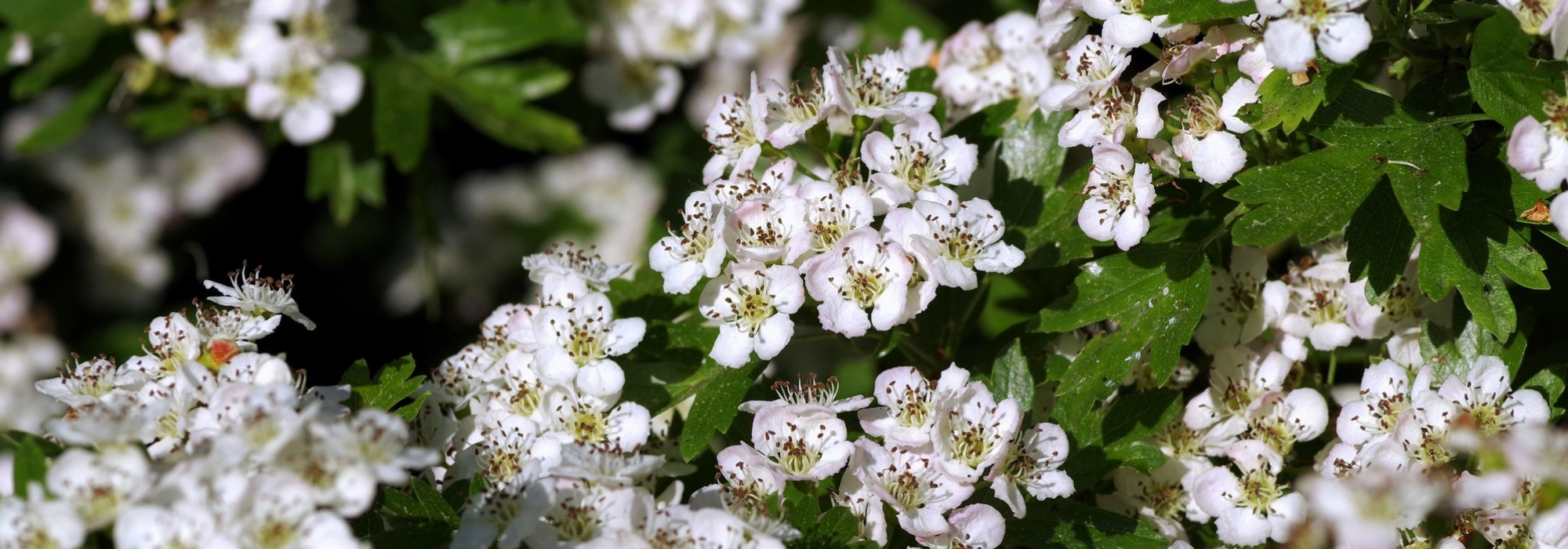
Native to Europe, Crataegus monogyna, also called Crataegus oxyacantha var. praecox, belongs to the Rosaceae family. It is also known by many common names: Single-seeded Hawthorn, Common Hawthorn, Maythorn, Whitethorn, Noble Thorn, Bird’s Pear, and Haw. In the countryside, Crataegus monogyna colonises woodland edges, open woods, and meadows. This tree can live for 500 years and reach up to 10 metres in height. In gardens, over a few years, Crataegus monogyna grows 4 to 7 metres tall and 6 to 8 metres wide. Its bark is initially grey, then turns dark brown and scaly, covering a trunk that often becomes knobbly over time. Its short, thorny, deep purple branches contribute to its role as a natural defence in hedgerows. Its toothed leaves, composed of 5 to 7 lobes, resemble miniature maple leaves. They measure 2 to 5 cm long, are ovate and bright light green with a whitish underside. The leaf veins are divergent. In autumn, they turn golden yellow before falling. The flower corollas consist of 5 rounded petals and numerous stamens with light pink anthers that turn purple. The flowers measure 1 to 2 cm in diameter. In September-October, spherical, red, single-stoned fruits called "haws" appear, measuring 6 to 10 mm long.
The highly adaptable Common Hawthorn thrives in sunny or partially shaded locations and tolerates chalky and poor soils well. Hardy down to -25°C, it requires little maintenance. In an informal or clipped hedge, it forms an impenetrable barrier, ideal for biodiversity and protecting small wildlife. In a garden, it pairs well with countryside bushes such as Blackthorn (Prunus spinosa), Hazel (Corylus avellana), or Dog Rose (Rosa canina). Also consider Dogwoods (Cornus sanguinea) or Field Maples (Acer campestre), which share its preference for well-drained soils.
Crataegus monogyna - Hawthorn seeds in pictures
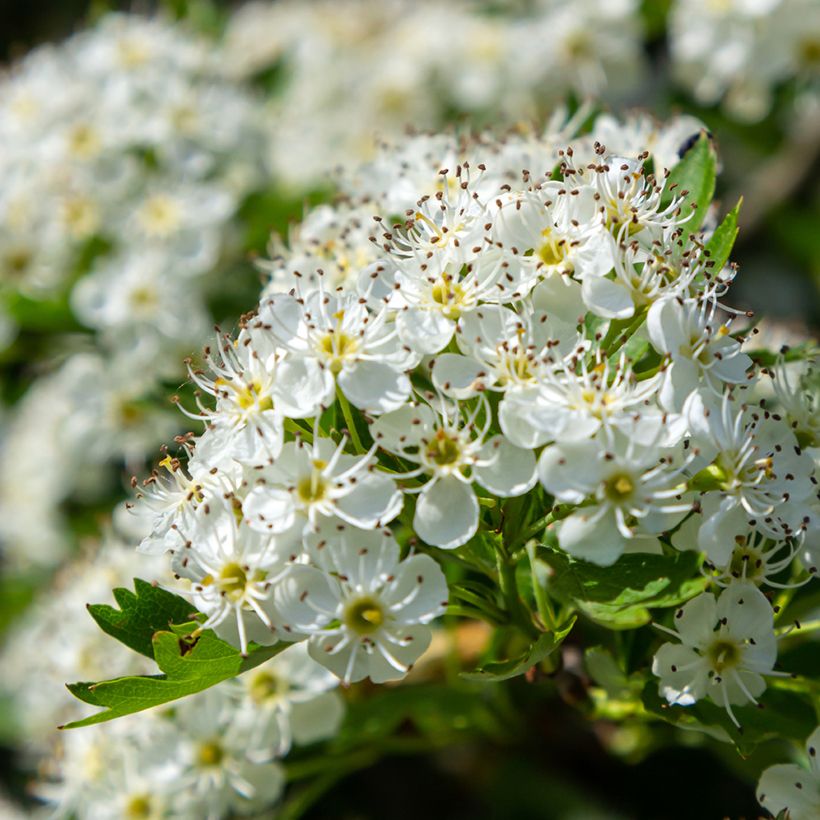
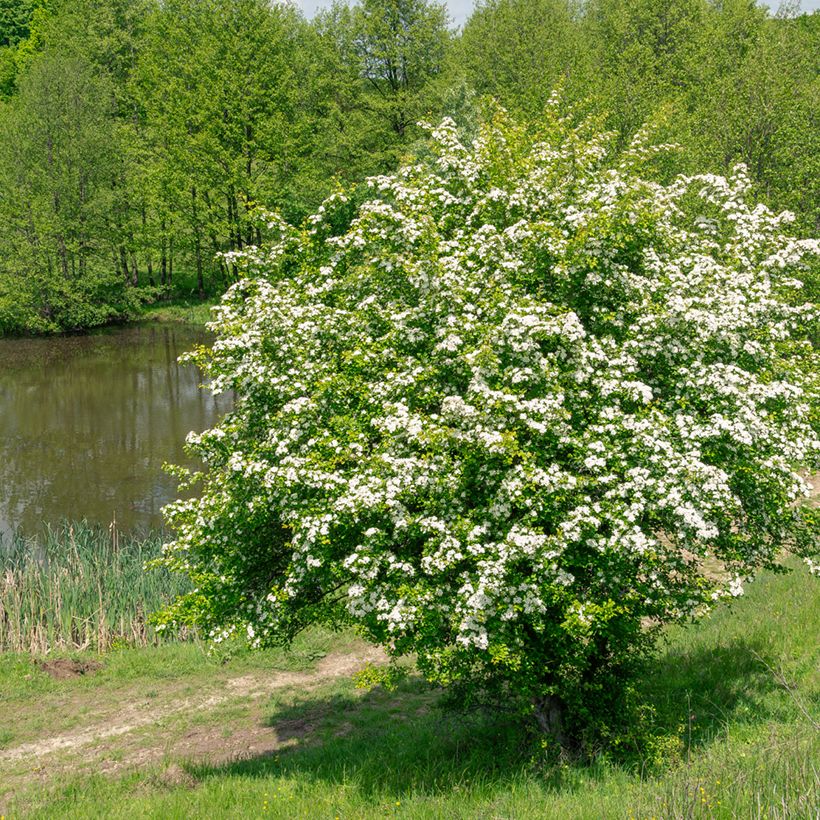
Flowering
Foliage
Plant habit
Botanical data
Crataegus
monogyna
Rosaceae
Hawthorn
Crataegus oxyacantha var. praecox
Western Europe, Central Europe
Planting and care
The seeds of Crataegus monogyna have a natural dormancy that requires cold stratification to break. To speed up the process, soak them in water at room temperature for 48 hours to soften their outer coat. They should then be placed in a moist substrate, such as a mix of sand and peat, and kept in the refrigerator between 3°C and 5°C for about 5 months. This phase mimics winter conditions and prepares the seeds for germination.
Sow at around 20°C.
Once the stratification period is over, the seeds can be sown in spring in a well-draining substrate. For pot cultivation, it is advisable to use a light, sandy compost with good drainage to avoid excess moisture. Simply bury the seeds under 5 to 10 mm of substrate, then water lightly to maintain consistent moisture. In open ground, the soil should be loosened and enriched with compost if needed. The seeds should be spaced a few centimetres apart and covered with a thin layer of light soil or gravel.
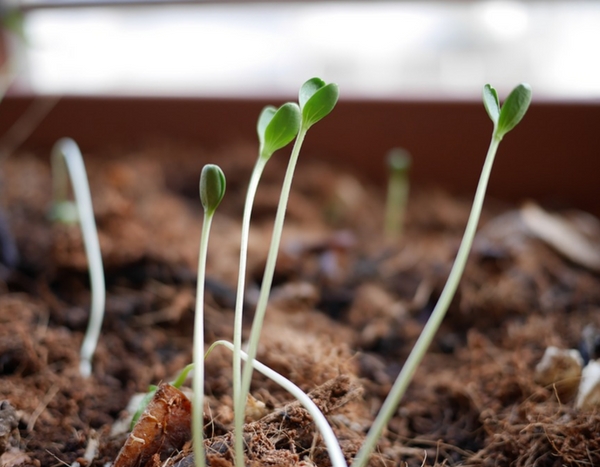
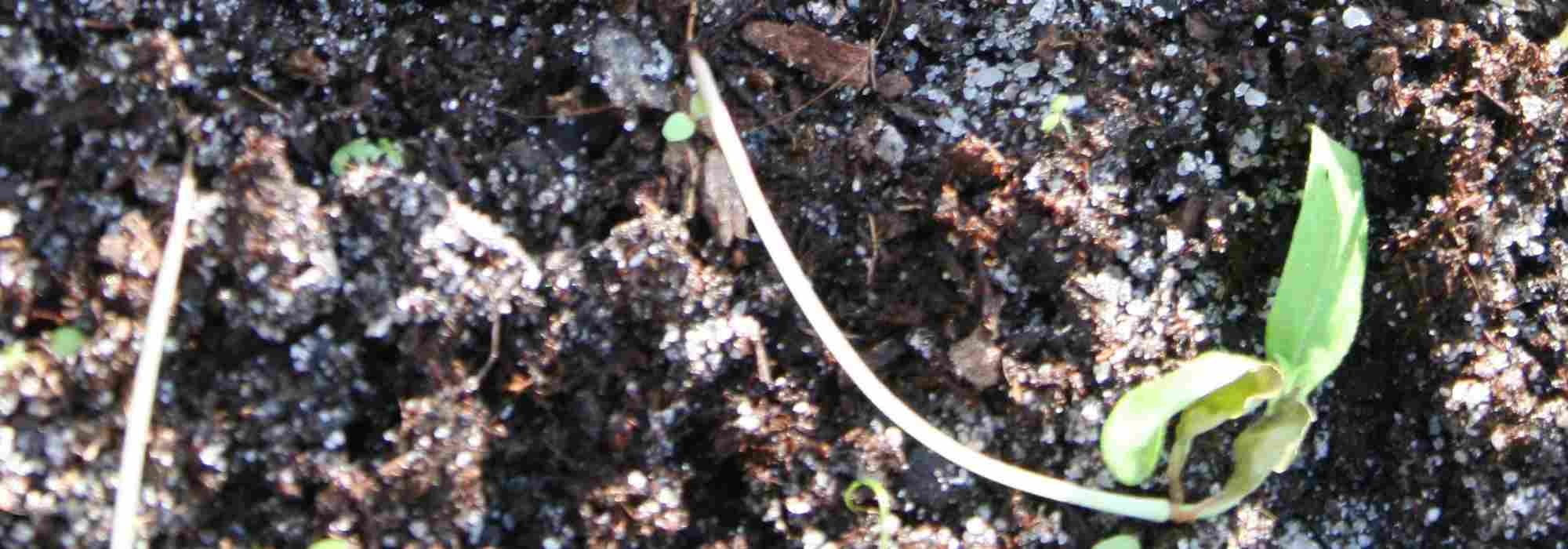
Germination can be slow and irregular, with some seeds sprouting in the first year while others may take longer. It is important to protect the sowings from birds and rodents by using a fleece or light mulch. The young plants should be cared for by maintaining adequate moisture, without overwatering, and can be transplanted after one or two years when they are sturdy enough to be permanently planted.
Sowing period
Intended location
Planting & care advice
-

-
-
-

-

-
-

-

This item has not been reviewed yet - be the first to leave a review about it.
Recently viewed products
Haven't found what you were looking for?
Hardiness is the lowest winter temperature a plant can endure without suffering serious damage or even dying. However, hardiness is affected by location (a sheltered area, such as a patio), protection (winter cover) and soil type (hardiness is improved by well-drained soil).

The flowering period indicated on our website applies to countries and regions located in USDA zone 8 (France, the United Kingdom, Ireland, the Netherlands, etc.)
It will vary according to where you live:- In zones 9 to 10 (Italy, Spain, Greece, etc.), flowering will occur about 2 to 4 weeks earlier.
- In zones 6 to 7 (Germany, Poland, Slovenia, and lower mountainous regions), flowering will be delayed by 2 to 3 weeks.
- In zone 5 (Central Europe, Scandinavia), blooming will be delayed by 3 to 5 weeks.
In temperate climates, pruning of spring-flowering shrubs (forsythia, spireas, etc.) should be done just after flowering.
Pruning of summer-flowering shrubs (Indian Lilac, Perovskia, etc.) can be done in winter or spring.
In cold regions as well as with frost-sensitive plants, avoid pruning too early when severe frosts may still occur.
The planting period indicated on our website applies to countries and regions located in USDA zone 8 (France, United Kingdom, Ireland, Netherlands).
It will vary according to where you live:
- In Mediterranean zones (Marseille, Madrid, Milan, etc.), autumn and winter are the best planting periods.
- In continental zones (Strasbourg, Munich, Vienna, etc.), delay planting by 2 to 3 weeks in spring and bring it forward by 2 to 4 weeks in autumn.
- In mountainous regions (the Alps, Pyrenees, Carpathians, etc.), it is best to plant in late spring (May-June) or late summer (August-September).
The harvesting period indicated on our website applies to countries and regions in USDA zone 8 (France, England, Ireland, the Netherlands).
In colder areas (Scandinavia, Poland, Austria...) fruit and vegetable harvests are likely to be delayed by 3-4 weeks.
In warmer areas (Italy, Spain, Greece, etc.), harvesting will probably take place earlier, depending on weather conditions.
The sowing periods indicated on our website apply to countries and regions within USDA Zone 8 (France, UK, Ireland, Netherlands).
In colder areas (Scandinavia, Poland, Austria...), delay any outdoor sowing by 3-4 weeks, or sow under glass.
In warmer climes (Italy, Spain, Greece, etc.), bring outdoor sowing forward by a few weeks.
Shipping country and language
Your country of residence may be:
Your country of residence is:
For a better user experience on our website, you can select:
Your shipping country:
-
 Austria
-
 Belgium
-
 Bosnia & Herzegovina
-
 Bulgaria
-
 Croatia
-
 Cyprus
-
 Czechia
-
 Denmark
-
 Estonia
-
 Finland
-
 France
-
 Germany
-
 Greece
-
 Hungary
-
 Iceland
-
 Ireland
-
 Italy
Italy
-
 Latvia
-
 Liechtenstein
-
 Lithuania
-
 Luxembourg
-
 Malta
Malta
-
 Netherlands
-
 Poland
-
 Portugal
-
 Romania
-
 Serbia
-
 Slovakia
-
 Slovenia
-
 Spain
Spain
-
 Sweden
-
 Switzerland
Language:
-
French
-
 English
-
Spanish
-
Italian
-
German
-
Portuguese
-
Dutch
-
Finnish
My Account
Hello
My wish lists
My cart
Log in / Register
Existing customer?
This form is protected by reCAPTCHA - the Google Privacy Policy and Terms of Service apply.
New customer?
Create an account to track your orders, access our customer service and, if you wish, make the most of our upcoming offers.