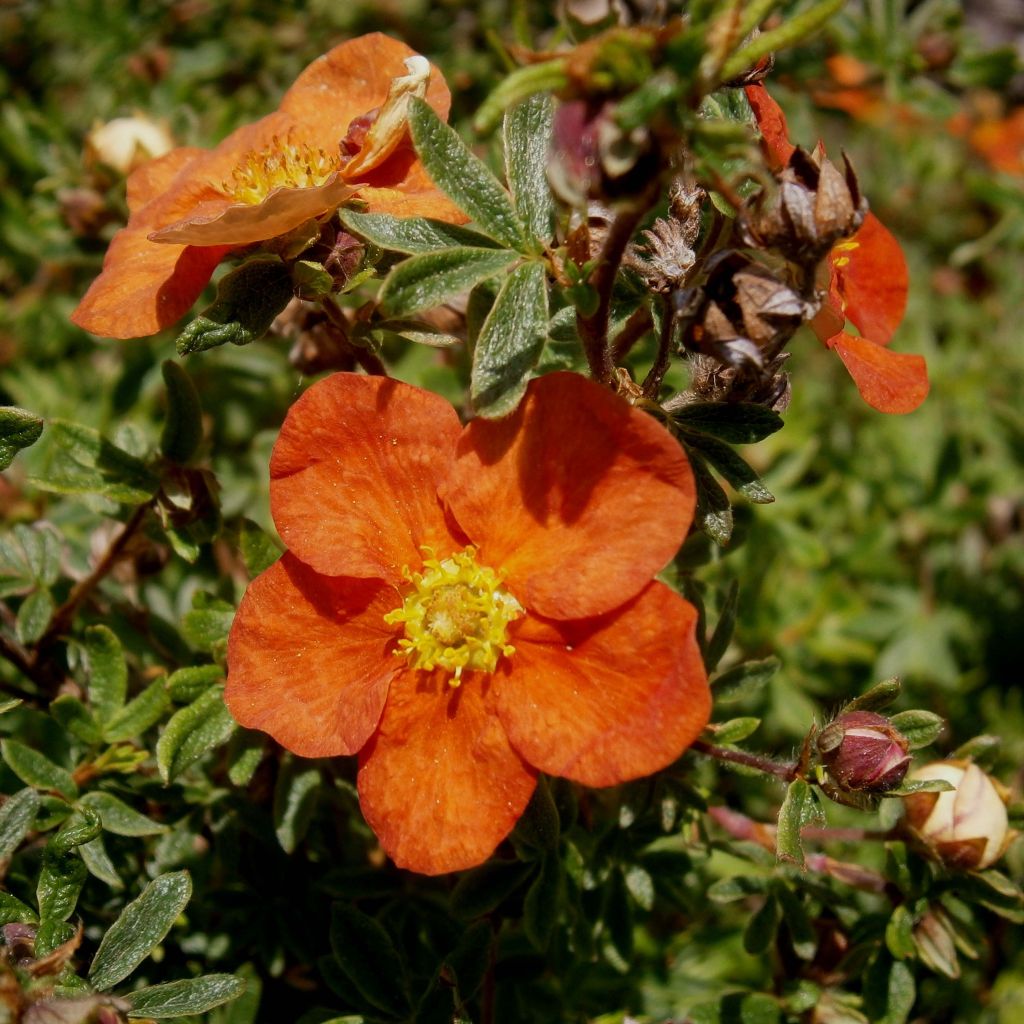
Potentilla fruticosa Red Ace - Shrubby Cinquefoil
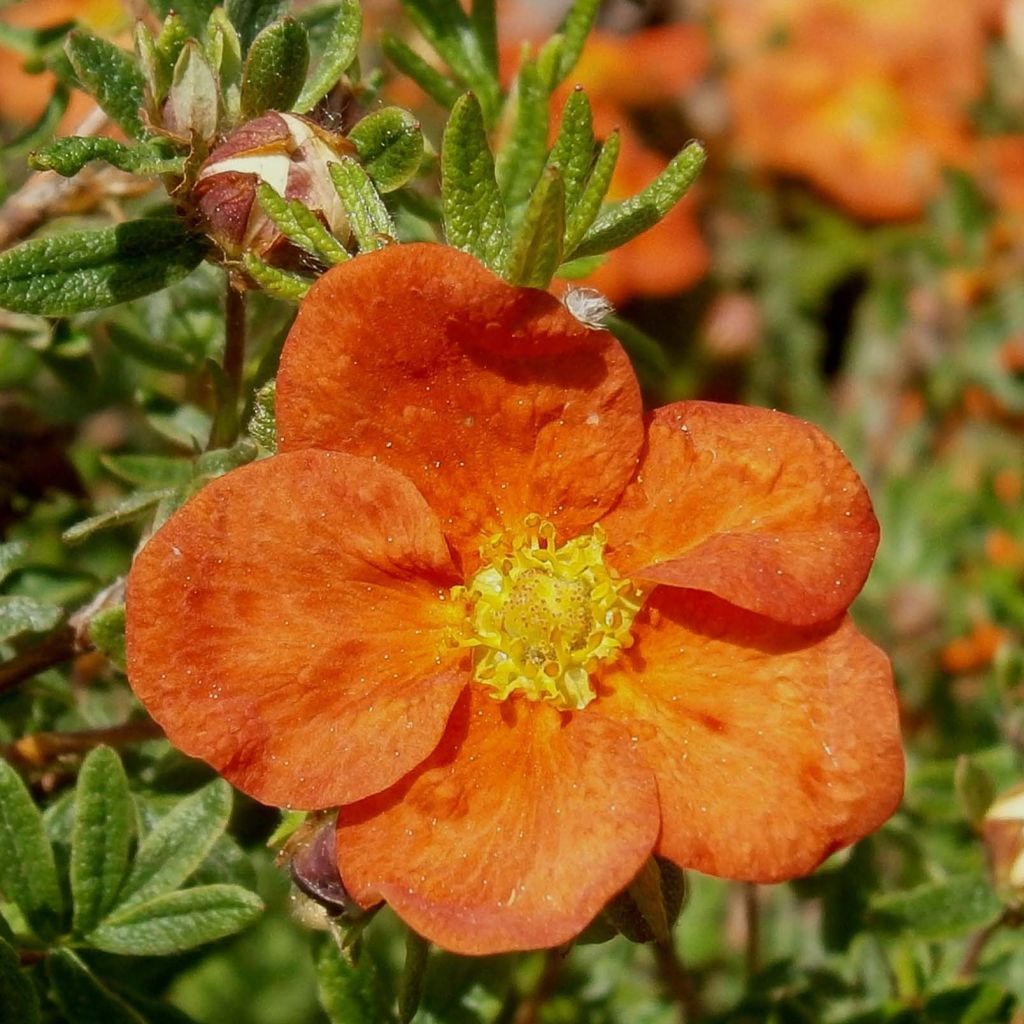
Potentilla fruticosa Red Ace - Shrubby Cinquefoil
Potentilla fruticosa Red Ace - Shrubby Cinquefoil
Potentilla fruticosa Red Ace
Shrubby cinquefoil, Golden hardhack, Hardhack, Prairie weed, Widdy
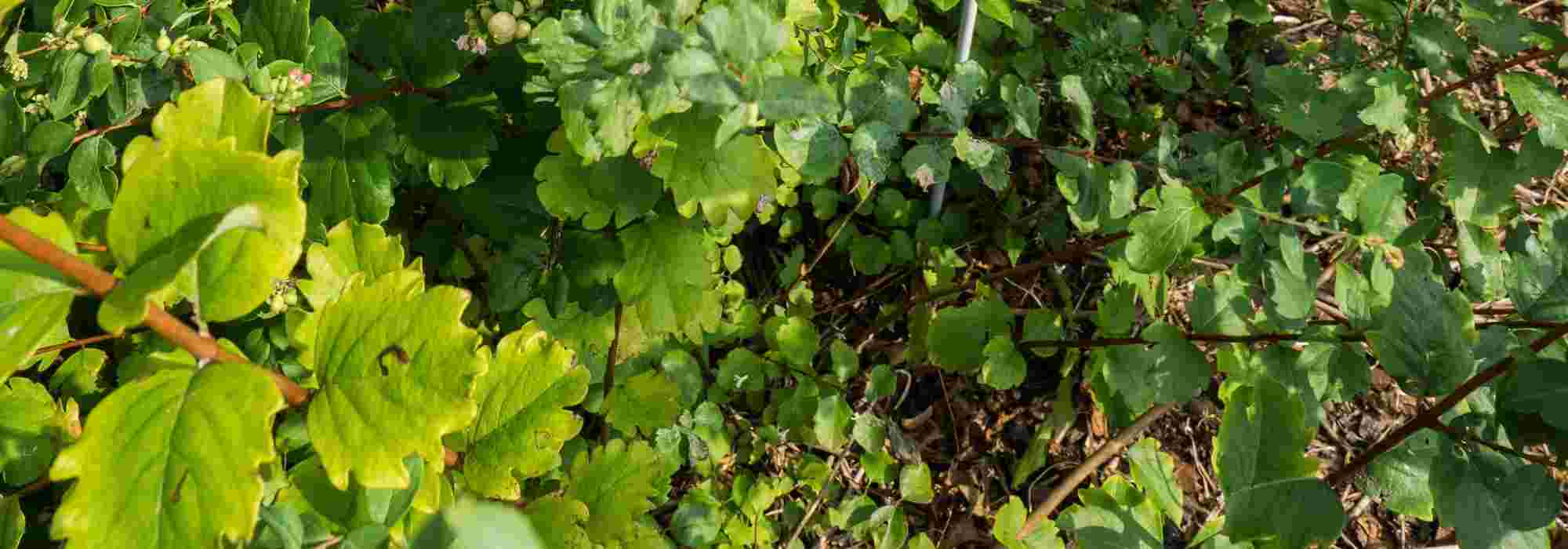
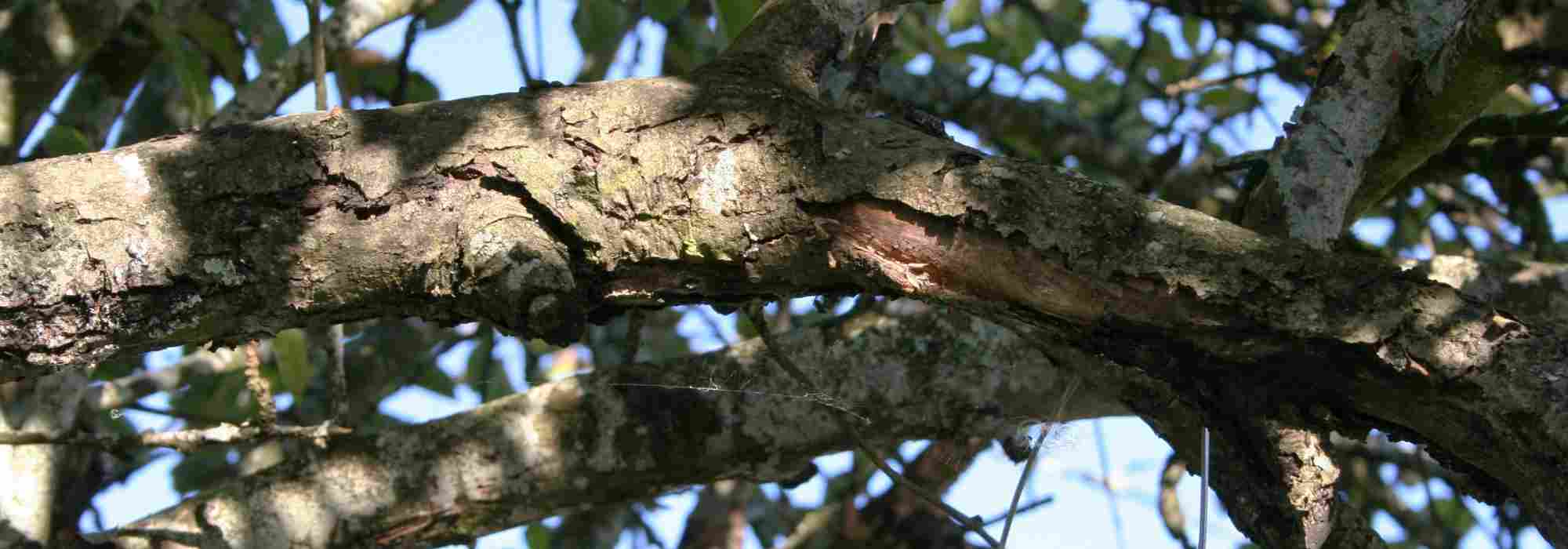
A plant that hardly gives me much hope for a good recovery. Unappealing appearance with blackened branches in the centre. Out of the 3 different plants in my order, none satisfy me. Until now, I have always been happy with my purchases, but now I am considering changing suppliers. Regrettable.
anne, 16/08/2025
Back-to-school special offer!
Get €10 off for every €50 you spend! And get up to €40 off on a single order.
How does it work?
1. Shop your favourites
Add your favourite plants to your basket. For every €50 you spend (excluding delivery charges, store credit and the plastic-free option), you’ll receive a €10 voucher.
€50 spent = €10 voucher
€100 spent = €20 voucher
€150 spent = €30 voucher
€200 spent = €40 voucher
2. Place your order
Once your basket reaches one of the spending thresholds, place your order. You can even choose your delivery date!
3. Receive your voucher
As soon as your order has been shipped, you’ll receive an email containing your personal voucher code and its value.
4. Use it on your next order
Your voucher is valid for 90 days from the date you receive it. It can be used once only, on a new order worth at least the value of the voucher, excluding delivery charges.
Please note: Vouchers can be combined with other offers, but cannot be split or refunded.
Home or relay delivery (depending on size and destination)
Important: You may be charged customs duties by your country’s customs authorities upon delivery.
Schedule delivery date,
and select date in basket
This plant carries a 24 months recovery warranty
More information
We guarantee the quality of our plants for a full growing cycle, and will replace at our expense any plant that fails to recover under normal climatic and planting conditions.
Would this plant suit my garden?
Set up your Plantfit profile →
Description
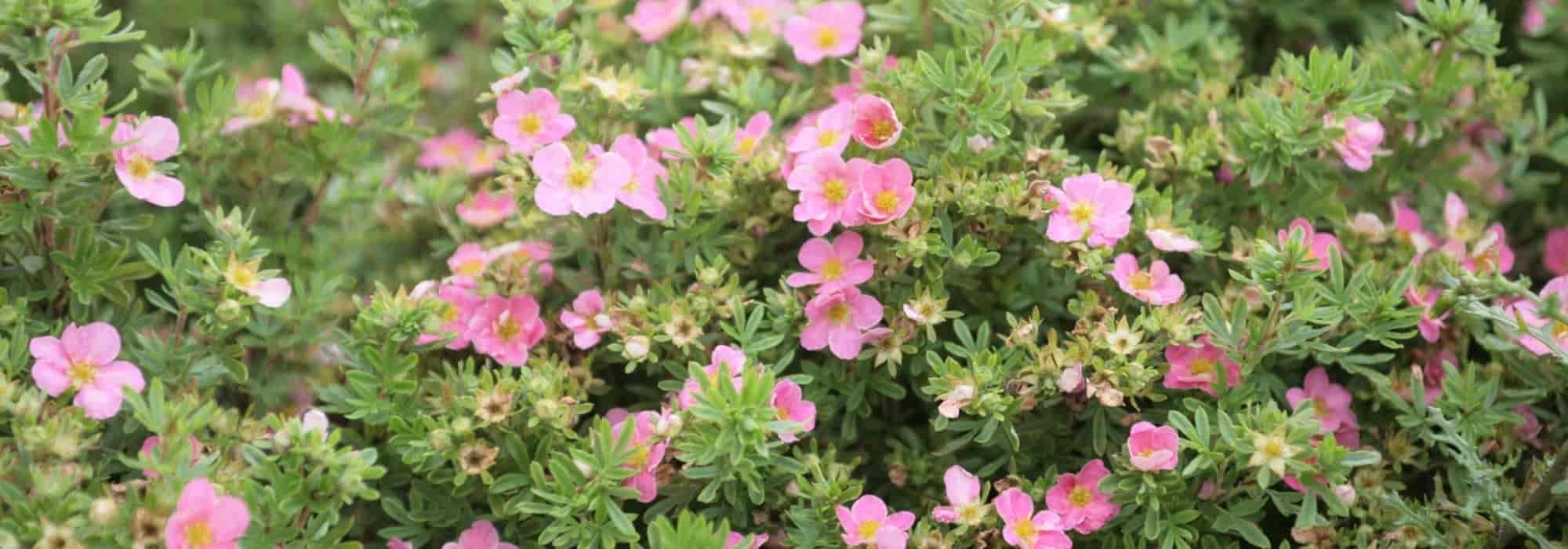
The Potentilla fruticosa 'Red Ace' is a variety of shrubby potentilla with a bushy spread and dense and compact habit, forming a beautifully flowered dome from June to the end of summer. The grey-blue, fine and dense deciduous foliage enhances a generous bicoloured flowering, in small cups of vermilion red with orange reverse. This two-tone effect is nicely accentuated by the fading of flowers exposed to full sun. This plant will bring a very cheerful touch to flowerbeds, rock gardens and balconies throughout a very long summer period! A charming flowering shrub, ideal for beginner gardeners!
Fruticosa potentillas are native to the northern hemisphere and belong to the rosaceae family. Potentilla fruticosa is a subshrub that has produced, with the help of breeders, many charming varieties. 'Red Ace' shows a slower growth than that of other varieties. Wider than it is tall, this shrub measures at maturity approximately 55cm (21.7in) in height and 90cm (35.4in) in spread. It forms a low and compact bush, with numerous highly branched basal branches. Its deciduous foliage consists of 3cm (1.2in) long, pinnate leaves with narrow leaflets which are grey-blue, turning yellow in autumn. This elegantly cut foliage is covered with a white down, giving it a silky and silvery appearance. Its delicate flowers, which resemble those of single-flowered roses, are cup-shaped, 2-3cm (0.8 - 1.2in) in diameter, with five bright red petals with orange reverse surrounding golden stamens. A colour that is truly bright and intense in partial shade. The abundant flowering starts in May-June and lasts until the first frost. It should be noted that the flowering is more intense at the beginning of summer and loses some of its vigour during the season.
Easy plants, generously flowered and beautifully coloured, potentillas are ideal for brightening up the garden or balcony, permanently and effortlessly. With their wild rose look and their very modest requirements they can be used in multiple ways: in flowerbeds, rock gardens, borders, low hedges, containers…
Place them at the front of your flowerbeds to quickly obtain brightly coloured flowerbeds, worthy of impressionist paintings. They blend beautifully with the blue flowers of perennial flax and wild chicory, and will have a beautiful effect in the company of Dahlias, German Iris, Yarrows or Rudbeckias. They will associate with Mediterranean plants, such as Lavender, Rosemary or Cistus, for a warm and fragrant atmosphere. For an architectural scene, their compact habit will perfectly match plants with a more slender or tousled appearance (Phormiums, Grasses, Euphorbias, Fennels). Ideally, plant on a slope or a rock garden if your garden soil is heavy and clayey, they can also be associated with dwarf or creeping Conifers.
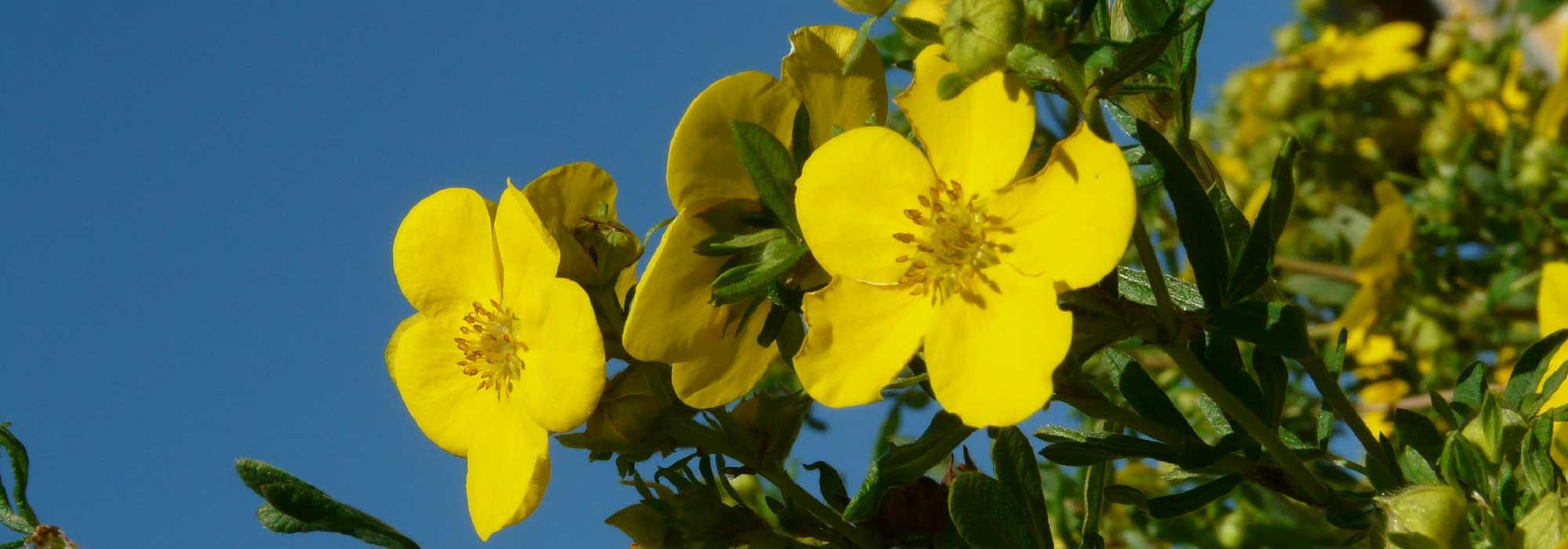
Potentilla fruticosa Red Ace - Shrubby Cinquefoil in pictures
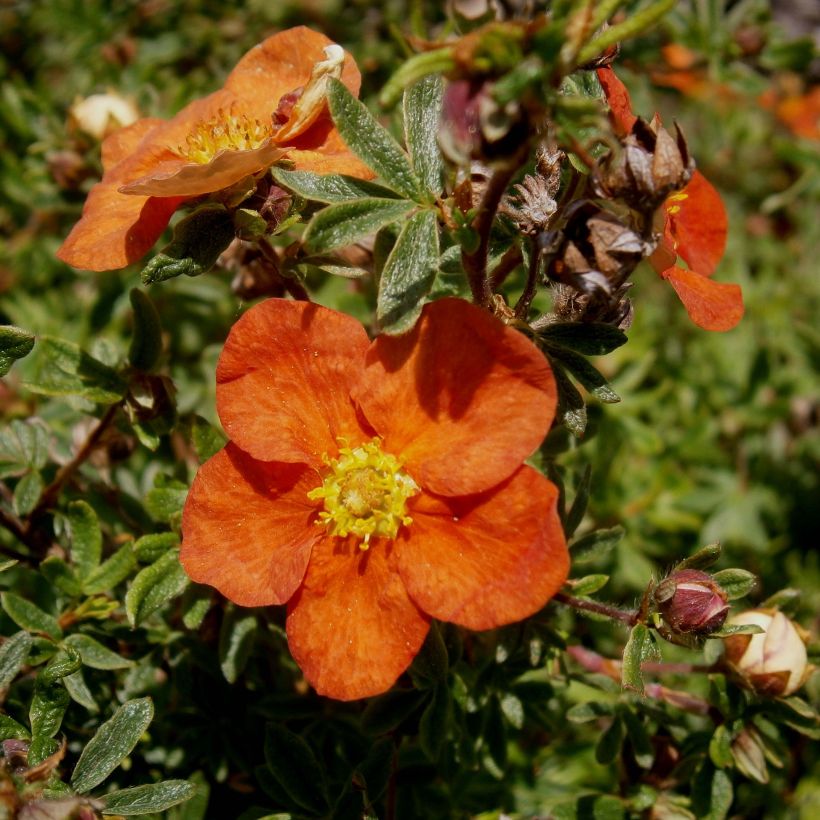
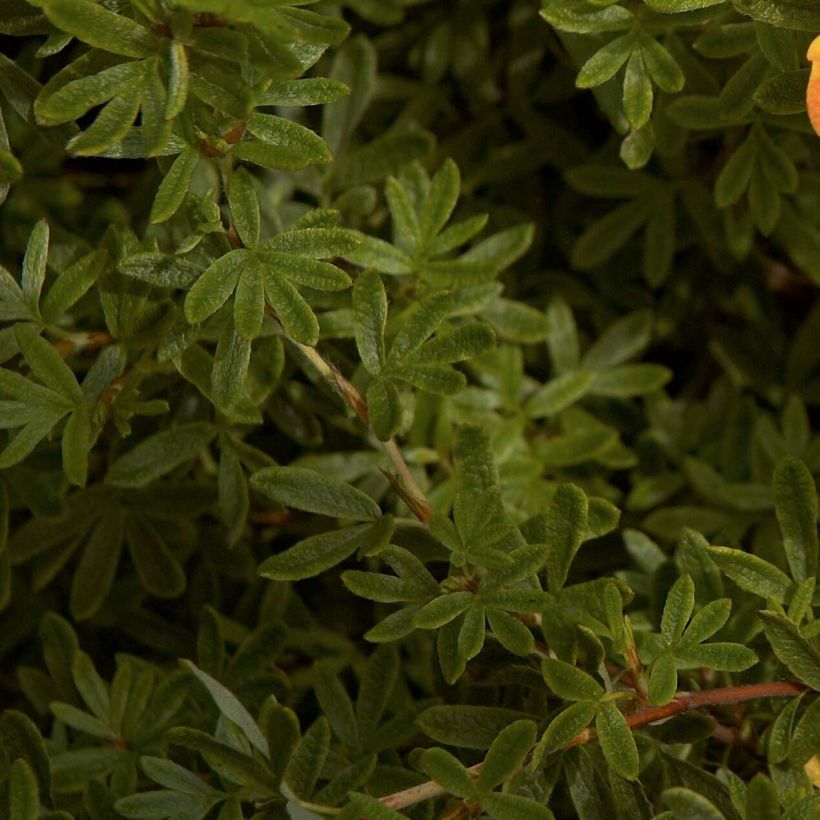
Plant habit
Flowering
Foliage
Botanical data
Potentilla
fruticosa
Red Ace
Rosaceae
Shrubby cinquefoil, Golden hardhack, Hardhack, Prairie weed, Widdy
Cultivar or hybrid
Planting and care
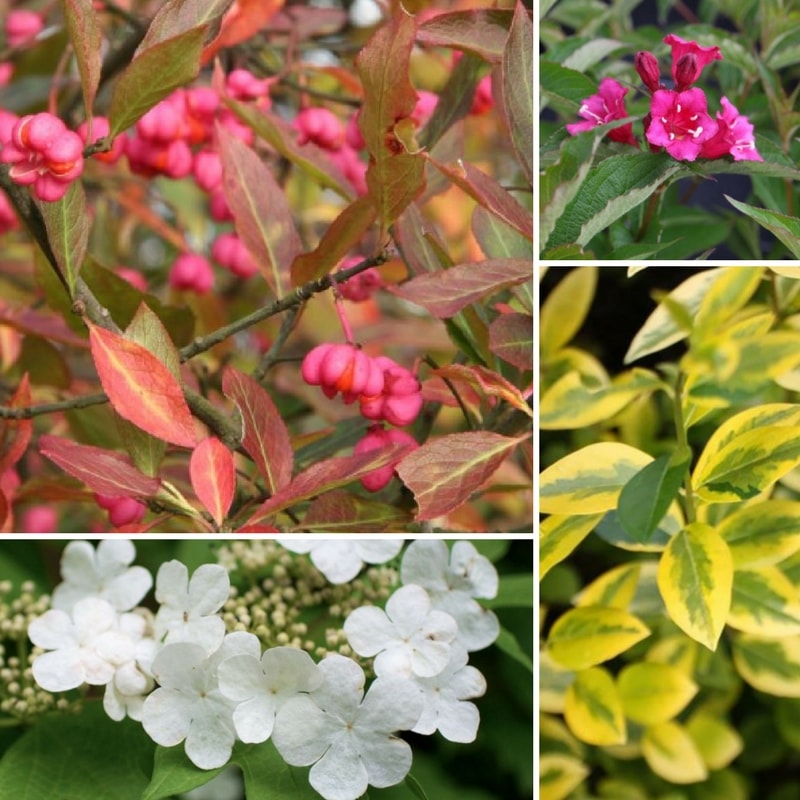
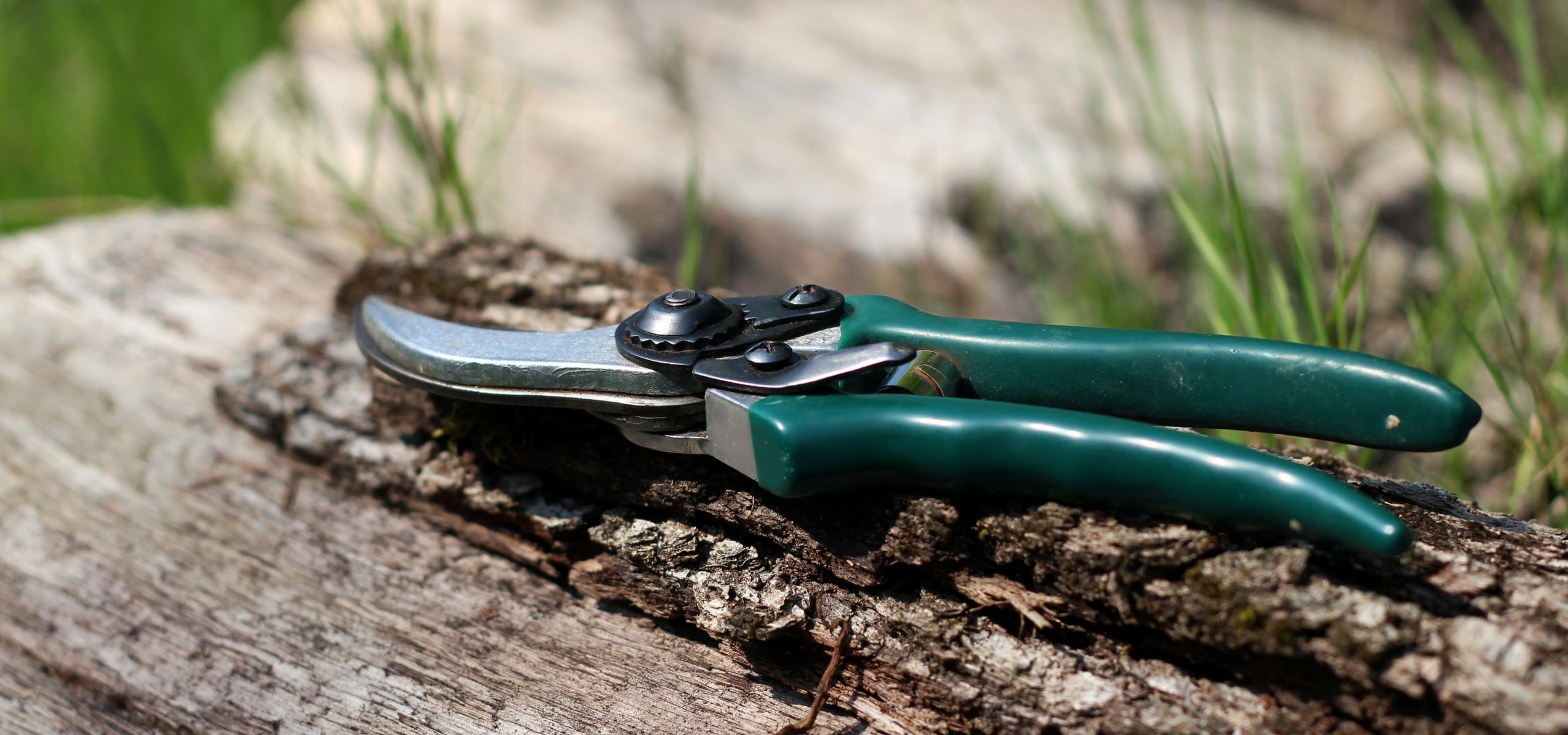
Very easy to grow, the Potentilla fruticosa 'Red Ace' is very hardy and can withstand very low temperatures (-20°C (68°F) to -25°C (77°F)). It prefers a sunny or semi-shaded exposure. Its only real requirement is an ordinary to chalky, poor, sandy or even rocky and well-drained soil. If planting in heavy or clayey soils, it is advisable to place it on a slope or a rockery to facilitate water drainage or lighten the soil at the time of planting by adding coarse sand and gravel to improve drainage. Another quality to add to its list of accolades is its good drought resistance. The shrubby potentilla does not require much maintenance. Flowering on this year's shoots, a simple annual pruning for rejuvenation is necessary. It is recommended to cut back old flowering stems by one-third just above a bud at the beginning of spring, in order to stimulate regrowth and maintain the beautifully bushy shape of your potentilla. It is also desirable to remove faded flowers as the season progresses, in order to prolong flowering.
Planting period
Intended location
Care
Planting & care advice
-

-
-

-
-
-

-
-
-
, onOrder confirmed
Reply from on Promesse de fleurs
Recently viewed products
Haven't found what you were looking for?
Hardiness is the lowest winter temperature a plant can endure without suffering serious damage or even dying. However, hardiness is affected by location (a sheltered area, such as a patio), protection (winter cover) and soil type (hardiness is improved by well-drained soil).

The flowering period indicated on our website applies to countries and regions located in USDA zone 8 (France, the United Kingdom, Ireland, the Netherlands, etc.)
It will vary according to where you live:- In zones 9 to 10 (Italy, Spain, Greece, etc.), flowering will occur about 2 to 4 weeks earlier.
- In zones 6 to 7 (Germany, Poland, Slovenia, and lower mountainous regions), flowering will be delayed by 2 to 3 weeks.
- In zone 5 (Central Europe, Scandinavia), blooming will be delayed by 3 to 5 weeks.
In temperate climates, pruning of spring-flowering shrubs (forsythia, spireas, etc.) should be done just after flowering.
Pruning of summer-flowering shrubs (Indian Lilac, Perovskia, etc.) can be done in winter or spring.
In cold regions as well as with frost-sensitive plants, avoid pruning too early when severe frosts may still occur.
The planting period indicated on our website applies to countries and regions located in USDA zone 8 (France, United Kingdom, Ireland, Netherlands).
It will vary according to where you live:
- In Mediterranean zones (Marseille, Madrid, Milan, etc.), autumn and winter are the best planting periods.
- In continental zones (Strasbourg, Munich, Vienna, etc.), delay planting by 2 to 3 weeks in spring and bring it forward by 2 to 4 weeks in autumn.
- In mountainous regions (the Alps, Pyrenees, Carpathians, etc.), it is best to plant in late spring (May-June) or late summer (August-September).
The harvesting period indicated on our website applies to countries and regions in USDA zone 8 (France, England, Ireland, the Netherlands).
In colder areas (Scandinavia, Poland, Austria...) fruit and vegetable harvests are likely to be delayed by 3-4 weeks.
In warmer areas (Italy, Spain, Greece, etc.), harvesting will probably take place earlier, depending on weather conditions.
The sowing periods indicated on our website apply to countries and regions within USDA Zone 8 (France, UK, Ireland, Netherlands).
In colder areas (Scandinavia, Poland, Austria...), delay any outdoor sowing by 3-4 weeks, or sow under glass.
In warmer climes (Italy, Spain, Greece, etc.), bring outdoor sowing forward by a few weeks.
Shipping country and language
Your country of residence may be:
Your country of residence is:
For a better user experience on our website, you can select:
Your shipping country:
-
 Austria
-
 Belgium
-
 Bosnia & Herzegovina
-
 Bulgaria
-
 Croatia
-
 Cyprus
-
 Czechia
-
 Denmark
-
 Estonia
-
 Finland
-
 France
-
 Germany
-
 Greece
-
 Hungary
-
 Iceland
-
 Ireland
-
 Italy
Italy
-
 Latvia
-
 Liechtenstein
-
 Lithuania
-
 Luxembourg
-
 Malta
Malta
-
 Netherlands
-
 Poland
-
 Portugal
-
 Romania
-
 Serbia
-
 Slovakia
-
 Slovenia
-
 Spain
Spain
-
 Sweden
-
 Switzerland
Language:
-
French
-
 English
-
Spanish
-
Italian
-
German
-
Portuguese
-
Dutch
-
Finnish
My Account
Hello
My wish lists
My cart
Log in / Register
Existing customer?
This form is protected by reCAPTCHA - the Google Privacy Policy and Terms of Service apply.
New customer?
Create an account to track your orders, access our customer service and, if you wish, make the most of our upcoming offers.