
Corn Tom Thumb Popcorn - Ferme de Sainte Marthe Seeds
Corn Tom Thumb Popcorn - Ferme de Sainte Marthe Seeds

Corn Tom Thumb Popcorn - Ferme de Sainte Marthe Seeds

Corn Tom Thumb Popcorn - Ferme de Sainte Marthe Seeds
Corn Tom Thumb Popcorn - Ferme de Sainte Marthe Seeds
Corn Tom Thumb Popcorn - Ferme de Sainte Marthe Seeds
Corn Tom Thumb Popcorn - Ferme de Sainte Marthe Seeds
Zea mays Pop-corn Tom Pouce
Sweet Corn
This is a seed packet, nothing extraordinary :)
Patricia F., 01/01/2019
Back-to-school special offer!
Get €10 off for every €50 you spend! And get up to €40 off on a single order.
How does it work?
1. Shop your favourites
Add your favourite plants to your basket. For every €50 you spend (excluding delivery charges, store credit and the plastic-free option), you’ll receive a €10 voucher.
€50 spent = €10 voucher
€100 spent = €20 voucher
€150 spent = €30 voucher
€200 spent = €40 voucher
2. Place your order
Once your basket reaches one of the spending thresholds, place your order. You can even choose your delivery date!
3. Receive your voucher
As soon as your order has been shipped, you’ll receive an email containing your personal voucher code and its value.
4. Use it on your next order
Your voucher is valid for 90 days from the date you receive it. It can be used once only, on a new order worth at least the value of the voucher, excluding delivery charges.
Please note: Vouchers can be combined with other offers, but cannot be split or refunded.
Home or relay delivery (depending on size and destination)
Important: You may be charged customs duties by your country’s customs authorities upon delivery.
Schedule delivery date
and select date in basket
This plant carries a 6 months recovery warranty
More information
We guarantee the quality of our plants for a full growing cycle, and will replace at our expense any plant that fails to recover under normal climatic and planting conditions.

Description
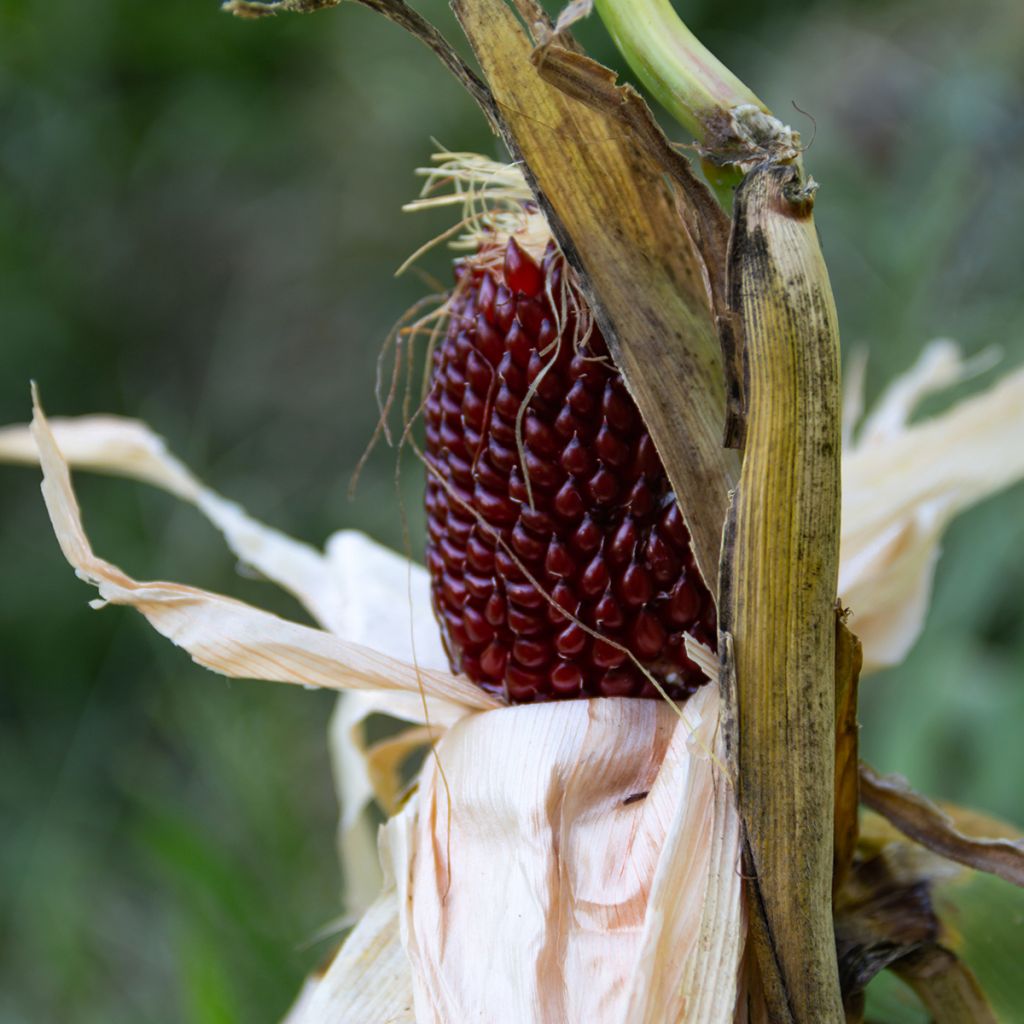
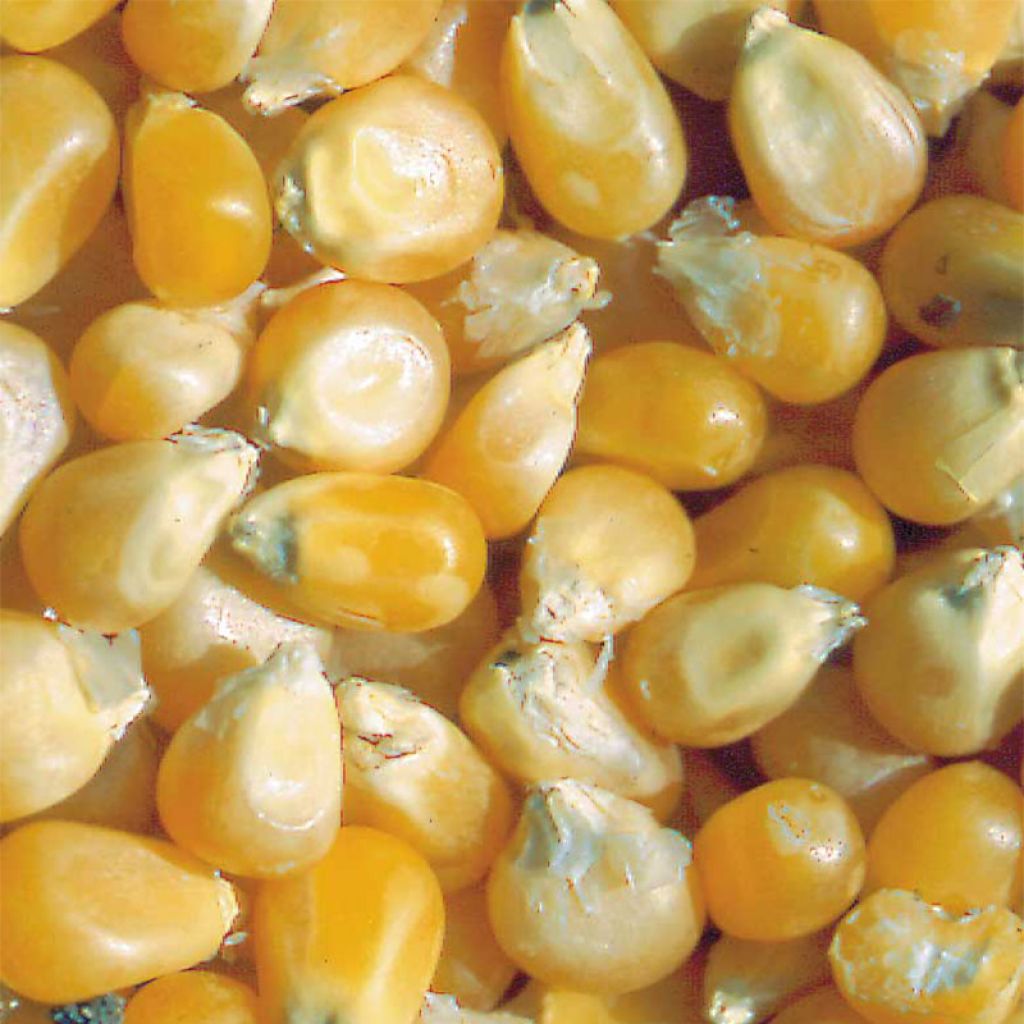
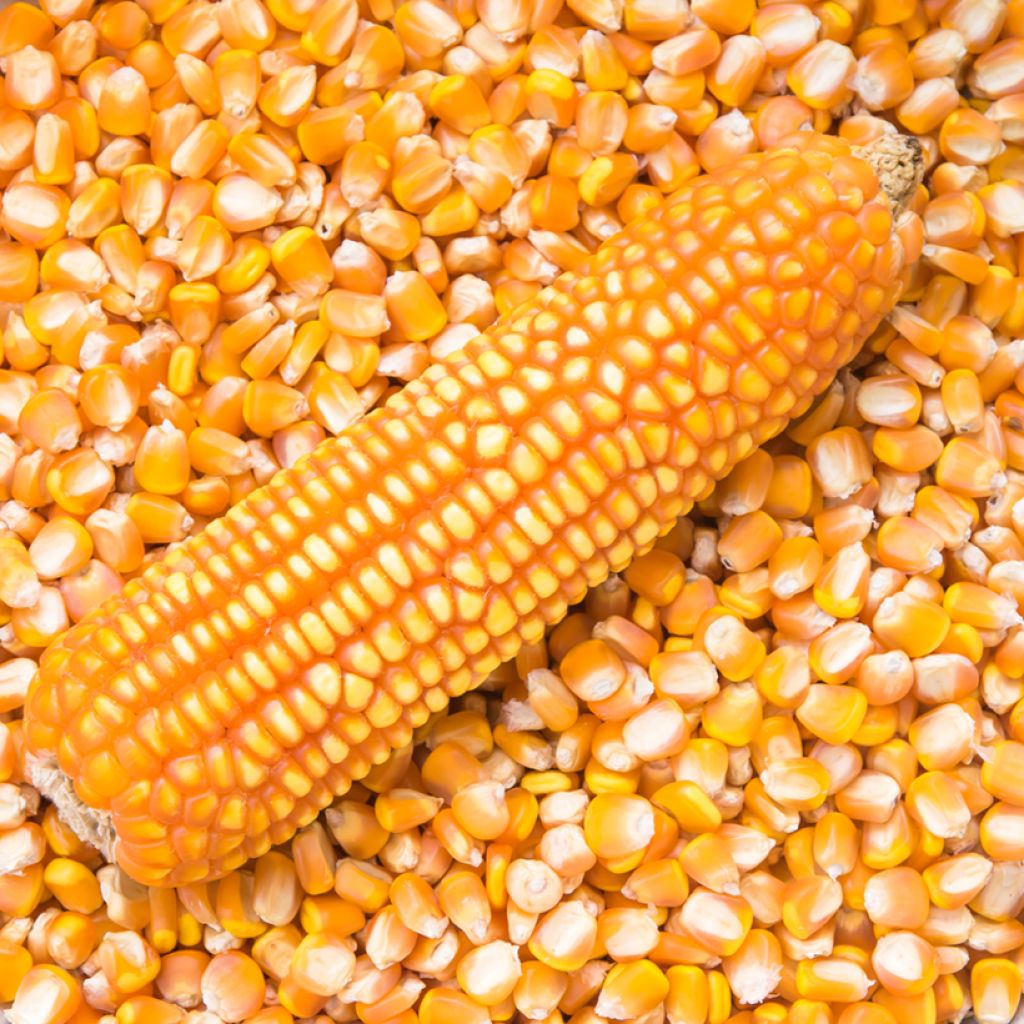
'Tom Thumb' Popcorn is an early-cropping dwarf variety that grows to 50 cm in height. Ideal for growing in pots! Each plant produces 2 ears. The dried kernels are perfect for making popcorn. Sow in May and harvest from August to October.
Corn (Zea mays) or maize belongs to the Gramineae family alongside wheat, barley and rice. It is highly nutritious, containing more protein and five times more fibre than rice. It is also an excellent source of B vitamins, vitamin C, minerals and trace elements. It has a low glycemic index.
Corn likes deep, light, cool soil that is rich in organic matter. It is a heat-loving plant that needs plenty of sunshine to grow. It can be used to create attractive borders around your vegetable garden and individual plots whilst providing valuable shade for vegetables such as lettuces or cabbages.
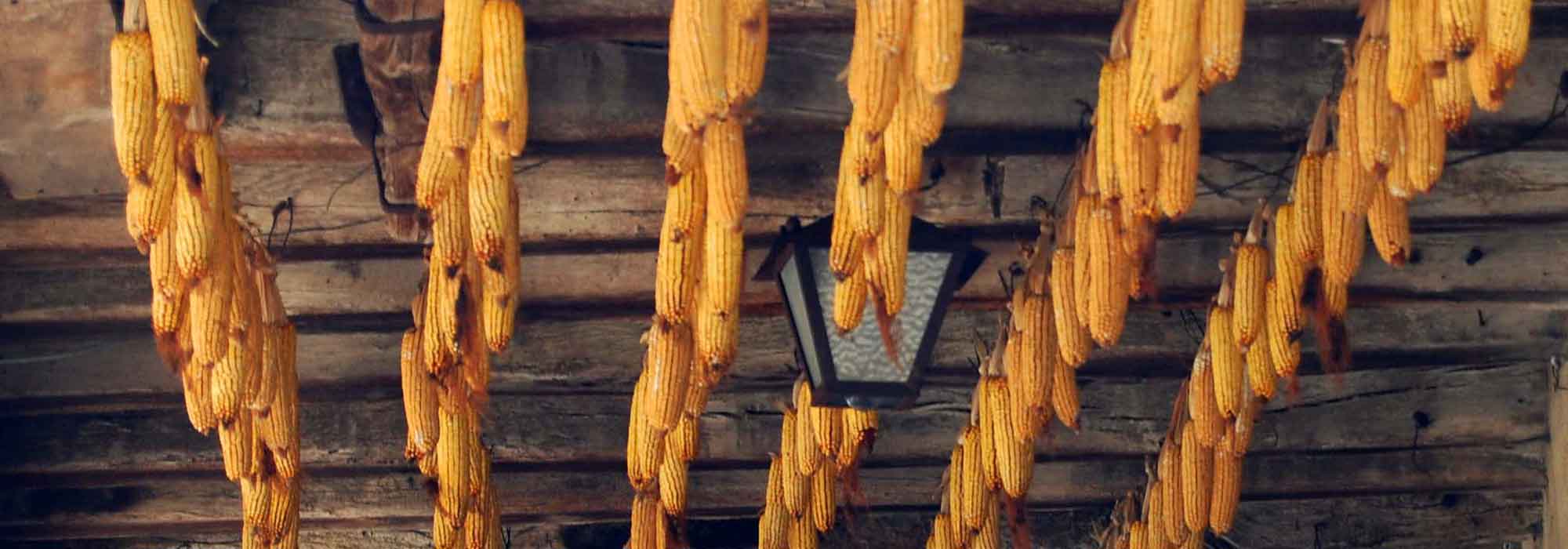
Harvesting: Corn is harvested about 3 months after sowing depending on the amount of sunshine and water it has received. The ears are ready to be picked when the silks start to turn brown and the kernels are well developed. Check for ripeness by piercing a kernel with your fingernail – it should be tender and milky.
Storing: after harvesting, remove the green husk that is wrapped around the ear. Use quickly, the fresher the better! Corn can also be cooked and frozen or preserved in jars for later use.
Good to know: Traditionally, maize crops were grown alongside squash and bean plants in Central and South America in a system known as Milpa agriculture. Beans would enrich the soil with nitrogen, squash plants would act as ground cover and maize plants would provide support for the beans to scramble up. Start out by sowing your maize plants. When they are about 10 cm tall, sow 2 bean seeds and 2 squash seeds around each young plant.
NB. Organic seeds (in French "AB" for "Agriculture Biologique") are produced from plants that aren't treated with phytosanitary products (insecticides, weed killers). The seeds do not undergo post-harvest treatment. They carry the AB label and are approved by Ecocert, an independent structure.
Harvest
Plant habit
Foliage
Botanical data
Zea
mays
Pop-corn Tom Pouce
Poaceae
Sweet Corn
Cultivar or hybrid
Annual
Planting and care
Corn Sowing:
Sow corn in full sun after soaking the seeds in warm water for 12 hours. In the garden, sow in May in well-warmed soil (at least 12°C). You can install a tunnel over early sowings until the temperatures warm up enough. You can start sowing in pots, indoors, as early as April, and plant them in May-June in the garden. Only sow one variety at a time, or two varieties with staggered flowering: corn hybridizes very easily and you would not harvest the sown variety. If your garden is less than 200 m from a cornfield, you will need to protect your crop during flowering.
To sow in rows, dig furrows 3 cm deep, spaced 70 cm apart. Sow thinly. After germination, thin to 25-30 cm on the row. If you only sow a small number of plants, sow them in a square rather than in one or two long rows, pollination will be better ensured.
To sow indoors, place 2-3 seeds per pot in seed compost, mixed with a little compost. Then plant the strongest seedling.
Corn Cultivation:
Corn likes rich soils: add manure or compost when preparing the soil, in the previous autumn, to enrich the area intended for sowing. The roots are shallow, so hoeing should be very superficial. To promote anchoring, hill up the corn when it reaches 20 cm, and then 40 cm in height. Water regularly if it doesn't rain (once a week), and cover the soil with mulch to retain moisture (grass clippings, straw...).
To facilitate pollination, when the female flowers (located two-thirds up the stem) turn beige, shake the plant. This way, the pollen from the male flower (located at the top of the stem) will fall onto the female flowers.
The corn borer caterpillar, a destructive moth of corn, sometimes burrows into the stems, causing them to break. As a preventive measure, grind up crop residues before using them (compost or mulch). Practice good crop rotation by not growing corn in the same plot for 3 or 4 years. In case of severe infestation, you can spray a solution of Bacillus thuringiensis.
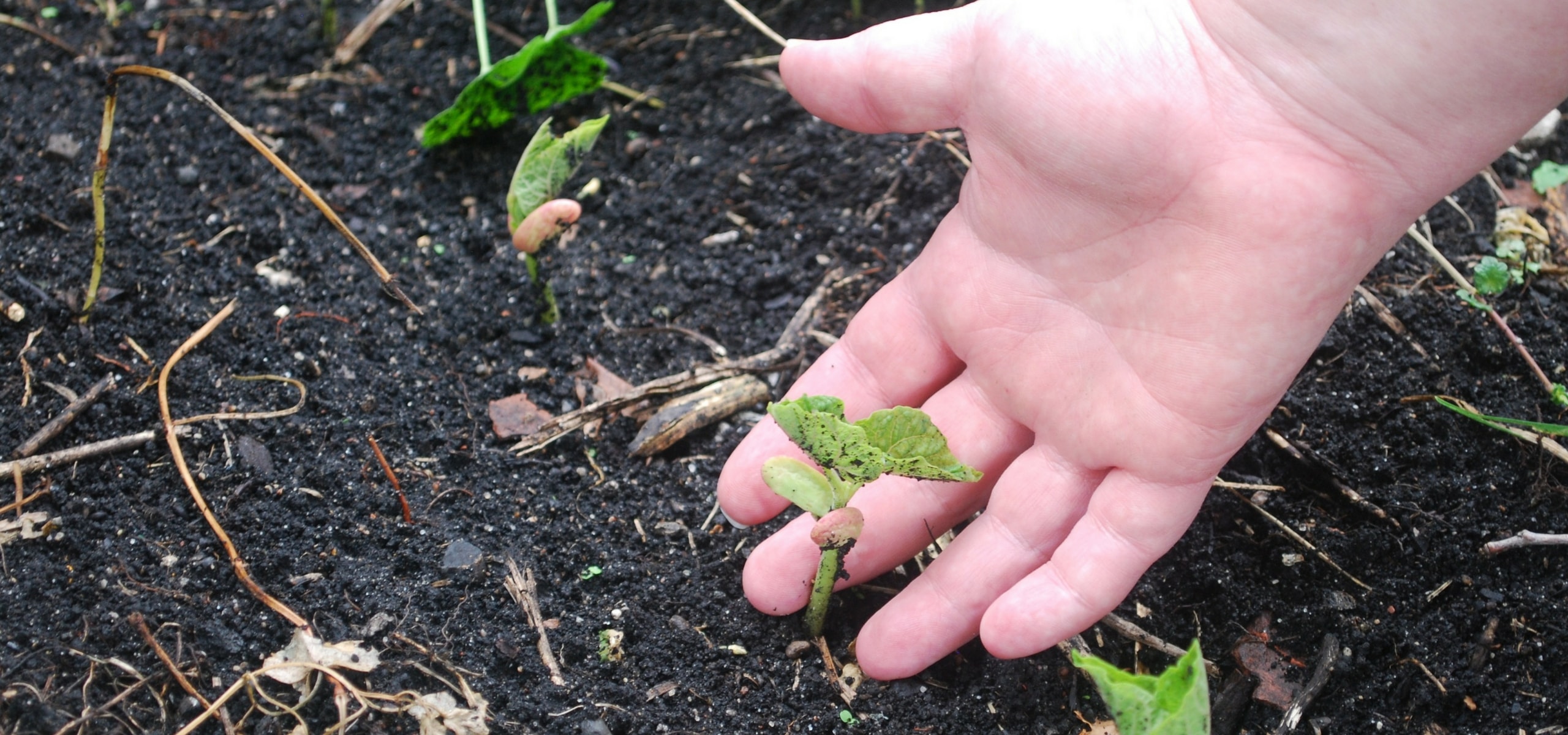
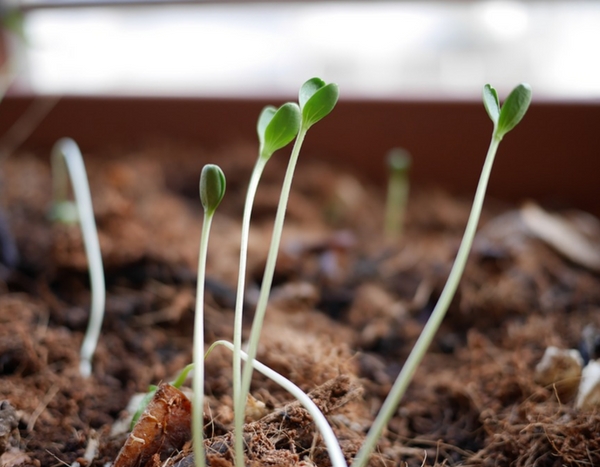
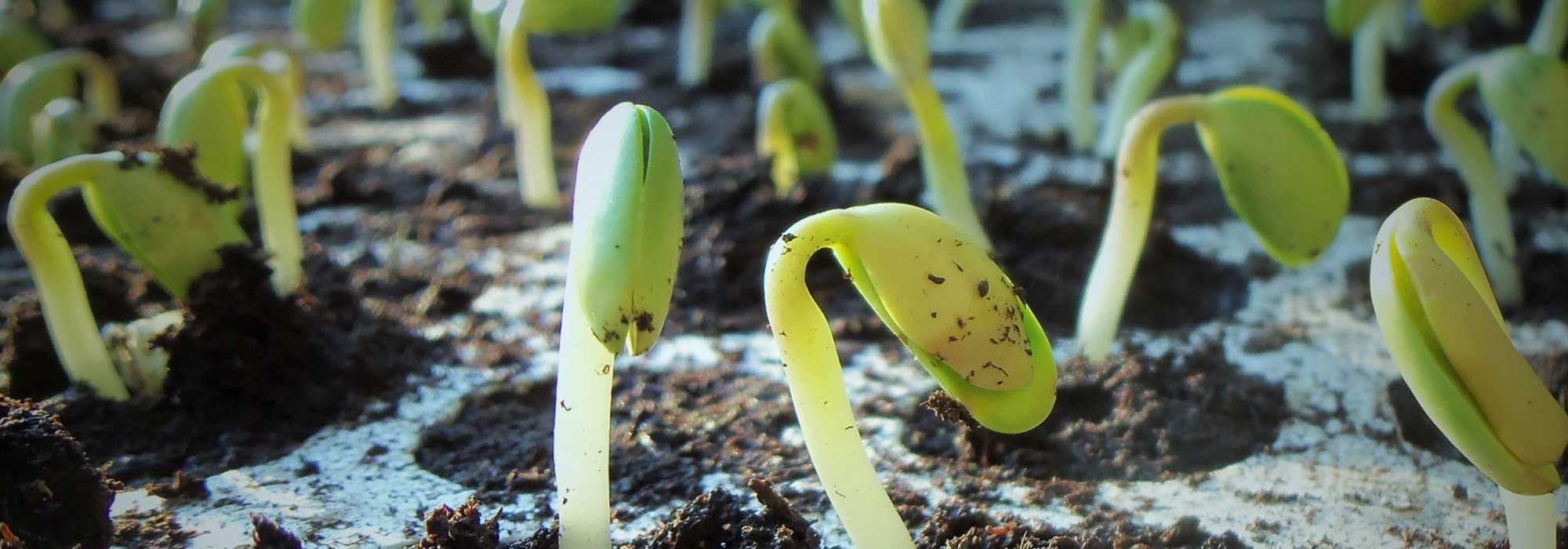
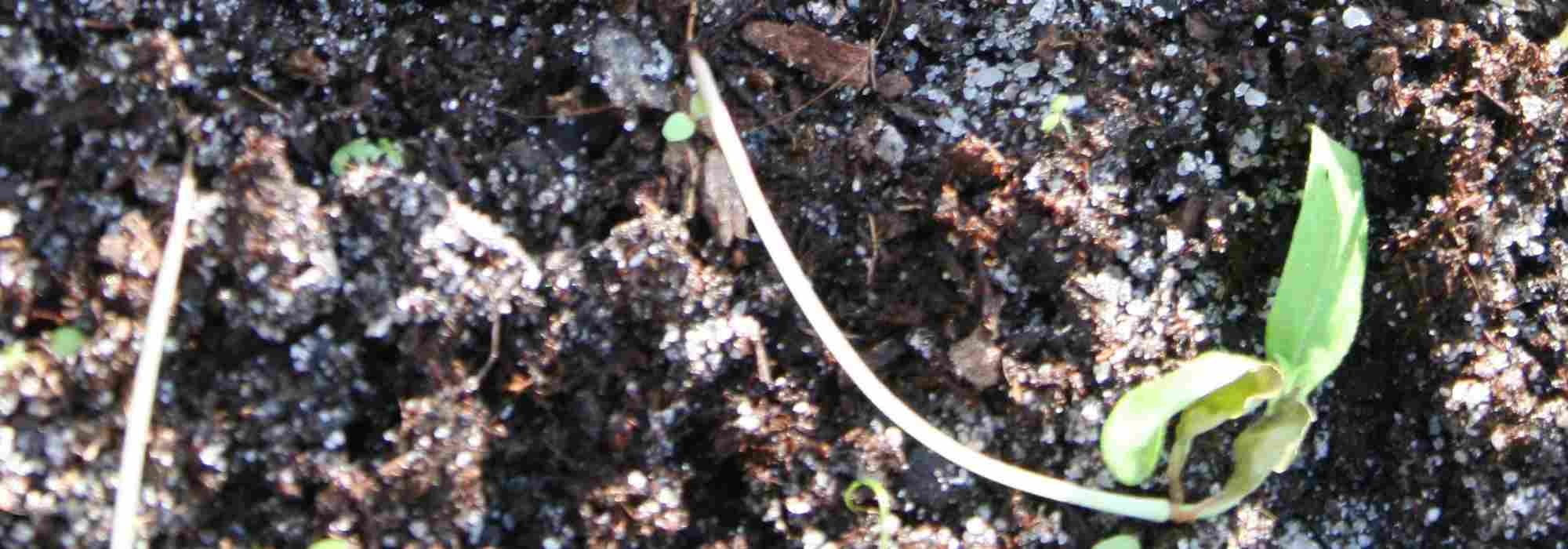
Seedlings
Care
Intended location
Planting & care advice
-

-

-

-
-
-
-
-

-
, onOrder confirmed
Reply from on Promesse de fleurs
Recently viewed products
Haven't found what you were looking for?
Hardiness is the lowest winter temperature a plant can endure without suffering serious damage or even dying. However, hardiness is affected by location (a sheltered area, such as a patio), protection (winter cover) and soil type (hardiness is improved by well-drained soil).

The flowering period indicated on our website applies to countries and regions located in USDA zone 8 (France, the United Kingdom, Ireland, the Netherlands, etc.)
It will vary according to where you live:- In zones 9 to 10 (Italy, Spain, Greece, etc.), flowering will occur about 2 to 4 weeks earlier.
- In zones 6 to 7 (Germany, Poland, Slovenia, and lower mountainous regions), flowering will be delayed by 2 to 3 weeks.
- In zone 5 (Central Europe, Scandinavia), blooming will be delayed by 3 to 5 weeks.
In temperate climates, pruning of spring-flowering shrubs (forsythia, spireas, etc.) should be done just after flowering.
Pruning of summer-flowering shrubs (Indian Lilac, Perovskia, etc.) can be done in winter or spring.
In cold regions as well as with frost-sensitive plants, avoid pruning too early when severe frosts may still occur.
The planting period indicated on our website applies to countries and regions located in USDA zone 8 (France, United Kingdom, Ireland, Netherlands).
It will vary according to where you live:
- In Mediterranean zones (Marseille, Madrid, Milan, etc.), autumn and winter are the best planting periods.
- In continental zones (Strasbourg, Munich, Vienna, etc.), delay planting by 2 to 3 weeks in spring and bring it forward by 2 to 4 weeks in autumn.
- In mountainous regions (the Alps, Pyrenees, Carpathians, etc.), it is best to plant in late spring (May-June) or late summer (August-September).
The harvesting period indicated on our website applies to countries and regions in USDA zone 8 (France, England, Ireland, the Netherlands).
In colder areas (Scandinavia, Poland, Austria...) fruit and vegetable harvests are likely to be delayed by 3-4 weeks.
In warmer areas (Italy, Spain, Greece, etc.), harvesting will probably take place earlier, depending on weather conditions.
The sowing periods indicated on our website apply to countries and regions within USDA Zone 8 (France, UK, Ireland, Netherlands).
In colder areas (Scandinavia, Poland, Austria...), delay any outdoor sowing by 3-4 weeks, or sow under glass.
In warmer climes (Italy, Spain, Greece, etc.), bring outdoor sowing forward by a few weeks.
Shipping country and language
Your country of residence may be:
Your country of residence is:
For a better user experience on our website, you can select:
Your shipping country:
-
 Austria
-
 Belgium
-
 Bosnia & Herzegovina
-
 Bulgaria
-
 Croatia
-
 Cyprus
-
 Czechia
-
 Denmark
-
 Estonia
-
 Finland
-
 France
-
 Germany
-
 Greece
-
 Hungary
-
 Iceland
-
 Ireland
-
 Italy
Italy
-
 Latvia
-
 Liechtenstein
-
 Lithuania
-
 Luxembourg
-
 Malta
Malta
-
 Netherlands
-
 Poland
-
 Portugal
-
 Romania
-
 Serbia
-
 Slovakia
-
 Slovenia
-
 Spain
Spain
-
 Sweden
-
 Switzerland
Language:
-
French
-
 English
-
Spanish
-
Italian
-
German
-
Portuguese
-
Dutch
-
Finnish
My Account
Hello
My wish lists
My cart
Log in / Register
Existing customer?
This form is protected by reCAPTCHA - the Google Privacy Policy and Terms of Service apply.
New customer?
Create an account to track your orders, access our customer service and, if you wish, make the most of our upcoming offers.