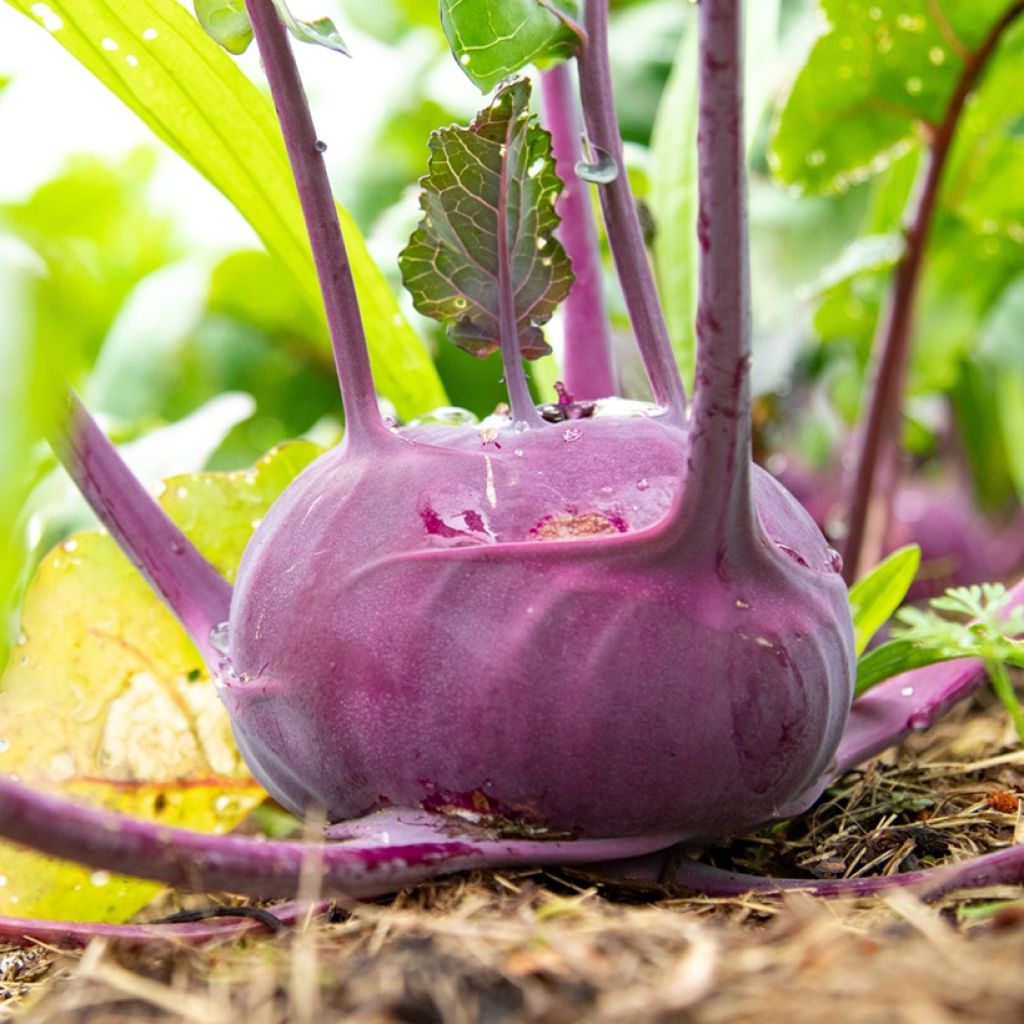
Kohlrabi Azur Star - Ferme de Ste Marthe Seeds
Kohlrabi Azur Star - Ferme de Ste Marthe Seeds
Brassica oleracea var. gongylodes Azur-Star
Cabbage turnip, German turnip
A good germination rate
Mylène B., 17/09/2020
Back-to-school special offer!
Get €10 off for every €50 you spend! And get up to €40 off on a single order.
How does it work?
1. Shop your favourites
Add your favourite plants to your basket. For every €50 you spend (excluding delivery charges, store credit and the plastic-free option), you’ll receive a €10 voucher.
€50 spent = €10 voucher
€100 spent = €20 voucher
€150 spent = €30 voucher
€200 spent = €40 voucher
2. Place your order
Once your basket reaches one of the spending thresholds, place your order. You can even choose your delivery date!
3. Receive your voucher
As soon as your order has been shipped, you’ll receive an email containing your personal voucher code and its value.
4. Use it on your next order
Your voucher is valid for 90 days from the date you receive it. It can be used once only, on a new order worth at least the value of the voucher, excluding delivery charges.
Please note: Vouchers can be combined with other offers, but cannot be split or refunded.
Home or relay delivery (depending on size and destination)
Important: You may be charged customs duties by your country’s customs authorities upon delivery.
Schedule delivery date,
and select date in basket
This plant carries a 6 months recovery warranty
More information
We guarantee the quality of our plants for a full growing cycle, and will replace at our expense any plant that fails to recover under normal climatic and planting conditions.

Description
Le chou-rave Azur Star est une variété mi - précoce qui offre de belles pommes violettes, tendres et goûteuses à la chair non ligneuse. Sa croissance est particulièrement rapide et il est résistant à la montée à graines. Semis de mars à juillet pour une récolte de juin à novembre.
Un peu tombé en désuétude car trop consommé pendant la guerre, le Chou-rave est un légume ancien qui réapparaît progressivement dans nos assiettes. Et c’est tant mieux car ce Chou un peu oublié regorge de qualités, tant gustatives que nutritives.
Parfois connu sous son nom allemand de Kohlrabi ou sous l’appellation de Colrave, le Chou-rave porte le nom latin de Brassica oleracea gongylodes et appartient à la grande famille des Brassicacées (ex Crucifères).
Originaire d’Europe, c’est une plante potagère dont on consomme la tige qui se renfle au niveau du sol jusqu’à former une boule de 6 à 20 cm de diamètre, garnie de grandes feuilles disposées en rosettes.
Ce légume d’apparence plutôt insolite, un brin cosmique, offre une saveur très fine, qui s’apparente un peu à la noisette. Il se consomme aussi bien cru que cuit, il est délicieux en salade, carpaccio ou cuit, glacé au miel ou en gratin. Les feuilles du Chou-rave sont également comestibles et peuvent entrer dans la composition de potages, au même titre que les feuilles de radis, par exemple.
D’un point de vu diététique, il est remarquable : il est peu calorique et très riche en vitamines C et B3, il contient également beaucoup de fibres et de minéraux comme le calcium.
Au Potager, la culture du Chou-Rave est assez facile. Il s’installe au soleil ou à mi-ombre, il est peu moins exigeant que la majorité des choux mais réclame néanmoins une bonne fumure de fond et une humidité régulière.
Récolte : il se récolte généralement de juillet à début novembre (75 jours après le semis en moyenne), en fonction des besoins, par simple arrachage.
Conservation : le Chou-rave se conserve assez longtemps en silo ou en cave et se garde plusieurs jours au réfrigérateur. Il se congèle également très bien après avoir été blanchi 5 minutes dans de l’eau bouillante salée.
Le petit truc du jardinier : Afin de limiter les arrosages, nous vous conseillons, lorsque les plants sont bien développés, de pailler le sol avec de fines couches successives de tontes, si possible mélangées avec des feuilles mortes. Cette protection, qui permet au sol de rester humide, réduit également le désherbage.
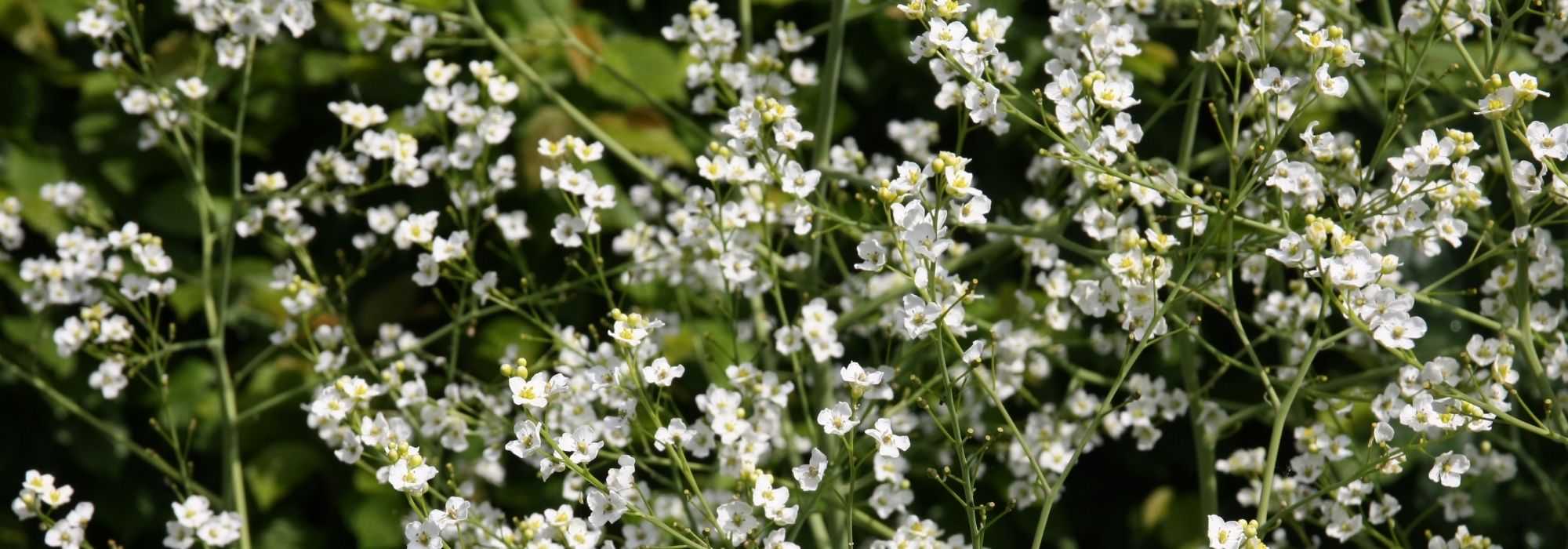
Harvest
Plant habit
Foliage
Botanical data
Brassica
oleracea var. gongylodes
Azur-Star
Brassicaceae
Cabbage turnip, German turnip
Cultivar or hybrid
Annual
Planting and care
Sowing
The germination temperature for Kohlrabi is between 7 and 30°C and takes between 8 and 10 days.
It can be sown from March to July for a harvest from June to November.
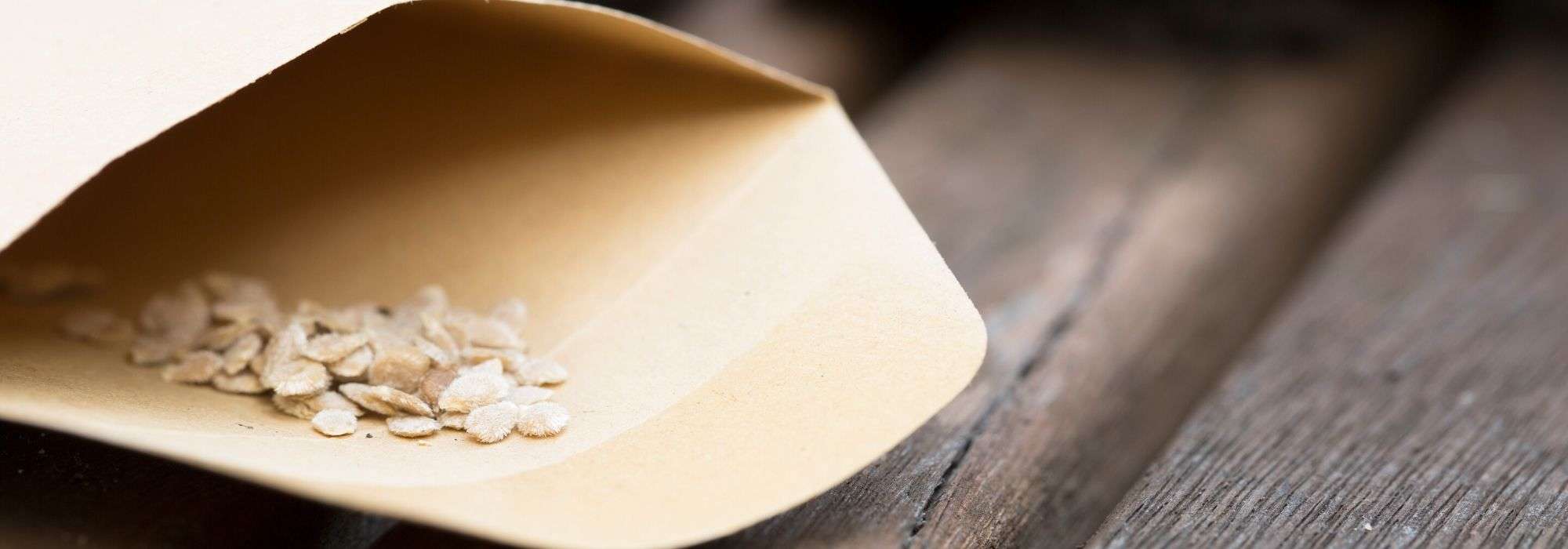
You can either sow the seeds directly in the ground or prepare seedlings that will later be transplanted to their final position in the garden.
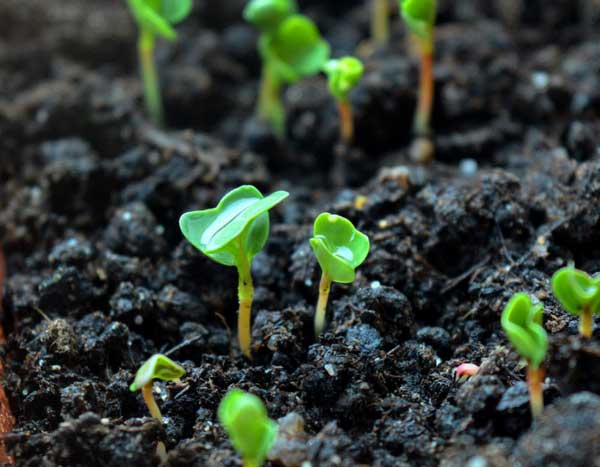
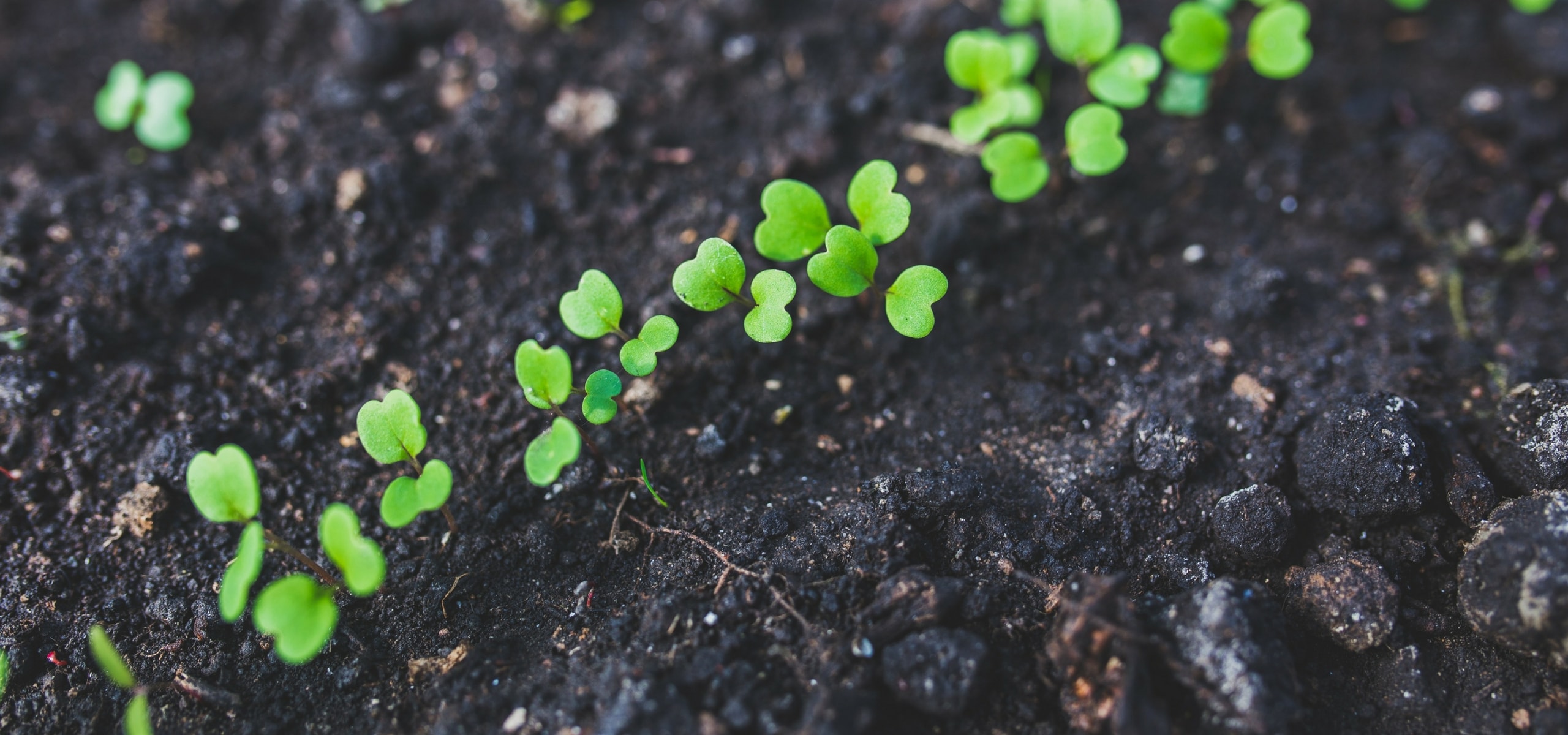
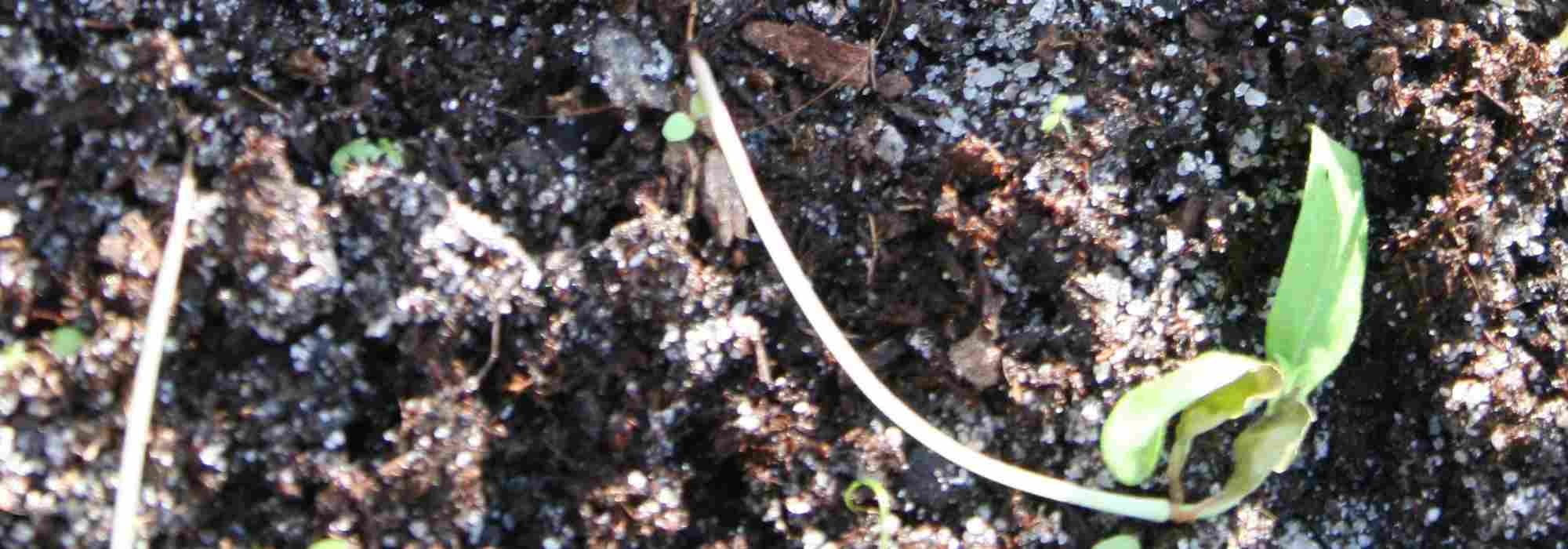
Preparation of seedlings: In a nursery or garden, sow the seeds at a depth of 1.5 cm in a good seed compost. Lightly cover with compost or vermiculite. Remember to keep the substrate moist but not waterlogged!
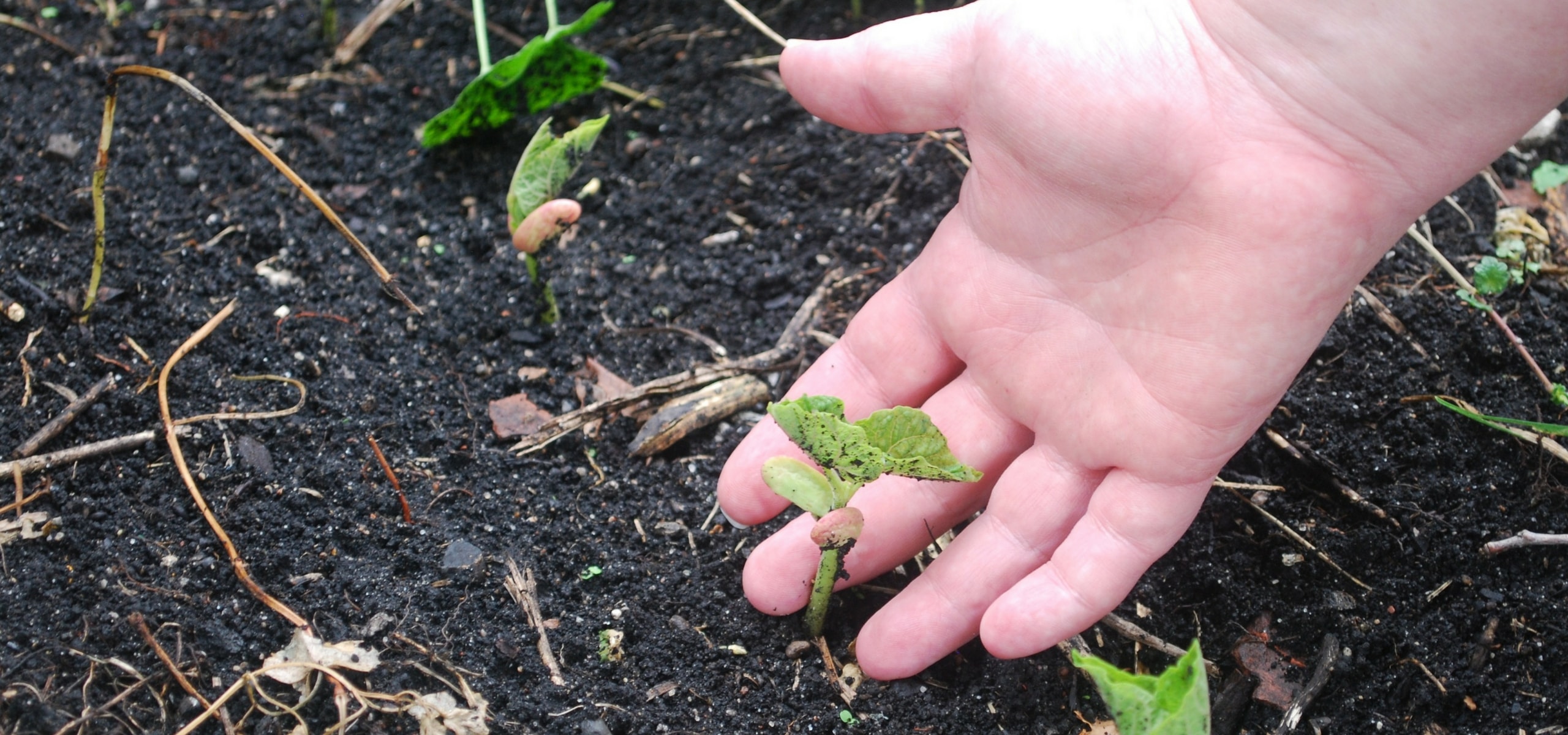
When the young plants appear strong enough to handle, transplant them to their final position, respecting the recommended distances for direct sowing.
Direct sowing: In well-amended and finely worked soil, create furrows 1 cm deep, spaced 30 cm apart. Sow the seeds every 3 cm and cover them with a thin layer of fine soil. Once the seedlings are well developed, thin them out, keeping only one plant every 20 to 25 cm.
Hilling should be done when the heads start to form.
Cultivation:
Kohlrabi is grown in full sun or partial shade. Its cultivation is relatively easy as it is slightly less demanding than most cabbage varieties, but it still requires a good base fertilization and regular moisture. It is advisable to apply mature compost (about 3 kg per m2), by scratching it into the soil to a depth of 5 cm, preferably in autumn, after loosening the soil as you would for any vegetable crop. In acidic soil, it is important to gradually raise the pH by applying calcium in the form of Dolomite or Lime.
Seedlings
Care
Intended location
Planting & care advice
-
-
-
-
-
-
-
-
-
, onOrder confirmed
Reply from on Promesse de fleurs
Recently viewed products
Haven't found what you were looking for?
Hardiness is the lowest winter temperature a plant can endure without suffering serious damage or even dying. However, hardiness is affected by location (a sheltered area, such as a patio), protection (winter cover) and soil type (hardiness is improved by well-drained soil).

The flowering period indicated on our website applies to countries and regions located in USDA zone 8 (France, the United Kingdom, Ireland, the Netherlands, etc.)
It will vary according to where you live:- In zones 9 to 10 (Italy, Spain, Greece, etc.), flowering will occur about 2 to 4 weeks earlier.
- In zones 6 to 7 (Germany, Poland, Slovenia, and lower mountainous regions), flowering will be delayed by 2 to 3 weeks.
- In zone 5 (Central Europe, Scandinavia), blooming will be delayed by 3 to 5 weeks.
In temperate climates, pruning of spring-flowering shrubs (forsythia, spireas, etc.) should be done just after flowering.
Pruning of summer-flowering shrubs (Indian Lilac, Perovskia, etc.) can be done in winter or spring.
In cold regions as well as with frost-sensitive plants, avoid pruning too early when severe frosts may still occur.
The planting period indicated on our website applies to countries and regions located in USDA zone 8 (France, United Kingdom, Ireland, Netherlands).
It will vary according to where you live:
- In Mediterranean zones (Marseille, Madrid, Milan, etc.), autumn and winter are the best planting periods.
- In continental zones (Strasbourg, Munich, Vienna, etc.), delay planting by 2 to 3 weeks in spring and bring it forward by 2 to 4 weeks in autumn.
- In mountainous regions (the Alps, Pyrenees, Carpathians, etc.), it is best to plant in late spring (May-June) or late summer (August-September).
The harvesting period indicated on our website applies to countries and regions in USDA zone 8 (France, England, Ireland, the Netherlands).
In colder areas (Scandinavia, Poland, Austria...) fruit and vegetable harvests are likely to be delayed by 3-4 weeks.
In warmer areas (Italy, Spain, Greece, etc.), harvesting will probably take place earlier, depending on weather conditions.
The sowing periods indicated on our website apply to countries and regions within USDA Zone 8 (France, UK, Ireland, Netherlands).
In colder areas (Scandinavia, Poland, Austria...), delay any outdoor sowing by 3-4 weeks, or sow under glass.
In warmer climes (Italy, Spain, Greece, etc.), bring outdoor sowing forward by a few weeks.
Shipping country and language
Your country of residence may be:
Your country of residence is:
For a better user experience on our website, you can select:
Your shipping country:
-
 Austria
-
 Belgium
-
 Bosnia & Herzegovina
-
 Bulgaria
-
 Croatia
-
 Cyprus
-
 Czechia
-
 Denmark
-
 Estonia
-
 Finland
-
 France
-
 Germany
-
 Greece
-
 Hungary
-
 Iceland
-
 Ireland
-
 Italy
Italy
-
 Latvia
-
 Liechtenstein
-
 Lithuania
-
 Luxembourg
-
 Malta
Malta
-
 Netherlands
-
 Poland
-
 Portugal
-
 Romania
-
 Serbia
-
 Slovakia
-
 Slovenia
-
 Spain
Spain
-
 Sweden
-
 Switzerland
Language:
-
French
-
 English
-
Spanish
-
Italian
-
German
-
Portuguese
-
Dutch
-
Finnish
My Account
Hello
My wish lists
My cart
Log in / Register
Existing customer?
This form is protected by reCAPTCHA - the Google Privacy Policy and Terms of Service apply.
New customer?
Create an account to track your orders, access our customer service and, if you wish, make the most of our upcoming offers.