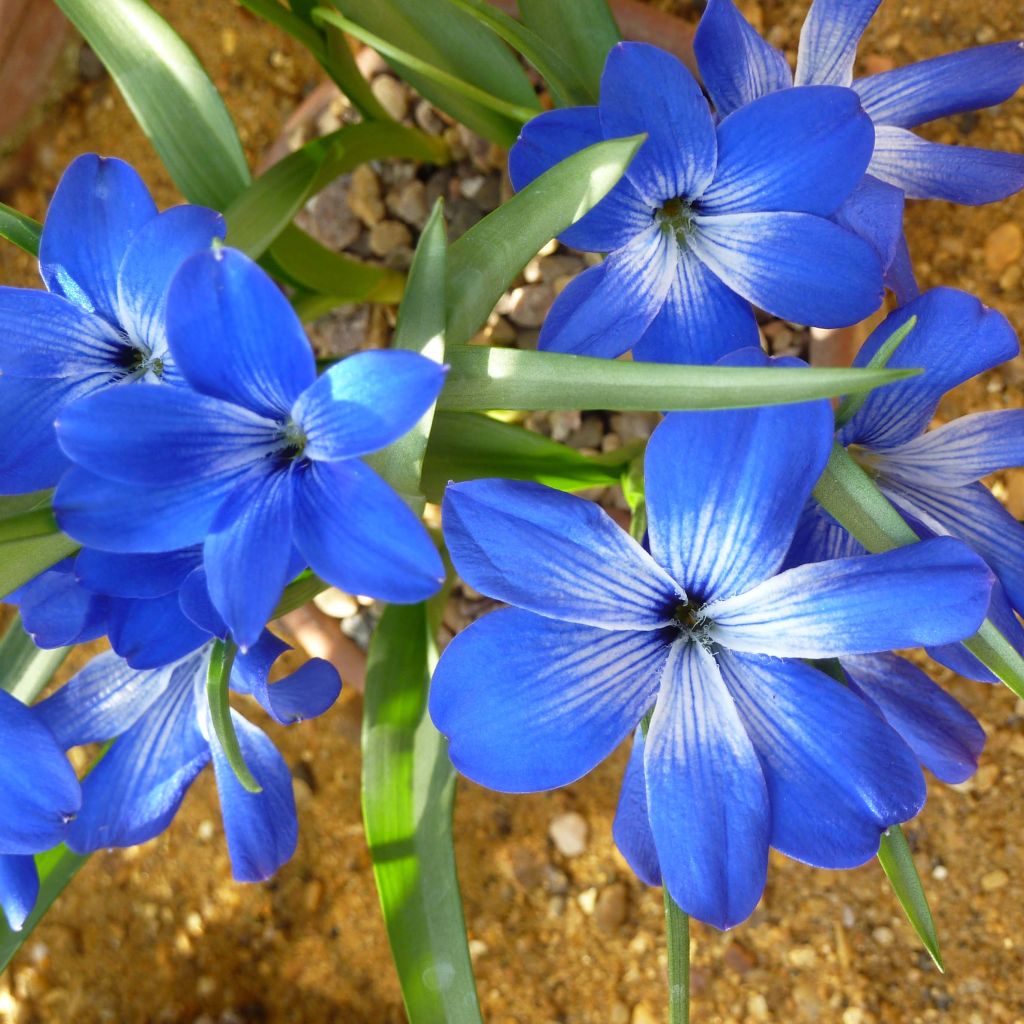
Tecophilaea cyanocrocus
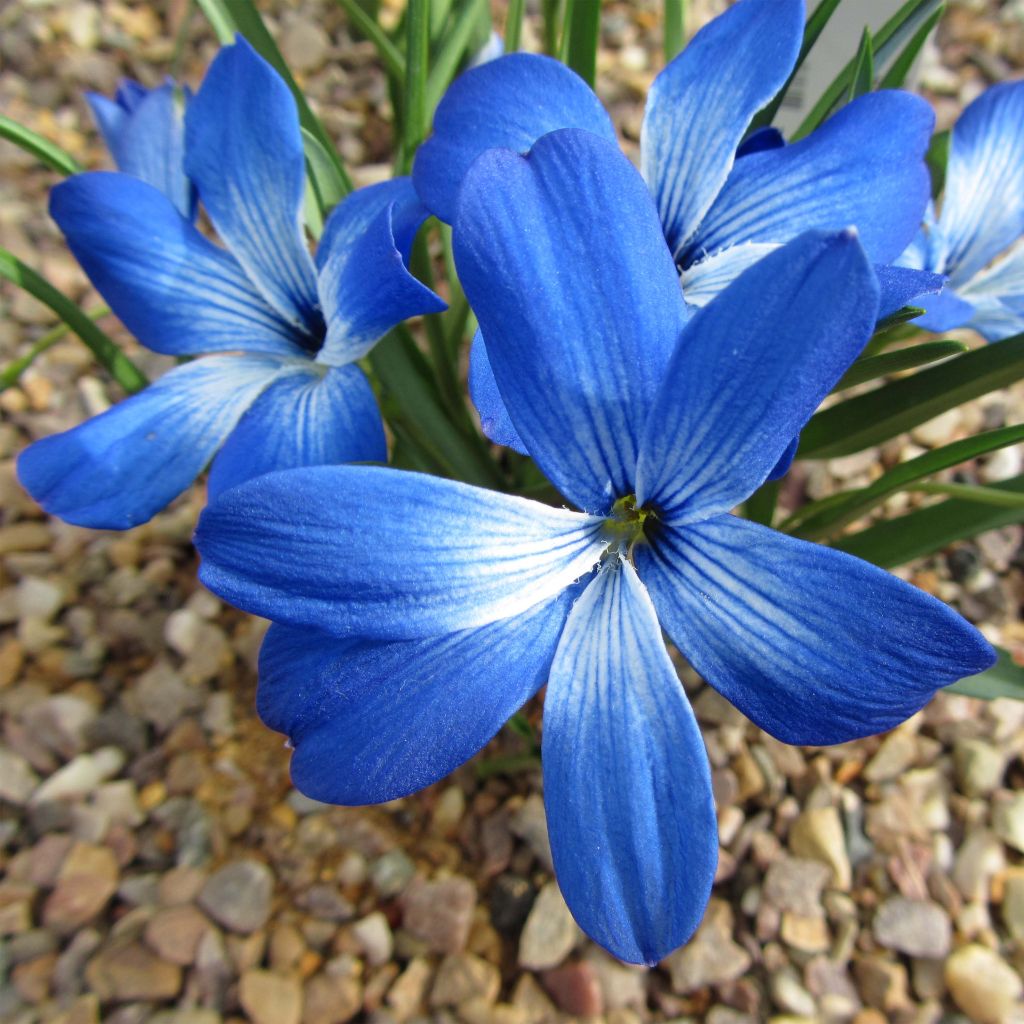
Tecophilaea cyanocrocus
View more pictures
Hide images
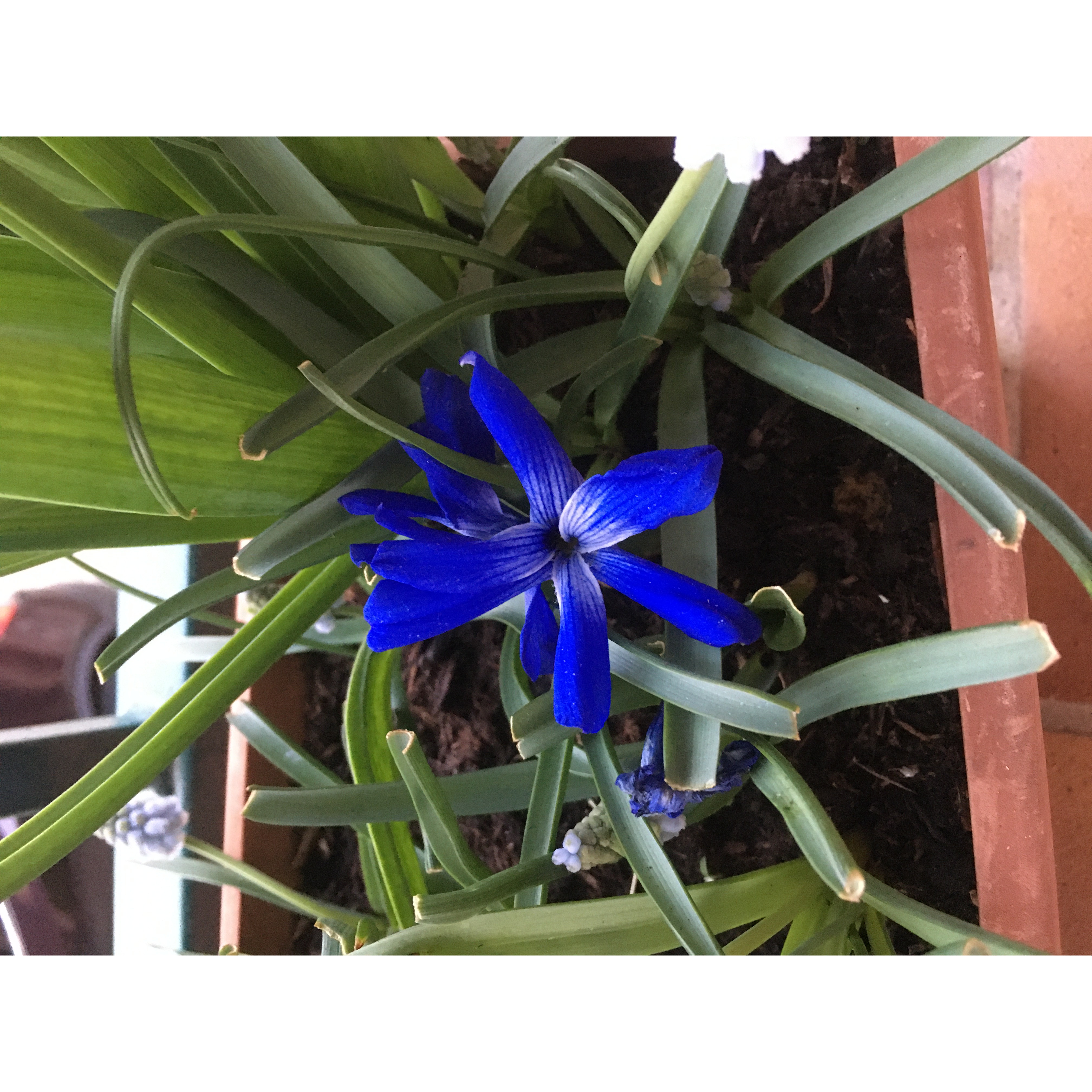
Sophie M.
Tecophilaea cyanocrocus
Sophie M. • 11 FR
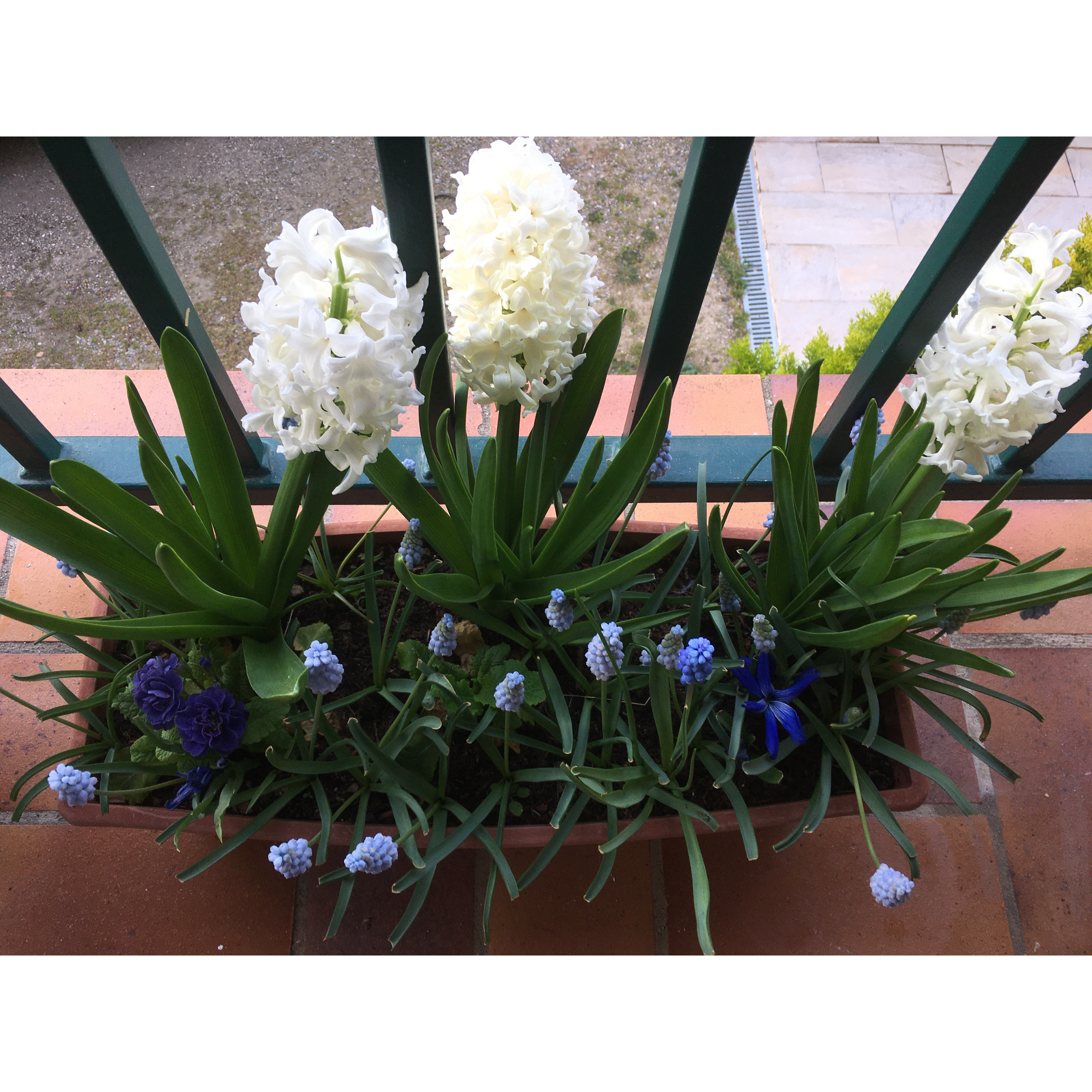
Sophie M.
Tecophilaea cyanocrocus
Sophie M. • 11 FR
Tecophilaea cyanocrocus
Tecophilaea cyanocrocus
Chilean blue crocus
Not many flowers, but a pretty blue. We'll see if they multiply in the coming years.
Sarah, 19/03/2026
Back-to-school special offer!
Get €10 off for every €50 you spend! And get up to €40 off on a single order.
How does it work?
1. Shop your favourites
Add your favourite plants to your basket. For every €50 you spend (excluding delivery charges, store credit and the plastic-free option), you’ll receive a €10 voucher.
€50 spent = €10 voucher
€100 spent = €20 voucher
€150 spent = €30 voucher
€200 spent = €40 voucher
2. Place your order
Once your basket reaches one of the spending thresholds, place your order. You can even choose your delivery date!
3. Receive your voucher
As soon as your order has been shipped, you’ll receive an email containing your personal voucher code and its value.
4. Use it on your next order
Your voucher is valid for 90 days from the date you receive it. It can be used once only, on a new order worth at least the value of the voucher, excluding delivery charges.
Please note: Vouchers can be combined with other offers, but cannot be split or refunded.
Home or relay delivery (depending on size and destination)
Important: You may be charged customs duties by your country’s customs authorities upon delivery.
Schedule delivery date,
and select date in basket
This plant carries a 6 months recovery warranty
More information
We guarantee the quality of our plants for a full growing cycle, and will replace at our expense any plant that fails to recover under normal climatic and planting conditions.

Would this plant suit my garden?
Set up your Plantfit profile →
Description
The Blue Chilean Crocus, Tecophilaea cyanocrocus in Latin, came very close to disappearing from its native Chilean Andes. Victim of the success of its uniquely scented blue flowers, which could rival the most beautiful sapphire, this adorable little bulbous plant, miraculously rediscovered in 2001, owes its survival to passionate British enthusiasts who patiently multiplied and acclimatized it in alpine greenhouses. This little marvel is now saved and available to enthusiasts worldwide. To successfully cultivate it, one must remember its origins and provide it with a well-draining, sandy and humus-rich soil, dry in summer and winter. Its resistance to frost is also linked to the dryness of the soil.
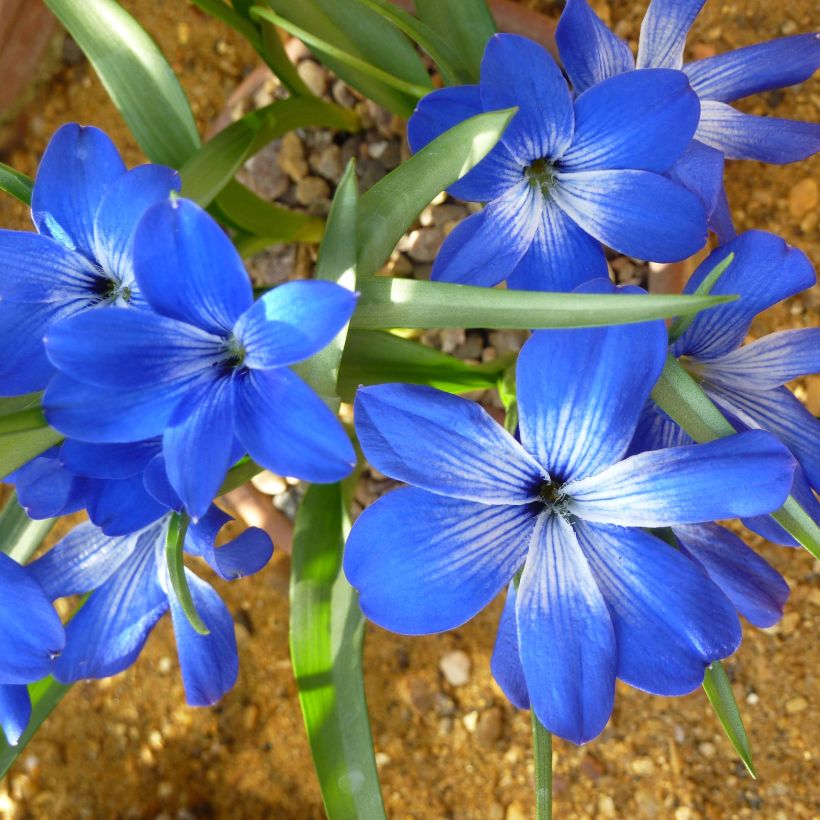
The Blue Chilean Crocus is a plant from the family Tecophilaeaceae native to the Cordillera de Santiago, where it spontaneously grows at an altitude of 3000m (9842ft) on rocky and dry slopes, protected by a snowy blanket in winter. This botanical species flowers in our climates in February or March, depending on the climate. Its cup-shaped flowers, solitary or more often borne in pairs, are carried by stems 10 to 15cm (4 to 6in) long. They bloom into stunning bicoloured star-shaped flowers with 6 oval petals, 5cm (2in) wide. The centre of the flower is marked by a small almost black area and fine white stripes. The flowers easily produce seeds, contained in a small triangular capsule. These seeds germinate easily after a period of cold. The foliage is deciduous, composed of 2 or 3 linear leaves, 12cm (5in) long and 4 to mm wide, with a slightly shiny bronze-green colour. The 'bulbs' are actually corms. A corm is an underground storage organ that resembles a bulb but is formed by a swollen stem, an almost spherical rootstock, surrounded by a fibrous tunic. Like many crocuses, this Tecophilaea goes dormant in summer. In our climates, its growth resumes in autumn or winter.
The Blue Chilean Crocus is known for being a temperamental plant, difficult to cultivate and frost-sensitive. According to some sources, it can still withstand -10°C (14°F) in dry soil. Outside Mediterranean regions, it is preferable to cultivate it in a pot to protect it from summer rains and the damp cold of winter. As an alternative, these pots can be placed directly in the ground during the warmer months, removed and kept dry in summer, and protected in winter. Pair its unbelievably blue flowers with those of the Golden Crocus, Crocus chrysanthus, they will emerge at around the same time from stones bleached by the sun. This little bulbous plant also thrives when planted in pots for outdoor use.
Report an error about the product description
Tecophilaea cyanocrocus in pictures
Plant habit
Flowering
Foliage
Botanical data
Tecophilaea
cyanocrocus
Tecophilaeaceae
Chilean blue crocus
Andes Mountains
Planting and care
The blue Chilean Crocus is preferably cultivated in a pot to store it during winter and/or summer, outside of Mediterranean regions spared by heavy frosts. It grows on very light and well-drained, rocky, neutral to slightly acidic soils, and prefers a very sunny exposure. It is also important to protect it from cold winds. The ideal substrate should consist of a blend of soil, coarse sand, and turf, ensuring very good drainage at the bottom of the planting hole or pot. Beware of slugs, which are fond of the leaves and flower buds!
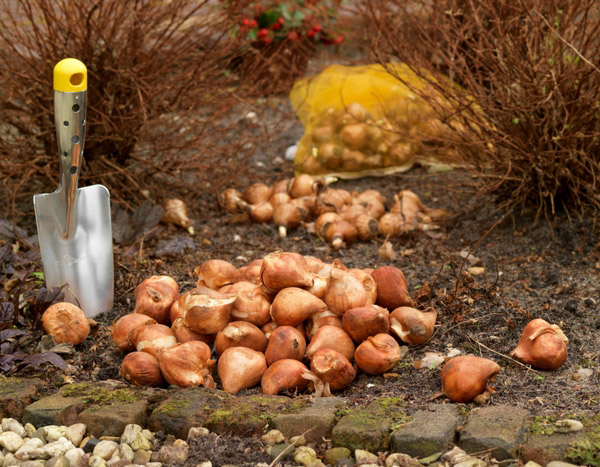
In summer, the bulbs should be kept dry until autumn, which is usually when vegetation resumes. They can withstand temperatures down to -7°C (19.4°F) under a thick protective mulch. Planting is done in autumn, burying the corms 5cm (2in) deep and spacing them 5 to 10cm (2 to 4in) apart. The plants have the best effect when planted in groups of 5 to 10 specimens. Once acclimatized and established, they multiply rapidly and easily through spontaneous sowing. The Chilean Crocus requires no particular maintenance. Care must be taken not to cut the foliage before it turns yellow.
Planting period
Intended location
Care
Planting & care advice
-
-
-
-
-

-
-
-
-
, onOrder confirmed
Reply from on Promesse de fleurs
Recently viewed products
Haven't found what you were looking for?
Hardiness is the lowest winter temperature a plant can endure without suffering serious damage or even dying. However, hardiness is affected by location (a sheltered area, such as a patio), protection (winter cover) and soil type (hardiness is improved by well-drained soil).

The flowering period indicated on our website applies to countries and regions located in USDA zone 8 (France, the United Kingdom, Ireland, the Netherlands, etc.)
It will vary according to where you live:- In zones 9 to 10 (Italy, Spain, Greece, etc.), flowering will occur about 2 to 4 weeks earlier.
- In zones 6 to 7 (Germany, Poland, Slovenia, and lower mountainous regions), flowering will be delayed by 2 to 3 weeks.
- In zone 5 (Central Europe, Scandinavia), blooming will be delayed by 3 to 5 weeks.
In temperate climates, pruning of spring-flowering shrubs (forsythia, spireas, etc.) should be done just after flowering.
Pruning of summer-flowering shrubs (Indian Lilac, Perovskia, etc.) can be done in winter or spring.
In cold regions as well as with frost-sensitive plants, avoid pruning too early when severe frosts may still occur.
The planting period indicated on our website applies to countries and regions located in USDA zone 8 (France, United Kingdom, Ireland, Netherlands).
It will vary according to where you live:
- In Mediterranean zones (Marseille, Madrid, Milan, etc.), autumn and winter are the best planting periods.
- In continental zones (Strasbourg, Munich, Vienna, etc.), delay planting by 2 to 3 weeks in spring and bring it forward by 2 to 4 weeks in autumn.
- In mountainous regions (the Alps, Pyrenees, Carpathians, etc.), it is best to plant in late spring (May-June) or late summer (August-September).
The harvesting period indicated on our website applies to countries and regions in USDA zone 8 (France, England, Ireland, the Netherlands).
In colder areas (Scandinavia, Poland, Austria...) fruit and vegetable harvests are likely to be delayed by 3-4 weeks.
In warmer areas (Italy, Spain, Greece, etc.), harvesting will probably take place earlier, depending on weather conditions.
The sowing periods indicated on our website apply to countries and regions within USDA Zone 8 (France, UK, Ireland, Netherlands).
In colder areas (Scandinavia, Poland, Austria...), delay any outdoor sowing by 3-4 weeks, or sow under glass.
In warmer climes (Italy, Spain, Greece, etc.), bring outdoor sowing forward by a few weeks.
Shipping country and language
Your country of residence may be:
Your country of residence is:
For a better user experience on our website, you can select:
Your shipping country:
-
 Austria
-
 Belgium
-
 Bosnia & Herzegovina
-
 Bulgaria
-
 Croatia
-
 Cyprus
-
 Czechia
-
 Denmark
-
 Estonia
-
 Finland
-
 France
-
 Germany
-
 Greece
-
 Hungary
-
 Iceland
-
 Ireland
-
 Italy
Italy
-
 Latvia
-
 Liechtenstein
-
 Lithuania
-
 Luxembourg
-
 Malta
Malta
-
 Netherlands
-
 Poland
-
 Portugal
-
 Romania
-
 Serbia
-
 Slovakia
-
 Slovenia
-
 Spain
Spain
-
 Sweden
-
 Switzerland
Language:
-
French
-
 English
-
Spanish
-
Italian
-
German
-
Portuguese
-
Dutch
-
Finnish
My Account
Hello
My wish lists
My cart
Log in / Register
Existing customer?
This form is protected by reCAPTCHA - the Google Privacy Policy and Terms of Service apply.
New customer?
Create an account to track your orders, access our customer service and, if you wish, make the most of our upcoming offers.