





























The year 2015 ended with abnormally warm temperatures and a resurgence of vegetation, and while the first two weeks of 2016 suggested a frost-free winter, the cold snap arriving now indicates that winter is not over. So, should we still protect plants that are in full resurgence?
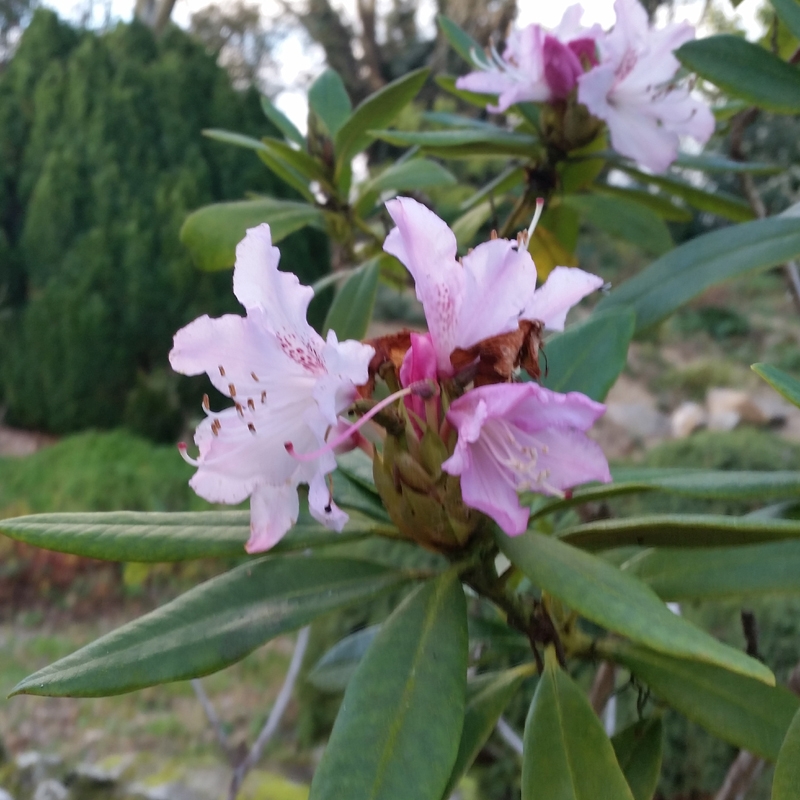
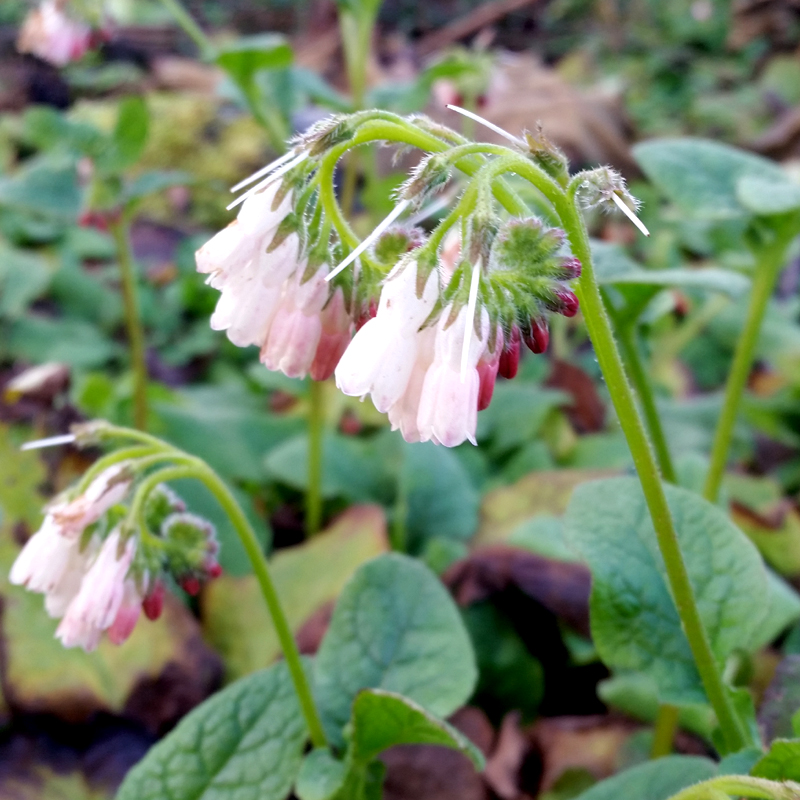
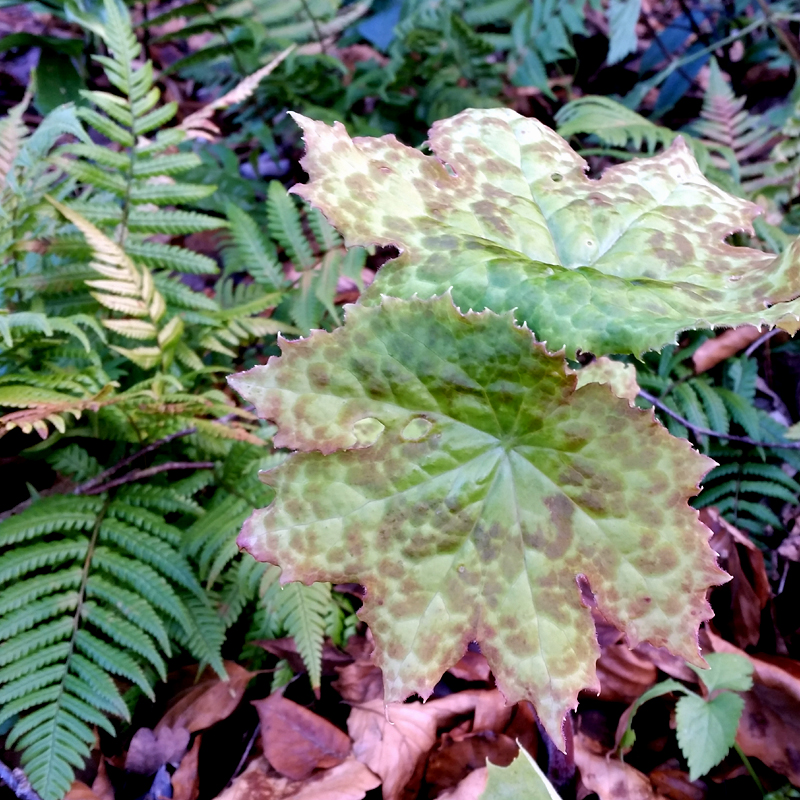
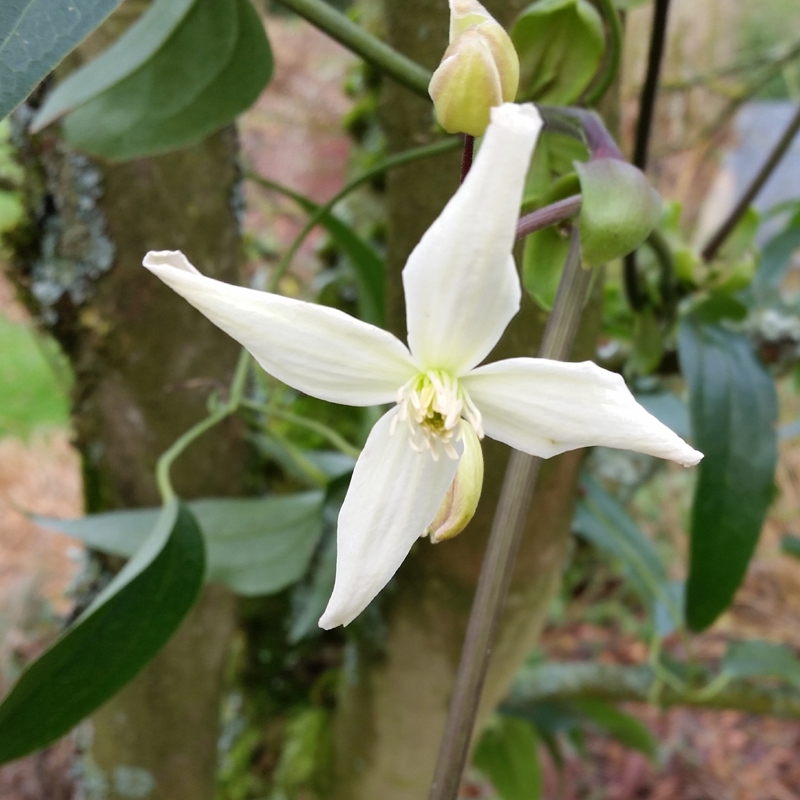
The vegetation disturbed by the mildness of November and December reveals unusual flowering: comfrey, bergenias, avens, hellebores, rhododendrons, and primroses are already in bloom. The flower buds of cherry trees and forsythias are ready to open, and even the lawn, unusually tall, could do with a mow. So what should we do with this incoming cold?
Nothing, or almost! While the flowers and young leaves that have already formed will be burnt by the cold, the vegetation is equipped to withstand negative temperatures, even late ones. Here are three little tips to ensure your plants do not suffer from the incoming cold:
- Protect the flower buds first: Exposed to wind and cold, the flower buds of bushes will be the first to be damaged. Protect the most fragile bushes (camellias, citrus trees, mimosas...) by covering them with a forcing fleece.
- Replenish leaf or straw levels: Wind and rain have compacted or scattered the winter protections that ensure good thermal insulation on fragile stumps. If necessary, add some straw or dead leaves to ensure good protection against the cold.
- Clear snow from evergreens: While snow is beneficial for perennials, it exerts considerable weight on the branches of evergreen plants and often causes significant damage. On conifers, snow spreads the branches and breaks them, altering their habit; on Photinias, cherry laurel, and laurel tin, it crushes the branches and causes the main branches to break. And on bamboos, it flattens them to the ground, and when the cold lasts a long time, the arched branches retain their shape. So, a piece of advice: clear the snow from your branches as much as possible.

Comments