





























Black bottom of tomatoes: how to fight it effectively?
Tips for Preventing and Managing Apical Necrosis in Tomatoes
Contents
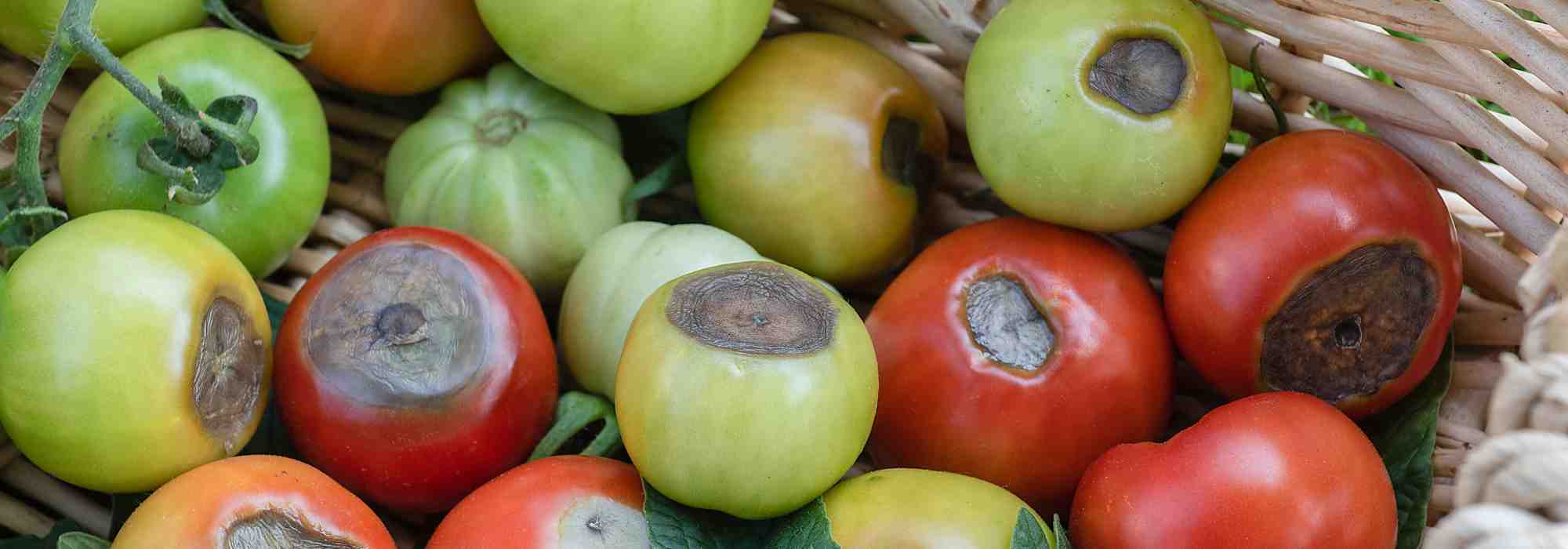
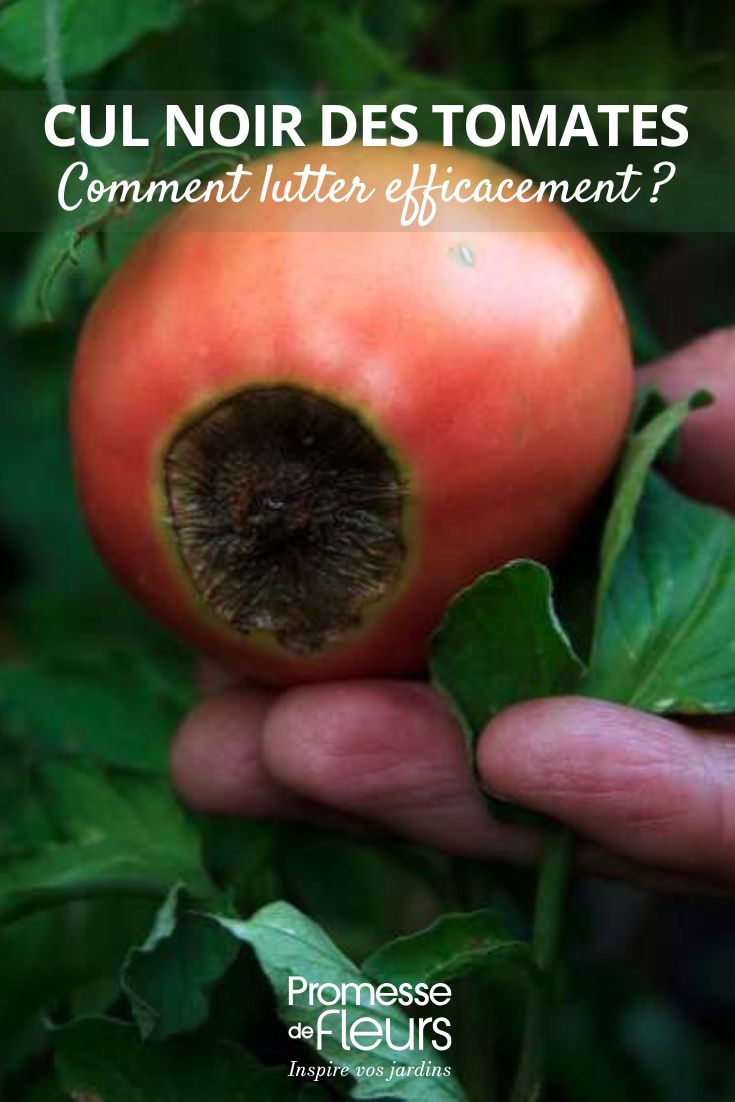
Which gardener hasn’t discovered, one morning during their vegetable patch round, some of their tomatoes, still green or nearly ripe, marked with a black spot or lesion at their base? Very characteristic, these spots are the main symptom of a physiological problem commonly known as blossom end rot of tomatoes. It is, in fact, a necrosis or blossom end rot, quite common in vegetable gardens, but it is not irreversible.
Discover how to identify this blossom end rot on tomatoes, understand the causes to better prevent it, and take effective action.

What is apical necrosis or blossom end rot in tomatoes?
At the outset, it is important to clarify that apical necrosis, commonly known as blossom end rot of tomatoes, is not a disease but rather a disorder or physiological problem caused by a deficiency. Specifically, it is a calcium deficiency. In practical terms, a fruit affected by blossom end rot is one that lacks calcium. In fact, fruits showing signs of blossom end rot do not properly absorb the calcium present in the soil, which they need for development.
As its name suggests, this physiological condition develops on the apical part of the fruit, that is, the part opposite the peduncle. In more blunt terms, at the “bottom” of the tomatoes (but also peppers or, more rarely, squashes). This condition appears when tomatoes are in full development, affecting both green fruits and those ripening. A dark, rather brown spot forms at the base of the tomato. It enlarges to become black and dry. It can occupy nearly half of the fruit, which remains edible once the affected part is removed. This spot also serves as an entry point for other organisms. Consequently, the harvest is impacted and diminished.
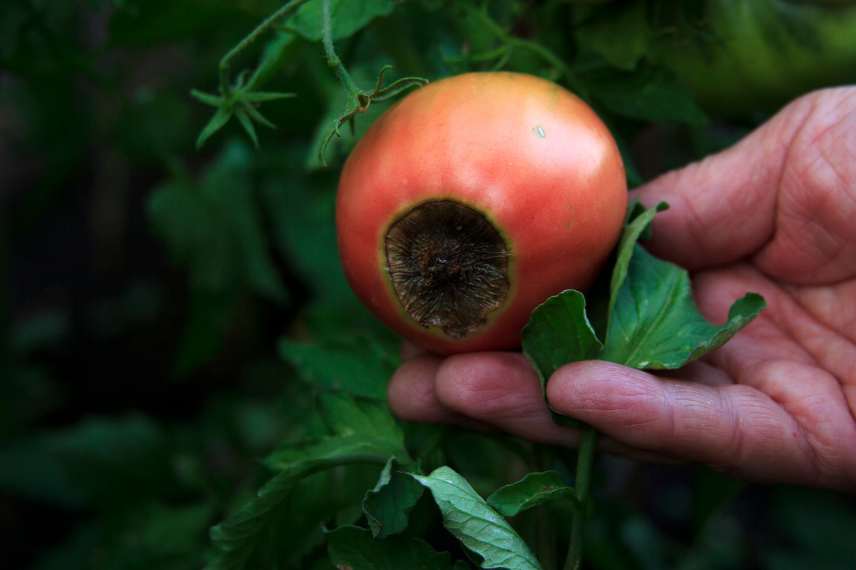
Apical necrosis affects green or ripening tomatoes
Apical necrosis tends to affect elongated varieties of tomatoes, such as the ‘Andean Horned’ and similar varieties (‘Cornabel F1’, the ‘Roma’ and its hybrids like ‘Colibri F1’, the ‘San Marzano’). In contrast, round and generous-shaped tomatoes like the ‘Beefheart’, the ‘Saint-Pierre’, and the ‘Buffalo Steak F1’… are significantly less sensitive.
What causes blossom end rot?
It is therefore a calcium deficiency that causes blossom end rot in tomatoes. However, contrary to popular belief, this is a local deficiency, in the fruit, and not in the soil. In fact, soils are very rarely devoid of calcium. In reality, calcium may be present in sufficient quantities but poorly transported or assimilated. Calcium is transported within the plant through transpiration. The leaves, which are very active in this regard, are favoured over the fruits, which then receive less calcium. If the plant experiences water stress, rapid growth, or nutritional imbalance, the distribution of calcium can be disrupted.
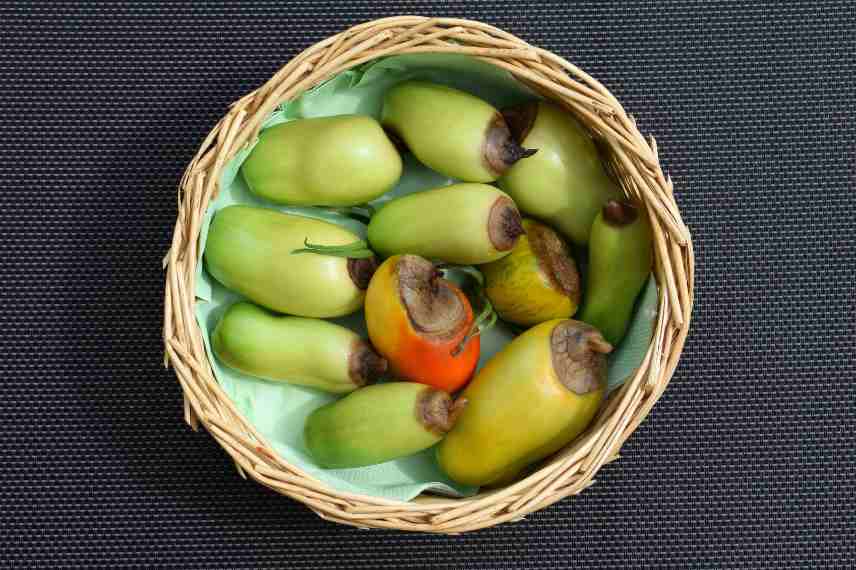
Elongated tomatoes are often more affected than other varieties
This is why blossom end rot in tomatoes can have several triggering factors:
- Irregular watering, rather than excessive or insufficient watering. This lack of consistency in watering creates water stress in the tomato plant.
- Too rapid growth, often due to an excess of nitrogen (for example, caused by mulching solely with grass clippings).
- A weak root system due to overly compacted and poorly drained soil, or sudden temperature changes.
- Soils that are too rich in salt due to excessive chemical fertilisers, and salty or overly calcareous watering water (less common).
What to do if black rot appears?
No need to panic if some of your tomatoes are affected by blossom end rot. Adopting simple measures will help limit the damage and ensure a good harvest. However, the affected fruits are not recoverable or only minimally so.
To effectively combat blossom end rot, you must act as quickly as possible. First, remove the affected tomatoes, as they can disrupt the development of the others. This way, the plant will concentrate all its energy on the healthy fruits.
Next, the most important action is to manage watering with the regularity of a metronome. This is the crux of the matter! Of course, you will have to contend with the whims of the weather if your tomatoes are in open ground and not sheltered. However, it is easier if you grow your tomatoes in a greenhouse or under cover. It can be difficult to estimate watering frequencies, you might say! This is completely true, as watering depends directly on the nature of the soil and the ambient temperature. Nevertheless, it is better to water thoroughly (about 5 litres of water per plant) every three to four days in well-draining soil, and every 5 to 7 days in heavier soil, rather than giving small amounts of water every day. Approximately, regular watering once a week (reduced to every five days in hot weather) is ideal for healthy tomatoes. They will develop their root system deeply to seek out the calcium they need.
To maintain good moisture and reduce water stress, it is recommended to mulch around the base of the tomatoes with a mulch such as straw, dead leaves, or RCW, which is lower in nitrogen than grass clippings.
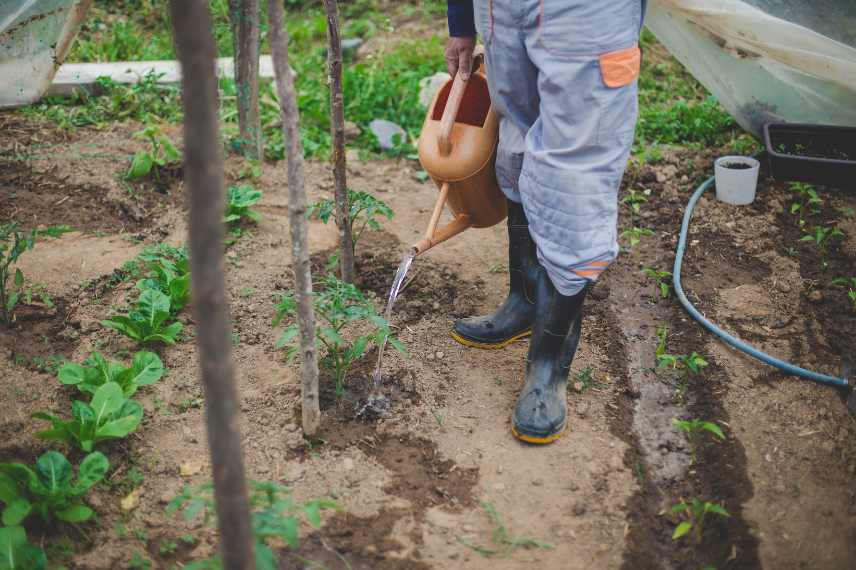
Regular watering prevents the occurrence of blossom end rot in tomatoes
In the second instance, if the regularity of watering has not resolved the issue, it is possible to add a calcium-rich amendment to the soil. A good supply of compost may suffice, but you can also add wood ash (sparingly), a bone meal fertiliser, or Patentkali. However, forget about crushed eggshells or oyster shells, as they take too long to break down to be effective. In any case, a soil properly enriched with organic matter will not need amendments.
Once again, the main treatment for blossom end rot in tomatoes lies in the regularity of watering. Sheltering them also allows for better control of water supply, independent of the weather.
How to prevent apical necrosis?
The best way to avoid apical necrosis is prevention. By adopting suitable cultural practices, the black heart of the tomato will be nothing but a bad memory:
- Regular watering management: water deeply rather than superficially, regularly and moderately, avoiding fluctuations. Mulching complements the system.
- Soil amendment with well-rotted compost or manure improves structure and water retention.
- Elimination of any stress (avoid excessive leaf removal or strict pruning).
- Choosing resistant varieties. As mentioned earlier, elongated tomatoes are more sensitive, so opt for round varieties if you struggle with watering management.
- Subscribe!
- Contents
Comments