





























Can you water your plants with cooking water?
Tips and tricks
Contents
Using cooking water to water plants? What a strange idea! Well, yes, cooking water isn’t always destined to end up down the sink and can double as a fertiliser when used for watering. Indeed, whether it’s the cooking water from pasta, rice, potatoes, vegetables or eggs, they contain nutrients beneficial to plants, making them excellent natural fertilisers. But they can also be transformed, for some, into a weed killer… while taking a few precautions for the garden. Discover the benefits of the different cooking waters and how to use them.

Cooking water for pasta, rice and potatoes
Do you know the main thing in common between pasta cooking water, rice water and potato cooking water? They are all rich in starch. Indeed, during cooking, part of the starch from these ingredients dissolves into the water. The water then takes on a milky colour and sometimes a slightly thick texture. That starch present in the cooking water can feed bacteria and beneficial fungi in the soil, thereby improving the overall health of the plants. It also contains nutrients in varying proportions.
Pasta water
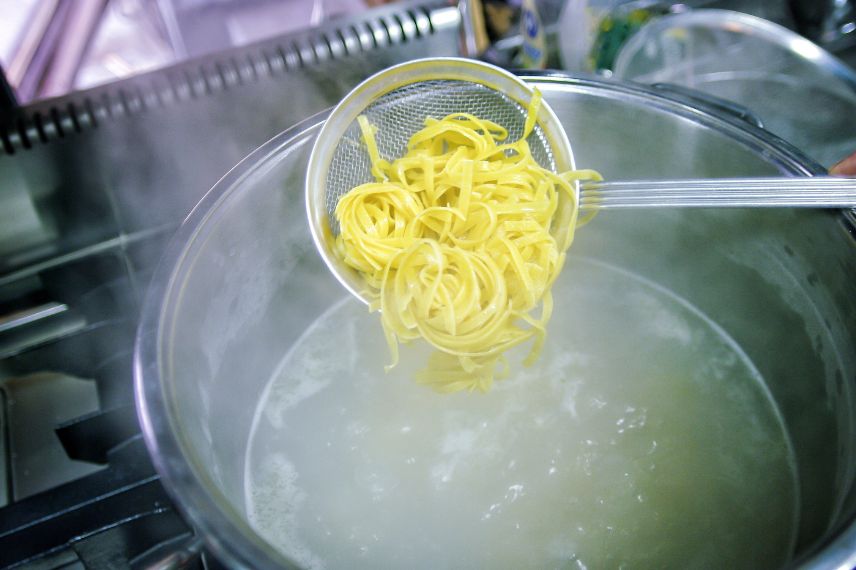
Pasta cooking water is rich in starch and minerals, such as potassium, calcium and phosphorus. These minerals come from the flours used to make the pasta, especially when it is made from wholemeal wheat or whole grains.
Plant types:
Pasta cooking water can be used with most of our houseplants and garden plants, but particularly for acidophilous plants (azaleas, camellias, hydrangeas…) as its pH is slightly acidic.
Rice water
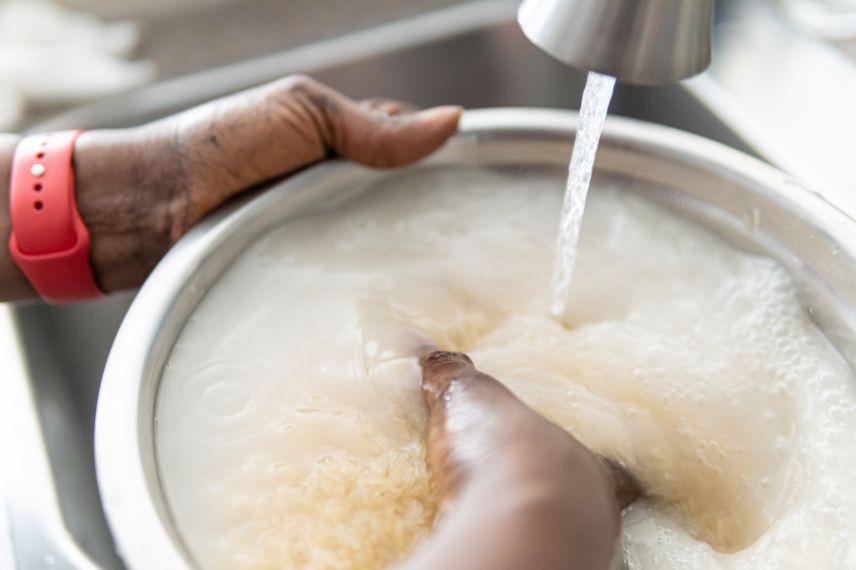
Rice cooking water is rich in starch and contains B vitamins and minerals such as magnesium. Wholegrain rice contains more of these nutrients than white rice.
Plant types:
Rice cooking water is suitable for most plants, especially for houseplants and for ferns.
Potato water
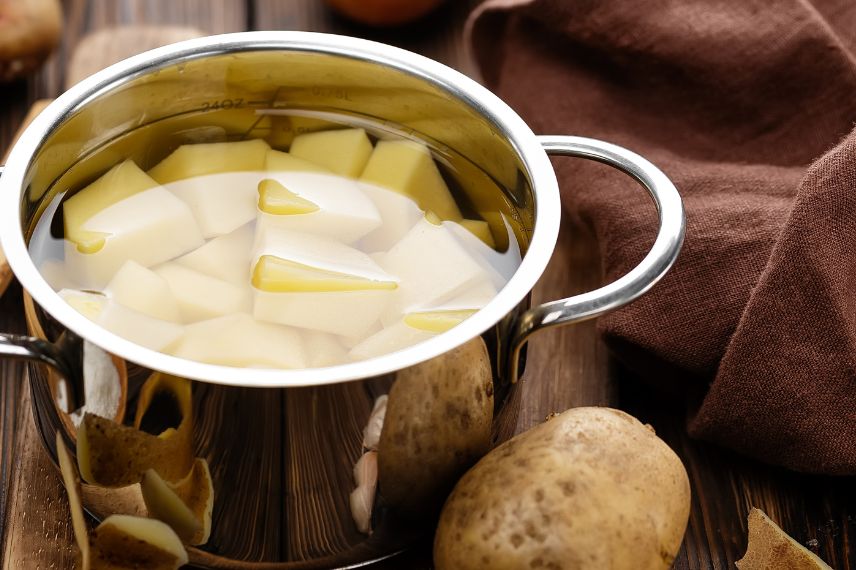
Potato cooking water is rich in starch, potassium and vitamin C. These nutrients vary depending on growing conditions and the variety.
Plant types:
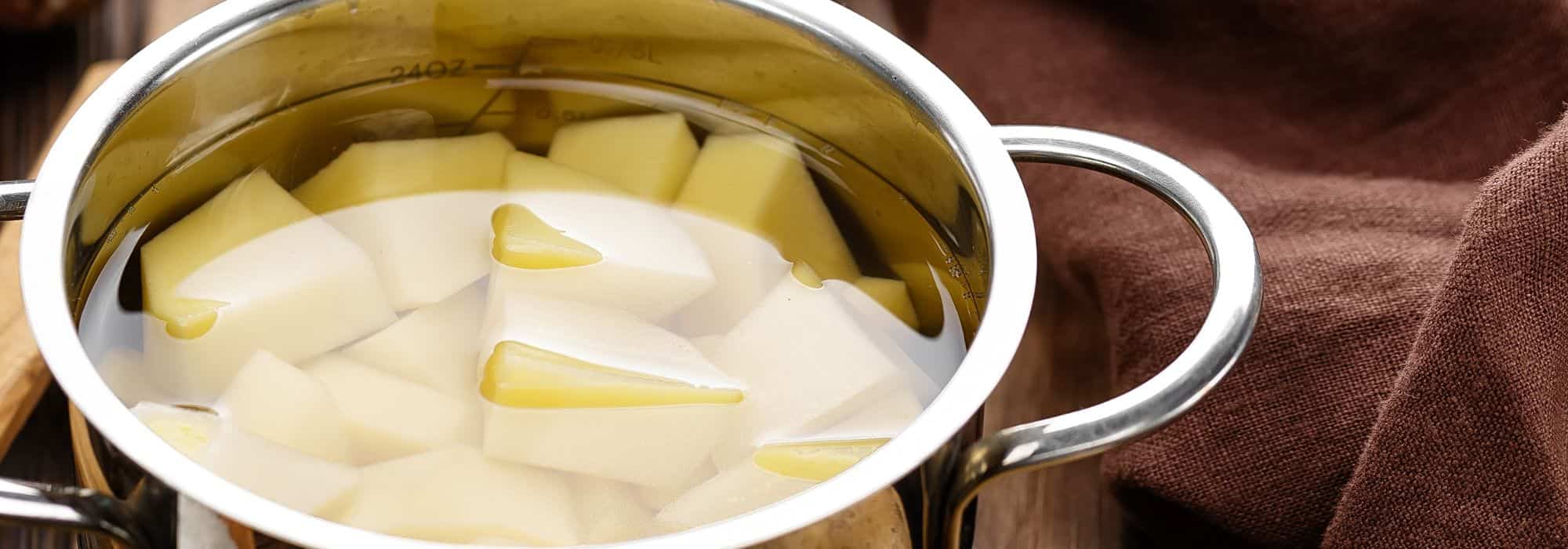
Potato cooking water is particularly beneficial for vegetable plants.
Precautions before watering :
- Only use unsalted cooking water, as salt is very harmful to plants. Salt water is also used as a weed killer, as we’ll see below. Do not add oil or spices which could be dangerous for the plants.
- Let the water cool completely before using it. Hot water can damage plant roots.
- Dilute the cooking water with clear water. Mix 1 part cooking water to 2 parts clear water, preferably rainwater.
- Do not increase your watering frequency. Water your plants at the same frequency as usual, occasionally adding the cooking water to the regular watering. Avoid overwatering, as this could lead to root rot.
- Avoid watering the leaves of your plants with the cooking water. This could encourage fungal growth. Water at the base of the plants.
Fertilising frequency:
Use these cooking waters once a month to avoid excessive nutrient buildup.
Storage:
Rice, pasta and potato cooking water can be stored in the fridge for three to five days in an airtight container. Remember to wait until the water is at room temperature before watering your plants.
Read also
Watering the vegetable garden: our tipsWater for boiling eggs
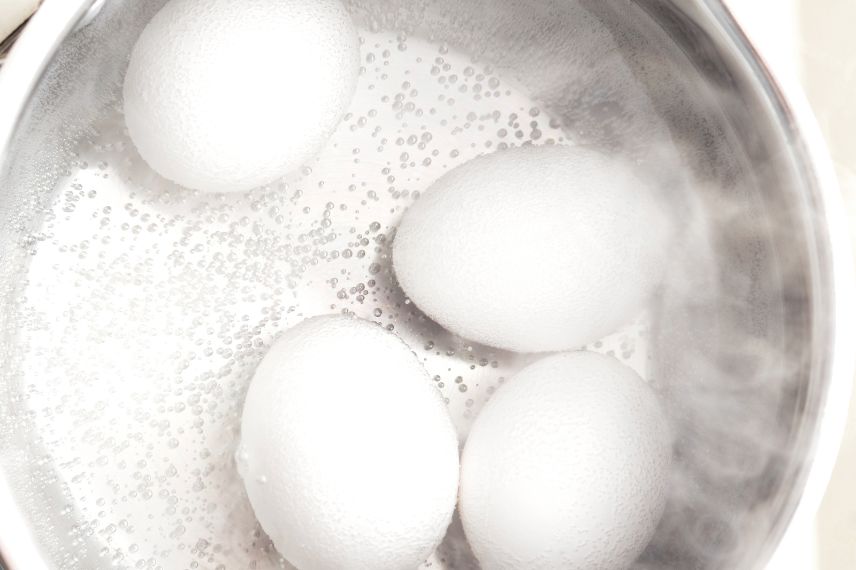
Egg-water can also be used to water your plants.
When you boil eggs, the shells release minerals into the water, notably calcium.
This mineral contributes to plant growth.
In addition, calcium improves soil structure by reducing its acidity and promoting the aggregation of soil particles, which enables better aeration and drainage.
Frequency of use:
Once a week or every two weeks is a good frequency for providing extra nutrients without the risk of overfeeding.
Plant types:
This water is suitable for most outdoor plants, especially vegetables, flowering plants and shrubs. However, avoid using it on plants that prefer acidic soils.
Precautions before watering:
- Let the water cool completely : ensure the water from boiling eggs has cooled completely before using it on your plants. Hot water could damage sensitive roots.
- No salt or additives : use plain egg-water, without salt or other additives. Salt is harmful to plants.
- Dilute the cooking water with clear water: mix 1 part cooking water with 2 parts clear water (preferably rainwater). This dilution helps prevent any excess calcium that could disrupt the soil pH.
Storage :
Egg-water can be stored in the fridge for 2 to 5 days. Use glass bottles or airtight containers to limit odours. Remember to allow the water to come to room temperature before using it to water your plants.
Water from vegetables
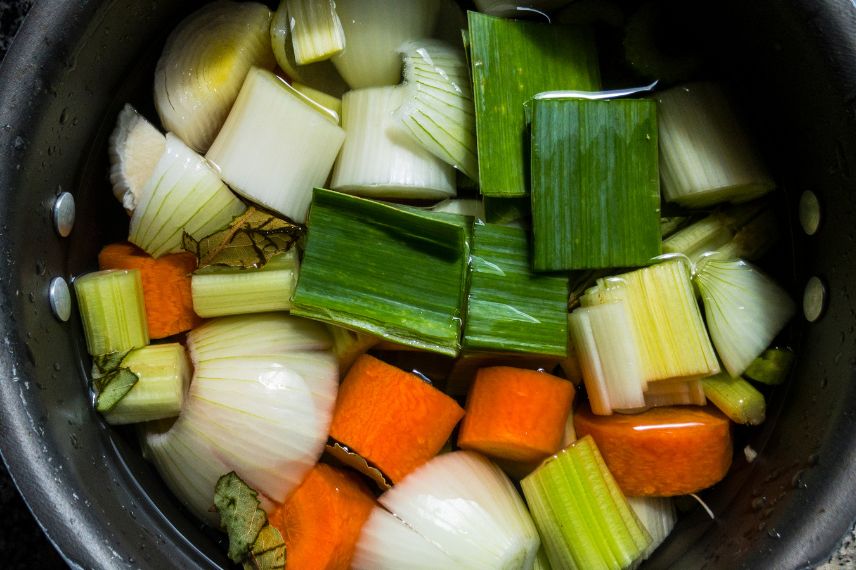
Vegetable cooking water contains minerals and beneficial nutrients for plants, such as potassium, phosphorus and calcium. As they cook, vegetables release these nutrients which dissolve into the water and can act as a natural fertiliser, promoting growth and plant health. But note that there are a few differences depending on the vegetables used!
List of vegetables that can be used WITHOUT dilution:
- Carrots
- Courgettes
- Broccoli
- Green beans
- Spinach
For these foods, the dilution of cooking water is unnecessary.
List of vegetables to be used WITH dilution:
Contrary to the other vegetables discussed above, some vegetables may contain compounds potentially harmful to certain plants if they are too concentrated. You should then dilute the cooking water with clear water: 1 part cooking water to 1–2 parts clear water.
- Cruciferous vegetables such as cabbage, cauliflower and Brussels sprouts.
- Leeks
- Turnips
- Beetroot
- Aubergine
- Endive
- Maize with a very high starch content.
Frequency of use :
Vegetable cooking water can be used at most once a week to provide a steady supply of nutrients and without excess.
Types of plants :
Vegetable cooking water is particularly beneficial for flowering plants such as geraniums and petunias. It can also be used for houseplants (ficus, succulents…) and edible crops.
Precautions before watering :
- Let the water cool : make sure the cooking water is at room temperature before using it. Water that is too hot can damage plant roots.
- Filter out residues : filter the water to remove pieces of food or solid residues that could clog the soil or attract pests.
- Avoid salt and seasonings : if you add salt, herbs or spices to the cooking water, it is better not to use it for watering plants. Salt, in particular, can harm roots and disrupt soil balance.
- Monitor your plants and adjust watering with the cooking water if necessary.
Storage
Vegetable cooking water can be stored in the fridge for three to five days in an airtight container.
Can canned juices be used to water plants?
Watering your plants with canned juices might seem clever, but beware of the risks! The nutrients are interesting, but salt and preservatives can do more harm than good. We do not recommend using them.
Read also
Watering potted plantsTurn cooking water into a weed killer.
Salted cooking water, while harmful to plants in your garden, can be effectively used as a natural weedkiller. When this water is applied directly to these unwanted plants, it can dehydrate them and kill them, preventing future growth.
Use salted cooking water from rice, pasta or potatoes, but undiluted. You can use the water while it’s still hot, taking care not to burn yourself, or at room temperature.
Spray the water onto the foliage and stems. This method works best in dry weather, as rain can dilute the salt’s effect.
For persistent unwanted herbs, you can repeat the application after a few days.
Precautions to take:
- Cooking water is not a selective herbicide, meaning it can kill all plants it touches, including those you cherished, but also decimate soil life.
- Salted water can damage surrounding plants and render soil inhospitable for future plantings. Use it mainly on paths, pavements and paved areas.
- Too much salt can render soil sterile for an extended period.
- Never pour salted water near watercourses, lakes or drainage areas which can carry salt to drinking-water sources or aquatic habitats.
- Subscribe!
- Contents
Comments