




























The different types of seeds for sowing
Our comprehensive guide to choosing the best seeds for your garden
Contents
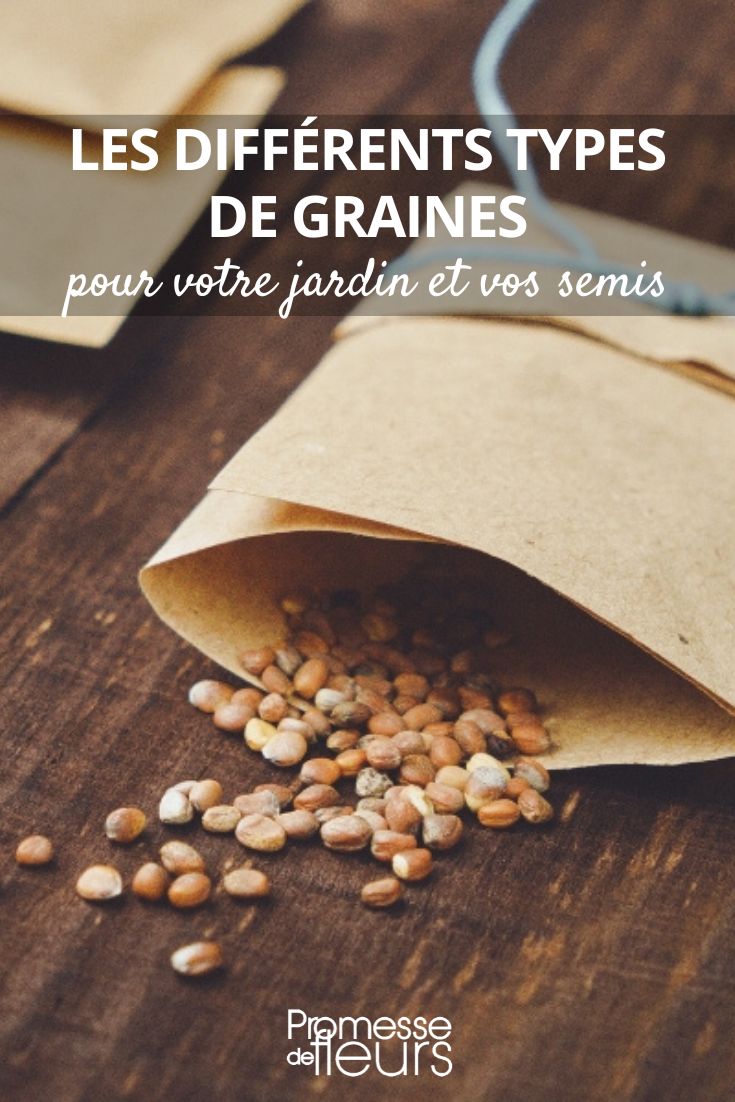
Choosing the right type of seed is an essential step in gardening. This decision influences growth of plants, their resilience and productivity. Here we will explore a range of options: seeds with rapid germination, ideal for quick results; organic seeds, beneficial for health and the environment; hybrid seeds, reputed for their robustness; native seeds, suited to local conditions; coated seeds, offering easier germination; and finally, seeds with a long shelf life, perfect for prolonged storage. Each type has unique characteristics, tailored to different gardening needs. Follow us as we explain everything so you can make your choice.

Rapid-germination seeds
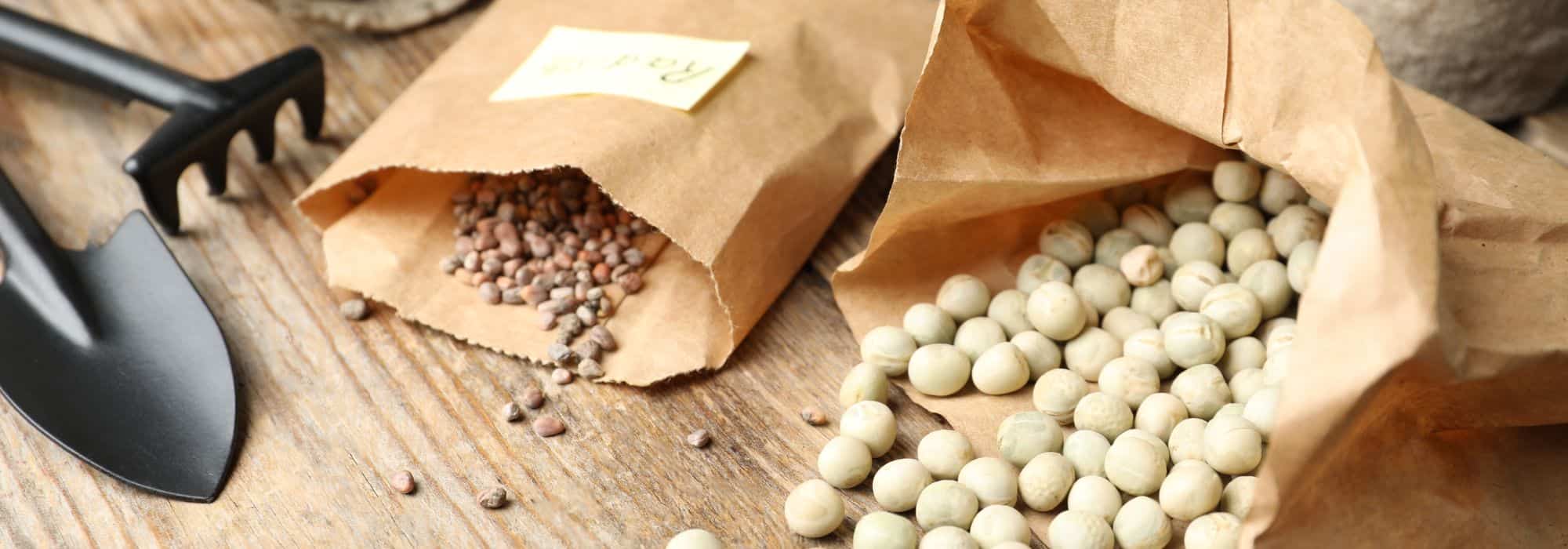
Rapid-germinating seeds are a popular choice for gardeners who want to see the fruits of their labour quickly. Among these seeds, perfect examples include radishes, salad leaves, and clovers, germinating in record time. This rapid growth is particularly gratifying for gardeners, providing almost immediate satisfaction.
When sowing these seeds, it is important to ensure regular watering and adequate light exposure, two key factors for successful germination. Moreover, well-drained, nutrient-rich soil will promote healthy and robust growth.
Rapid-germinating seeds are also an excellent way to introduce children to gardening, offering an educational and entertaining experience, while familiarising them with the life cycle of plants. In short, rapid-germinating seeds are not only a practical choice, but also an excellent way to strengthen one’s bond with nature and to appreciate the magic of plant growth.
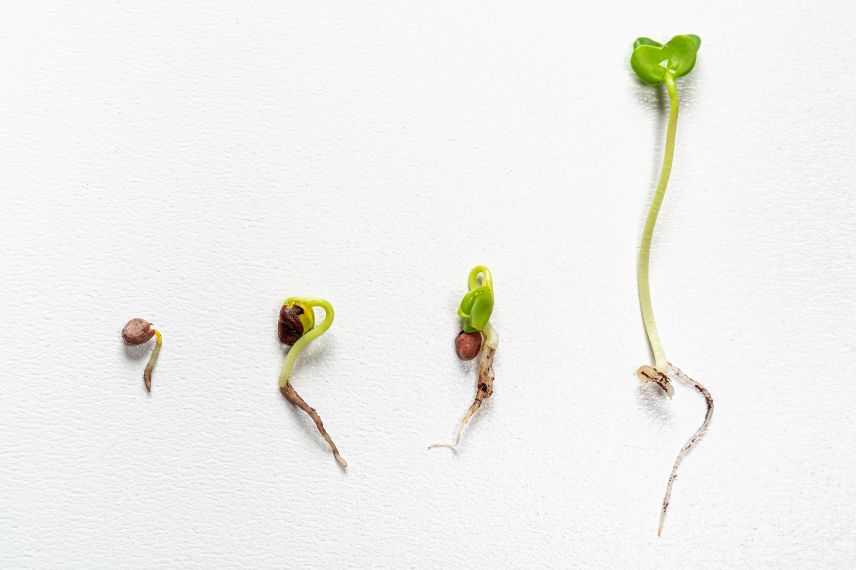
Growth of a radish seed
Organic seeds
Organic seeds stand out for their mode of production and storage, which adheres to strict ecological standards. Unlike traditional seeds, they come from plants grown without pesticidal substances or chemical fertilisers, which makes them healthier for both consumers and the environment. By opting for organic seeds, gardeners contribute to reducing the toxic load on the soil and to promoting healthy biodiversity. These seeds, in general, tend to produce plants that are more resistant to diseases and to climatic extremes, as they are adapted to grow under natural conditions.
For those looking to switch to organic seeds, it is important to check their organic certification, guaranteeing that they have been produced in accordance with ecological standards. When planting, the use of organic compost or natural fertilisers is recommended to maintain the organic integrity of the crops. Care should be taken with crop rotation and the ecological balance of the garden, to foster a healthy and sustainable environment. Thus, choosing organic seeds is not merely a gardening choice but also a commitment to an environmentally friendly lifestyle and to health.
Hybrid seeds
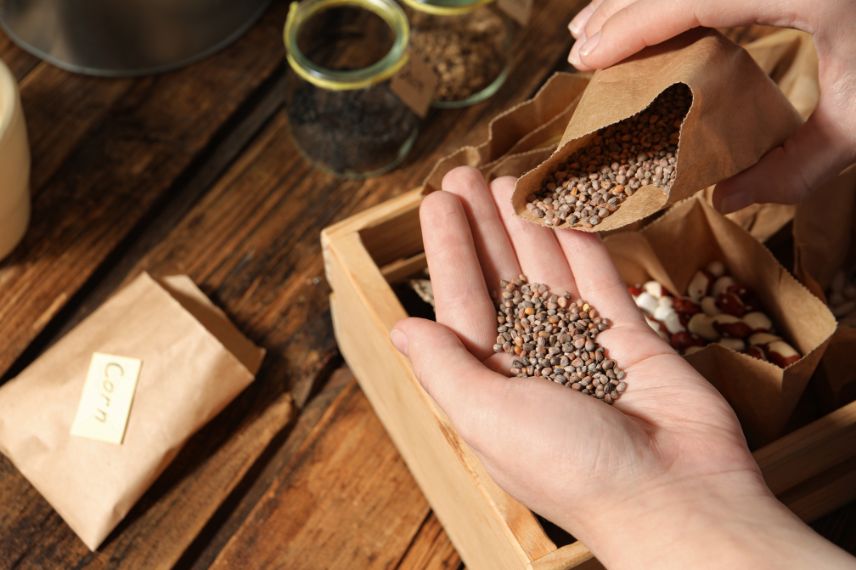
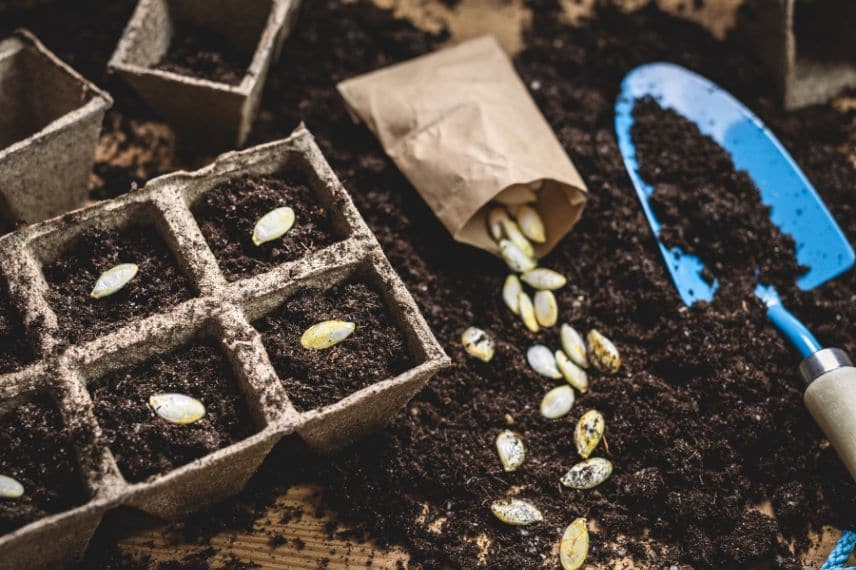
Hybrid seeds are the result of a controlled selection process, where two different varieties of plants are cross-bred to produce a new variety possessing specific characteristics. They are also known as ‘F1’. This production method aims to combine the most desirable traits of each parent plant, such as better disease resistance or higher yield. Gardeners often choose these seeds for their robustness and their ability to deliver abundant and high-quality harvests.
However, there is a notable drawback with hybrid seeds: they are generally not ideal for seed saving. The plants from hybrid seeds, which you will harvest yourself, do not faithfully reproduce the characteristics of the previous generation, which means that the harvested seeds will not yield the same quality in the next planting. For this reason, gardeners who wish to save their own seeds for future plantings may prefer other types of seeds.
In summary, hybrid seeds are an excellent option for immediate and impressive harvest results, but they require regular renewal of seed supplies to maintain crop quality.
Good to know: The term ‘F1’ means ‘first filial generation’. It refers to the first generation of plants obtained after the initial crossing of two pure parental lines.
Read also
Sowing vegetable seedsNative seeds
Native seeds from plants native to a given region are naturally adapted to the local environment. They have evolved to withstand the region’s specific climate conditions, local diseases, and to interact beneficially with regional fauna and flora. By choosing these seeds, gardeners enjoy a more resilient way of growing and reduced reliance on intensive care, such as overwatering or the use of pesticidal products.
The use of native seeds is also an effective means of preserving biodiversity. These plants support local ecosystems by providing food and habitat for native wildlife, including pollinators, essential for a healthy garden. By selecting regionally typical plants, such as certain varieties of wildflowers, native bushes or local trees, gardeners contribute to the preservation of native plant and animal species.
Pour planter des graines autochtones, il est conseillé de se renseigner sur les espèces typiques de sa région et sur leurs conditions de croissance idéales. Un sol local non modifié est souvent suffisant, car ces plantes sont adaptées pour y prospérer. Il est aussi judicieux de planter ces graines à une période de l’année qui imite leur cycle naturel de germination, généralement synchronisé avec les cycles climatiques locaux. En adoptant des graines autochtones,vous simplifiez non seulement votre pratique du jardinage, mais vous participez également activement à la protection et à l’enrichissement de leur environnement naturel local.
Coated or pelleted seeds
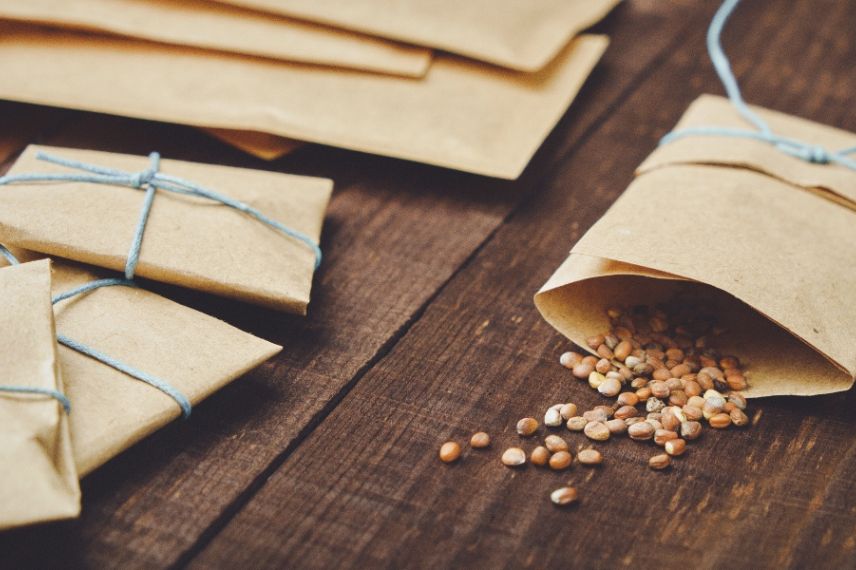
Coated or pelleted seeds represent an innovation in gardening, aimed at facilitating germination and protecting seeds. The coating involves enveloping the seed with a layer of nutrient-rich, protective or growth-enhancing substances, often identifiable by a bright colour. This technique improves the visibility of seeds during sowing, reduces the risk of over-sowing, and provides additional protection against diseases and pests.
One of the major advantages of coated seeds is their ability to facilitate germination. The coating provides seeds with essential nutrients for a robust start in life. Moreover, some coatings contain fungicidal or pesticidal substances, which help prevent diseases and insect attacks during the critical phases of germination and early growth. While these substances protect seed, they can be a source of environmental and health concerns, particularly for gardeners who favour organic gardening.
To use them most effectively, it is recommended to follow the specific instructions provided on the packaging, as germination rates can vary depending on coating composition. Coated seeds are particularly useful for beginner gardeners, as they simplify several aspects of the planting process and increase the chances of success.
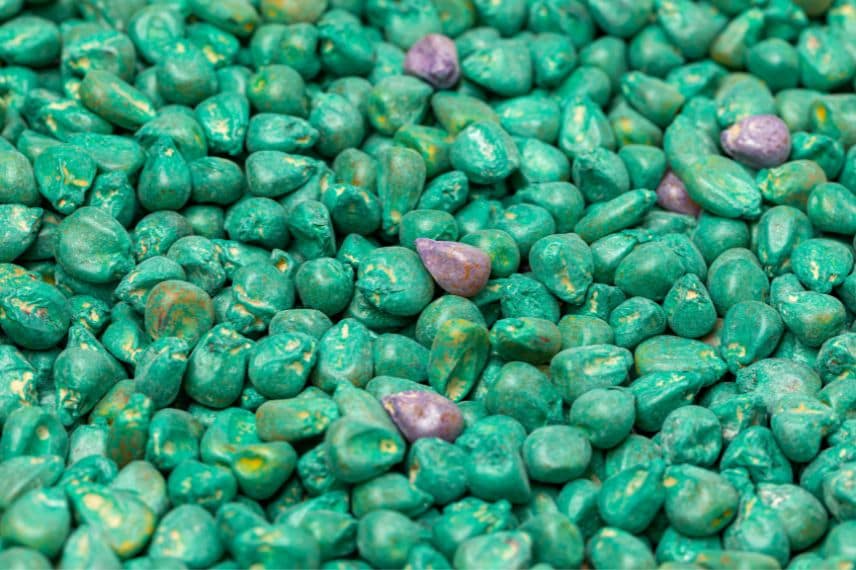
Treated maize seeds
Seeds with a long shelf life
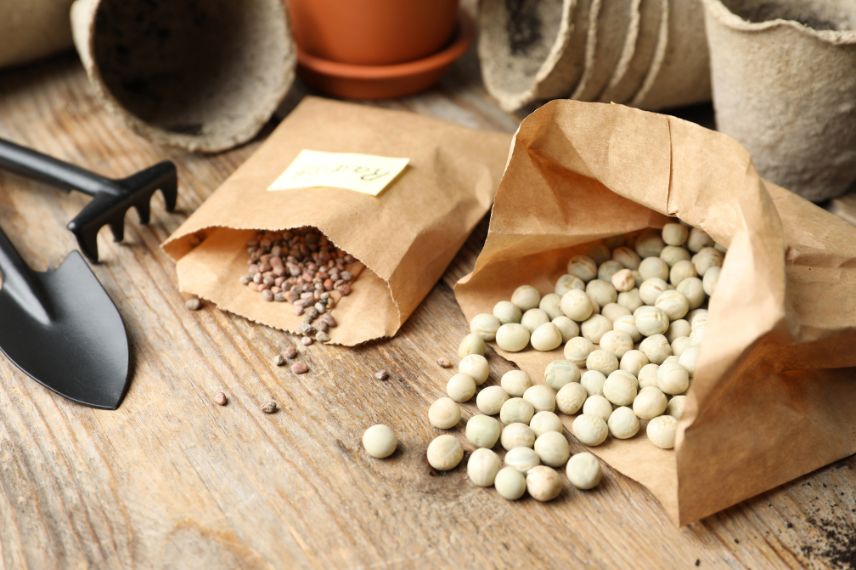
Long-lived seeds are characterised by their seed viability for many years, making them ideal for long-term storage. This longevity is particularly advantageous for gardeners who wish to build a seed stock or who plan their plantings over several seasons. These seeds maintain their seed viability for longer thanks to their low moisture content and genetic robustness, making them resistant to degradation over time. These include beans, peas, lettuces and squashes.
To optimise storage of these seeds, it is essential to keep them in a cool, dry place away from light. It is also important to protect them against temperature and humidity fluctuations, which can trigger germination or promote mould growth.
When using these seeds, it is advisable to check their seed viability before sowing, especially if they have been stored for a long period. This can be done with a simple germination test: place a few seeds on a damp paper towel, cover and observe whether they germinate in the following days. This allows you to assess the proportion of seeds that are still viable and to adjust the sowing quantity accordingly.
In short, long-lived seeds are a valuable resource for gardeners, offering flexibility and security in planning their crops. With proper storage and periodic checks of seed viability, they can serve as a reliable foundation for many seasons of gardening.
Experiment with different types of seeds.
In the garden, there’s nothing quite like putting theory into practice. We encourage you to experiment with different types of seeds and compare the results obtained, to discover those that best meet your needs and suit your environment (soil type, climate, etc.). Whether the aim is to grow quickly, to support local wildlife, to achieve abundant harvests, or simply to enjoy watching plants grow, there are seeds suited to every gardening ambition.
- Subscribe!
- Contents
Comments