





























Diseases and parasites of Beschorneria
Identifying, preventing and treating
Contents
Beschorneria is a large succulent plant, prized for its long green leaves and spectacular inflorescences, composed of small tulips pointing downwards and coral-red. Also known as the Mexican lily, it has an exotic, graphic look reminiscent of agaves and Yuccas. Semi-hardy, it is a plant suited to Mediterranean and Atlantic coastal climates. It thrives in dry gardens and helps structure large borders or add verticality to a rock garden. Although hardy, Beschorneria is not entirely immune to disease and parasitic pests. Discover the main problems and pests that can affect Beschorneria and the preventive measures and solutions to treat them effectively.

Scale insects
Mealybugs are tiny insects that suck sap from plants and weaken them.
Symptoms
You can recognise the presence of mealybugs by the small white, brown or black clusters that appear on the leaves and the stems of the plant. Another clue: yellowing and distortion of the leaves that eventually dry out and fall off. Mealybugs can also produce honeydew, a sticky substance that reveals their presence.
Prevention
Air the plant by taking it outdoors if it is in a greenhouse. Plant at a sufficient distance so that the atmosphere is not confined and unfavourable to the development of pests such as mealybugs.
Treatment
When there are only a few mealybugs, it is possible to remove them by hand using a cotton bud soaked in denatured alcohol. If there is a significant proliferation, spray the plant with a solution based on black soap diluted in water prepared according to the following recipe.
Into 1 litre of water, add:
– 1 teaspoon of liquid black soap
– 1 teaspoon of denatured alcohol
– 1 teaspoon of rapeseed oil
Mix everything and start by spraying this solution. Repeat the operation after 30 minutes. Then spray every eight days until the mealybugs have completely disappeared.
For more information, see our advice sheet: “Mealybug: identification and treatment”.
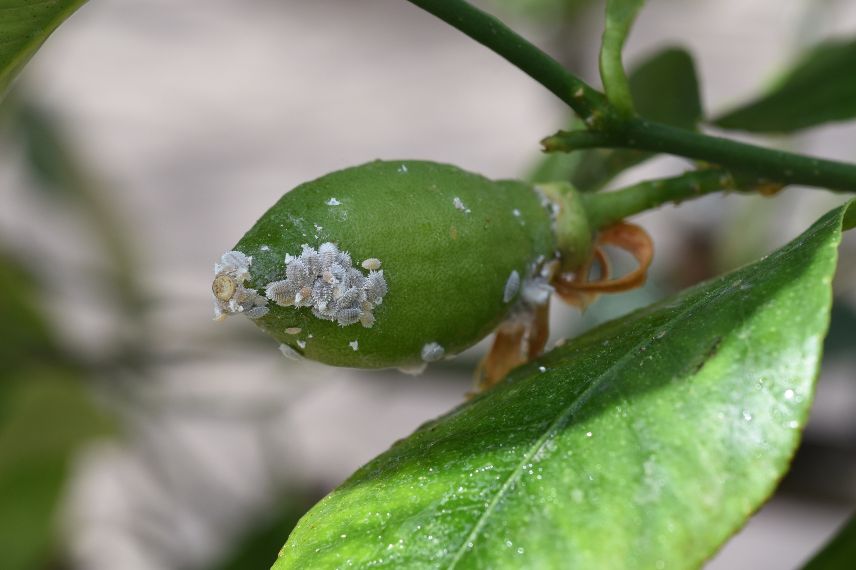
Powdery mealybugs in close-up
Read also
Pairing ideas with BeschorneriaAphids
We all know aphids, those tiny insects, often winged, that cluster on the undersides of leaves and feed on plant sap.
Symptoms
Aphids can be green, black or yellow, and are usually grouped on new shoots, buds and the undersides of leaves. The leaves may curl, turn yellow and deform. Aphids secrete honeydew, a sticky substance that can encourage sooty mould.
Prevention
Encourage biological control by attracting natural aphid predators such as ladybirds. You can also spray the plant’s leaves with a jet of water from time to time to dislodge any aphids.
Treatment
When the plant is only lightly infested, use a jet of water sufficiently powerful to remove the aphids from the plants. If that isn’t enough or if the established aphid colonies are too numerous, spray the Beschorneria with a solution prepared by mixing 15 to 30 g of liquid black soap with 1 litre of water.
For more information, see our advice sheet: ‘Aphid identification and treatment’.
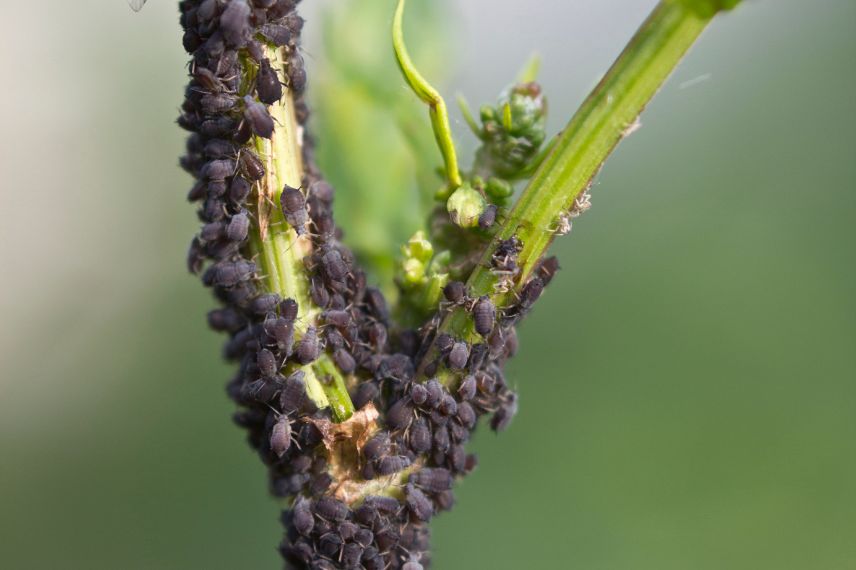
Close-up: a colony of black aphids
Leafhoppers
Leafhoppers are small hopping insects that feed on plant sap like aphids. They can be brown, green or white. Most are harmless, but if they become too numerous, control is advisable.
Symptoms
Growth slows on the plant, discolouration of leaves with spots and honeydew, a sticky black substance produced by the insects.
Prevention
Install tit boxes to attract them so they feed on leafhoppers. You can also rely on ladybirds, spiders and lizards to regulate leafhopper populations.
Treatment
For small infestations, remove leafhoppers by hand or give leaves a jet of water to remove the insects. For more significant infestations, spray the plant with neem oil or a solution made with diluted black soap in water, using 10 to 20 g of liquid black soap mixed with 1 litre of lukewarm water.
Introduce natural predators such as Metcalfa pruinosa or Neodryinus typhlocybae, a small wasp that attacks leafhopper larvae.
For more information, see our advice sheet: ‘Leafhopper: identification and treatment’.
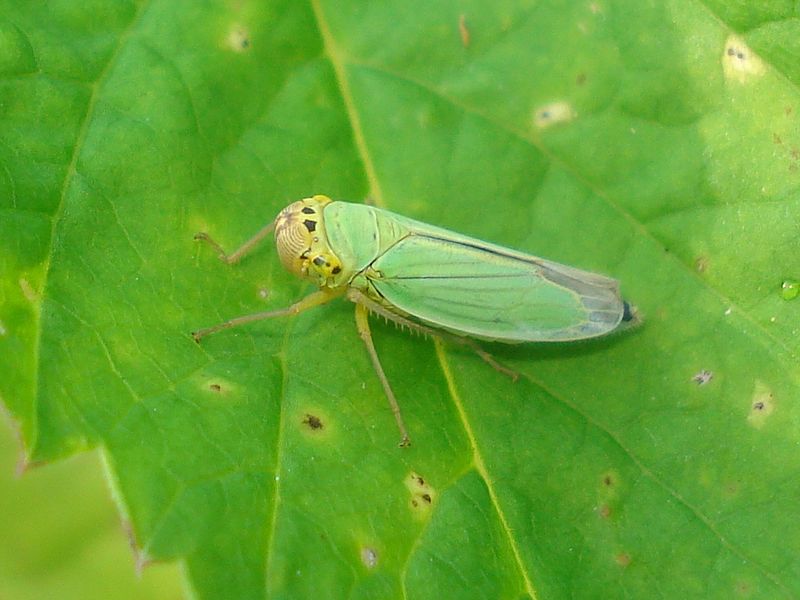
Green leafhopper (© Sanja565658)
Read also
How to propagate Beschorneria?The agave weevil
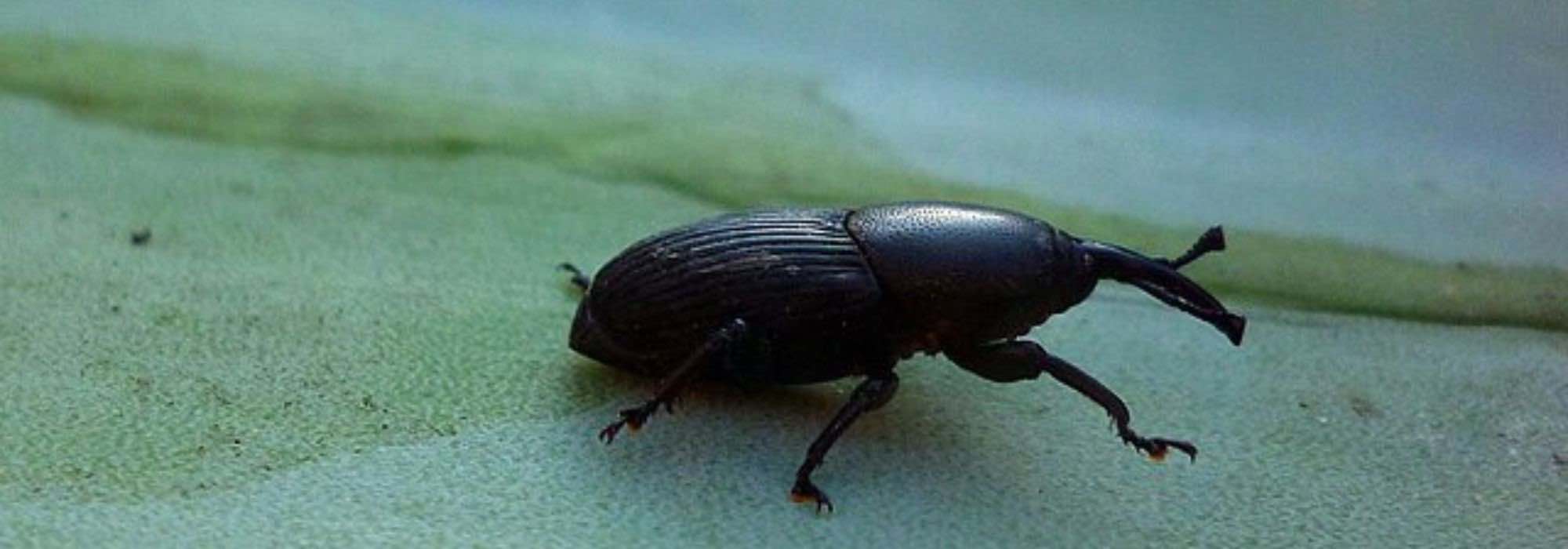
The agave weevil (Scyphophorus acupunctatus) is a pest insect that primarily attacks agaves, but can also affect Beschorneria. It is a small black beetle that lays its eggs in the plant.
Symptoms
Larvae bore galleries into the stems and roots, weakening the plant. There may be browning of the leaves, ooze from developing leaves, and rotting.
Prevention
Regularly inspect your plants for signs of damage and the presence of weevils.
Treatment
Cut away the affected tissue (which appears black) and destroy the weevils and larvae. Apply Bordeaux mixture to prevent infection.
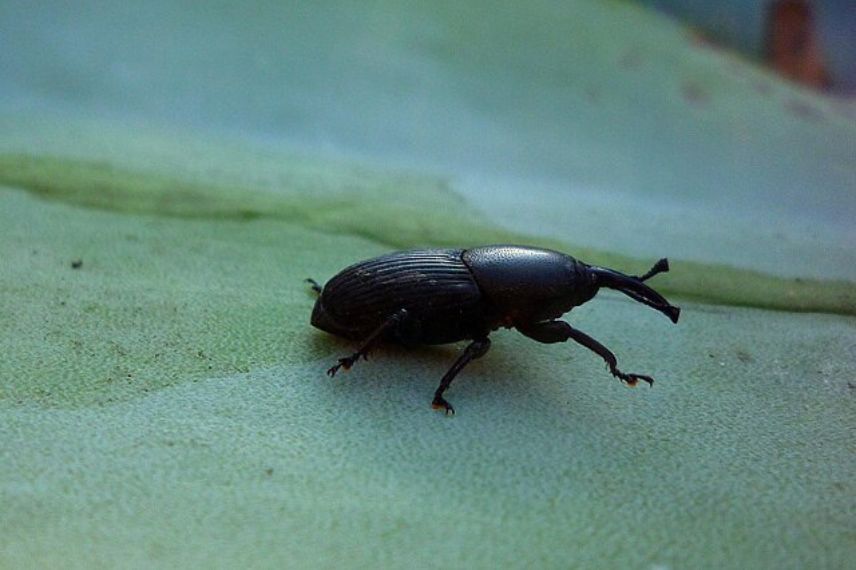
The agave weevil
Find out more
In addition, discover our fact sheet: Identify the main parasitic insects and plant diseases, as well as our comprehensive fact sheet on the planting and care of Beschorneria.
- Subscribe!
- Contents
Comments