





























Diseases and parasites of ornamental grasses
Identifying, treating, preventing
Contents
The numerous species of grasses ornamental that brighten our gardens are easy to grow, generous and luxuriant. They are also rarely affected by various cryptogamic diseases and parasitic attacks that affect our other plants. However, as some species are not entirely immune to certain diseases and a few parasites, let’s explore the common problems perennial grasses may face, how to identify them, as well as natural solutions to treat them and prevention measures to keep your grasses healthy.

Grasses, naturally hardy perennials
We cultivate in our gardens a great many grass species, each with its own characteristic. Let us note here that most of them are highly resistant to diseases and parasitic pests. Stipas, Molinies, Fétuques, Miscanthus, Andropogon, Calamagrostis, Deschampsia, Pennisetum, Hakonechloa and Chasmanthium are examples of these grasses that remain free from such problems.
Read also
The indestructible grassesRust
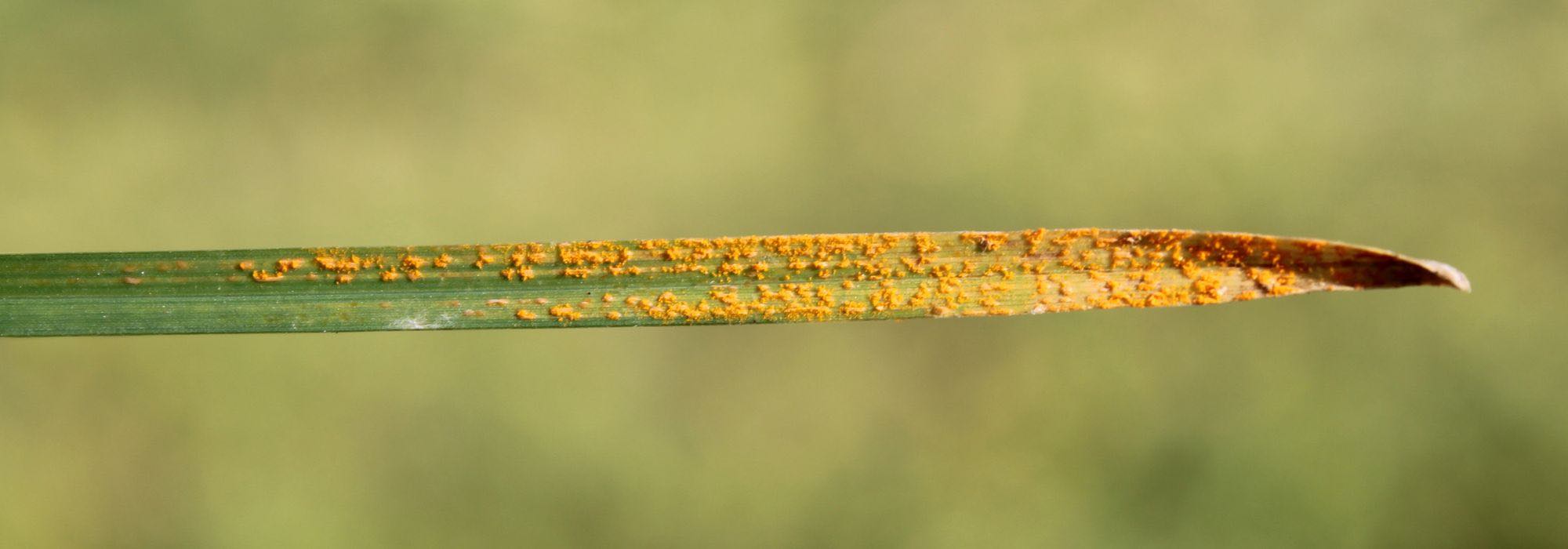
Rust is one of the most common diseases, and one of the few that affect perennial grasses. It is caused by fungi of the genus Puccinia, Puccinia striiformis and Puccinia graminis, which thrive in humid conditions with temperatures ranging from moderate to warm. Rust can significantly weaken the plant if not properly treated. It hampers its photosynthesis.
Not all grasses are susceptible. It is found mainly on the Panicums, and the Phalaris.
Identification
Rust appears as small rust-coloured spots on the leaves of perennial grasses. These spots can vary in size and shape, but are generally round or ovate. As the disease progresses, these spots can merge to form larger areas of rust-coloured discoloration on the leaves, leading to slower growth.
A distinctive sign of rust is the presence of small rust-coloured pustules on the undersides of the leaves. These pustules contain fungal spores, which are dispersed by wind or water splashes, thereby promoting the spread of the disease.
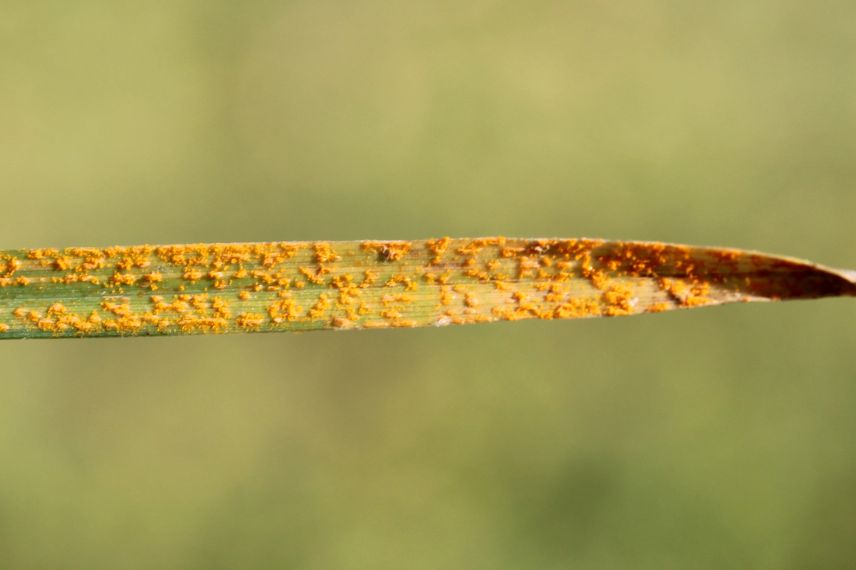
The characteristic symptoms of rust
Natural treatment
Here are some natural solutions to combat rust:
- Prune the affected parts: As soon as you identify leaves showing rust signs, prune them and remove them to prevent the spread of the disease. Be sure to disinfect your pruning tools between cuts to avoid contaminating other parts of the plant.
- Spray horsetail decoctions: Horsetail decoctions are effective when applied regularly, every fortnight, possibly in combination with nettle manure.
- Fungicides help neutralise rust. Use copper-based substances such as the Bordeaux mixture or sulphur.
Prevention
Some preventive measures for susceptible species can help:
- Avoid excess moisture: Over-watering or prolonged moisture promote rust development. Water your plants appropriately and ensure the soil is well drained.
- Water at soil level: Avoid wetting the leaves of perennial grasses, as moisture on the leaves promotes rust growth. Prefer watering directly at soil level.
- Improve air circulation: Stagnant moisture promotes rust development. Ensure you plant your perennial grasses at an appropriate distance from each other to promote good air circulation.
- Strengthen plant health: A healthy perennial grass is more resistant to diseases. Provide your plants with suitable soil for the species. Pay attention to drainage, soil richness or lack thereof, add compost if necessary, and ensure they receive enough sunlight. Horsetail decoctions and nettle manures mentioned in the treatment paragraph can also be used as prevention because they strengthen your plants and make them more resistant.
Some other possible diseases
Powdery Mildew
Powdery mildew can affect ornamental grasses, but bear in mind that this is a rare occurrence. If your grass is affected, you will see black spots on the foliage. It spreads in warm, confined and humid air, with significant temperature fluctuations.
You can treat it with natural solutions based on sulphur or bicarbonate of soda, or even milk.
→ See Virginie’s Powdery Mildew article to learn the natural recipes to apply to your plant.
Prune the affected parts and burn them to prevent overwintering of the fungus.
Powdery Mildew
Powdery mildew manifests as white powdery patches on the leaves of grasses. To combat powdery mildew, use a mixture of water and bicarbonate of soda as a natural treatment or Bordeaux mixture.
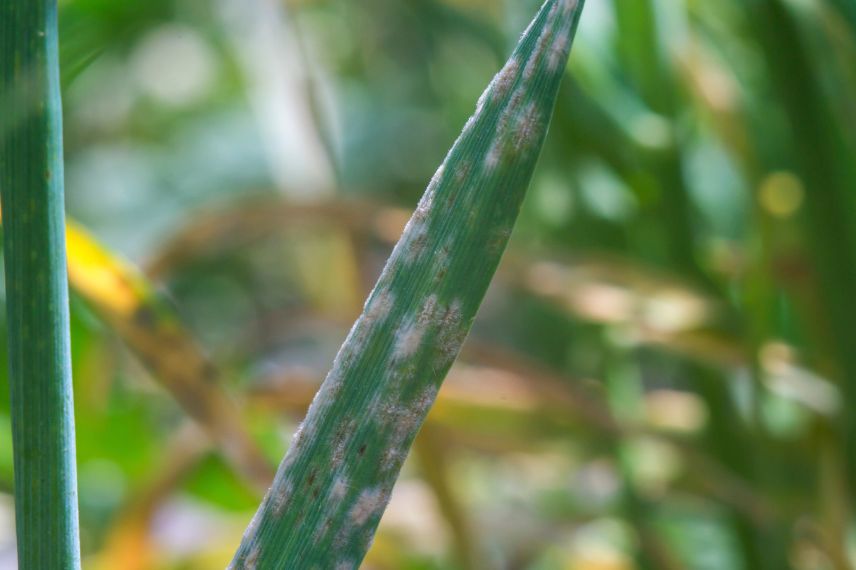
Powdery mildew leaves a white powder on the leaves
Leaf Spots
Leaf spots are usually caused by excess humidity. Avoid overwatering, and if necessary, remove the affected leaves to prevent spread.
Prevention
Regarding prevention, practices such as good air circulation between plants, suitable soil, adequate fertilisation, appropriate watering, a horsetail spray, help reduce the risk of fungal diseases in grasses.
Other cryptogamic diseases affect lawn or forage grasses, but not ornamental grasses.
Read also
Pruning grassesParasites
If you grow a papyrus indoors, watch for the appearance of whiteflies or red spider mites. These pests thrive in dry, warm conditions.
Carex can suffer aphid attacks. Aphids are small insects that feed on the sap of grasses. They leave behind excess honeydew, which can attract other pests such as ants. Identify them by their small size and colour ranging from dark green to black. The use of diluted black soap with water or strong water jets can eliminate them.
See our articles dedicated to these parasitic pests in the related links at the bottom of the page.
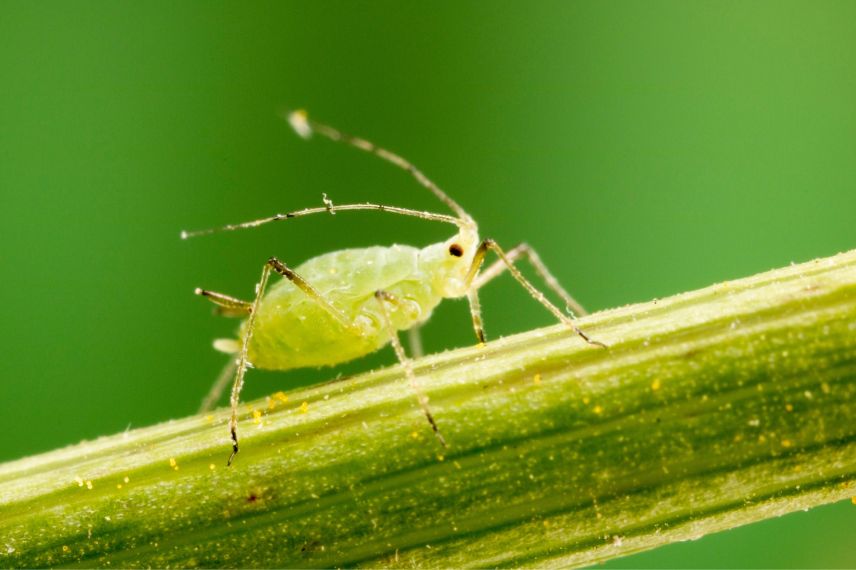
A green aphid
- Subscribe!
- Contents
Comments