





























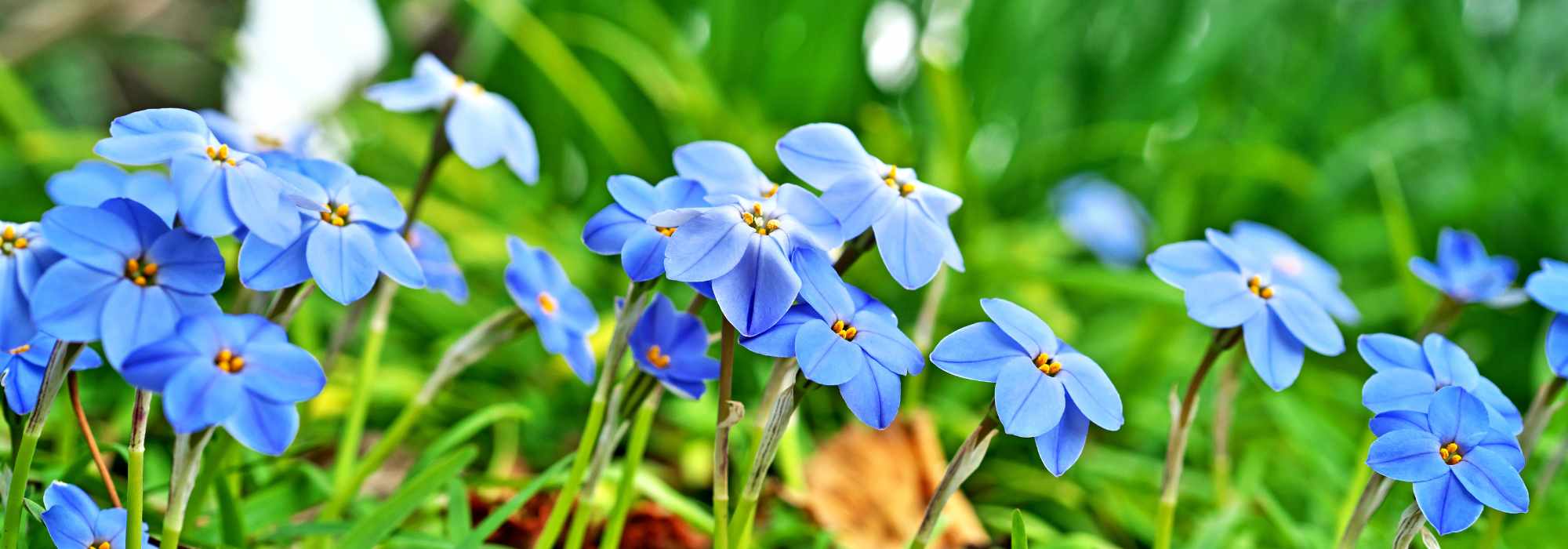
Grow Ipheion in the ground or in pots
Our tips for successful planting
Contents
Ipheion, commonly known as spring starflower, is a small bulb that flowers early in spring and sometimes even in midwinter in mild climates. At once discreet and luminous, it naturalises readily, forming sumptuous carpets of elegant, fragrant blue, white or mauve flowers or pretty spring-potted plants. It grows everywhere, requiring no maintenance, in sun or shade, in any well-drained ordinary soil, and finds a home in gardens of all kinds. Discover how to succeed with planting it in the ground as well as in pots!
→ Find our comprehensive cultivation tips on the page Ipheion: planting, growing and pairing.
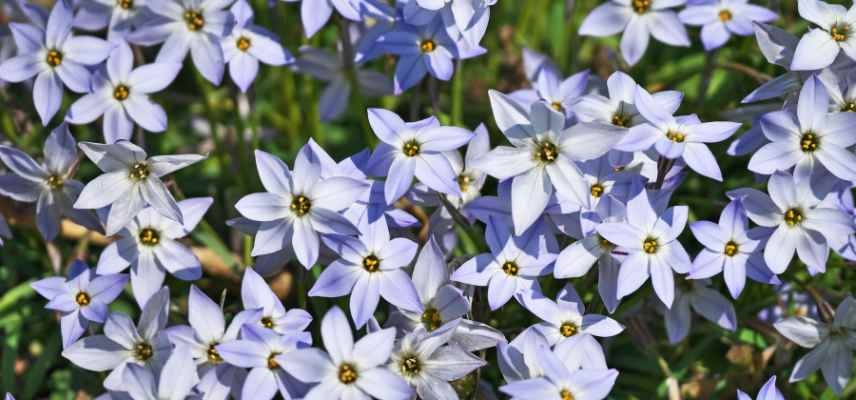
Planted in bulk, Ipheions brighten the very start of spring

When to plant Ipheion?
The ideal time to plant Ipheion bulbs is between September and November, whether in the ground or in pots. During these months, climate conditions are most favourable for the bulbs to establish themselves well in the soil, before the first frosts of winter. This small bulb will be able to develop its roots deeply and bloom from the end of winter or the start of spring.
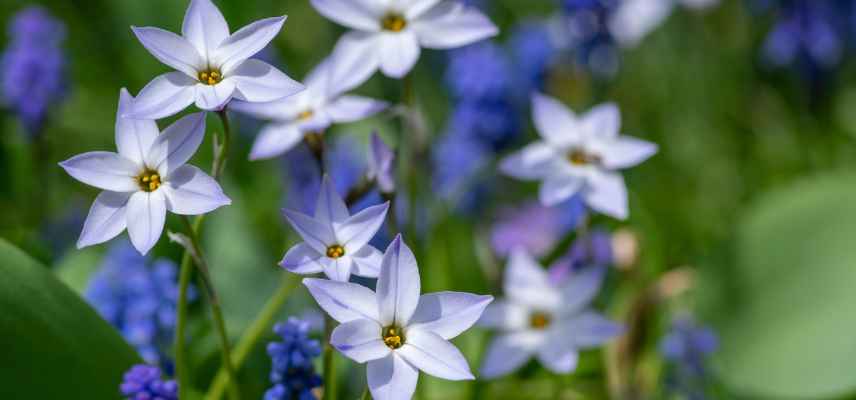
Ipheions and muscaris
Read also
6 bulbs easy to naturalise in the gardenWhere to plant Ipheion in the garden?
Perfectly hardy in well-drained soil, Ipheions (-10 to -15°C) can be planted in all regions and will form beautiful flowering carpets after a few seasons. In our regions with harsh winters, simply mulching the soil will protect them from frost or opting for pot cultivation. They thrive in many situations and create delicate, fresh displays—both in full sun and in semi-shade. They establish themselves and naturalise over time as a groundcover in woodland, in a rock garden, in a border or scattered through a meadow or lawn. Easy to grow and undemanding, they tolerate ordinary, fairly fertile, cool soil, but above all well-drained. Avoid waterlogged soils that could cause the bulbs to rot.
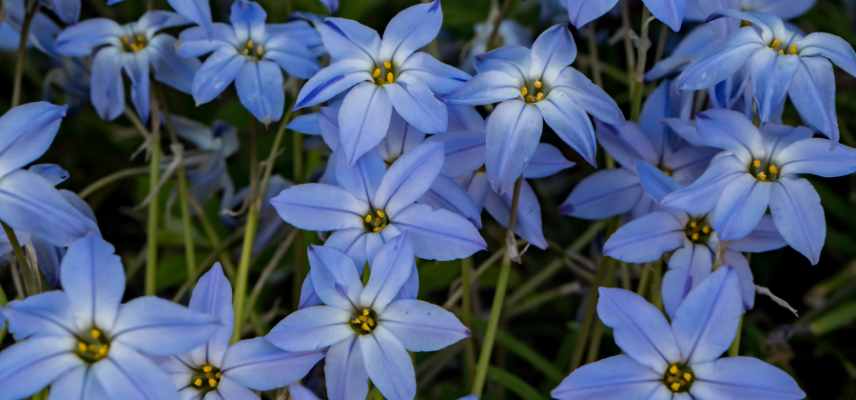 Sun or semi-shade: the ideal position for Ipheion</caption]
How to plant Ipheion?
In open ground
Ipheions should be planted in groups of 3, 5 or more, for a natural-looking planting or in large numbers of at least 50 bulbs to create stunning flowering corners around the house, in borders, or at the base of trees. This makes a strong visual impact and a carpet of flowers from early spring. In summer, don’t worry—the foliage yellows, then the plant gradually fades to dormancy.
- Loosen the soil deeply to help the bulbs establish
- If the soil drains poorly, mix gravel into the soil or lay a bed of gravel or pouzzolane beneath the bulbs to prevent rotting
- With a bulb planter, plant the bulbs at a depth of 8–10 cm, the tip of the bulb facing upwards, spacing them 5 cm apart
- Cover the bulbs with a layer of soil equal to twice the bulb height
- Water moderately and especially during prolonged dry spells
- Protect the young shoots from slugs and snails
- Mulch in winter to protect the clumps in cold and damp regions
- After a few years, once the clumps are well established, you can divide them to rejuvenate them and extend the flowering area
In a pot
Ipheion is well suited for creating attractive spring window boxes. Plant densely, aiming for around ten bulbs per pot, ensuring the bulbs do not touch. Place the pot on a sunny terrace, windowsill or balcony. You can mix it with other small spring bulbs, such as muscari, botanical tulips, or hyacinths.
- Spread a layer of clay pebbles at the bottom of the pot to aid drainage
- Plant the bulbs in a mix of garden soil, multipurpose compost and pouzzolane
- Cover the bulbs with soil to a depth twice the bulb height
- Protect them from slugs and snails that feast on the young foliage
- Mulch
- Water once to twice a week during the growing season
- Stop watering during the summer dormancy
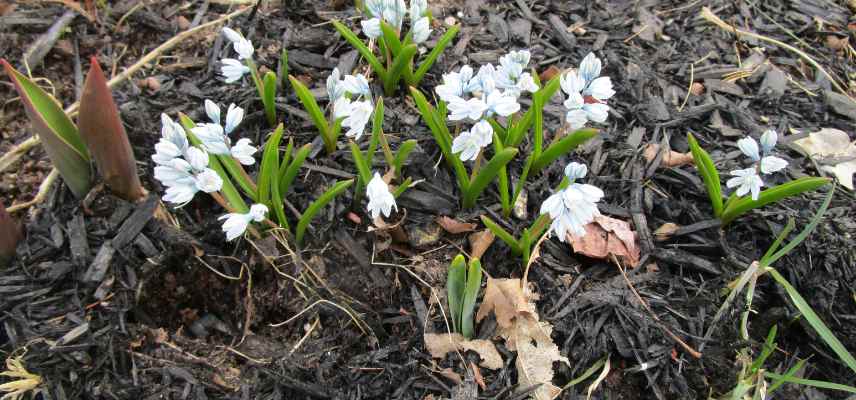
Snow stars are emerging from the soil, a beautiful promise to come!
Good to know
A rest period is essential after flowering to allow the bulbs to replenish their stores and to flower again abundantly in the next season. In pots as well as in the ground, leave the foliage to wither and dry out completely before cutting it.
- Subscribe!
- Contents

Comments