





























Growing freesias in pots
Our growing tips to succeed with it
Contents
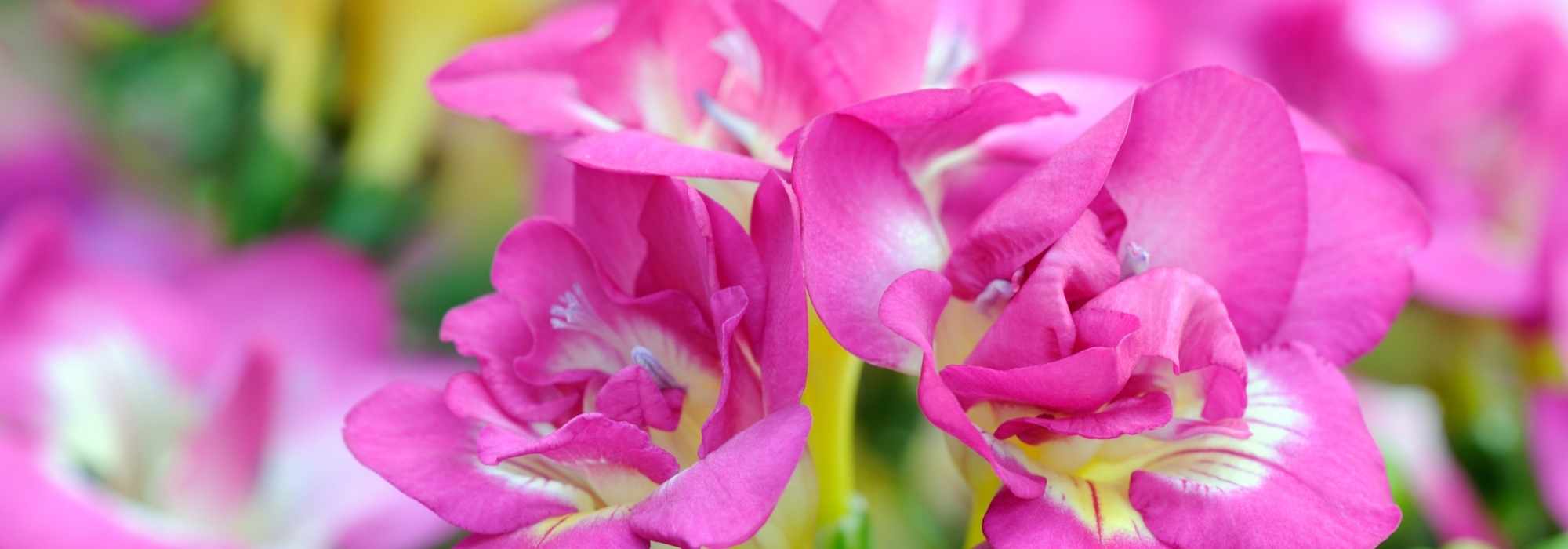
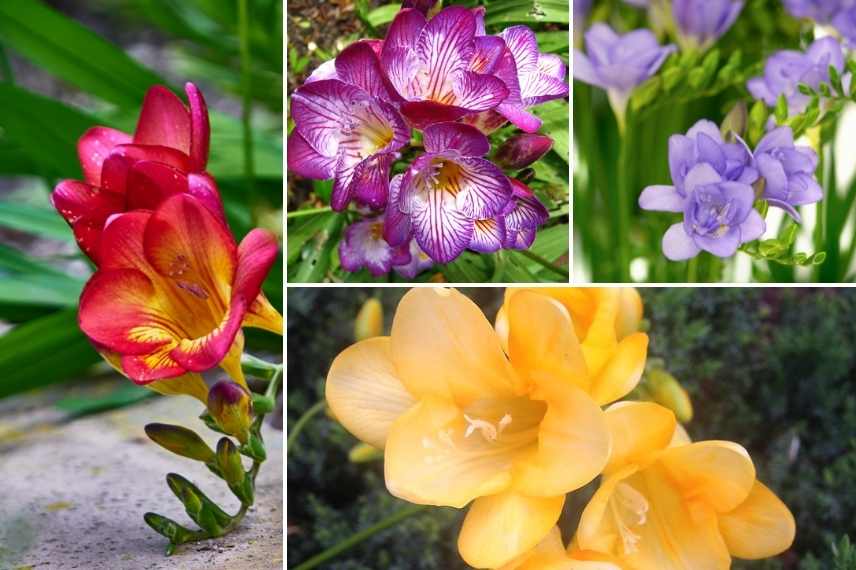
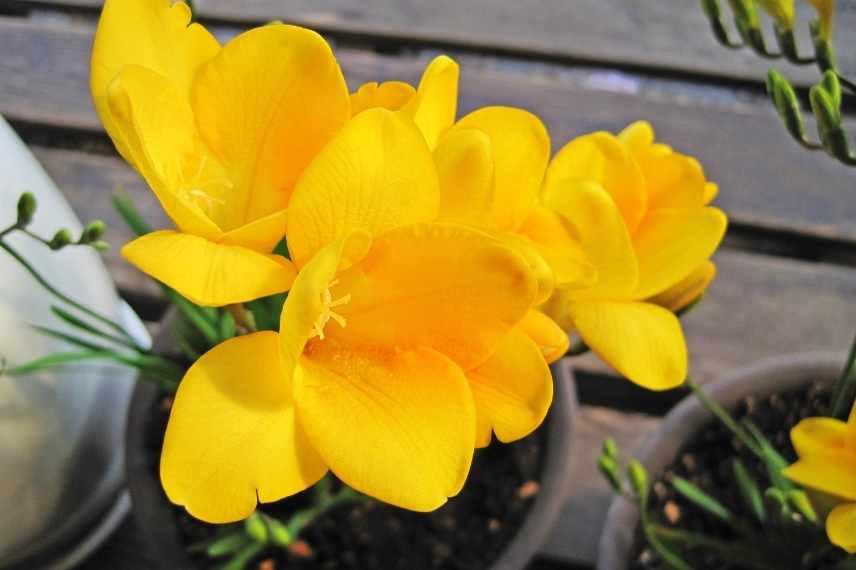
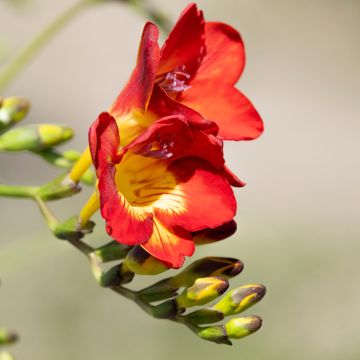
The Freesias are beautiful fragrant flowering bulbs, providing compact clusters of single or double trumpet-shaped flowers from May to September. With their flowering in a wide range of colours—pink, red, purple, orange, yellow, or white—you can create lovely floral displays!
Frost-sensitive, they cannot withstand temperatures below -3°C, and grow perfectly in pots to enjoy their powerful jasmine-like fragrance right on the terrace. Pot cultivation allows freesias to be grown even in regions with harsh winters, provided you store the pots during the cold season to protect them from frost. If you have the option to bring them into a greenhouse or conservatory in winter, you can enjoy an early flowering before taking them out in spring. Additionally, the freesia bulbs can be forced indoors to enjoy their fragrant flowers in the heart of winter!
Here are our planting and care tips for successfully growing freesias in pots!
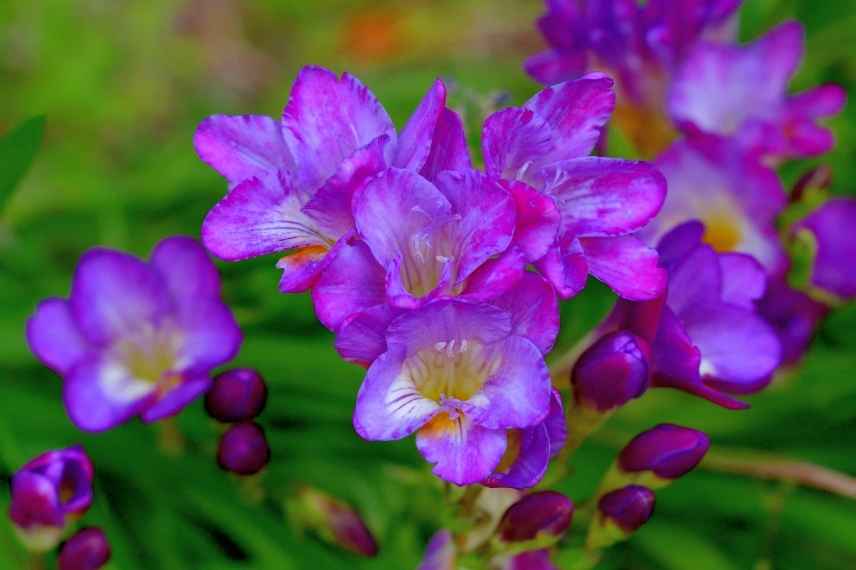
Freesias offer stunning and varied colours

What type of pot?
For planting freesias in pots, choose a container that is at least 20 to 30 cm in diameter and depth, knowing that a 15 cm diameter pot can hold 5 to 7 freesia bulbs. You may also opt for a deep planter.
Regarding the material of the pot, you can choose according to your preferences, but be aware that a terracotta pot, which is porous, allows air and water to circulate naturally. In any case, ensure that the bottom of the pot is drilled to facilitate the drainage of rainwater or watering, which will prevent the bulbs from rotting.
→“Plastic, biodegradable or terracotta pot”: discover the different types of pots, their advantages and disadvantages.
Read also
Freesia: planting, cultivation and careWhat compost for pot-grown freesia?
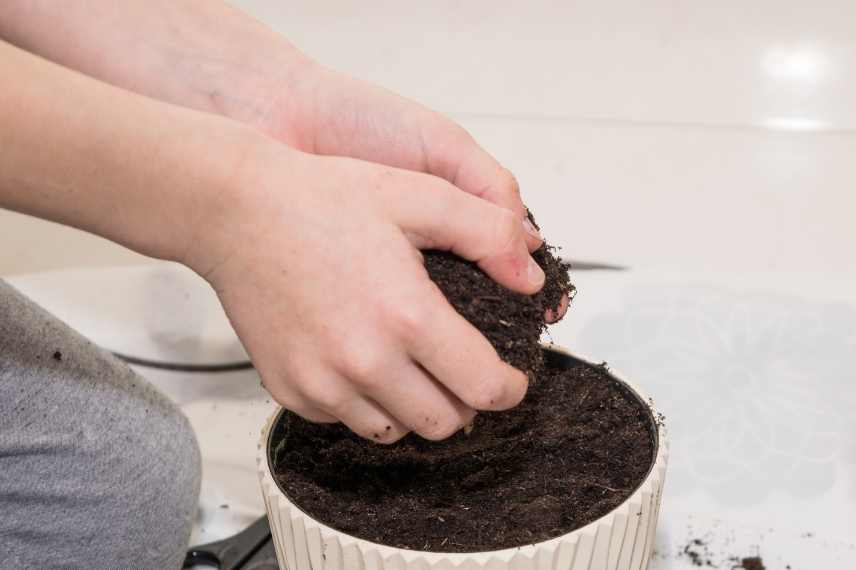
The freesia requires a very well-drained substrate. Its development is optimal in a sandy, rich, and light mixture. Plant the bulbs in a mix of 50% quality compost, 25% sand, and 25% turf. Always add a good proportion of at least 15 to 20% river sand.
Discover other Freesia
View all →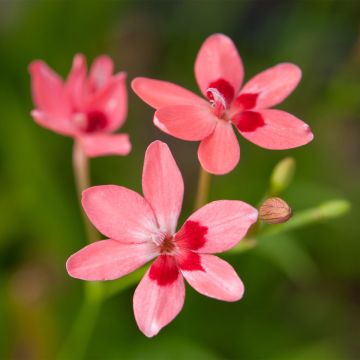
Available in 2 sizes

Available in 1 sizes
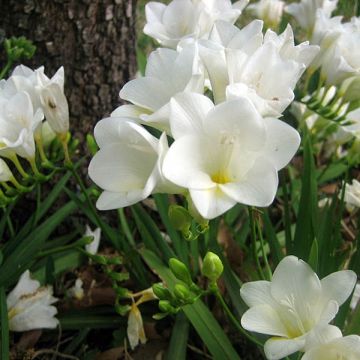
Available in 1 sizes
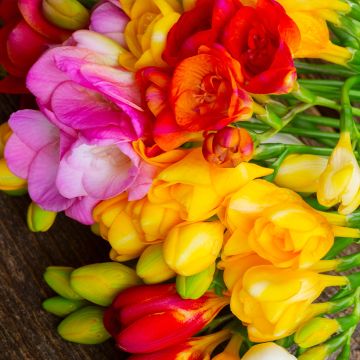
Available in 1 sizes
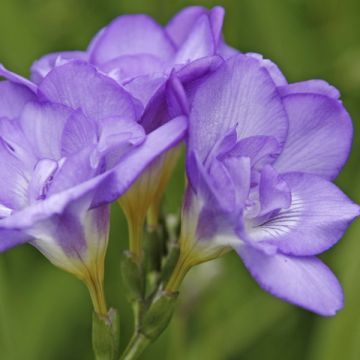
Available in 1 sizes
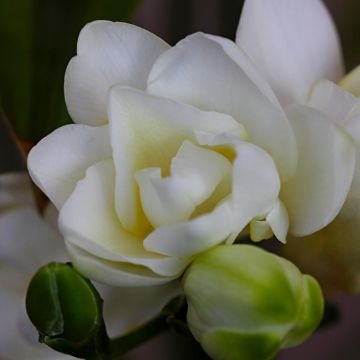
Available in 1 sizes
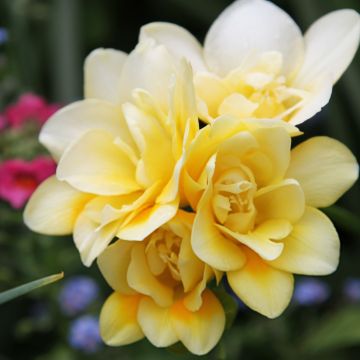
Available in 1 sizes
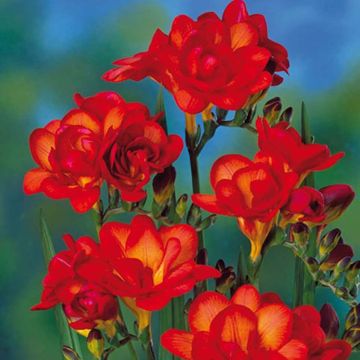
Available in 1 sizes
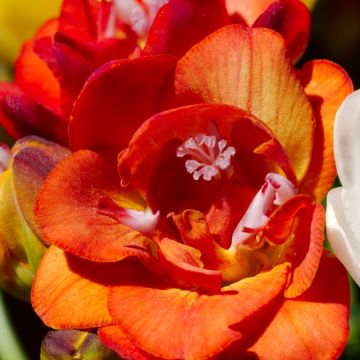
Available in 1 sizes
Available in 1 sizes
When to plant freesias in pots?
You can plant Freesias in spring or autumn, avoiding frost or heatwave episodes. Planted in spring, they will flower in summer. If planted in autumn, they will fragrance the air from April to May. If you want to enjoy an early flowering, freesia bulbs can be forced indoors, similar to hyacinths. In this case, plant them in pots in autumn and keep them in a cold greenhouse away from frost. They will flower in mid-winter!
→ Follow all Ingrid’s tips for forcing bulbs indoors
Read also
6 summer bulbs with fragrant flowersHow to plant freesias in pots?
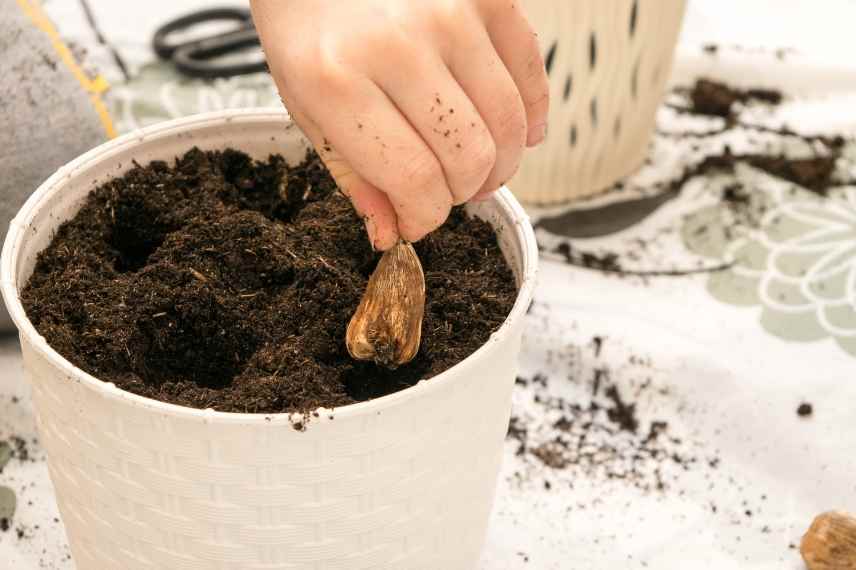
Planting Freesia Bulbs in Pots
For a 15 cm pot, plan for 5 to 7 freesia bulbs spaced 6 cm apart, more if the container is larger.
- Place a drainage layer of clay balls, pumice, or gravel at the bottom
- Fill three-quarters with a mix of soil and sand
- Plant 3-5 cm deep, with the tip of the bulb facing upwards
- Cover with the remaining mix
- Firm down
- Water lightly, without excess
Exposure
Extremely frost-sensitive, the Freesia will only thrive and be floriferous in a warm, sunny location. It requires at least 6 hours of sunlight per day. On your balcony or terrace, place it in full sun, in the warmest spot and sheltered from cold drafts.
Caring for Potted Freesias
Watering
Freesias are sensitive to moisture, which can rot their bulbs, but they must not lack water either. Water 1 to 2 times a week, allowing the soil to dry on the surface between waterings. Water should not stagnate at the bottom of the pot, as this can cause the bulbs to rot. Increase water supply during hot weather. Water regularly, always without excess, throughout the growth period and until the foliage has completely yellowed. Reduce watering when the flowers fade. After the foliage has dried out (at the end of summer), keep the bulbs dry by stopping watering. The bulbs then enter dormancy until the following spring.
Fertilisation
In pots, the plant depletes the nutrients in its substrate more quickly. Don’t hesitate to feed your potted freesias with a special organic bulb fertiliser diluted in the watering water every 15 days, as soon as the flower buds appear and during the flowering period.
Pruning
- Simply remove faded flowers as they occur to encourage renewed flowering.
- Cut back the dry foliage to ground level only when it has completely yellowed: if you do this before the leaves have faded, the bulbs will not have time to replenish their reserves for the next flowering.
Wintering
Freesias do not withstand frost. Bring the pots indoors before the frost, around mid-October, to a frost-free greenhouse or conservatory, at a temperature not dropping below 3-4 °C. During wintering, do not water as the bulbs need to be kept dry. Wait for milder temperatures before taking your pots outside again.
Repotting
Every 2 to 3 years, repot into new pots. In the meantime, feel free to top dress to renew the old substrate with a new, more nutritious layer each year.
For further reading
For everything you need to know about Freesia, check out our complete guide and explore our beautiful collection of freesia bulbs!
- Subscribe!
- Contents
![[freesia_culture pot="container" jardiniere="window box"]](https://en.promessedefleurs.eu/blogwp/wp-content/uploads/2022/06/Cultiver-le-freesia-en-pot-1.jpg "[plant id=\"freesia\" growing=\"pot\"]")
Comments