





























Holly diseases and pests
Identify and handle naturally
Contents
Holly or Ilex is a well-known bush in our woodlands, although there are several species native to Asia or North America, in addition to Ilex aquifolium, native to Europe. It is rarely affected by diseases and parasitic attacks, which allows Ilex crenata, with leaves similar to boxwood, to replace the latter, which has been much more attacked and decimated over the last decade. However, there are a few specific parasites of holly that we will discuss in this article.

Mealybugs
Mealybugs are often recognised by the white cottony masses found on the undersides of holly leaves, particularly around May-June. Additionally, the leaves are sticky and covered in sooty mould. They are also known as scale insects, as the females have a protective shell. You can find them on holly.
The species Pulvinaria hydrangea and Pulvinaria regalis are the ones that affect gardens. They primarily develop on trees and bushes. They are difficult to combat but do not cause significant damage. You can significantly reduce their numbers. Avoid using an insecticidal product with a broad spectrum that could harm beneficial organisms in the garden. Here are some natural solutions:
- Start by spraying the infested holly with a targeted jet of water.
- Remove the mealybugs with a cloth soaked in 90° alcohol or soapy water. Rinse with water.
- Remove the waxy shells present on the plant as well. For this, use a knife to slide between the shell and the plant. Collect them in a container and then burn them.
- For larvae that lack protection, spray soapy water with black soap for several weeks to reduce the population.
- Prepare an anti-mealybug solution in a sprayer consisting of 1 teaspoon of rapeseed oil, which is suffocating, and the same amount of 90° alcohol, which disturbs the mealybugs, diluted in 1 L of water with 1 teaspoon of black soap to help the oil adhere. Spray on the plant, then repeat after 30 minutes. Continue spraying weekly until the mealybugs are gone. It is best to apply this treatment when your holly is in the shade, at the end of the day.
- If the holly is infested, you can cut branches with a diameter of less than 2 cm in winter, where they are lodged, and burn them.
Regarding prevention, it is very useful to encourage the presence of beneficial organisms in the garden. Mealybugs are sedentary and vulnerable to predators. Keep some areas of the garden wilder by allowing nettles to grow, for example, which harbour many beneficial organisms. Grow melliferous flowers. Install insect hotels. These actions are rewarding and beneficial.
→ Read Virginie’s article to learn all about mealybugs
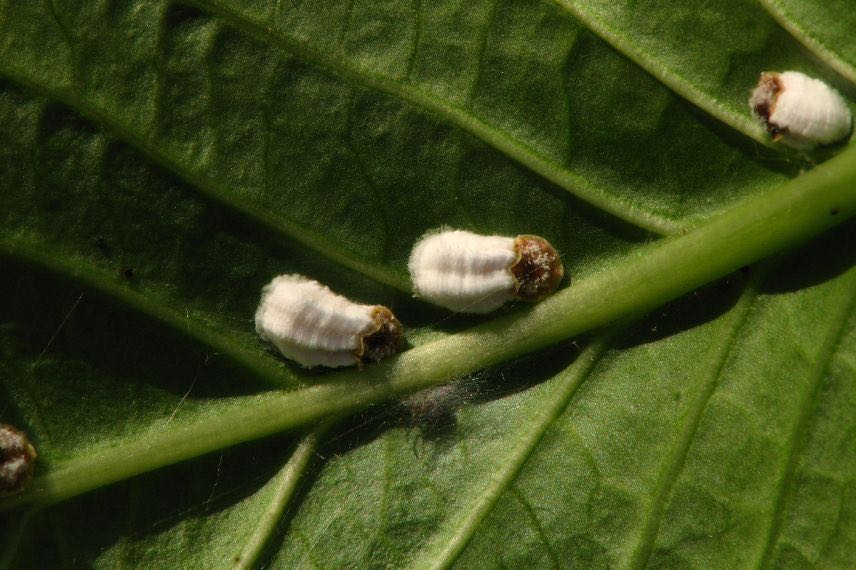
Mealybugs
Read also
Holly: planting, pruning and careHolly leaf miner
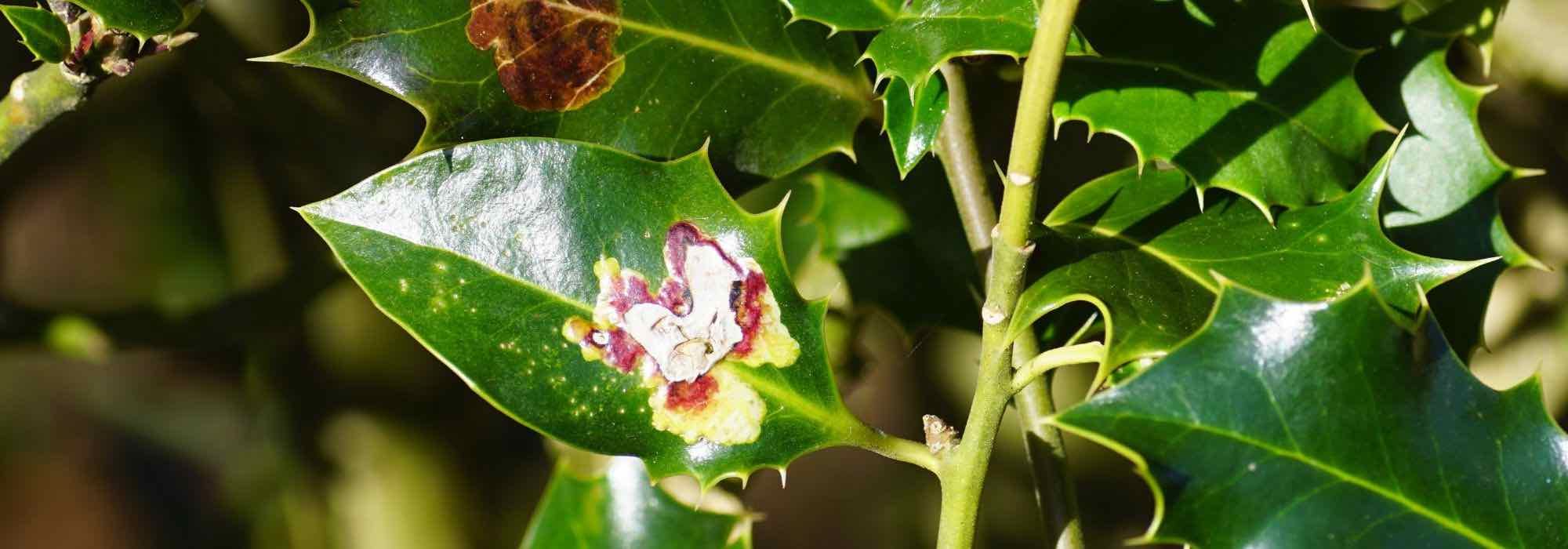
Here is a specific parasite of holly: Phytomyza ilicis. This leaf miner is a species of dipteran insects with short antennae, whose larvae “mine” the leaves of holly. Similar to a maggot or caterpillar, it burrows galleries within the thickness of the lamina between the two epidermises. Its damage is primarily aesthetic; this parasite does not affect the growth of the plant except in cases of massive infestation. Females lay eggs on the underside of the leaves, and the larvae create a linear mine that ends with a yellow to brown-red spot. It is through the appearance of these spots that you become aware of their presence.
The holly miner is difficult to combat. There are no chemical treatments to consider, as the miners only pass through and the larvae are insensitive to them. The natural solutions are as follows:
- Spray a diluted solution of black soap (always this one) once a month in spring, or even in summer.
- Plant lemon balm (Melissa officinalis) or lemongrass (Cymbopogon citratus, here in seeds and here in plant) at the base of the holly, as their scents strongly disturb the holly miner.
- This should be enough to keep it away. Otherwise, you can cut and burn the infested leaves.
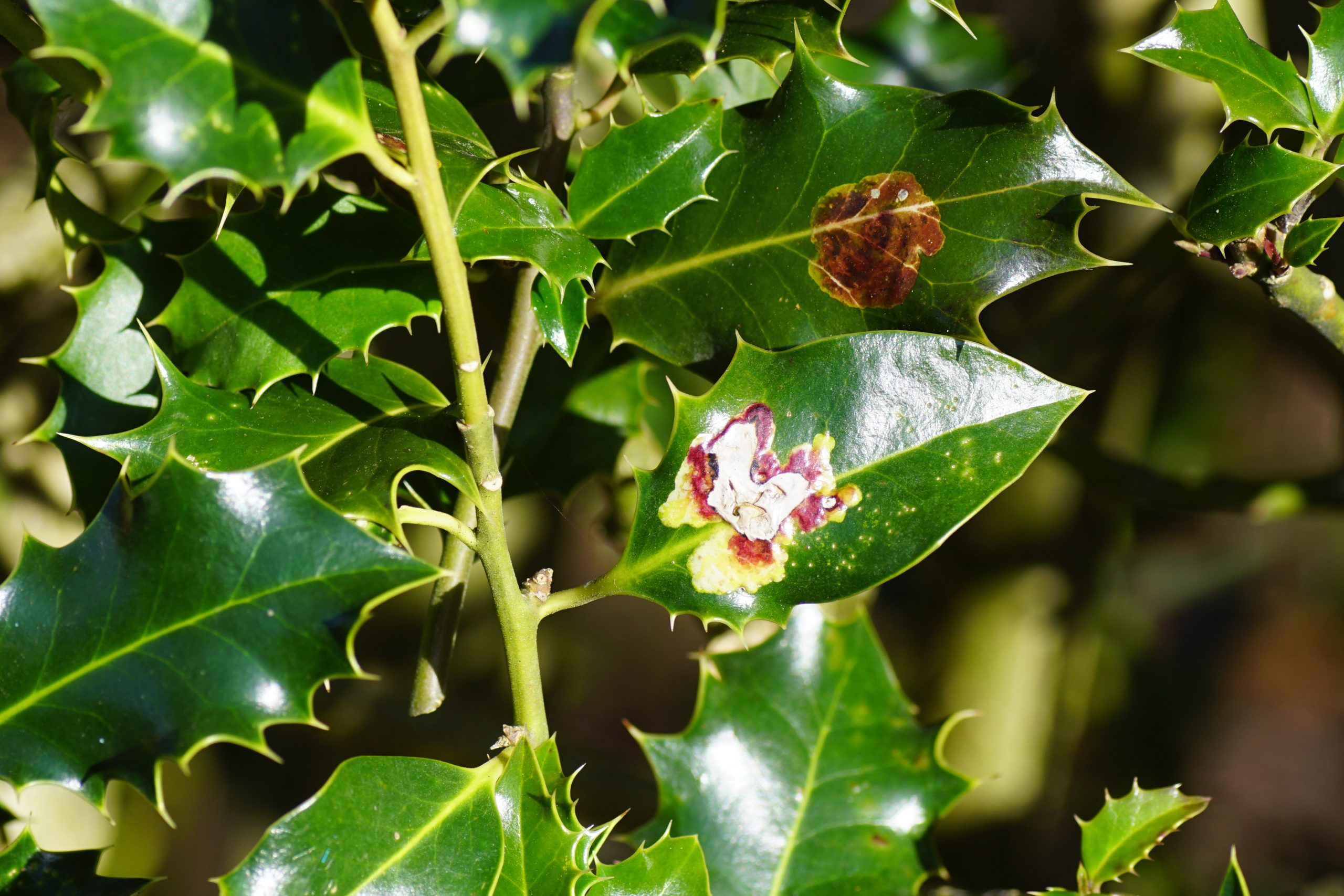
Damage from the holly miner
Discover other Ilex - Holly
View all →
Available in 3 sizes
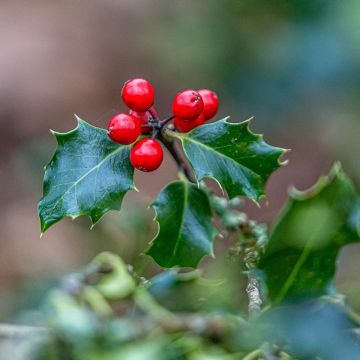
Available in 4 sizes
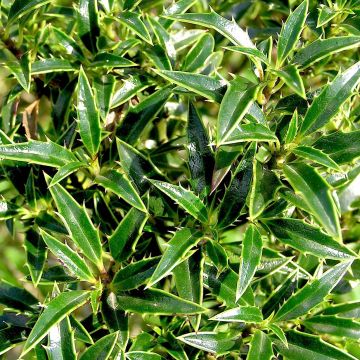
Available in 1 sizes
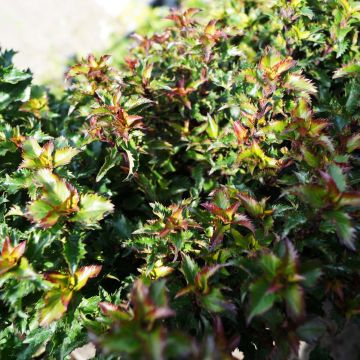
Available in 1 sizes

Available in 0 sizes
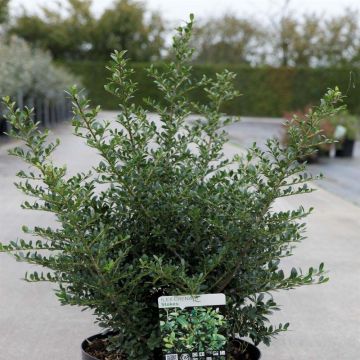
Available in 1 sizes
Available in 0 sizes

Available in 1 sizes
Available in 1 sizes
Available in 3 sizes
The holly tortrix
Rhopobota naevana, commonly known as the holly tortrix, attacks holly, blueberry, and cranberry plants. This butterfly’s caterpillar, which is a yellowish-green colour with a black head and measures about 1 cm in length, devours young leaves. It then constructs a nest by assembling young leaves, which it wraps with bristles. It is advisable to remove the silky masses produced by the holly tortrix at the tips of the branches, as it is quite voracious. It is particularly known to be feared on fruit trees, such as cranberry, apple, and pear trees. Outdoors, it is mainly active from June to October. In nature and gardens, it is considered to have a number of natural predators, although they are not well identified, as the observed damage is controlled. It is more of a pest in large-scale fruit nurseries, for example. The best approach is to remove them by hand when you spot the caterpillars or the silky masses of rolled leaves. If they appear more established, cut the infested branches with shears and burn them.
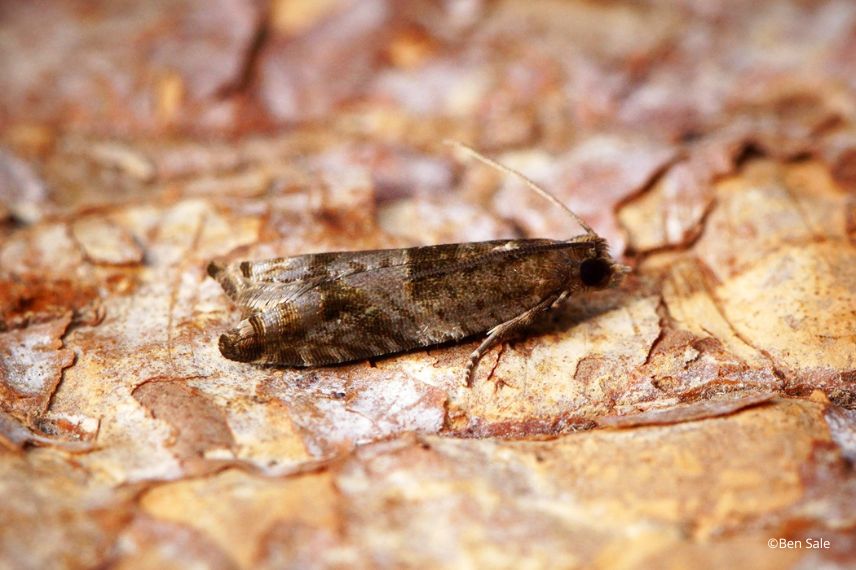
Rhopobota naevana butterfly
Read also
Growing a holly in a potHolly aphid
Holly also has its specific aphid, known as Aphis ilicis. This is a brownish-green aphid, strictly associated with holly. It primarily targets young shoots and leaves, abandoning them when they become too tough. These aphids, found in Western and Northern Europe, live in dense colonies on the young leaves of Ilex aquifolium, our common holly. The young leaves of the green holly curl inwards. Later in the year, when the leaves are mature and tough, they can be found on the petioles of the fruits.
The damage and treatments are the same as with other aphids.
- Subscribe!
- Contents
![[plant_guide name="Houx commun"]](https://en.promessedefleurs.eu/blogwp/wp-content/uploads/2023/01/Les-parasites-du-houx.png "Holly Diseases and Parasites")
Comments