



























How often should we mow the lawn?
A practical guide to a flawless lawn
Contents
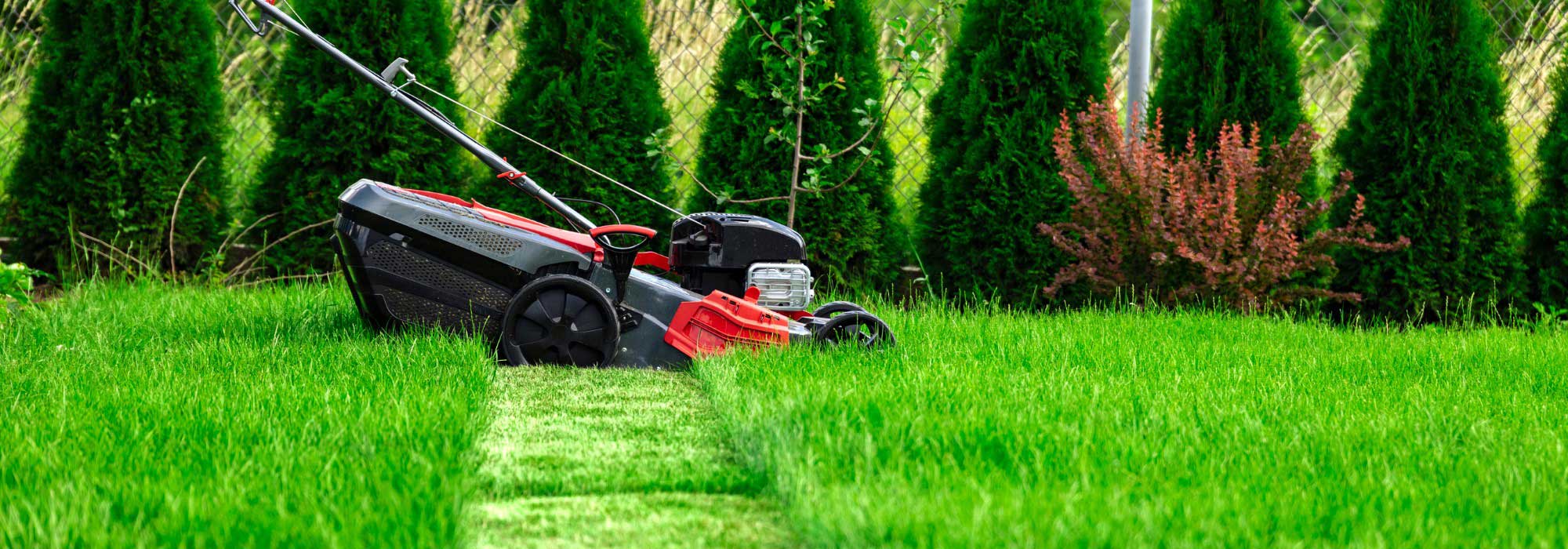
A well-kept lawn is often a reflection of a garden in good health. Regularly mowing your lawn is not only a matter of aesthetics; it’s also an essential step to ensure the vigour and longevity of your lawn. Regular mowing is necessary to stimulate the growth of the herb and limit the appearance of weeds. However, the mowing frequency depends on several factors such as the season, the climate and how you use your lawn. Discover how often to mow your lawn to keep the herb well maintained, healthy and vigorous!

Why mow your lawn?
A well-maintained lawn, let’s face it, is still more pleasant to look at than a yellowed, thinning doormat or one overrun with dandelions. Regular mowing stimulates the growth of the lawn and helps to maintain a lush lawn. They help thicken the carpet of vegetation, limit the spread of weeds and prevent the onset of diseases. Moreover, a dense lawn retains moisture better, which helps it withstand drought more effectively and stay attractive throughout the seasons.
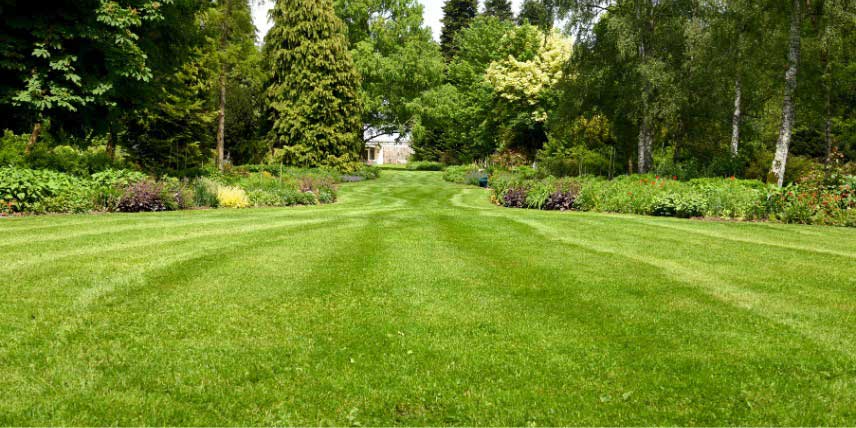
A regularly mowed lawn gives the garden a very neat appearance
Read also
How to get rid of moss in the lawn?How frequently should you mow a lawn?
The frequency of lawn mowing varies considerably with the seasons. Each season brings specific climate conditions that influence grass growth and, therefore, the need to mow. The weather affects mowing frequency: mild temperatures and regular rainfall promote grass growth, while drier, hotter periods slow it down. Regional climate also strongly influences how often you mow. For example, in the Mediterranean region, you may mow less often. Additionally, a lawn subjected to heavy use, such as a playing field, will require more regular maintenance than an ornamental lawn. The start of the mowing season varies by region and climate. In general, we start mowing as soon as grass growth resumes, usually from March or April, when temperatures rise. Let us look at mowing frequency by season:
Spring
In spring, growth is rapid. Warm temperatures and frequent rainfall create ideal conditions for vigorous growth. Regular mowing in spring also helps to densify the lawn, making it more resistant to weeds. It is advised to mow once a week to maintain a height of 4 to 5 cm.
Summer
In summer, conditions change dramatically. Heat and drought slow the growth of the lawn. To preserve soil moisture and reduce water stress, it is advisable to mow less frequently. During hot periods, reduce the mowing frequency to one mow every 10 days to avoid stressing the lawn, and leave it slightly taller (5 to 7 cm) to retain moisture. This helps better protect the soil from excessive water evaporation and keeps the lawn cooler. This height also helps limit yellowing of the lawn, common during periods of high heat.
Autumn
Autumn marks a slowdown in grass growth with the lowering of temperatures and increasing humidity. However, the lawn remains active until the arrival of the first frosts. It is important to continue mowing regularly to prevent the grass from becoming too tall, which could encourage disease development and hinder good soil aeration. The last mowing of the season should be carried out before the frosts arrive, with a height slightly lower than that of summer to prepare the lawn for winter. The frequency can be reduced to once every 10 to 15 days, until the end of October or November, depending on the temperatures.
Winter
Mowing is generally unnecessary. In winter, lawn growth essentially stops due to low temperatures and lack of light. However, if winter is mild and the grass continues to grow, a light mowing can be performed, cutting the grass to a height slightly shorter than usual (about 5 cm), to protect the lawn during the cold months.
When is the best time to mow the lawn so that it doesn’t grow back too quickly?
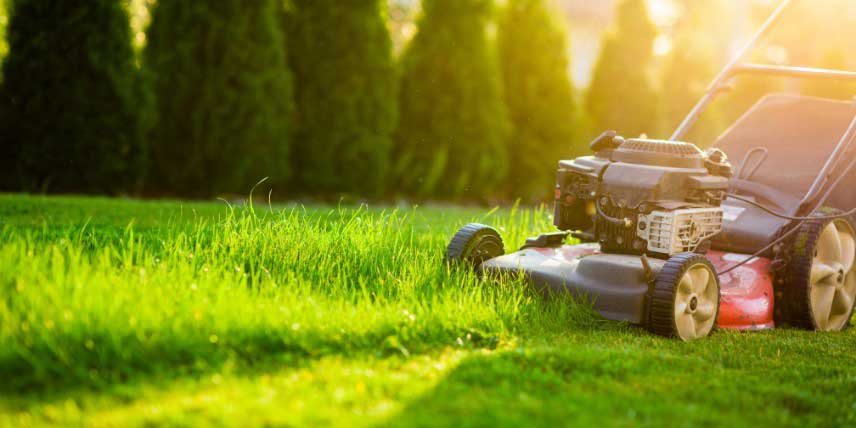
To slow the growth of the lawn, the ideal time to mow is late in the day or early evening, as temperatures begin to fall. By mowing in the evening, the lawn has less time to perform photosynthesis before nightfall. This slightly slows the production of energy needed for the rapid growth of the herb, and reduces heat stress on the lawn, which may allow you to space out mowing. Additionally, it is possible to reduce mowing frequency by adopting certain practices:
- Choosing the right type of lawn : Some varieties of lawn, such as Zoysia tenuifolia or Mascareignes lawn, other lawn-alternative plants or tall fescue (our “Sport and Play Lawn” for example, contains 60%, which results in low maintenance), grow more slowly and require less mowing.
- Mulching the lawn : Leaving mowing residues on site (mulching) helps feed the soil and slows rapid regrowth.
- Mowing at the right height : Never cut more than a third of the herb’s height. A mowing that is too short weakens the lawn and promotes rapid regrowth.
- Limit watering : An over-watered lawn grows more quickly. By reducing watering, you slow growth.
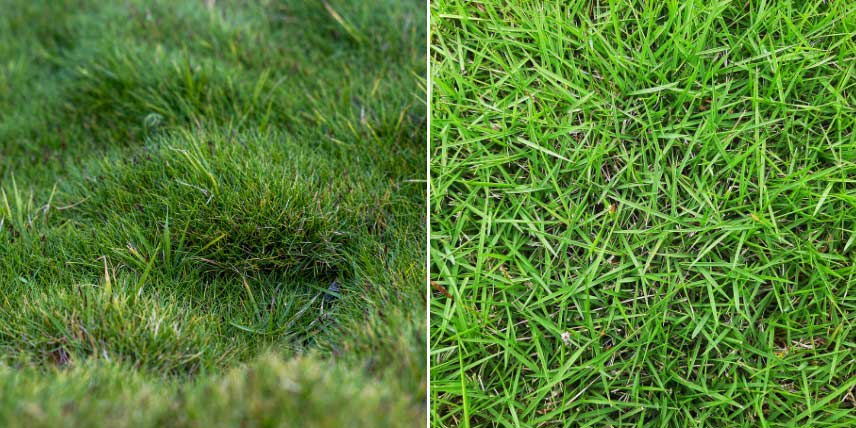
Mascareignes lawn (Zoysia tenuifolia) creates a beautiful uniform effect while requiring less frequent mowing than a standard lawn
Read also
How to drain a lawn that is too wet?Do you mow your lawn at the right frequency?
The right balance between frequency and cutting height is essential for maintaining a healthy, dense and resilient lawn. A lawn that is under- or over-mown can quickly show signs of deterioration, compromising its appearance and vitality. Here is how to recognise the symptoms of an inadequate mowing:
- Not mown enough? Your lawn will show signs such as an herb that is too tall, dense and lying flat, which can smother the lawn, promote disease and allow the proliferation of weeds.
- Over-mown? Your lawn will show yellowed tips, bare patches and weakened roots. This exposes the soil, making the lawn more vulnerable to drought and disease. It is up to you, therefore, to find the right balance!
- Subscribe!
- Contents
Comments