





























How to care for shade plants?
Our tips for your shaded areas
Contents
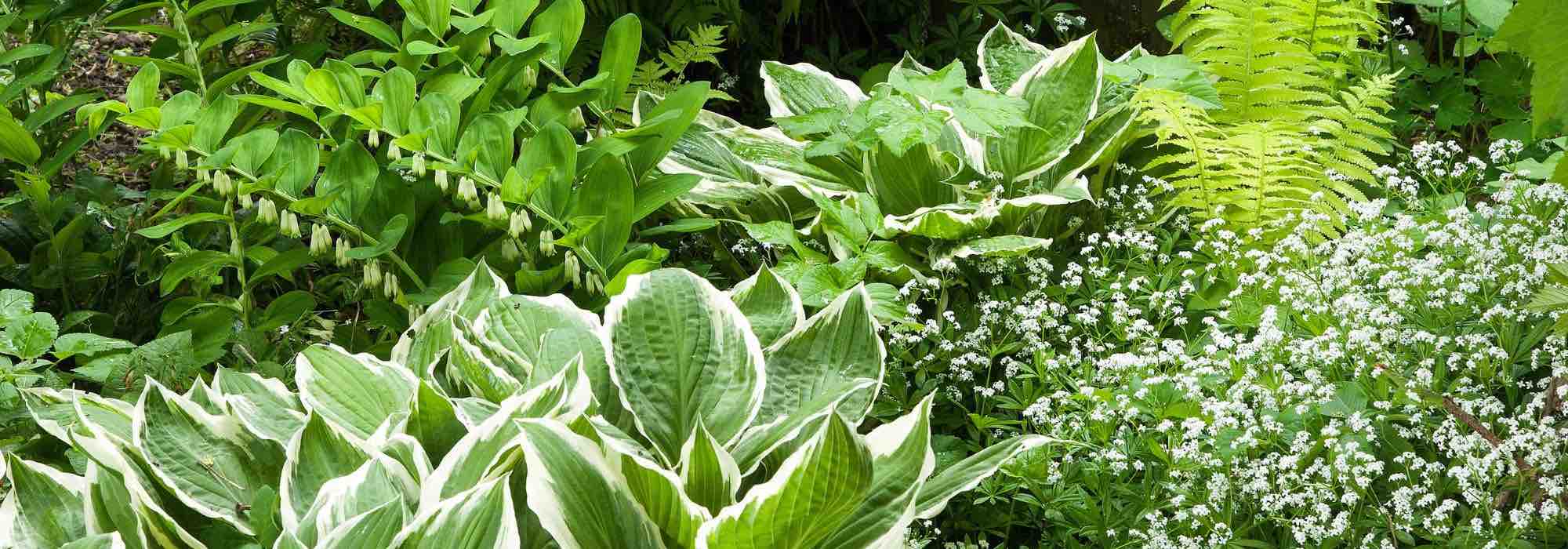
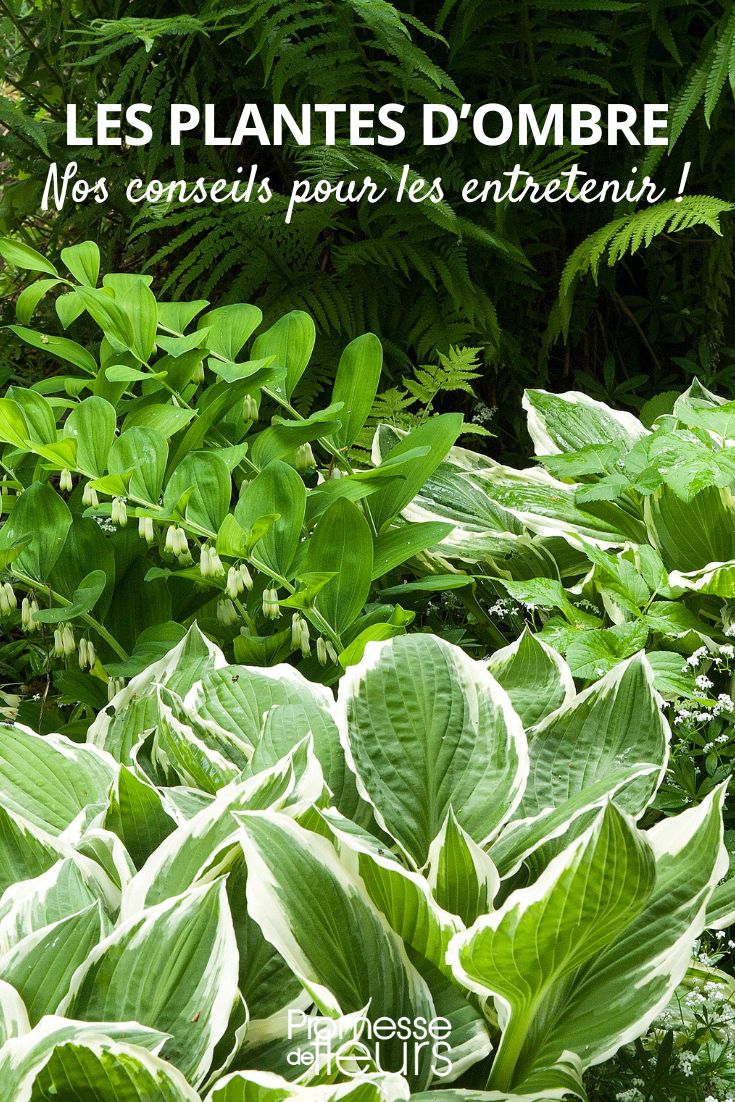
Shade-loving plants play an essential role in enlivening areas of the garden where sunlight is limited. Contrary to popular belief, these plants are no less attractive than those that grow in full sun. They offer a diversity of lush foliage, varied textures, and even delicate flowering. Properly caring for shade-loving plants helps to beautify these areas deemed more challenging. Follow our tips to help your plants thrive in reduced light.
And discover our shade-loving perennials!

Watering shade plants correctly
Shade-loving plants thrive in environments where humidity is more stable due to limited sun exposure and lower evaporation. However, they must not be left without regular watering.
Note that we are not referring here to riverside plants or areas that are constantly damp, which grow in a very specific environment.
In addition, most plants thrive in well-drained soil that doesn’t retain too much moisture, but a few plants prefer clay, heavy and compact soils, though this is rarer. The following tips are general, but take into account the soil type your plants prefer.
- Dense, damp shade plants: plants that grow in areas of full shade, such as the hostas, the ferns or the Pachysandra terminalis generally prefer cool, moist soil. They need enough water to compensate for the light deficit which slows evaporation. However, excess moisture can cause fungal diseases or root rot.
- Dry shade plants: plants such as the ivy or the periwinkle, which grow under large trees or in areas where the soil is dry, require moderate watering. These plants can tolerate drought periods, but will benefit from occasional watering during hot or prolonged dry spells.
Maintaining good soil moisture
One of the biggest challenges for shade plants is maintaining balanced soil moisture. There are several techniques to achieve this without going to extremes.
- Using organic mulch such as wood chips, straw or fallen leaves helps to conserve soil moisture by slowing evaporation. Mulch also protects roots from temperature fluctuations and helps prevent weed growth that could compete with your plants for water.
- Although the soil of shade plants needs to stay cool and moist, excessive watering can be detrimental. It is important to water deeply, but at regular intervals, rather than watering frequently on the surface. This promotes deeper rooting, which helps plants better withstand drought periods.
- Don’t hesitate to touch and observe your soil, or even probe it deeper before watering. If the soil is still damp a few centimetres deep, there is no need to water immediately.
- Plants in fully shaded or partly shaded conditions and in soil that is cool to moist generally require regular watering, especially during hot and dry periods. Ensure the soil stays moist between waterings, but not waterlogged.
- Dry shade plants require less watering especially if they are well established. During the hot, dry summer months, water deeply from time to time to help maintain their vigour.
Problems related to excess or lack of water
- When shade plants receive too much water, the soil can stay waterlogged, which can cause root rot. The leaves yellow and the plant may become limp. If you notice these signs, reduce watering and ensure the soil drains properly. It may be necessary to add compost or sand to the soil to improve drainage.
- A lack of water can lead to leaf wilting, dry foliage or brown-edged leaves. These symptoms indicate that the plant is suffering from drought. In this case, regular watering is essential to restore soil moisture and help the plant recover.
Read also
10 plants to create a shady rockeryFertilising shade plants
Shade often slows down the photosynthesis process, which can limit the growth of shade-tolerant plants. Adequate fertilization helps them compensate for this deficiency and maintain dense, lush foliage.
Specific nutritional needs of shade plants
- Nitrogen (N) : Nitrogen is essential for leaf production, which is particularly important for shade plants whose main interest lies in their foliage. It promotes the growth of the above-ground parts and green, dense foliage. However, an excess of nitrogen can lead to foliage that is too tender, more vulnerable to disease.
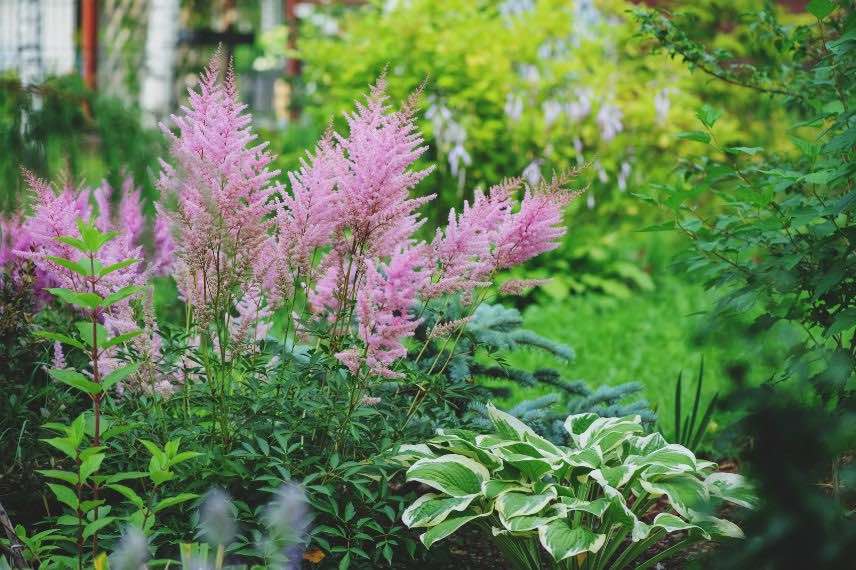
- Phosphorus (P) : Phosphorus helps to stimulate flowering and root development. While many shade plants are more valued for their foliage, plants such as Astilbe or hellebore benefit from phosphorus to produce abundant flowers.
- Potassium (K) : Potassium strengthens the plant’s resistance to disease and environmental stress, such as temperature fluctuations or periods of drought. It also plays an important role in water movement within the plant, particularly useful in shaded conditions.
Use of compost and organic fertilisers
The use of compost and organic fertilisers is an excellent way to naturally enrich the soil for shade-loving plants while improving its structure. These inputs help improve moisture retention without compromising drainage, and may even improve drainage in the case of compost.
- Home-made compost : applying a layer of well-decomposed compost around the plants one to two times a year (in spring and autumn) markedly improves soil structure. Compost enriches the soil with organic matter and slowly releases nutrients, allowing the plants to absorb them over time without risk of over-feeding. It is also useful for promoting soil microbial life, which is essential to root health.
- Organic fertilisers : organic fertilisers, such as manure, horn or dried blood, seaweed, provide nutrients gradually, thus promoting steady, continuous growth. These types of fertilisers are particularly useful for shade plants, as they do not risk burning delicate roots or disturbing the soil’s microfauna.
Recommended fertilisation frequency and type
It is important to observe the correct fertilisation frequency to avoid overfeeding plants, especially in shaded conditions where growth is naturally slower.
- In spring : this is the ideal time to feed shade plants. Just before the resumption of active growth, a nitrogen-rich fertiliser will promote leaf development. A balanced fertiliser (NPK) with a ratio of 10-10-10 or 12-6-6 is generally recommended.
- In summer : depending on the plant’s needs and visible signs of deficiency, a light application of liquid fertiliser can be applied in mid-summer. This helps support flowering and helps plants withstand summer stress.
- In autumn : in autumn, it is preferable to reduce nitrogen inputs to avoid overly vigorous growth before winter. At this stage, a fertiliser rich in phosphorus and potassium is more suitable, as it strengthens the roots and helps the plants better resist cold temperatures.
Identify nitrogen, phosphorus and potassium deficiencies to adjust fertilisation
- Nitrogen deficiency : leaves turn yellow, particularly the oldest ones, and growth slows. If you observe this symptom, a nitrogen-rich fertiliser is recommended to stimulate chlorophyll production and strengthen the foliage.
- Phosphorus deficiency : leaves may take on a purple or bluish tint, especially in young shoots. This can also affect flowering. A fertiliser with phosphorus will quickly resolve this problem.
- Potassium deficiency : leaves brown at the edges, dry out or show yellow spots. This deficiency also makes the plant more vulnerable to diseases and drought stress. A potassium-rich fertiliser, such as wood ash, is a good remedy.
Managing the pruning of shade plants
Pruning shade plants serves several essential purposes for their well-being:
- Encourage air circulation : by regularly pruning dead or overly dense branches and leaves, you improve air circulation around the plants. This helps reduce the risk of fungal diseases, which often develop in humid and poorly ventilated environments.
- Maintain an aesthetically pleasing shape : some shade plants can become too bulky over time. Pruning helps keep a neater appearance and prevents them from taking up too much space in the garden.
- Stimulate growth : pruning old leaves and damaged shoots allows the plant to focus its energy on producing new growth. This operation is particularly beneficial after flowering or in early spring, when growth resumes.
- Encourage flowering : a light prune after flowering helps remove faded flowers and stimulates the production of new buds.
When to prune shade plants?
The ideal time to prune shade plants depends on their type and growth cycle. Here are some guidelines to know when to intervene:
- Early spring : this is the ideal period for the majority of shade plants, as pruning at this time promotes vigorous new growth. Remove the winter dead leaves and prune the stems to stimulate new growth.
- After flowering : for plants that produce flowers, it is important to cut faded blooms to prevent the plant from wasting energy on seed production. This also helps maintain a neater appearance.
- Late autumn : some shade plants can be pruned at the end of the season to remove damaged parts before winter. This helps reduce disease risks during the cold season and prepares the plant for easier regrowth in spring.
How to prune shade plants correctly?
Pruning shade plants requires a gentle, targeted approach in shaded areas where growth is slower.
- Using the right tools : have a clean, sharp pruning shear to make clean cuts. This reduces the risk of infection and promotes rapid healing of cut stems.
- Remove dead or damaged leaves : yellowing or brown leaves should be cut back at their base. This allows the plant to focus resources on producing new, healthy growth.
- Prune faded flowers : as soon as flowers begin to wither, it’s important to remove them to prevent the plant from tiring trying to produce seeds. Prune just above a node to encourage the formation of new buds.
- Shorten overly long stems : if a plant becomes too tall or too sprawling, don’t hesitate to shorten its stems slightly. This will help maintain a balanced shape while promoting a more compact growth.
- Subscribe!
- Contents
Comments