





























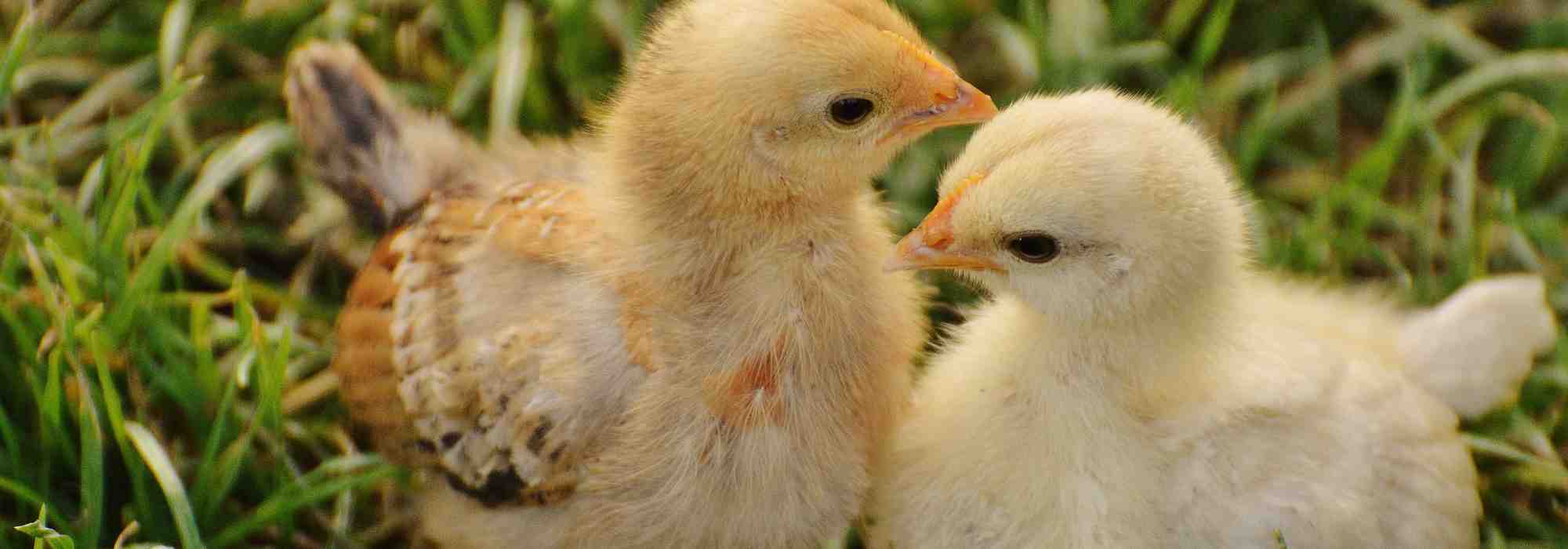
How to feed your chicks effectively and naturally?
Our tips and secrets to feed chicks so that they grow into beautiful laying hens or proud cockerels
Contents
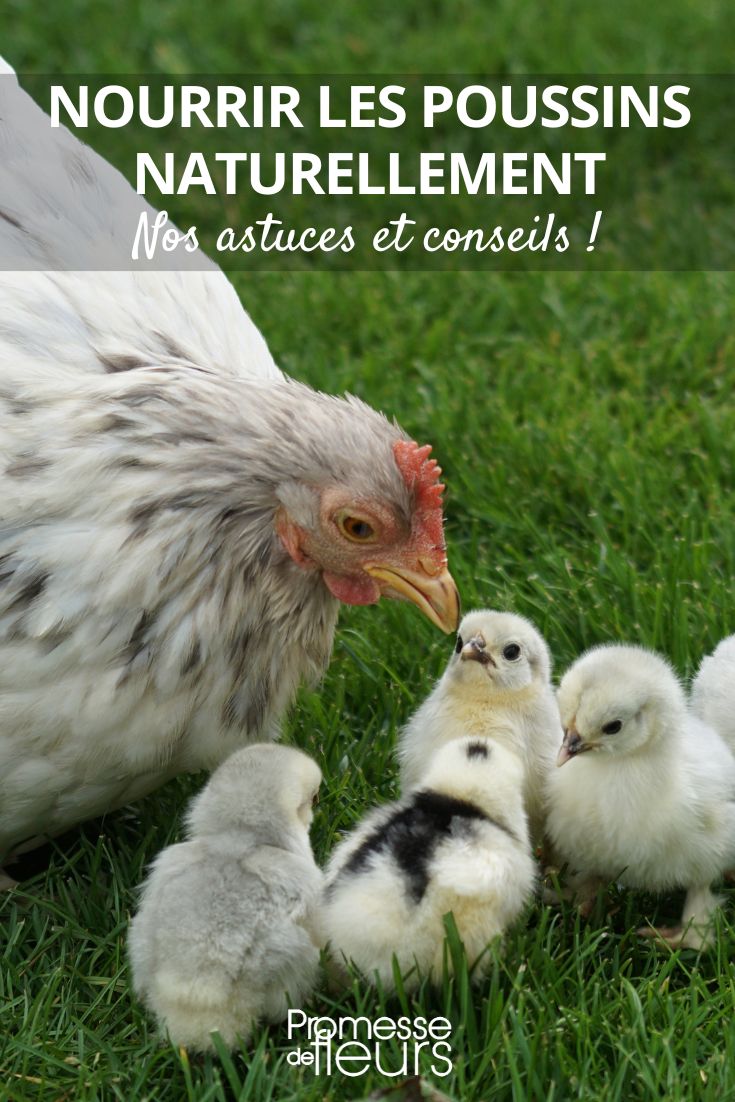
Birth is always an event… No, no, I’m not talking about your first child or grandchild, nor about your nephew or niece, or your godchild. I’m addressing here the lucky owners of a few hens, protected by a bold, and sometimes a bit too vigorous, rooster. In short, after 21 days of fertilisation in an incubator or under Paulette, who is already so proud of her future offspring, but quite worn out from incubation, the first shells crack. The arrival of her long-awaited chicks is imminent, and you’ll need to provide them with the basics so they develop into beautiful laying hens or sturdy roosters.
For these little beings still quite fragile, they will need you (and their mother) to ensure their growth. And this for around four months, the time needed for them to become a rooster or pullet.
Discover all our tips for feeding these chicks as they grow and add to your back garden.

What do chicks need?
Your rooster has become active and some of your hens are broody. If you don’t have a rooster and wish to enlarge your flock, it is possible to obtain fertilised eggs. In short, the 21-day incubation, whether under the hen or in an incubator, passes quickly. Your chicks will be there in no time, chirping away to demand their feed.
Indeed, chicks are among the rare baby animals that are autonomous from birth and able to feed themselves. The chick is nidifugous, meaning that its growth is completed in the egg. At hatching, it is able to (almost) fly with its own wings. Finally, almost, because you still need to provide them with a diet that is specific to their size, appetite and nutritional needs.
Like children, chicks must develop their muscle mass, their vital organs and their plumage. This is why they have increased protein needs. And the first weeks are crucial.
Similarly, these adorable creatures have a ferocious and well‑honed appetite to match their growth. It is therefore recommended to feed them twice a day at fixed times, ideally morning and evening. To avoid rivalries, it is best to use a feeder suited to their small size and to their number. Whether you choose it in galvanised steel or in plastic, this feeder must be low enough for their small stature. Likewise, it is always advisable to keep an eye on the feeding time to check that a chick is not left out.
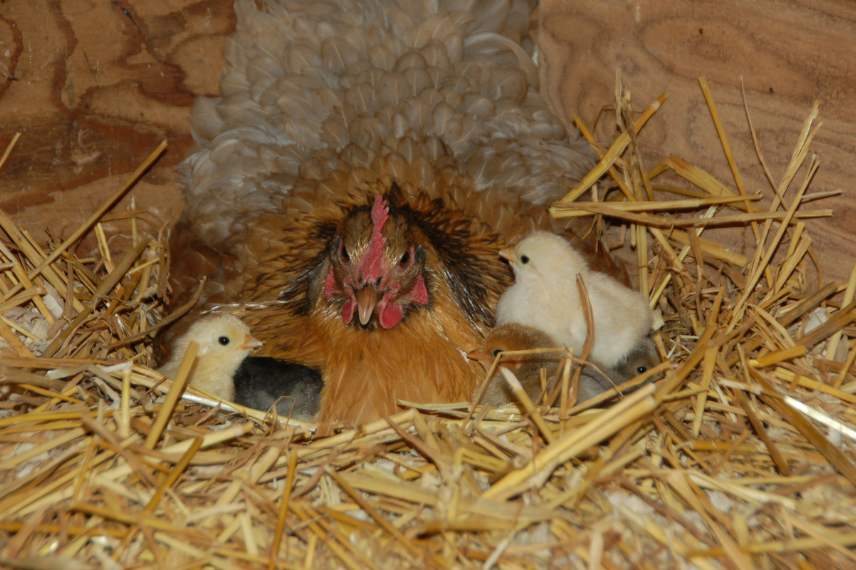
The first days, the chicks stay warm close to their mother
The waterer is obviously essential for chicks, as it is for adults. They must have ambient-temperature water available at all times. For this too, you must keep an eye on the size of the waterer. Drownings in an oversized or unsuitable waterer are common.
Apart from food, your young chicks will have a great need for warmth (37°C in the first days, at least 20°C later) and, above all, a space of their own to evolve in complete peace. It is therefore important to provide them with a sheltered corner in the coop, protected from predators, but also from other hens and roosters who can be aggressive. A good litter layer on the floor will ensure their comfort and warmth. Then, as soon as the chicks have reached a certain ripeness, they can join the outdoors, separated from the adults by a wire mesh. Thus, each will get used to the others.
Feeding chicks during the first 60 days of life
On the day of its birth, the chick expends a great deal of energy to crack the shell with the “diamond” on its beak, break it, and wriggle free. This work lasts several hours, and the chick emerges utterly exhausted. Despite your wonder, it is therefore essential to leave it alone for 24 to 36 hours to rest and dry its plumage. No need to rush to feed it. At this stage, at hatching, the chick has swallowed the remainder of the yolk, known as the yolk sac, which has allowed it to stock up on protein during this first day of transition.
Next, it is time to feed this defenseless little creature. Two options are available to you. The first option is to buy a mix specially designed for chicks sold in garden centres and pet shops, co-operatives or on dedicated websites. There are different types of blends, but all consist of crushed cereal seeds. You will find maize, wheat, green peas, flax, sorghum, triticale… possibly supplemented with proteins, fats and vitamins. These blends enable it to absorb all the nutrients it needs for growth. In the first weeks, you should choose blends called ‘starter’. Then, turn to blends called ‘growth’ which contain slightly less protein. As for the particle size, it is slightly larger. To ease the transition, simply place both types of blends in their feeder. For quantities, strictly follow the indications on the packaging.
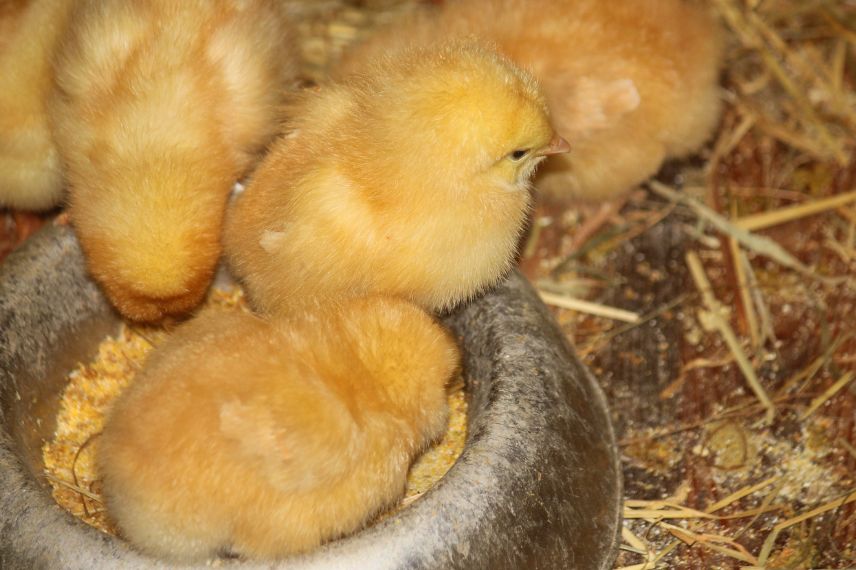 In their first weeks, chicks need a diet very high in protein
If you have a little time to spare for your chicks, you can also prepare a home-made mash. It will consist, during the first ten days, of hard-boiled eggs, finely chopped, cooked semolina, and finely chopped greens (lettuce, spinach, nettle…). Then, gradually add to this mash maize flour or wheat flour, a few small seeds such as millet, ground finely to suit their size.
In terms of quantities, start with rations of 40 g per chick. Then you can go up to 80–100 g up to two months old.
How to feed them until they are four months old?
At two months old, the chicks are starting to get the hang of things. They have already begun exploring the chicken run, guided by their mother. That’s why it becomes essential to provide them with grit or sand to peck at. Similarly, you can start introducing oyster shells if they have been fed on homemade mash. Just like table scraps (rice, pasta, lentils, vegetables, and other cereals and legumes…) or garden produce, cheese rinds… should be cut or crushed into tiny pieces to fit their still very small beaks.
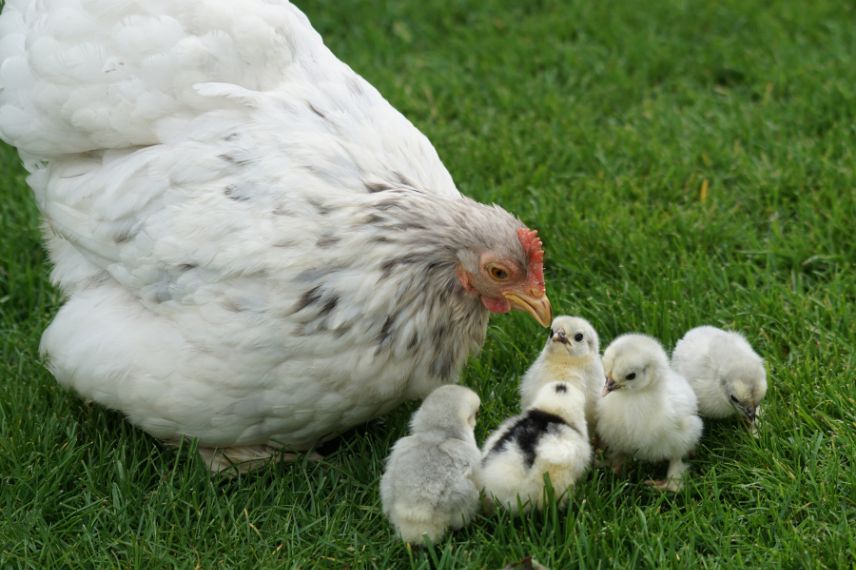
As soon as they can go outside, the chicks begin feeding more diversely
Chicks that have been fed on more or less industrial mixes will also follow this varied diet to help them diversify their intake.
Not forgetting that, like mum, they scratch at the soil to uncover a few insects or blades of grass.
To finish, do not forget that, as with their elders, certain foods are strictly discouraged. I invite you to read my article: the foods chickens should not eat.
- Subscribe!
- Contents
Comments