





























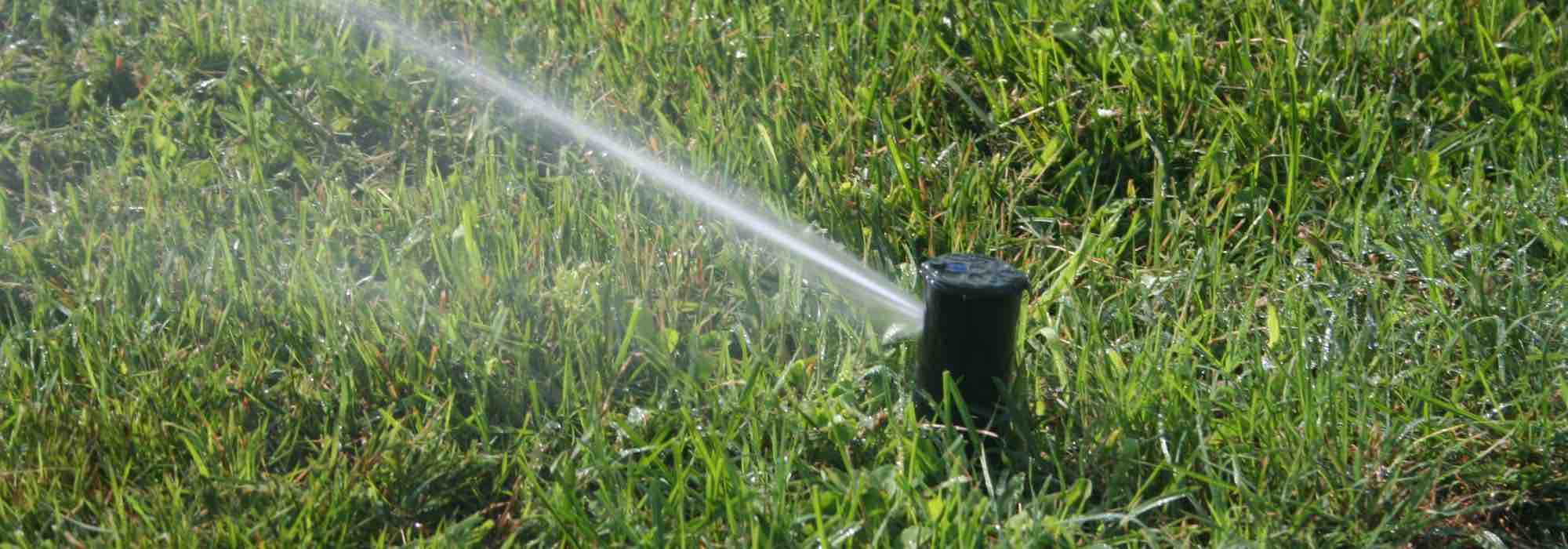
How to look after the lawn in summer?
Tips for maintaining a lawn in summer
Contents
With the return of intense heat and sun, summer can present a real challenge for maintaining a beautiful lawn. Facing heatwaves, drought, high temperatures and often heavier use, it can quickly turn yellow, dry or be damaged if you don’t look after it. From watering to mowing, including fertilisation, discover tips to ensure optimal care of your lawn during the hottest months of the year.

Effective watering
With rising temperatures and a potential drought, watering is vital during summer. However, it must be done accurately and regularly to be effective.
- Water in the morning or in the evening. In summer, it is recommended to water early in the morning, as this allows water to penetrate deeply into the soil, before the heat of the day causes evaporation. Water preferably before 8 a.m. It is not advisable to water during the hottest hours of the day or in direct sunlight, as droplets remaining suspended on the lawn act like a magnifying glass and amplify the sun’s rays. You risk a scorched lawn in a short time if you water in full sun or during the day.
- Water deeply and regularly. It is preferable to water deeply and regularly rather than watering a little and often. Deep watering at regular intervals encourages roots to grow deeper, making your lawn more resilient. The watering frequency depends on the weather and climate in your area. It is estimated that watering once to twice a week is reasonable, to be adjusted according to your circumstances. In very hot weather, you can move to a watering frequency of two to three times per week. However, ensure you do not flood your lawn, as this can lead to the development of cryptogamic diseases.
- Water with fine droplets rather than a powerful jet. This allows water to penetrate more effectively and not run off the surface. Use an automatic irrigation system that saves water and preferably use rainwater, which will also save you money.
- Water your lawn evenly to avoid neglecting certain areas that will become less green and beautiful than others and will spoil the appearance of your lawn.
- Regularly check that your lawn is getting enough water.
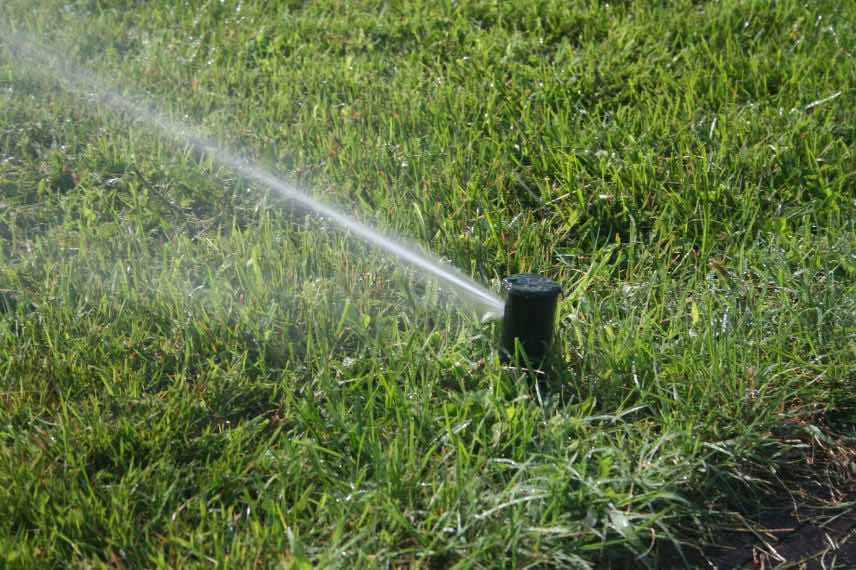
Automatic watering is a good option for the lawn
Read also
How to choose the right lawn mowerAppropriate mowing
- At the start of summer, you can mow your lawn every week. Regular mowing promotes denser growth. However, keeping the lawn at a good height is a criterion to consider for the lawn’s health. At each mowing, it is advisable to cut only a third of the lawn’s height to keep it in good shape.
- In summer, it is best to set your lawn mower’s cutting height to a higher level. Mowing your lawn at the right height helps preserve soil moisture and protects the roots from the intense solar radiation. The height is typically around 5 to 7 cm. But this can vary if your lawn is exposed to sun or shade.
- Make sure the mower blades are sharp to avoid tearing or ripping the grass, which can make it susceptible to disease and will look rather unsightly.
- You may also mulch by leaving the grass clippings on the lawn. This helps conserve soil moisture and provides natural fertiliser.
- Avoid mowing during heatwaves and when the grass is wet.
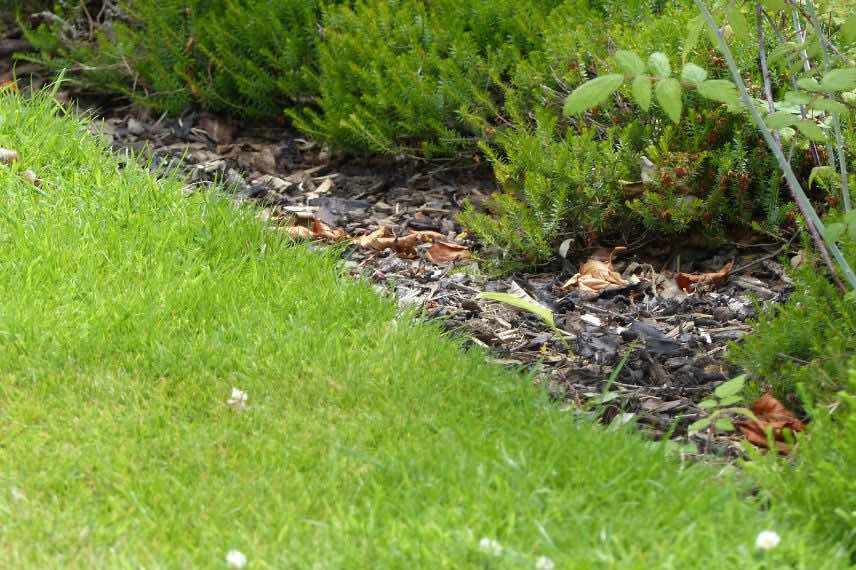
Don’t mow it too short – your lawn will thank you for it
Judicious fertilisation
- Fertilising your lawn in early summer can help promote vigorous growth and keep it healthy. At the start of the season, apply slow-release lawn fertiliser. This operation helps to strengthen the roots and stems of your lawn and to make it more resistant to any diseases that may occur.
- You can repeat the operation in late summer to prepare your lawn for autumn.
Read also
Lawn: essential tools for its upkeepPoints to monitor
- The lawn experiences more foot traffic in summer. We play on it, we have barbecues or meals there, we enjoy the sun, or we relive the pleasure of walking barefoot. This foot traffic adds extra stress to the lawn. If some paths are used more than others, you can lay paving slabs or Japanese stepping stones to facilitate traffic and protect the condition of your lawn.
- Periodically check the condition of your lawn for any abnormal signs such as yellowing or browning patches, bare patches or moss-covered areas. Correct watering errors if necessary and replace damaged areas to prevent diseases from taking hold. Also treat moss-infested areas.
For further reading, explore our articles: Which lawn to choose? , Having a beautiful lawn in 10 questions
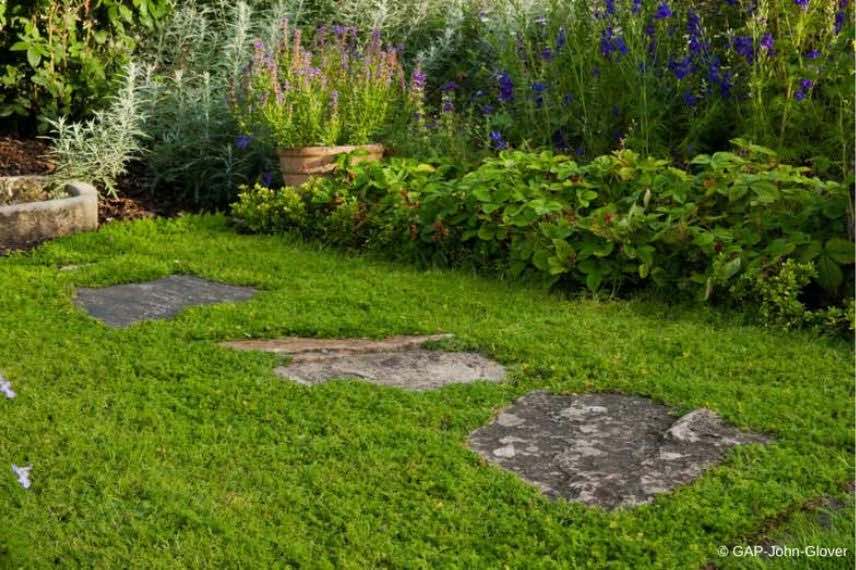
Install paving slabs, stones or Japanese stepping stones for areas that are usually the most heavily trodden
- Subscribe!
- Contents
Comments