





























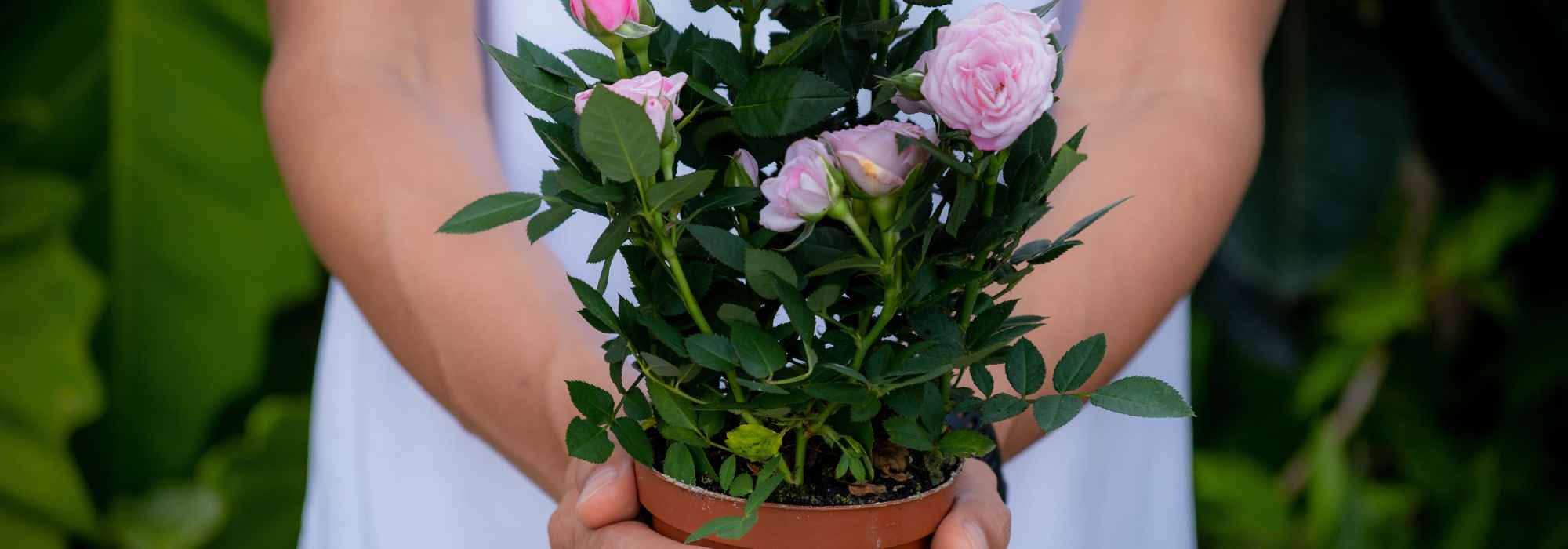
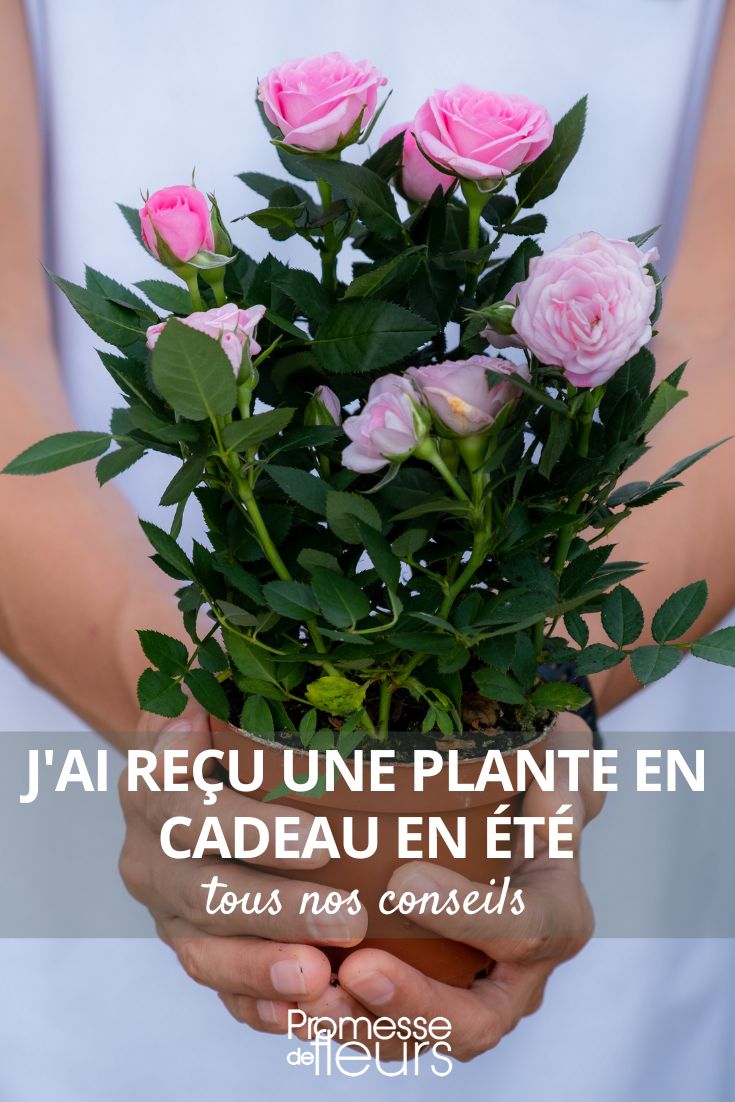
I received a plant as a gift this summer: our tips
Taking care of a plant given as a gift so it doesn't suffer in summer
Contents
It often happens that friends or family, knowing your passion for gardening, come round with a pretty plant as a gift. Yes, but when it happens in midsummer, it can be a bit awkward, because it’s not really the best season to plant the lovely climbing rose, hibiscus or hydrangea in the garden.
So what should you do when you receive a plant as a gift in midsummer? How can you look after your plant so it doesn’t suffer from the summer heat? Follow our tips so your plant gift doesn’t turn into a headache.
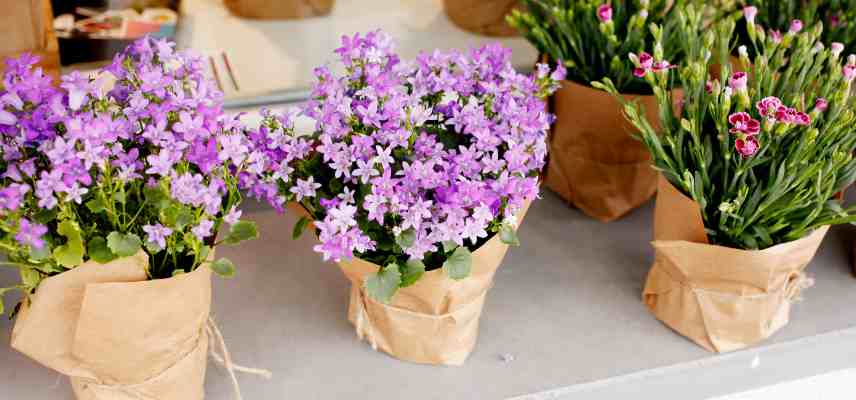
Receiving a plant as a gift is always a pleasure, but in midsummer, you’ll need to adapt…

I'm going on holiday: I'll protect my plant as much as possible
Of course, when you receive a plant in midsummer, there’s a good chance you’ll soon be off on holiday, and you’ll find yourself faced with a beautiful common Rose mallow or a pot of lilies that you’ll need to manage quickly in its pot.
There’s no question of losing this lovely gift, nor of planting it either, because July and August are hardly the season for planting in the garden, especially if you live in an area where rain is scarce in summer.
If you’re away for one or more weeks, you’ll need to ensure the plant can cope with your absence while it sits in a very small volume of soil and in a typical black plastic pot.
– First option if you live in a city: ideally ask a neighbour to look after your plant during your absence. Make sure to give them clear instructions on watering, light and the plant’s other needs.
– Ideally, repot it into a larger pot, for example in terracotta. With more substrate, it will be better protected from heat and will have more moisture available once watered. If you can’t, for lack of time, place the growing pot you were given into a larger ceramic pot, at the bottom of which you’ll lay a bed of drainage balls.
– Position your plant among the other plants on the terrace to provide a little protection, and above all, place it in a semi-shaded area of the terrace, balcony or garden, even if you have to stretch a shade cloth over the area, for example on a south-facing balcony.
– Water generously: your plant needs enough watering to endure an absence of more than a week. Water your plant thoroughly at least the day before departure and again on the day itself, early in the morning. What you have at your disposal are watering cones, devices like mini oyas, these small terracotta pots to be inserted deeply into the pot and filled with water. The water slowly seeps into the soil through porosity, keeping the plant hydrated. There are special, even smaller ones for pots. Of course, the amount of water depends on the type of plant (see below).
– Last step before you go: mulching! As with a plant in the ground or a plant intended to be grown year-round in a pot on the terrace or balcony, applying an organic mulch on the surface will limit evaporation and keep the soil cool for a while (a home-made mulch will do just fine).
→ Also read: Pot plants and watering: managing the heat while you’re away and watering for potted plants, as well as our section dedicated to indoor plants if you have one.
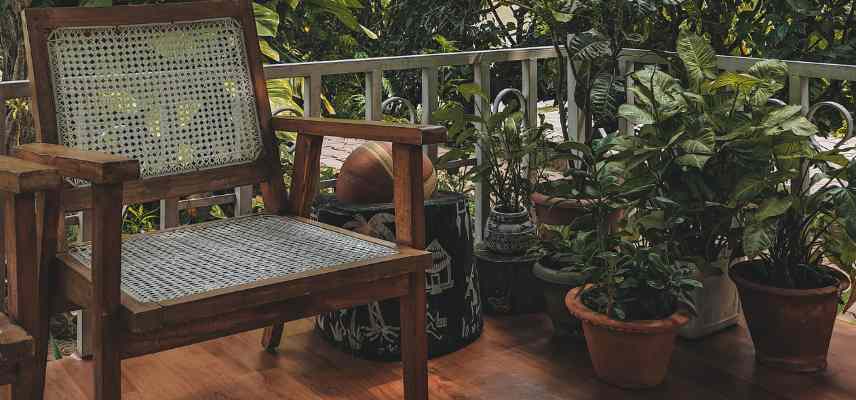
Group your potted plants together: they will shade each other and protect themselves by the shade created
Read also
The best times to plantI'm not going on holiday: care is the same as for a potted plant
This should be a lot simpler, as you’re here to look after your new plant!
You can also transplant into a larger container right away, the plant will become more self-sufficient with more potting mix available.
Choose the right spot on your terrace: place your plant in a location where it will receive the right amount of light. If you’ve been given a shade-loving plant but you have a sunny exposure, you’ll need to ensure adequate shading by placing other plants or larger shrubs in front. Conversely, a plant that should receive a lot of light will be poorly suited to a balcony in the shade: place it in the spot that gets the most light, but your plant will flower much less (or even wilt) than if it were placed in the sun.
Watering should be regular, as with your other potted plants. Check the soil moisture by sticking your finger into the soil. If the soil is dry to about 2 cm deep, it’s time to water. Finally, during the summer fertilise hungry plants, such as a mini dahlia or canna, for example, especially if it’s a pot of annuals.
As autumn approaches, if you have a garden and have received a bush, a rose bush or a beautiful perennial, plant it in the ground following our planting tips.
Which plant, received as a gift, can we plant in the height of summer?
It all depends on the type of plant and your region!
A water-hungry plant such as a hosta or a ball hydrangea (Hydrangea macrophylla) will be more vulnerable than a potted Tulbaghia or a succulent plant such as Crassula. For reference, broad-leaved plants require a lot of water, so avoid planting them when midsummer heat is at its peak. But a few small-leaved or finely linear foliage plants will be best able to withstand planting, provided you live in a region such as Brittany or the Basque Country where rainfall is normally regular even in summer.
Some plants therefore prefer a humid environment, while others prefer a dry environment. Please check the water needs on the plant label which is normally indicated by a pictogram in the form of a water droplet (from one drop for low needs to three drops for a thirsty plant)… or visit our plant pages which indicate precisely, in the “For which location” section, the soil moisture level suitable for the chosen plant.
Your region is also crucial for any potential summer planting : postpone this work to autumn if you live generally south of the Loire, or in an area where rainfall is scarce until September.
→ Read: Best times to plant.
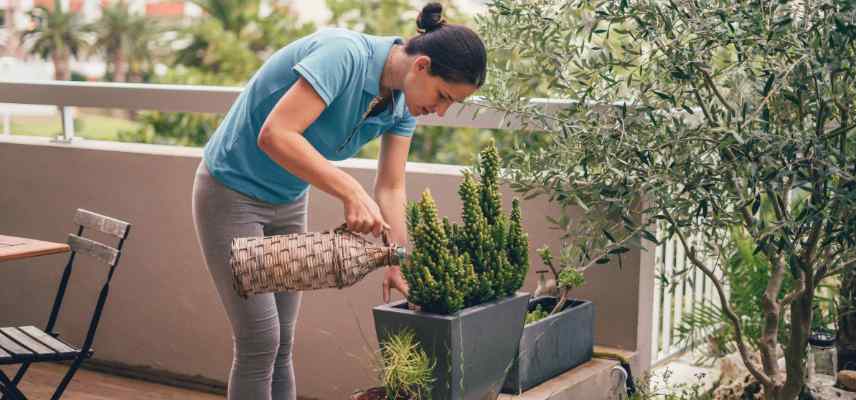
Succulent plants or cacti can stay comfortably in their pot over the summer, and will cope well with your absence if you give them a little water before you leave
- Subscribe!
- Contents
Comments