





























Lotus, Nelumbo: how to protect it from the cold and winter it?
Discover various wintering techniques
Contents
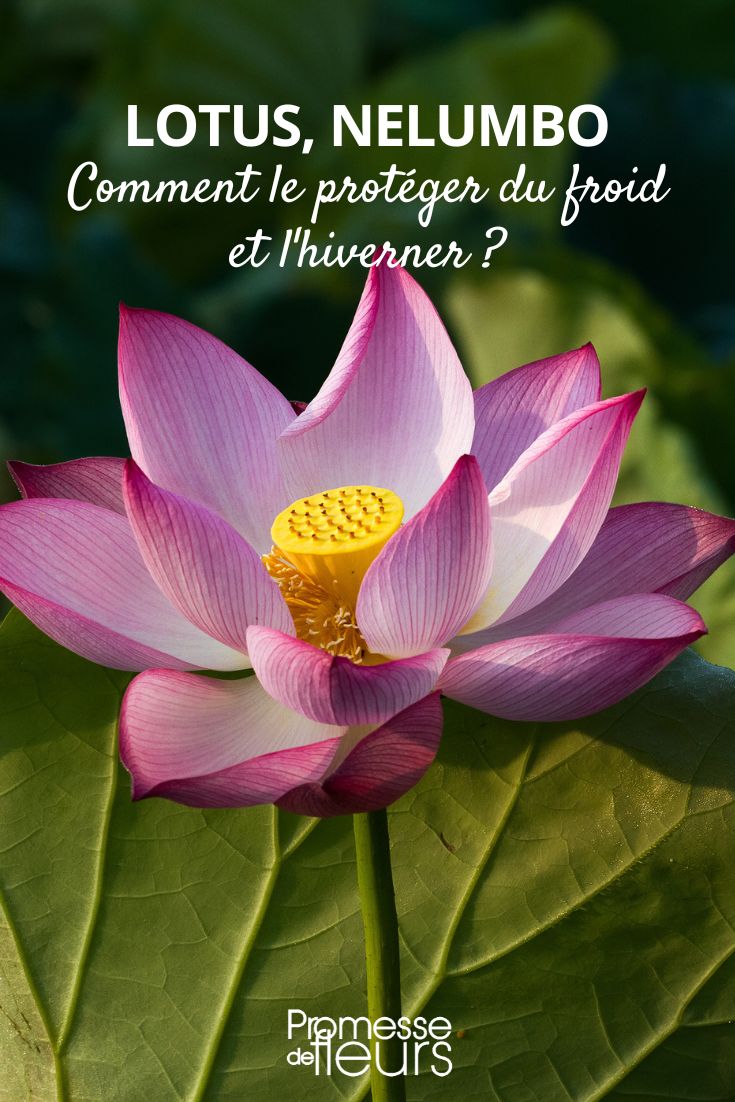
Lotus or Nelumbo is an aquatic perennial plant valued for its majestic and delicate flowering, in shades of white, pink, or yellow. They bear large circular leaves, which are characterised by their hydrophobic nature (water droplets bead on the surface), and spectacular flowers with numerous petals. Lotuses are sometimes confused with water lilies, which have a somewhat similar flowering. Lotuses thrive in ponds or even in large containers, exposed to direct sunlight. However, when temperatures drop, these delicate plants require special care to survive the winter. Discover all our tips for protecting your lotuses from the cold, properly wintering them, and maintaining them to see them thrive again in spring!

Are lotuses hardy?
Unlike what their exotic appearance might suggest, some lotuses are surprisingly cold-resistant, but this depends on the species and the conditions in which they grow.
There are only two species of Lotus (which come in several horticultural varieties):
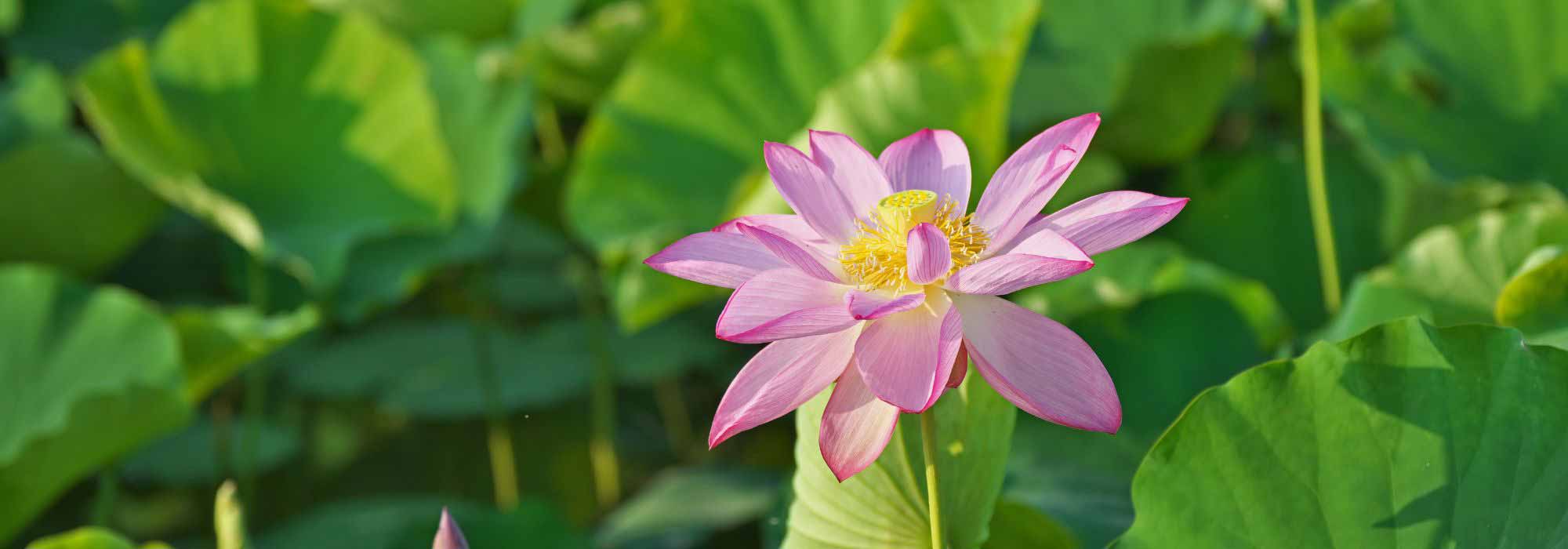
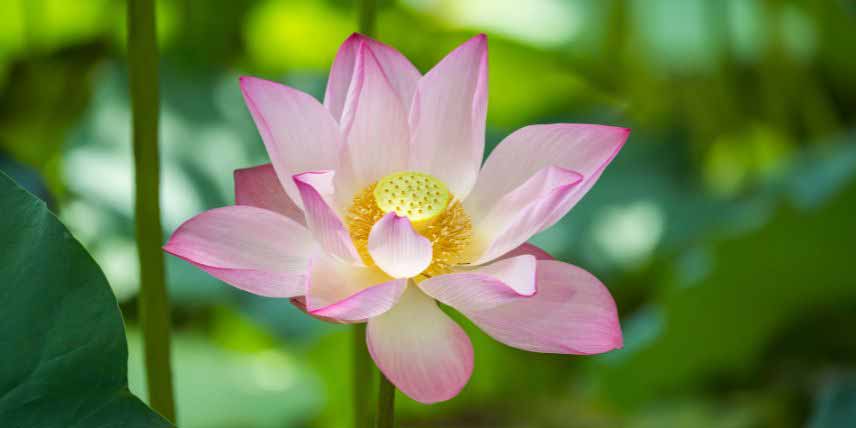
- Nelumbo nucifera: the Sacred Lotus or Eastern Lotus is native to South and Southeast Asia (India, Nepal, China, Japan, etc.). It is the most well-known and widely cultivated species. Highly symbolic, it holds a deep spiritual significance. Its flowers range in shades from pale pink to more pronounced pink. They are large, reaching 15 to 30 cm in diameter, and consist of about twenty petals. The Nelumbo nucifera is hardy in USDA zones 4 to 10, meaning it generally tolerates temperatures dropping to -10 °C, and sometimes even down to -15 °C.
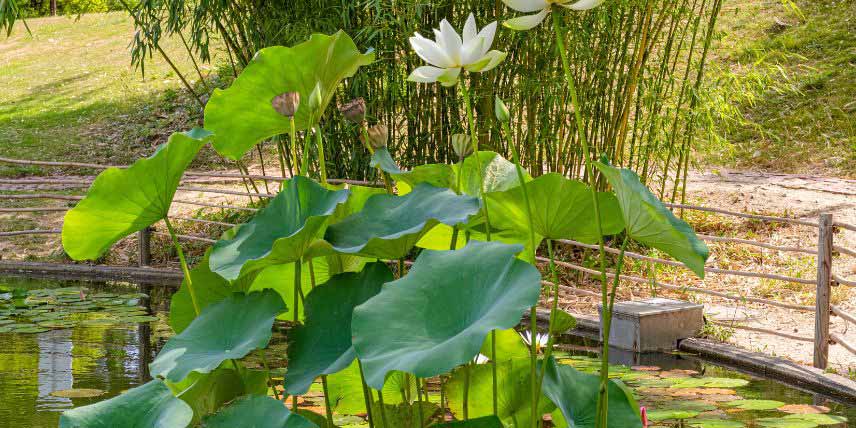
- Nelumbo lutea: the Yellow Lotus is native to America (from the eastern United States to northern South America) and is adapted to temperate climates, making it hardier than the Sacred Lotus. It can withstand temperatures around -20 °C. As its name suggests, it produces bright yellow flowers.
However, beyond their theoretical hardiness, several factors can influence their cold resistance, including the depth at which they are submerged. The deeper the lotus is planted in the pond, the hardier it will be, as the water helps to insulate it from frost.
How to protect a lotus from the cold in winter?
There are various techniques for wintering lotus plants. To know how to protect them, consider your climate, how you cultivate them (in a pond or in a pot), and the depth at which the rootstocks are submerged. To be sheltered from frost, the rootstocks must be submerged at least 40 to 60 cm deep.
For lotus plants installed in a permanent pond, start by pruning the wilted leaves and stems. When temperatures drop and the leaves turn yellow, cut them close to the water’s surface. This prevents the decomposition of dead parts, which could pollute the water.
If you live in a cold climate, you need to ensure that the lotus rootstocks do not freeze. To do this, choose one of the following techniques:
Submerge the rootstocks deeper
If your lotus is planted at less than 40 cm deep, feel free to move the rootstocks to a deeper part of the pond (ideally 50 cm to 1 metre deep). The water acts as a natural barrier against frost.
Insulate the pond from the cold
You can protect your lotus by installing a protective layer over the pond to prevent thick ice from forming on the water’s surface. Cover the pond with an insulating layer, such as a tarp or a floating insulating material, which will help limit the effects of frost.
Winter the rootstocks
In regions with particularly harsh winters (temperatures below -15 °C), it is best to remove the rootstocks from the pot or pond before the first frosts.
- Gently dig up the rootstocks to avoid damaging them.
- Carefully clean the rootstocks. Rinse them with clear water, trim the dead leaves, and remove any organic residue around the rootstocks to prevent mould.
- Place the rootstocks either in damp newspaper, or in slightly damp sand or turf. You can put them in a perforated plastic bag or an airtight box.
- Store them in a cool, dark place, such as a cellar, garage, basement, or unheated greenhouse. Maintain a thin layer of water in the pot to keep the rootstocks moist.
- Check regularly: Ensure that the rootstocks remain slightly moist; they must not dry out.
If your lotus is grown in a tub or small container
Some varieties of lotus, particularly the more compact ones, can easily be grown in a small water tub (for more information, see Virginie’s article on bowl lotus). This makes it easy to bring them indoors to protect them from the cold! If you have an unheated greenhouse or a conservatory, you can move the lotus there to keep it during winter. However, the temperature should not exceed 10 °C.
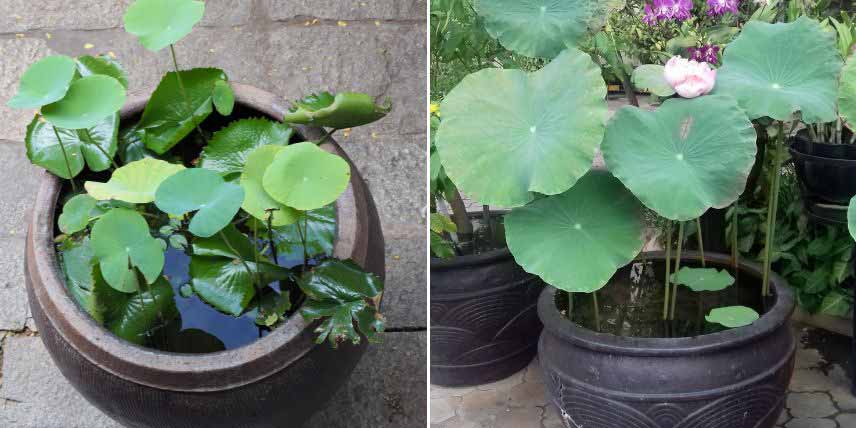
Lotus plants grown in tubs or compact containers can easily be brought indoors for winter protection.
When and how to replant the lotus in the pond?
When to take the Lotus out in spring?
As soon as there is no longer a risk of frost, it is time to awaken your lotus and help it resume its growth. Wait until night-time temperatures consistently remain above 10 °C before taking the lotuses out of their wintering place. Generally, you can take the lotus outside from May, or even June for the colder regions. If you have protected the pond with a cover, remove the winter protection at this time.
How to replant the rootstocks?
- Inspect the rootstocks for any signs of rot. Soft or blackened parts should be removed.
- If your lotus has produced new rootstocks, you can take this opportunity to divide it and replant in separate pots. Use a mixture of clay and loamy soil, without fertiliser to avoid burning the young roots.
- When replanting your lotuses in the pond, start with a shallow immersion (10-15 cm of water above the rootstocks). This encourages rapid warming of the water and stimulates growth.
- Once the floating leaves appear, you can install the lotus deeper, in its final position.
How to care for the lotus after wintering?
Lotuses are greedy plants that require fertiliser to bloom well. Wait until the first floating leaves are well developed before applying a special fertiliser for aquatic plants (in granules or tablets). Avoid using it too early, as this could burn the roots.
Remove yellowing leaves or faded flowers as soon as you see them. In addition to maintaining its aesthetic appeal, this will encourage the plant to produce new shoots.
Also, remember to monitor the quality of the water. To avoid any stress for your lotus, keep the water clean and well-oxygenated, and regularly remove organic debris.
- Subscribe!
- Contents
Comments