





























Maintaining a garden pond in spring
5 tips to pamper your pond as warmer days arrive
Contents
Ponds and water features are highly valued in gardens, particularly for the biodiversity they support. They stay looking good if meticulously maintained, and each season brings its own share of small tasks, which, carried out in good time, don’t take long. If spring is the best season to create a pond in your garden, it’s also the time to get it back up and running with ad hoc maintenance, after a few months of inactivity.
So, What should you do in spring for your pond? Which steps are essential at this time of year to keep a pond in peak condition for the summer? We’ll tell you everything!

Clean the pond
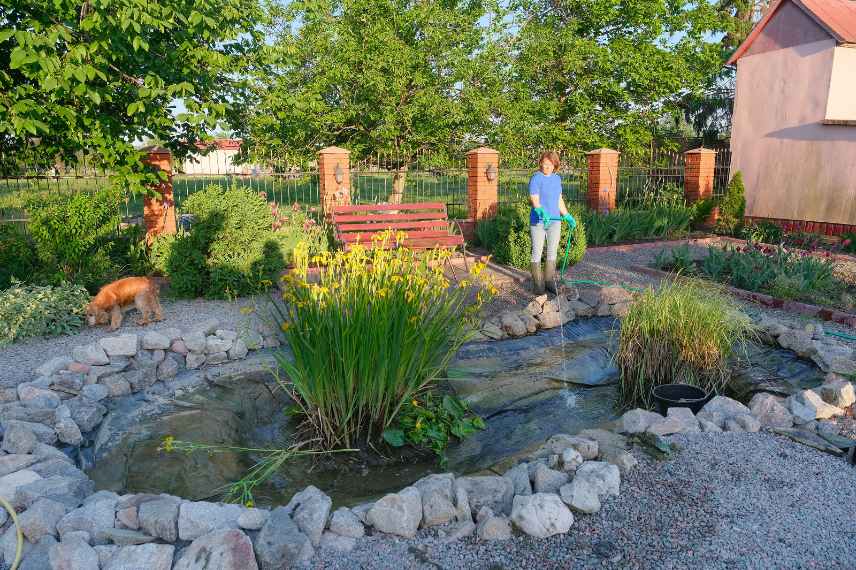
Spring cleaning of a garden also applies to a pond or water feature!
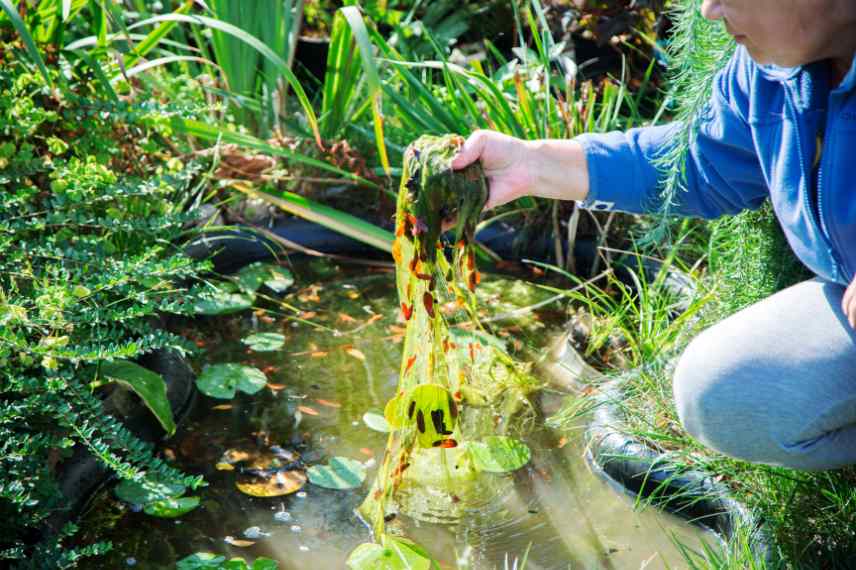
- For those who skip it in winter, it’s important to clean as much as possible plant debris that has accumulated on the water’s surface or at the bottom of the pond: dead leaves, algae… Doing this work in spring prevents algae from colonising the pond with too much organic matter present when the plants are not yet able to compete with them. This also promotes greater light levels. Use an algae rake, a pond net, or a skimmer to remove surface debris from large ponds or water features. In ponds where the silt has accumulated, you will also need to plan to clean part of the bottom of the pond (although it is still advised to do this in autumn, to avoid disturbing awakening insects and the amphibians that have just spawned).
- Replace only a third of the water to promote the gradual awakening of aquatic plants and fish, from April. This will not disrupt the existing ecosystem. For a very dirty pond that you are restarting, refill it completely after draining and a total clean. In April, in harsh climates (mountain regions), refill the pond if you have emptied it, but wait for the water to warm up before planting aquatic plants and introducing fish.
- Also clean the plants: as in ornamental gardens, remove the dead parts so they come back even more vigorously.
- Offset pond evaporation in the southern regions, by topping up with water in hot climates from May.
- From May, tackle forming algae (more information in Fighting green and filamentous algae in ponds).
Also read: How to clean a pond overrun by water lilies?
Read also
Maintaining a garden pond in winterCheck the technical and ornamental aspects of the pond
Two priorities relate mainly to the filtration of water and the pond’s structure:
- Ensure that your pump is functioning well and is not blocked by impurities, as filtration and water movement are essential to prevent water from stagnating and becoming turbid, which can lead to algae growth. Clean the filter in March and re-activate the filtration system. Also flush the pump hose to remove all residues. You can put it back into service as soon as there are no more morning frosts and the water temperature approaches 9°C. You will carry out a thorough cleaning of submersible pumps, which tend to get much dirtier.
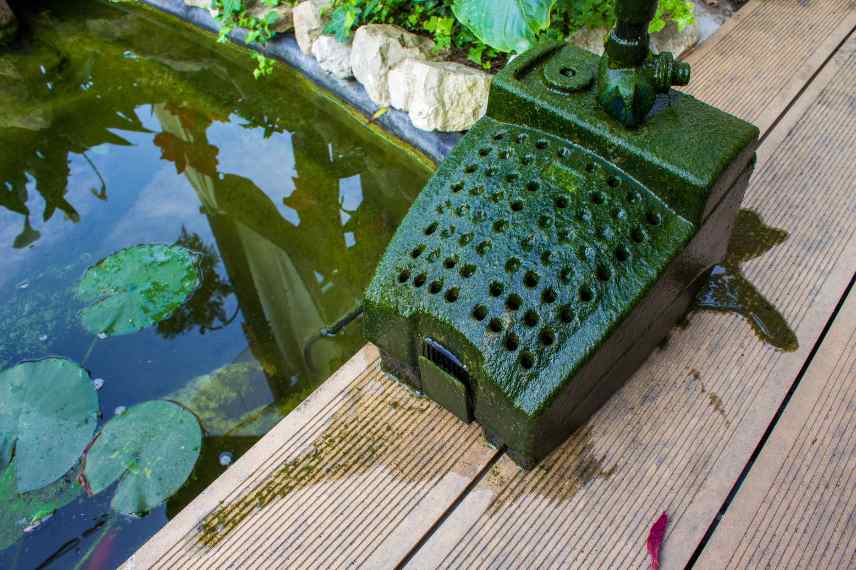
- For organic filters, reinstall nitrifying bacteria from commercial suppliers, useful for cleansing. For mechanical filters with a strainer, clean the screen properly.
- Check the pond water pH using pond-specific testers (in the form of test strips, electronic testers or liquids).
- Also monitor the water level using the water level regulator, which helps compensate for the initial evaporation on warmer days.
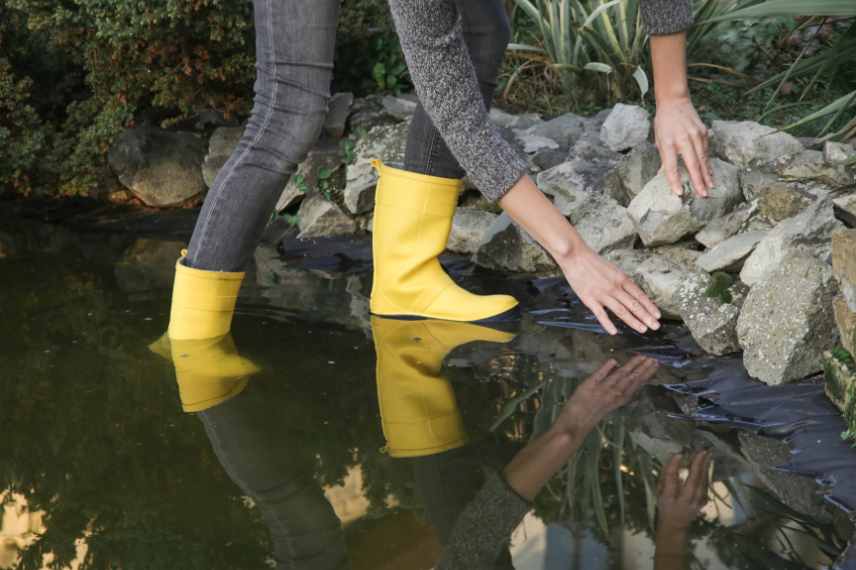
- Check for potential leaks to seal before filling the pond. It can happen that rodents damage the lining. This is the time of year when you should consider such small jobs.
- Top up the pond borders made of stones and rocks if they have fallen and expose the waterproof liner, which is unsightly.
→ Read also: The secrets of a perfect pond: Mastering the water balance.
Plant and multiply plants
Just as in open-ground gardening, spring is the best time to bulk up or regenerate a pond or marsh. For this, you can:
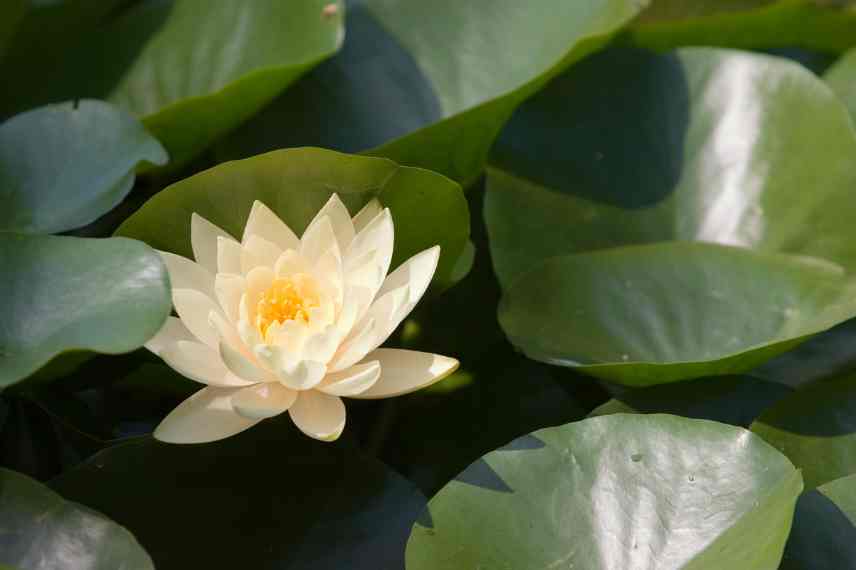
- Install new plants to refresh the decor: perennial plants along the banks, and aquatic plants, which you will submerge from March in regions with mild winters (provided the water has started to warm up properly). You will plant only the hardiest aquatic plants from April, or even May (Lotus, papyrus, etc.).
- Divide and multiply the rootstocks of aquatic plants that are resuming growth : you loosen the plants that have become too large, and allow them to develop better. Divide the rhizomes of lotus and water lilies (in April in most regions), but also marsh irises or clumps of aquatic grasses (laiches, acores, etc.)
- Repot your cuttings if you took them in autumn, and repot plants that have exhausted their substrate.
My tip: diversify as much as possible the aquatic plants for the aesthetics (floating plants such as water lilies, semi-aquatic ones like water hyacinths, water clover and many others, the edge plants), but also by incorporating oxygenating aquatic plants for the pond’s balance.
→ Read Angélique’s tips in The best time to plant pond plants.
Think of fish and the pond's wildlife
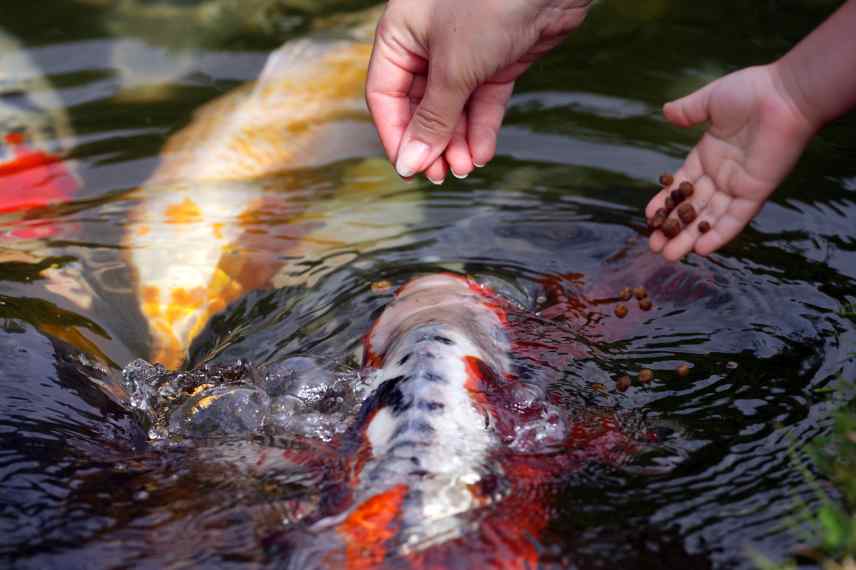
You see the fish (koi carp and others) surfacing: they are gradually coming out of their winter lethargy. Start feeding them again from March in mild climates, at least as soon as the water temperature rises to 9–10°C, and always from the moment the filtration is back in operation. For the start of a new seasonal cycle in spring, use foods of the “wheat germ” type, higher in protein, useful after their rest period. From June you can add new fish.
Do you keep frogs in your pond? Protect the tadpoles that have just hatched (in March–April) and are growing in the ponds. Don’t yet have any amphibians and would like to welcome some? One or two bricks laid on the bottom of the pond will provide spawning sites, thanks to the cavities, for next year.
Learn more in our video: A pond for biodiversity.
If you can, start a logbook
Spring is an ideal time to start keeping a pond logbook: you can do it in a small paper notebook or on a computer. The important thing is to record, as you would in the vegetable garden or in the garden, what works well and the various actions or steps for your pond (plantings, maintenance dates, flowering calendar, etc.).
- Subscribe!
- Contents
Comments