





























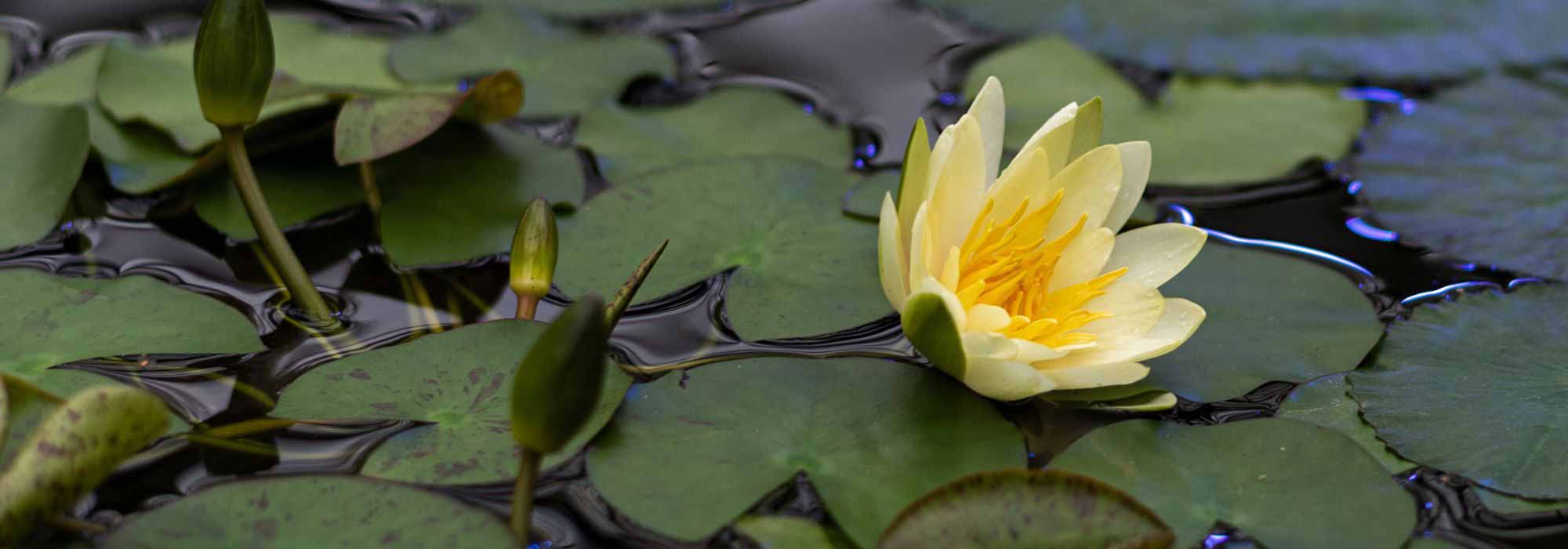
Non-hardy water lilies: how to protect them from the cold and winter them?
All our tips for keeping them from one year to the next
Contents
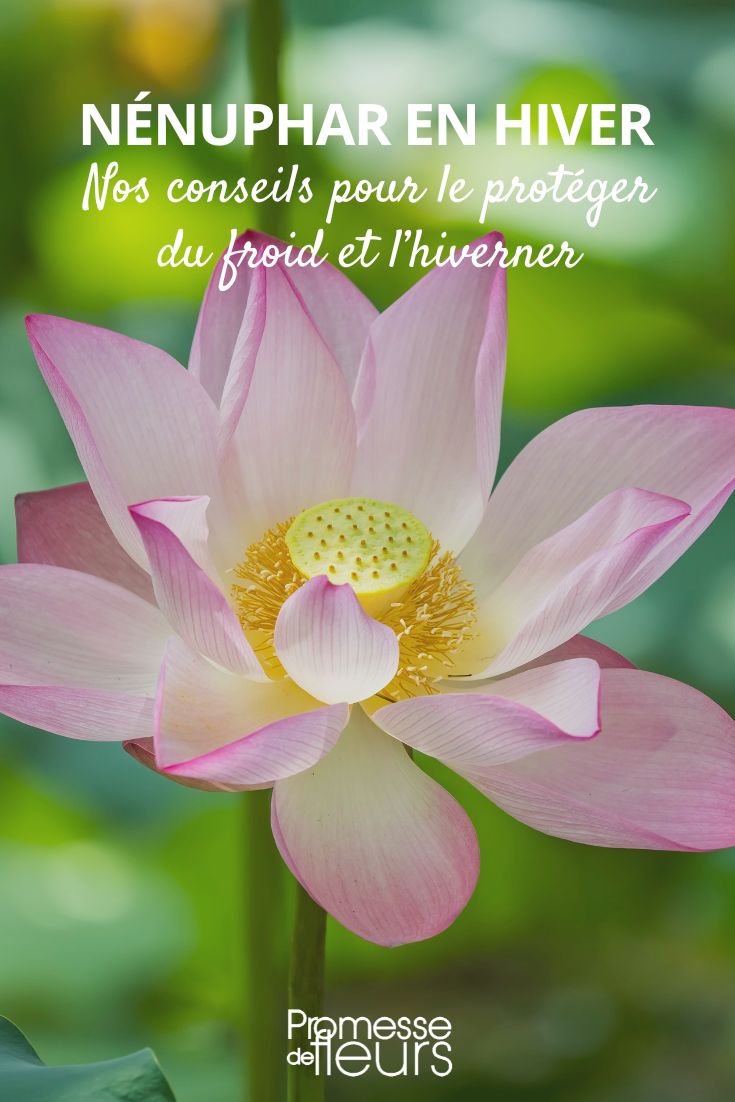
The water lilies, or Nymphaea, are among the most beautiful perennial plants for ponds. They feature large, round leaves and majestic flowers that appear to float on the water, adorned with numerous petals in pink, red, yellow, or white, surrounding a heart of yellow stamens. Water lilies are sometimes confused with lotuses, as their flowers are similar. There are many species of water lilies, and not all are suited to our winters. Discover how to protect non-hardy water lilies from the cold, how to care for them to ensure they survive the winter, and how to help them thrive in spring!

Does the water lily fear frost?
Nymphaea includes around fifty different species and numerous horticultural varieties. They are distinguished by their flowering as well as their hardiness.
Hardy water lilies, such as those commonly found in temperate regions, can withstand negative temperatures. Their rootstocks, well protected in the mud at the bottom of ponds, endure harsh winters as long as the water does not freeze to their level. Among them are species like Nymphaea alba, Nymphaea candida, Nymphaea ampla, Nymphaea odorata, Nymphaea tetragona, as well as many hybrid varieties. They are generally capable of withstanding temperatures down to -20 °C, and even down to -30 °C for some species.
However, there are many species of tropical water lilies, typically native to the forests of Africa, Asia, or South America, which are particularly sensitive to cold. This is the case for Nymphaea caerulea, Nymphaea capensis, and Nymphaea gigantea. Their tolerance to low temperatures generally ranges between 10 and 15 °C. Below this threshold, their delicate tissues begin to suffer, and frost is particularly fatal. If the water in the pond freezes, these plants can quickly die.
Non-hardy water lilies are often distinguished by their more spectacular, larger, and more colourful flowers, as well as a longer flowering period than their hardy counterparts. If you own this type of water lily, it is essential to plan for their wintering as soon as temperatures begin to drop in autumn. These species must be kept in a room maintained at least at 10 °C during winter.
Make sure to research the hardiness of the water lily(ies) you are cultivating!
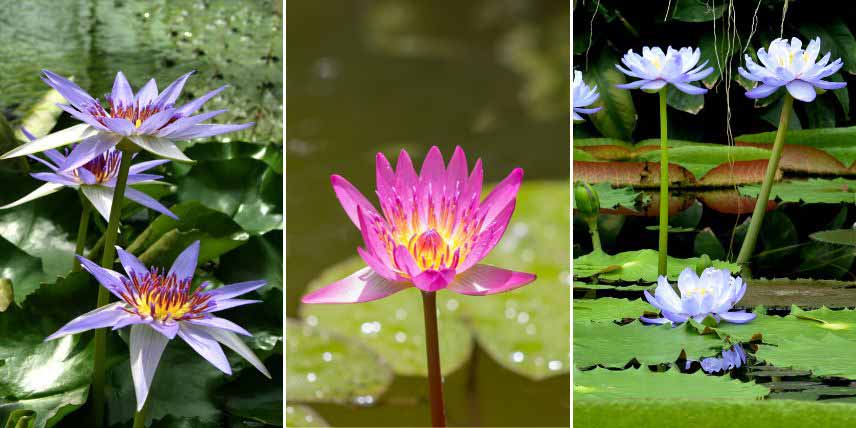
The water lilies Nymphaea caerulea, Nymphaea capensis, and Nymphaea gigantea: three non-hardy species to protect from the cold in winter
Read also
Nymphea, water lily: planting and careHow to keep water lilies over winter?
Preparing Water Lilies for Wintering
Before putting your plants away, it is important to prepare them properly:
- Remove the rootstocks from the pond before the first frosts, around October.
- Cut off the leaves and faded flowers: This helps to limit the risk of mould during wintering.
- Clean the rootstocks with clear water to remove the sludge. Gently remove any algae and debris that could promote diseases.
- Inspect the rootstocks to ensure they are healthy, free from rot and parasites. Do not hesitate to remove any damaged parts.
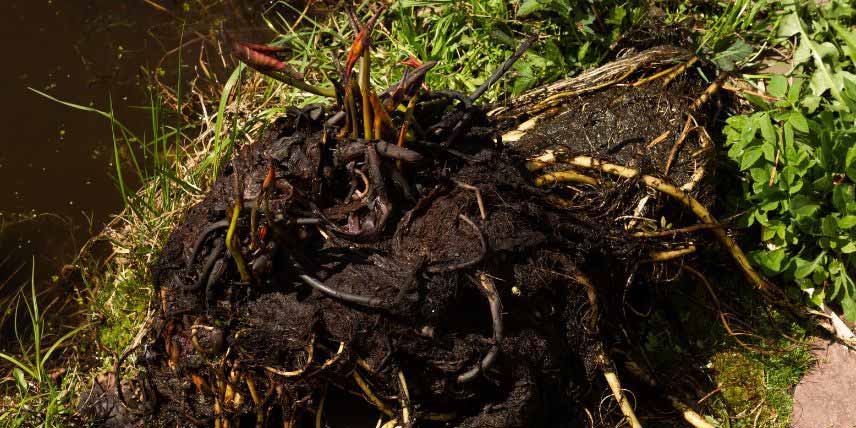
Remove the rootstocks from the pond, then clean them by rinsing with clear water and removing any damaged parts
Choosing a Wintering Method
There are two main methods for keeping your tropical water lilies during winter: wintering in an aquarium or in moist substrate.
Wintering in an Aquarium or Water Container
The advantage of this technique is that it keeps the water lily rooted, even while it is in dormancy, allowing for a quicker restart in spring.
- Place the rootstocks in a container filled with water or, if you have one, in a lit aquarium, at a temperature of at least 10 °C (ideally, maintain a constant temperature between 15 and 20 °C).
- Add a bit of substrate at the bottom to keep the rootstocks in place. You can also use clay balls.
- Position the container near a sunny window or under a grow light to ensure sufficient light. Tropical water lilies need a minimum amount of light even during their resting period.
Wintering in Moist Substrate
If you do not have an aquarium or lack space to keep the water lily in a water container, you can opt for a more compact solution:
- Wrap the rootstocks in damp newspaper or moss, then place them in a perforated plastic bag.
- Store them in a dark place, such as a cellar or garage. The ideal temperature is around 10 to 15 °C.
- Regularly check that the substrate remains slightly moist to prevent the rootstocks from drying out.
Place them in a plastic bag with sand and peat or sphagnum, lightly moistened.
Then keep them in a dark place at a temperature of around 20 °C (minimum 15 °C).
Ensure that the substrate remains moist throughout winter, without being waterlogged.
Monitoring During Winter
- Check your water lilies every two to three weeks to ensure they are in good condition.
- In the case of wintering in water, replace part of the water every month to avoid the accumulation of impurities.
- If you notice signs of rot, remove the damaged parts immediately to protect the rest of the rootstock.
When and how to reintroduce water lilies into their pond?
When to replant the rootstocks?
You can take your water lilies outside from May or June, after the last frosts. Wait for the temperatures to be mild: Only put your water lilies outside once the water temperature remains consistently above 15°C. Reacclimatise them gradually: If your water lilies have been wintered indoors, expose them to the outside for a few hours each day to help them adjust.
How to replant the rootstocks?
Install the water lilies in pockets of clay soil or in specially designed perforated baskets for aquatic plants.
- Fill the baskets with clay soil or potting mix for aquatic plants.
- Place a single rootstock in each basket, then cover it with substrate to stabilise it, ensuring the terminal bud is facing upwards and not covered with soil.
- Submerge the basket in a bucket of water to thoroughly soak the substrate.
- Optionally, cover the top of the basket with gravel or large stones to keep the substrate in place.
- Place the basket in shallow water in the pond for a few days.
- As soon as the water lily starts producing new shoots, you can install it in its permanent location, at a depth of 20 to 50 cm.
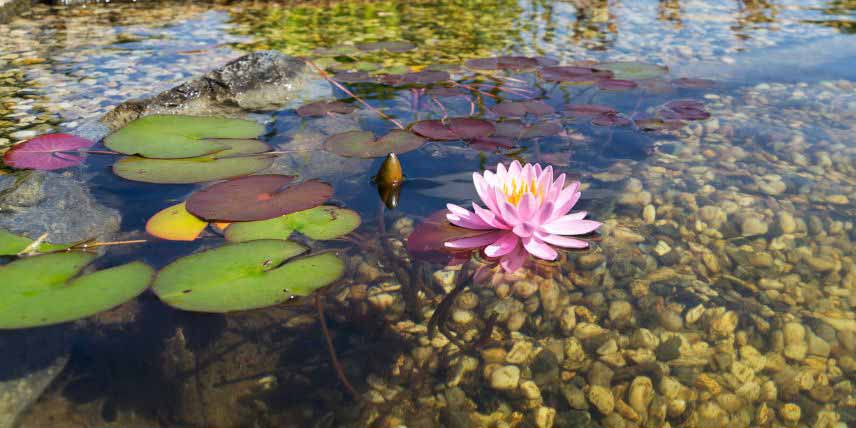 Replant the rootstocks in the pond in spring
How to care for water lilies after wintering?
During the first few weeks, monitor your water lilies to ensure they are adapting well. Remove any dead or damaged leaves and check that no aquatic parasites are settling in.
Water lilies are nutrient-hungry, especially after a period of dormancy. Use specific fertilisers for aquatic plants, available in tablet or granule form, which you will insert into the substrate. This will help your plants regain strength and quickly produce leaves and flowers.
- Subscribe!
- Contents
Comments