





























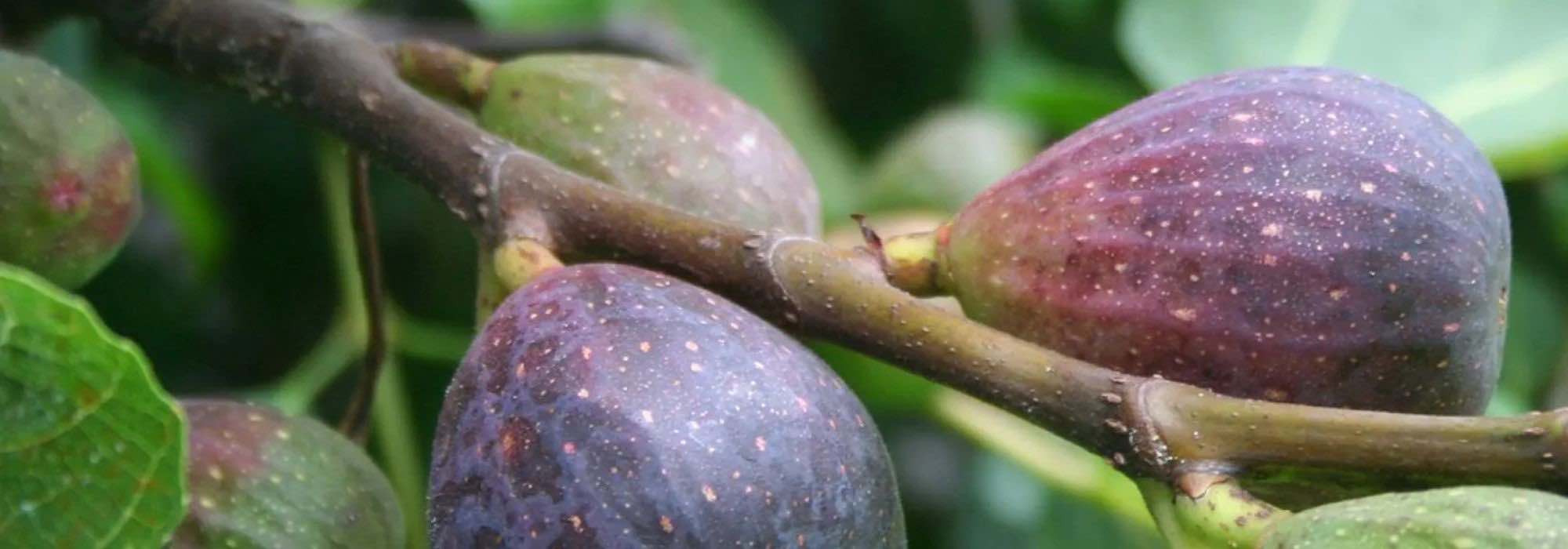
Old and local fig varieties
Fruit trees to plant and preserve
Contents
The fig tree, which Latin name is Ficus carica, is far more than a mere fruit tree. An emblem of the Mediterranean regions, it is an integral part of the cultural and agricultural heritage of many regions of France. Cultivated for millennia, the fig tree has accompanied humankind in its history, symbolising both fertility, abundance and wisdom. Today, while many modern varieties dominate markets for their yield and their resistance to transport, there remains a vast range of ancient and local varieties that deserve to be rediscovered and safeguarded.
Traditional fig trees, adapted for centuries to the climate of their regions, are a real treasure. Not only do they bring unique flavours, but they also contribute to biodiversity conservation and to the fight against the standardisation of crops. Each ancient variety tells a story, reflects the terroir and embodies agricultural know-how handed down from generation to generation.
Discover these ancient fig varieties, their origins, their importance, as well as initiatives working to safeguard them.
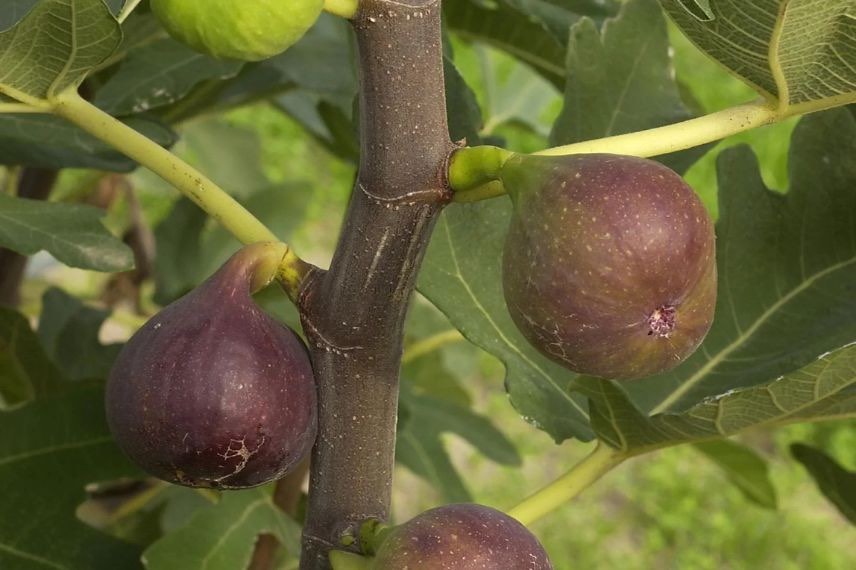
Red Bordeaux fig

History of the fig tree
The fig tree originated in a vast area extending from Asia Minor to the eastern Mediterranean, covering territories such as ancient Mesopotamia and Egypt. This tree is one of the earliest plants domesticated by humans, with archaeological evidence dating back more than 11,000 years, even before cereal farming. Figs were cultivated for their sweet, nutritious fruits, but also for their religious and cultural symbolism in several ancient civilizations.
In ancient Egypt, the fig was regarded as a sacred fruit, often associated with funerary rites and prosperity. In ancient Greece, the fig tree was seen as a symbol of fertility and abundance, the Greeks having widely spread its cultivation across their territories. The Romans, in turn, adopted it and helped disseminate it across Europe, notably via trade routes and conquests.
It was during Roman times that the fig tree first appeared on French soil, initially in Mediterranean regions, where it found a particularly favourable climate. Over the centuries, it acclimatised in other regions, notably thanks to the diversity of microclimates across France. However, it is in the south, particularly in Provence, Corsica, and Languedoc-Roussillon, that this tree truly thrived.
Some local varieties developed according to specific climate conditions, explaining the richness of varietal diversity in these regions. In Provence, for example, the fig tree found a dry, sunny climate that is perfectly suited to its cultivation, giving rise to iconic varieties such as the ‘Violette de Solliès’.
Beyond its agricultural value, the fig tree has also played a role in local traditions and cultures. In Provence, it was not uncommon to see fig trees planted near houses, as they were believed to protect against evil spirits and to symbolise hospitality. The fig also features prominently in regional cuisine. It is used both fresh and dried, in savoury or sweet recipes, and often to accompany traditional dishes such as cheese or ham.
In folklore, the fig tree is often associated with tales of prosperity or wisdom. In Corsica, where dried figs have long constituted a precious resource for rural families, the fig tree is still seen as an tree that brings luck. In the Middle Ages, some communities believed that sleeping under a fig tree could bring prophetic visions.
Thus, the history of the fig tree in France is closely linked to the evolution of rural societies and the transmission of agricultural know-how. It has adapted and diversified with changing climates and regions, becoming a symbol of natural and cultural wealth. This long history, shaped by adaptations and exchanges, has allowed many ancient varieties to endure to the present day.
Read also
Where do our fruits come from?Old and local varieties: a wealth worth preserving.
Old fig varieties are a true treasure, not only for their diversity but also for their adaptation to local and regional conditions. These varieties, often grown for centuries in specific regions, have developed natural resistance to the climates and soils particular to those areas. For example, some varieties are better suited to mild winters, others to very dry summers, while some even tolerate slightly cooler climates, such as in southwest France.
Old fig trees are also better suited to low irrigation, having learned to thrive in sometimes arid conditions, which makes them particularly interesting within sustainable agriculture and in the face of climate change. By cultivating local varieties, we promote biodiversity. Unlike some more uniform modern varieties, old varieties are often more resistant to diseases and local pests, reducing the need to use pesticides.
Local varieties are also a culinary treasure. Each old variety has unique characteristics: some produce especially sweet figs, others have more complex flavours or specific textures that reflect the terroir in which they grow. Maintaining this diversity helps preserve a culinary richness that risks disappearing if modern varieties, often selected for productivity or transport resilience, dominate the market.
With the industrialisation of agriculture and the pursuit of greater profitability, many old fig varieties have gradually been replaced by modern varieties, selected for high yields, their ability to be transported over long distances, or their resistance to certain types of stress (climatic or mechanical). However, this modernisation has led to standardisation of crops, to the detriment of diversity.
Moreover, these modern varieties are often less well suited to the specific conditions of each region, meaning they frequently require more care (irrigation, fertilisers, phytosanitary treatments) to thrive.
Furthermore, abandoning old varieties contributes to the erosion of agricultural biodiversity. Each local variety carries unique genetic characteristics adapted to its environment, and the loss of these varieties reduces the overall resilience of our agricultural systems. In a context of climate change, where weather conditions are becoming increasingly unpredictable, it is essential to maintain this diversity to ensure future food security.
Old varieties are often the product of natural selection by local growers, who chose to preserve fig trees that were the hardiest, tastiest, or those that yielded abundant harvests despite difficult climatic conditions. It is thanks to these generations of gardeners and farmers that we have today such diversity.
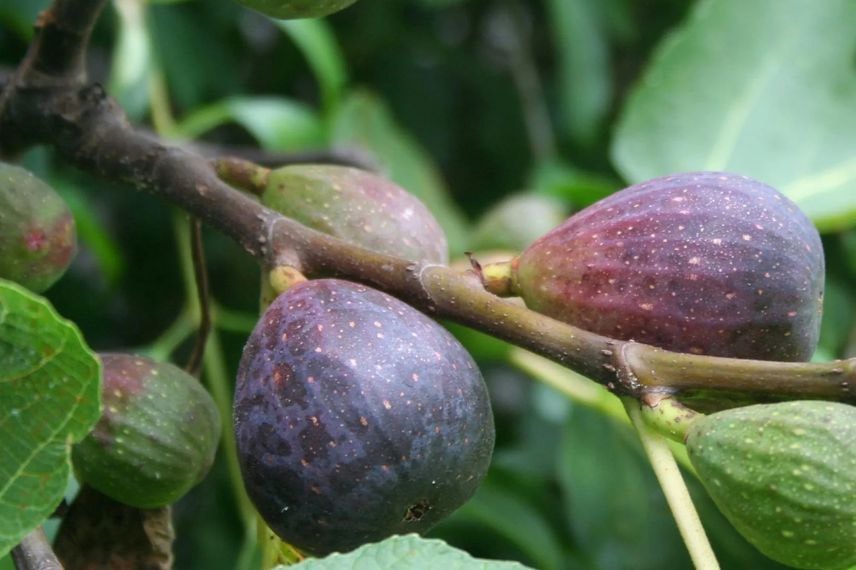
The Sollies Violet fig tree, a well-known and appreciated variety
A few iconic heritage varieties
- Fig tree ‘Violette de Solliès’‘ (Provence) : Arguably one of the best-known and most sought-after varieties in France. It is a large fruit, flattened in shape, with a thin skin of dark purple-black colour and an intensely red, juicy and sweet flesh. It is distinguished by its very rich aromas, reminiscent of jam, honey and strawberry notes. The ‘Violette de Solliès’ benefits from a PDO (Protected Designation of Origin), a mark of quality that protects its production in this specific region.
- Fig tree ‘Noire de Caromb’ (Vaucluse) : It produces fruits of medium size with a dark, almost black skin, hence its name, and a flesh of a very bright red. It is eaten both fresh and dried, thanks to its intense, sweet flavour, with slightly caramelised notes when dried. It is an integral part of local culture, and every year, the village of Caromb celebrates the fig through festivities.
- Fig tree ‘Rouge de Bordeaux’ or ‘Pastilière’ : an old variety that adapts to cooler climates, which makes it particularly interesting for the central and northern regions of France. Its fruits are medium-sized, with a dark purple skin and a red, very sweet and melt-in-the-mouth flesh. Early, it bears fruit from August and in abundance.
- Fig tree ‘Grise de Saint-Jean’ : an ancient variety cultivated mainly in the south-west of France. It is known for its figs, medium to small in size, with a fine grey-blue skin and a pink, sweet and juicy flesh. Its delicate and sweet flavour makes it a variety enjoyed for fresh eating, but it can also be transformed into jam or dried. This variety is biferous, offering a double harvest.
- ‘Goutte d’Or’ : a variety originating from southern France, notable for its golden-yellow, sweet and juicy figs, ideal for eating fresh. A low-growing, biferous variety.
- Fig tree ‘Longue d’Aout’ : an ancient variety from the south-west, with elongated fruits, very sweet, and which yields abundant harvests in July and then August.
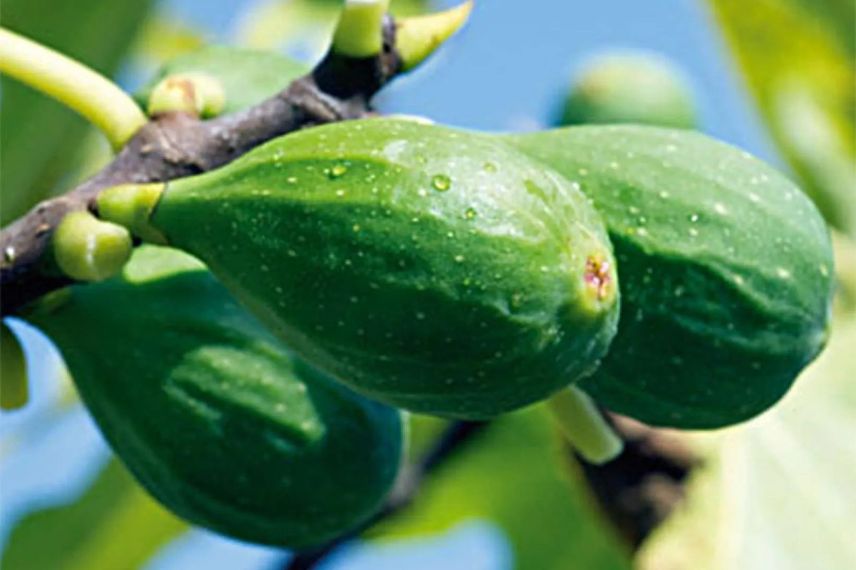
Fig tree Longue d’Aout
The role of conservatories
Botanical conservatories and local associations play a key role in preserving ancient varieties of fig trees. Their objective is to conserve, catalogue, and sometimes reintroduce these varieties, while raising public awareness of their importance.
These institutions devote themselves to safeguarding plant biodiversity, including ancient fig trees. They maintain living collections of different varieties, often sourced from specific regions. For example, the Porquerolles Botanical Conservatory in Provence preserves a large number of Mediterranean varieties, including ancient fig trees. By studying these trees, botanical conservatories can identify the genetic characteristics of each variety, thereby promoting their propagation.
In some regions, local associations, often supported by gardening and farming enthusiasts, strive to promote the cultivation of ancient varieties. They organise exchanges of cuttings, grafting workshops, and awareness-raising events to encourage amateur gardeners to grow these trees at home. These initiatives strengthen the sharing of knowledge and contribute to the preservation of traditional fig trees that might otherwise be forgotten.
In addition to the conservatories, gardening enthusiasts and some farmers play a key role in the transmission of these varieties. By cultivating ancient fig trees in their gardens or orchards, these amateurs help maintain precious genetic diversity.
Some farmers, particularly in organic farming or permaculture, choose to favour ancient varieties for their hardiness and their low input requirements (fertilisers, phytosanitary treatments).
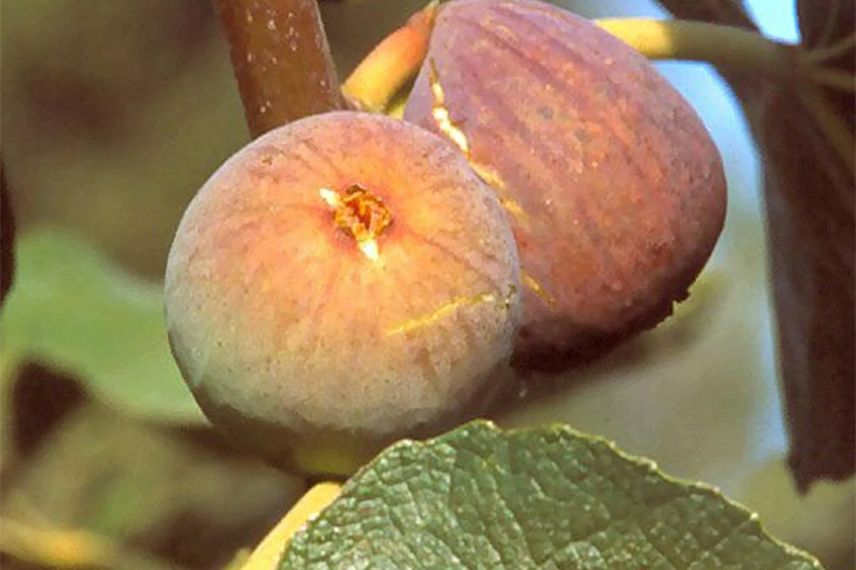
Grey of Saint John fig tree
- Subscribe!
- Contents
Comments