





























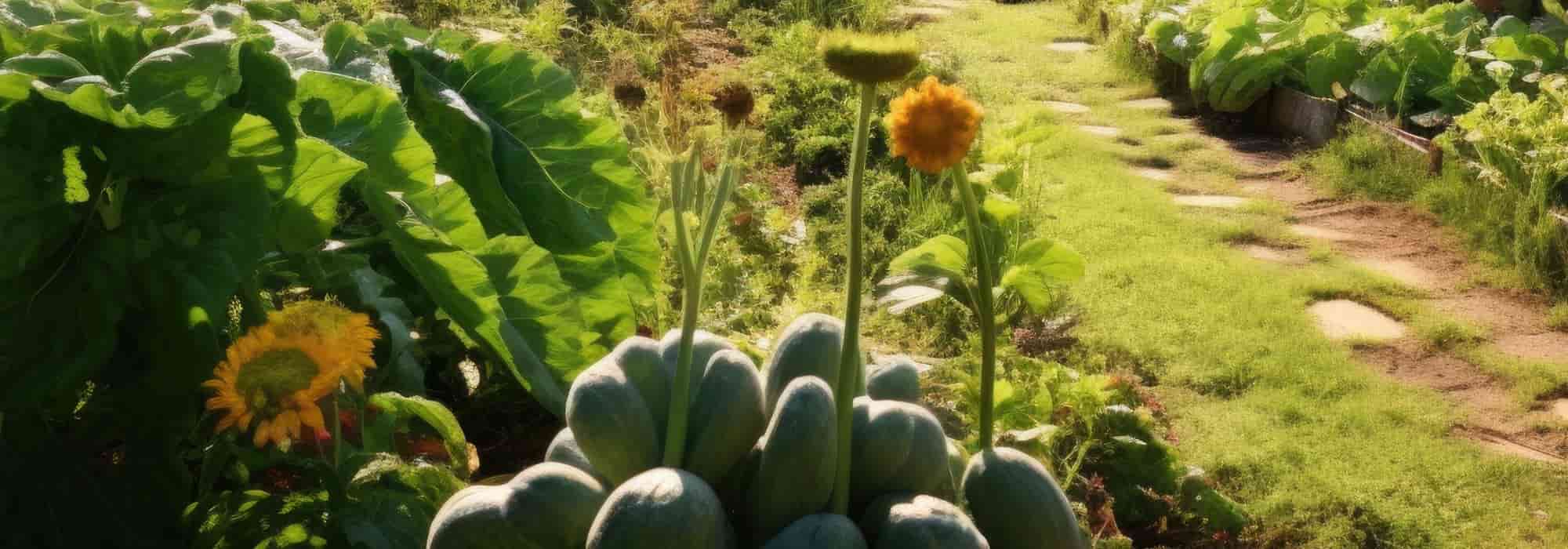
Permaculture: a practice for the future facing climate change
From resilience to biodiversity
Contents
In the face of the urgent need to tackle climate change, more and more gardeners are seeking environmentally friendly and sustainable cultivation methods. Among the different approaches, permaculture emerges as a viable solution to attenuate the effects of global warming on our vegetable gardens and plots. Discover how permaculture can help create resilient cultivation systems, promote water conservation, maintain soil health and enrich biodiversity. If you’re wondering how to make your garden more sustainable and resilient to climate fluctuations, you’re in the right place.

What is permaculture?
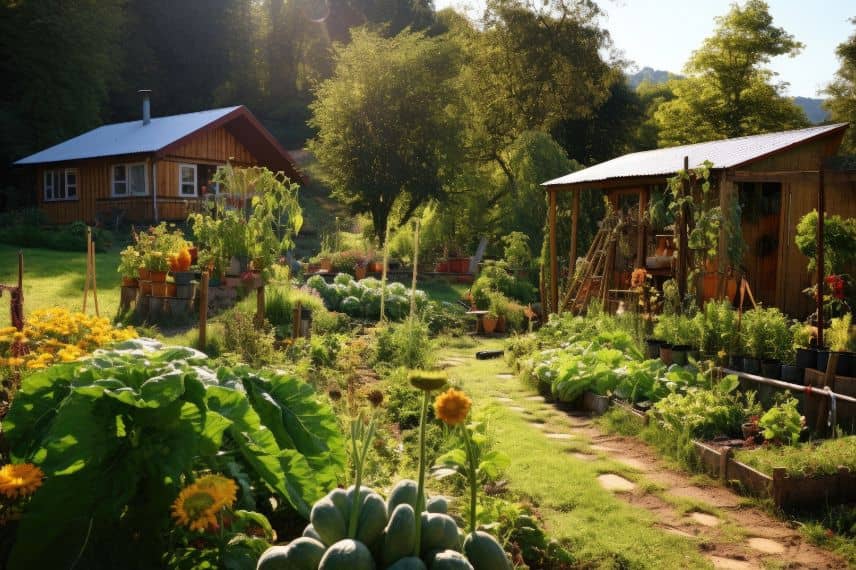
You’ve surely heard of permaculture, but you may be wondering what it actually means, especially for your garden. In fact, it’s a way of gardening that aims to make everything as natural and sustainable as possible, all while mimicking as closely as possible what happens in nature.
The basic idea of permaculture is to view the garden as an ecosystem. It’s an environment in which plants, animals and even the soil work together to be more resilient and productive. For example, by looking after soil health through compost and mulching, you provide a rich environment for young plants that, in turn, will be better able to resist diseases and parasitic pests.
Permaculture also aims to make the best use of natural resources, such as rainwater or sunlight, to make your garden more sustainable, while minimising the resources required.
In this context, permaculture proves to be an effective method to attenuate the effects of climate change in your garden, by making it more resilient and reducing its environmental impact.
And if all this is still too abstract for you, before continuing this read (there are plenty of examples in the following chapters!), watch Olivier’s video and the explanations by Pascal De Lessines:
Resilience of ecosystems through permaculture
Resilience is the ability of your garden to adapt and recover quickly in the face of difficult conditions, such as droughts or infestations. Permaculture is a way to strengthen this resilience.
By following permaculture principles, you create an environment where everything is connected and works together: soil, plants, and even insects.
Examples of resilience through permaculture:
- Take the case of a period of drought. In a conventional garden, you might need to water heavily, which uses a lot of water. In a permaculture garden, we mimic soil that is never bare in nature: we use mulch at the base of the plants. This mulch helps reduce water evaporation and keeps the soil moist for much longer.
- Using drought-tolerant plants also significantly reduces water requirements. You thus have a garden that not only survives drought better but also uses resources more efficiently.
- A well-nourished soil with compost, for example, will be better able to retain water, which is another advantage during a drought. Composting also enhances soil quality and the overall health of your plants.
- Diversifying plantings rather than practising monoculture helps limit the spread of diseases. Some repellent plants will deter insects, thereby protecting neighbouring plants. Moreover, the diversity of plantings attracts a varied fauna, creating a natural balance that limits parasite proliferation.
By mimicking natural ecosystems, a permaculture garden often has better defence against the elements. It’s not just about hardy plants, but about an entire balanced environment where soil, fauna and flora interact in synergy.
In short, permaculture helps you create a more self-sufficient garden and less dependent on external resources. It is a proactive way to prepare your garden to face climatic and environmental uncertainties, while contributing to a more sustainable lifestyle.
Permaculture comes to the rescue of water conservation
Climate change is intensifying water-related problems such as droughts and floods. Water conservation is therefore a priority, even in the garden. Permaculture offers effective techniques for managing this precious resource in a more sustainable way.
Creating a pond
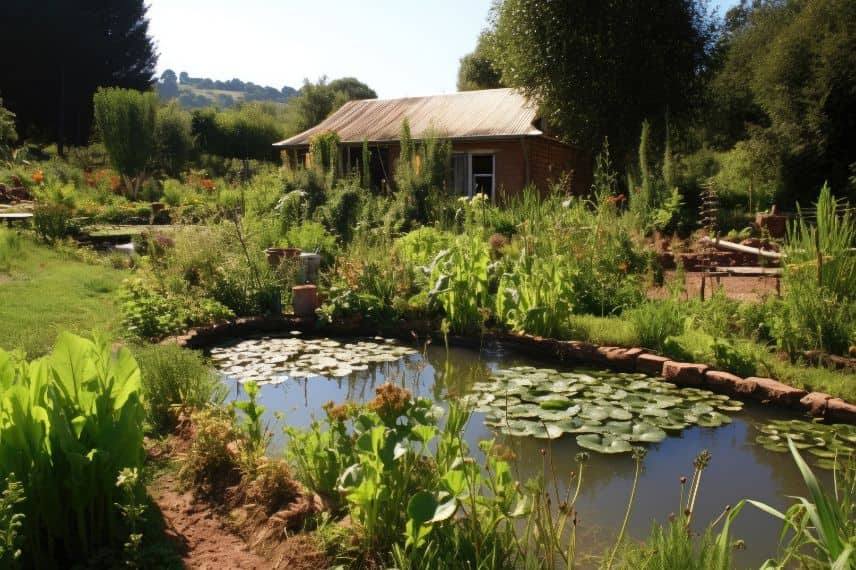
A pond can transform your garden into a true haven for biodiversity while serving as a natural water reservoir. It can, for example, host slug-eating frogs, provide drinking water for hedgehogs and foraging bees, and so on. It can also feed an efficient irrigation system, such as a simple solar pump redistributing water to areas that need it.
Optimal use of rainwater
Another idea is to store rainwater in boles or tanks to use during dry periods. This reduces the use of potable water and strengthens your garden’s resilience.
Mulching and more mulching
As discussed in the previous chapter, covering the soil with organic mulch keeps the soil moist for longer. This reduces evaporation and helps you cut back on how often you water.
Permaculture comes to the rescue of soil health
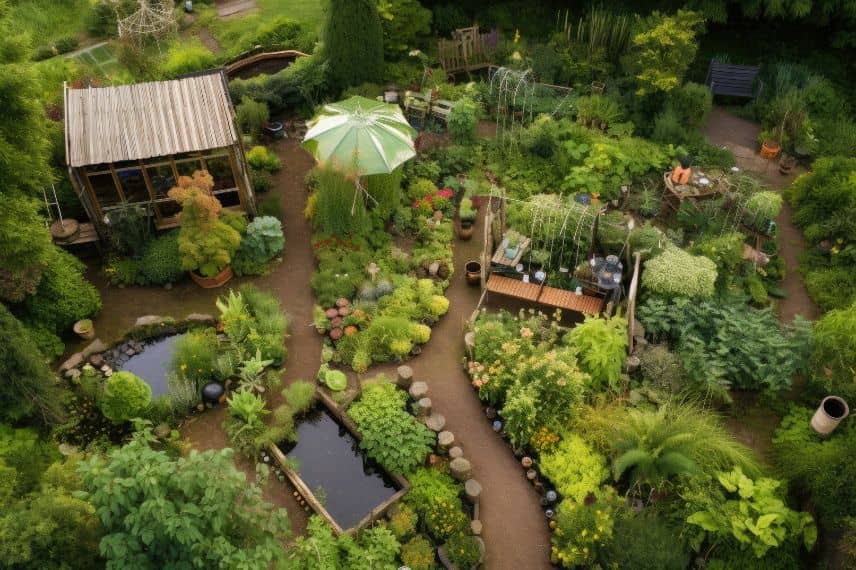
Soil quality is at the heart of any garden that aims to be resilient and sustainable. Healthy soil can retain water better, resist erosion and provide essential nutrients to plants. Permaculture offers several practices to improve and maintain soil health.
The virtuous circle of composting
Recycling your organic waste through composting, whether it’s your grass clippings, kitchen scraps or brush clearance, enriches your soil with organic matter. In addition, you contribute to recycling your green waste. Once decomposed and used in the garden, compost improves soil structure, making it more fertile and less prone to erosion, but also promotes the activity of beneficial microorganisms for your soil.
Companion planting: Mutual benefit in the garden
Forget monoculture flower beds! In permaculture, different plants are often grown side by side for mutual benefit. Some plants enrich the soil with nitrogen, while others repel pests. This method, also called polyculture, helps create a more balanced ecosystem, less prone to disease and more resilient.
For example:
- Tomatoes and basil : This association is one of the most classic in permaculture. Basil helps deter certain pests attracted to tomatoes, such as whiteflies. In return, tomatoes provide shade for the basil, which can be beneficial during periods of high heat.
- Maize, beans and squashes : Often called ‘The Three Sisters’, this example of polyculture comes from Indigenous North American gardening practices. Maize serves as a natural trellis for climbing beans, which in turn fix nitrogen in the soil, benefiting the maize. The leaves of the squashes act as a natural mulch, retaining soil moisture and inhibiting weed growth.
Permaculture supports biodiversity
Biodiversity, often overlooked in traditional gardening methods, lies at the heart of permaculture. By creating a diverse environment, not only will your garden become more resilient, but you’ll also contribute to a broader ecosystem.
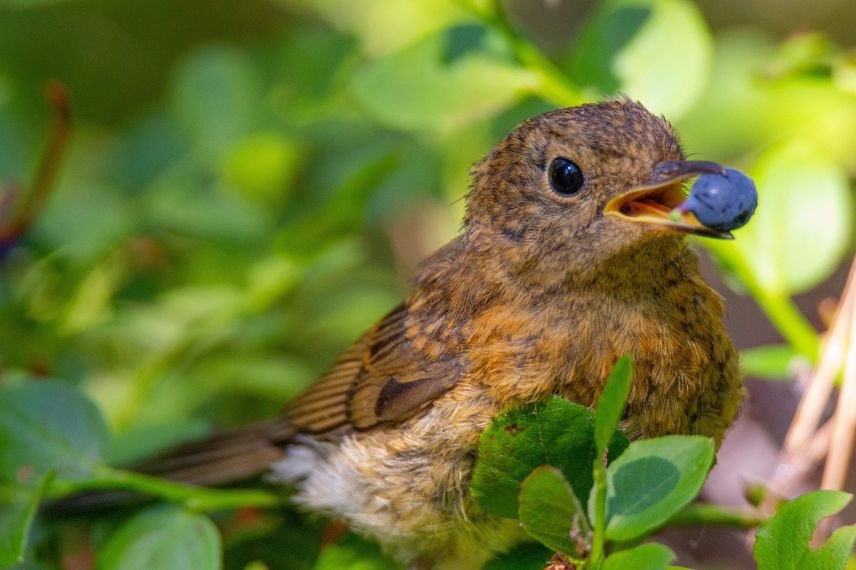
By diversifying the plant types in your garden, you create a welcoming habitat for a wide variety of animals. For example, flowering plants attract pollinators such as bees and butterflies, while fruit trees and bushes provide food and shelter for birds. Also consider creating monospecific insect hotels, bat shelters and leave piles of wood for hedgehogs.
Hedges composed of diverse native bushes not only serve as windbreaks, but also act as ecological corridors for small wildlife. Insects, birds and even some mammals use these spaces to move about, feed and reproduce.
A garden rich in biodiversity creates a domino effect that goes well beyond its boundaries. Pollinators visiting your garden will help pollinate plants in other gardens and wild spaces. Moreover, by fostering a diverse local wildlife, you contribute to more robust food chains, which are essential to the overall health of the local ecosystem.
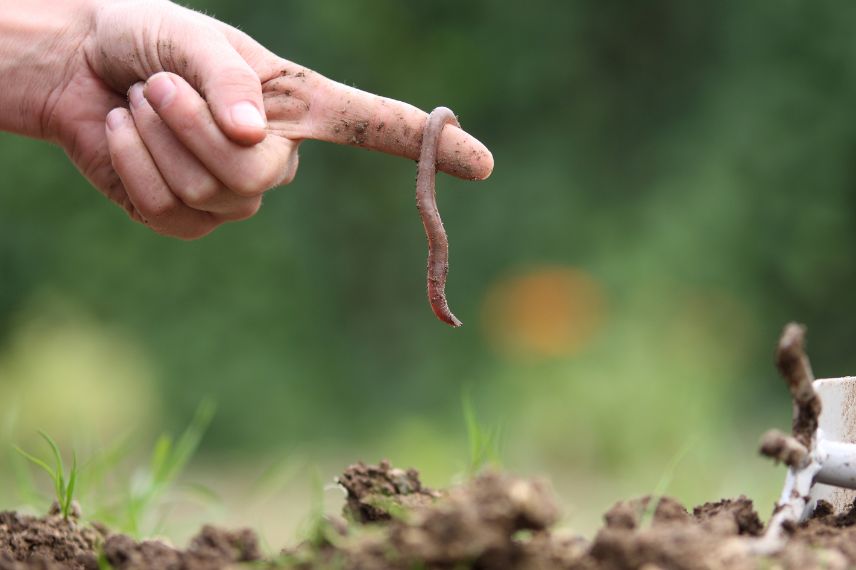
A high level of biodiversity also results in soil rich in micro-organisms. This underground network plays a crucial role in the decomposition of organic matter, nitrogen fixation and even the suppression of plant diseases.
Where to start?
As you may have guessed, Permaculture presents itself as a sustainable and effective solution to the challenges posed by climate change. By favouring gardening and agriculture that respect biodiversity and natural resources, it enables gardeners to contribute to a more resilient future for the planet.
If you’re wondering where to start (I’d say that practising is already experimenting, but I can see some who would like to go through the ‘theory’ stage before getting started), you can read our articles on the topic:
- How to transform your garden into a permaculture system?
- Permaculture vegetable garden: where to start?
- Urban permaculture: growing in small spaces
- I’ve tested for you: a permaculture training course
There isn’t really a ready-made ‘bible’ in bookshops. However, I can suggest reading the following titles:
- “Solutions for a Resilient Garden”, by Jean-Paul Thorez – Éditions Terre Vivante
- “Splendours and Miseries of a Permaculturist” by Stuart Anderson – Terre Vivante
And to follow the MOOC (distance learning) in permaculture offered by Colibris.
- Subscribe!
- Contents
Comments