





























Plants not to prune in autumn
Which plants and why?
Contents
Autumn is often associated with gardening tasks such as pruning and preparing plants for the coming winter. However, did you know that there are plants better left alone during this season? In this article, we will explore the different plants, trees and bushes that you should not prune in autumn, and for good reasons. We will detail the risks associated with autumnal pruning and provide practical tips to optimise your gardening practices. So, put your pruning shears aside for now, and discover why some plants are best left undisturbed as winter approaches.
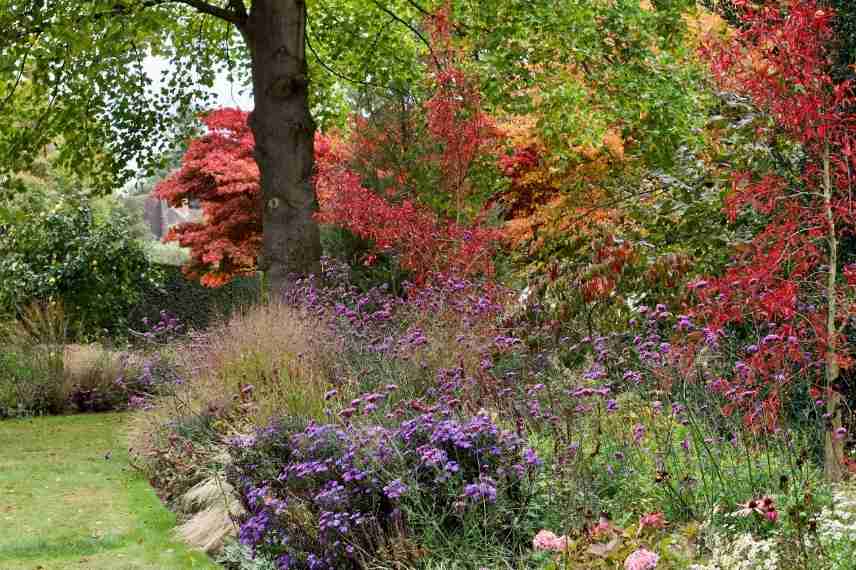
The garden in autumn: pruning, yes, but be careful — not everything should pass through the pruning shear…

Why shouldn't some plants be pruned in autumn?
It is essential to understand that not all trees, shrubs and perennial plants react the same way to pruning. While most trees and shrubs benefit from a good autumn pruning to thrive the following spring, others may suffer or even die if you do not respect their natural growth cycle. So, why exactly should some plants not be pruned in autumn? Here are the key reasons every gardener should take into account to maintain the health of their garden during the cold season.
Risk of frost
Pruning, especially of large-diameter branches, can leave parts of the plant exposed and vulnerable to winter conditions. Fresh cuts can freeze, which can cause irreparable damage or even the death of the plant.
Entry point for infections
In some cases, fresh cuts are an entry point for fungal or bacterial infections, particularly if conditions are wet, which is often the case in autumn.
Late or winter flowering
Some plants, trees and shrubs flower in late autumn or winter. Pruning them in autumn means you risk cutting off the flower buds, thereby ruining their flowering cycle.
Weakening the plant
Pruning in autumn can also stress the plant just before winter, a period when it needs all its energy reserves to survive harsh conditions. This stress can then lead to a weakening of the plant, making it more susceptible to diseases and pests. Moreover, pruning can sometimes stimulate new growth, which is not ideal when the plant should instead be preparing for the winter dormancy period.
Aesthetic impact
Certain plants, such as ornamental grasses for example, are more attractive in winter if they are not pruned in autumn. Their foliage provides interesting texture and colour during the winter months. In the same vein, one should also avoid pruning interesting evergreen foliage in winter and shrubs with coloured wood, such as Cornus with coloured wood.
A little note from Oli: to this we could also add that not cutting perennials and grasses back to the ground as winter approaches provides shelter for small garden wildlife (insects, other arthropods and even some small mammals, such as the shrew), but also, in some cases, helps protect the plant from winter chill.
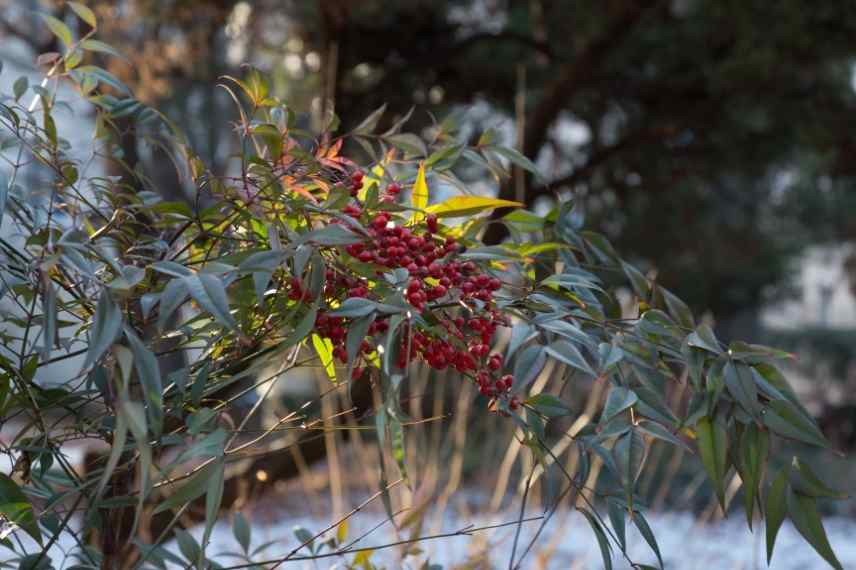
Shrubs with berries or fruit will not be pruned
Read also
Choosing the right pruning shearsList of common plants not to prune in autumn
Winter-flowering shrubs
These shrubs share the fact that their winter flowering is one of their main attractions. Pruning them in autumn can not only affect this flowering, but also make the plants more vulnerable to disease and environmental stress.
- Camellia that flowers in winter or in autumn: pruning in autumn could compromise its magnificent flowers.
- Mahonia: this shrub produces yellow flowers during winter and does not like to be disturbed by autumn pruning.
- Daphne odora: known for its captivating scent, it flowers in winter and should be left alone in autumn.
- Chimonanthus praecox: its deliciously scented flowers are a treat in winter.
- Stachyurus praecox: another fine shrub with early flowering.
- Laurestine (Laurier tin): another attractive winter-flowering shrub, with decorative fruits that feed birds in winter and evergreen foliage. Three good reasons not to prune it in autumn.
- Edgeworthia or Paper bush: an astonishing, fragrant bloom as winter ends.
- Hamamelis: with its strange, colourful spider-like flowers, it is best not to prune it in autumn.
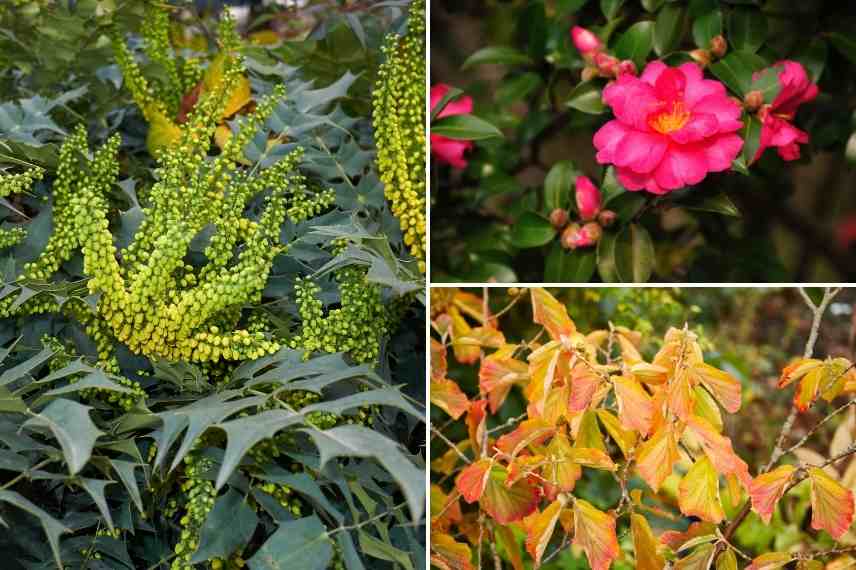
Mahonia, Camellia sasanqua and autumn foliage of a Hamamelis
Spring-flowering shrubs
These spring-flowering shrubs form their flower buds the previous year. Pruning in autumn could therefore considerably reduce their flowering and visual impact the following spring.
- Forsythia: this shrub is famous for its bright yellow flowers in early spring.
- Lilac: with its fragrant clusters of flowers, lilac is another shrub that flowers in spring.
- Azaleas and Rhododendrons: these shrubs produce a range of colours in spring, and autumn pruning can affect their quality.
- Spring-flowering magnolias: although some species or varieties may flower at other times, deciduous magnolias are generally known for their spring flowering.
- Flowering currant (Ribes sanguineum): it produces beautiful clusters of pink or white flowers in spring.
- Hydrangea macrophylla and Hydrangea serrata: these hydrangeas initiate their flower buds the previous year. Pruning in autumn or winter will remove the flowering for the following year.
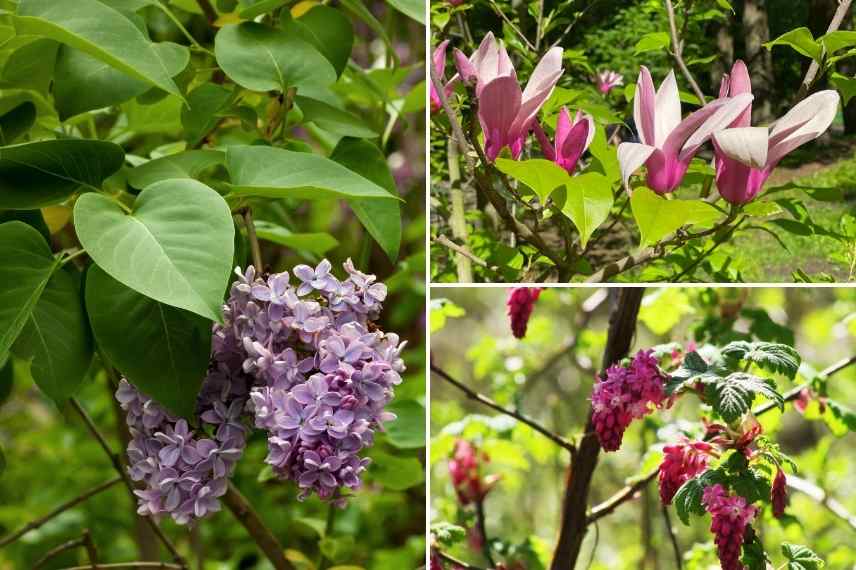
Lilac, magnolia and flowering currant
Trees and shrubs that look good in winter thanks to their wood, berries or foliage
These trees and shrubs are not only beautiful in winter, but also bring colour and texture to your garden during the cold season.
- Dogwoods (Cornus sanguinea, Cornus sericea and Cornus alba): they are known for their colourful wood in winter — red, yellow or orange.
- Nandina domestica or heavenly bamboo: this shrub is famous for its red berries that persist throughout winter.
- Strawberry tree (Arbutus unedo): it bears red fruits and a decorative trunk that peels in winter.
- Holly (Ilex): the red berries are a real attraction in winter, especially during the festive season.
- Skimmia japonica: this evergreen shrub bears clusters of red or white berries in winter.
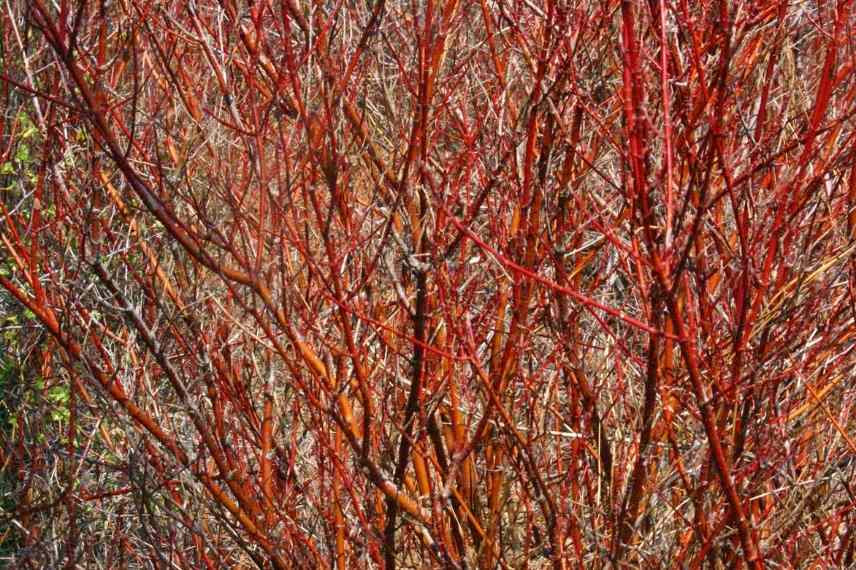
Anything that brings colour in winter, such as the wood of dogwoods: avoid pruning, of course!
Grasses and perennials not to prune
Avoid pruning ornamental grasses in general (Chinese fountain grass, Miscanthus, Stipa, Calamagrostis…), the ferns (especially the evergreen ones!), herbaceous peonies which may then fail to flower the following spring, perennials with autumn flowering (Symphyotrichum (autumn asters), Hylotelephium (Sedums), Japanese anemones…) and, more generally, all other perennials that provide shelter and sometimes even a little food for garden wildlife. Furthermore, leaving the dead stems protects the stump from the winter cold. So, let’s wait patiently for spring before pruning!
Conifers
Autumn pruning could create too many entry points for fungi in conifers. Therefore do not touch spruces, pines, cedars or firs (Abies sp.). Also avoid pruning hedging conifers such as yews, thujas or Chamaecyparis.
Warning: some trees and shrubs that fear the cold will be weakened by autumn pruning. Leave them alone and protect them as best you can in winter (mulching, winter fleece…). This is the case, for example, with bougainvilleas, oleanders, abutilons…
Pruning is an art, if not a science
Before picking up your pruning shears and embarking on a pruning operation that could be detrimental to your plants, it is important to know the right time for each species. For example, many perennials and spring-flowering shrubs prefer to be pruned just after their flowering period, while others can wait until summer. However, bear in mind that, although there are exceptions (see the list on this advice sheet) most trees and shrubs can be pruned in autumn.
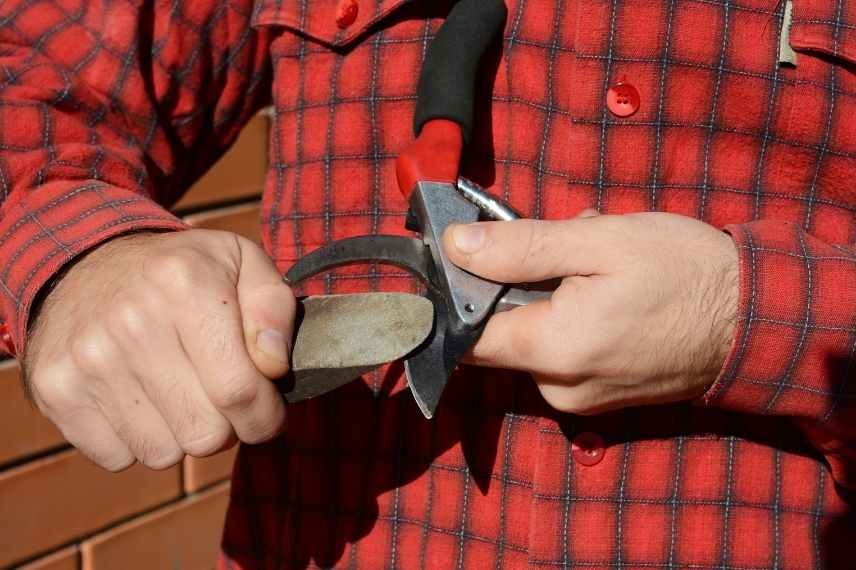
When it comes to successful pruning at other times of the year, a few tips can make all the difference. First of all, make sure you use well-sharpened and disinfected tools to avoid the transmission of diseases. Next, check the specific pruning method for each plant. Some require a cut just above a bud or a lateral branch, while others will tolerate more radical pruning. Also, remember to take the weather into account: a cloudy day with no rain forecast is often the best time to prune, as this reduces water stress for the plant.
Let’s not forget that pruning is often traumatic for a plant. In the case of trees and shrubs, favour gentle pruning and avoid making one large cut on your tree all at once. Finally, the so-called thinning pruning improves the health of trees and shrubs by thinning the branches, so do bear that in mind!
- Subscribe!
- Contents

Comments