


Privet: which variety to choose to cover a slope?
Selection of dense, ground-covering varieties
Contents
Among spindles, there are very low groundcover varieties, interesting for their creeping and spreading habit. They feature decorative evergreen foliage year-round, sometimes prettily coloured, which will elegantly brighten up spaces that are a little difficult to establish in the garden, such as slopes.
They are hardy, adaptable shrubs that tolerate all soil types, even poor soils. They are capable of forming a dense, carpet-like groundcover, even in places subjected to root competition. Low-maintenance, they are well suited to beginner gardeners.
Here is our selection of various spindle groundcover varieties to brighten up a slope.
And to learn all about Euonymus cultivation, discover our comprehensive guide: Euonymus: planting, pruning and maintenance.

Euonymus fortunei 'Coloratus': for its evergreen foliage that colours in winter.
This creeping euonymus is a dwarf variety, which does not exceed 30 cm in height, but spreads to at least 60 cm. Its habit is compact and dense, perfect for dressing a slope and competing with adventives (“weeds”).
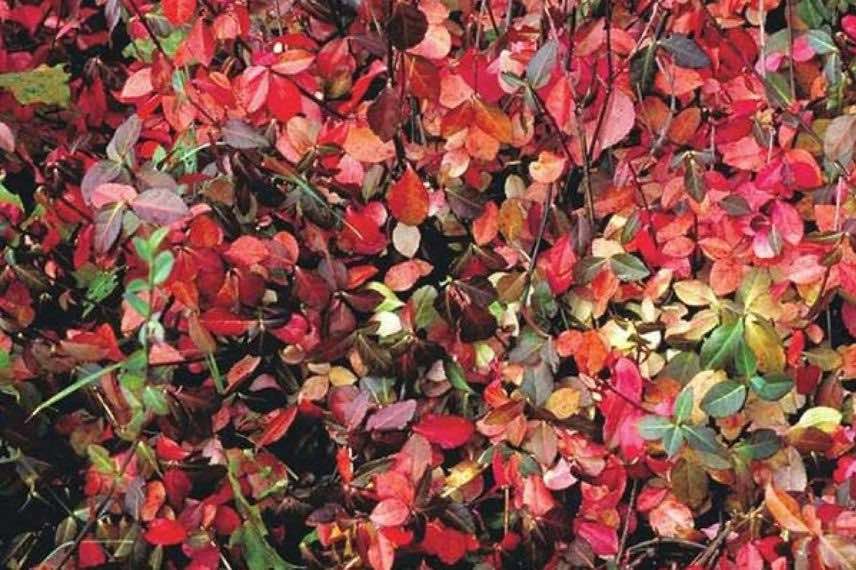
‘Coloratus’ has evergreen foliage, which stays decorative all year round. Initially a dark glossy green colour, it becomes covered with purple to red hues as autumn arrives, creating a pretty colourful display for several weeks. It is the cold that gives it this flamboyant colour.
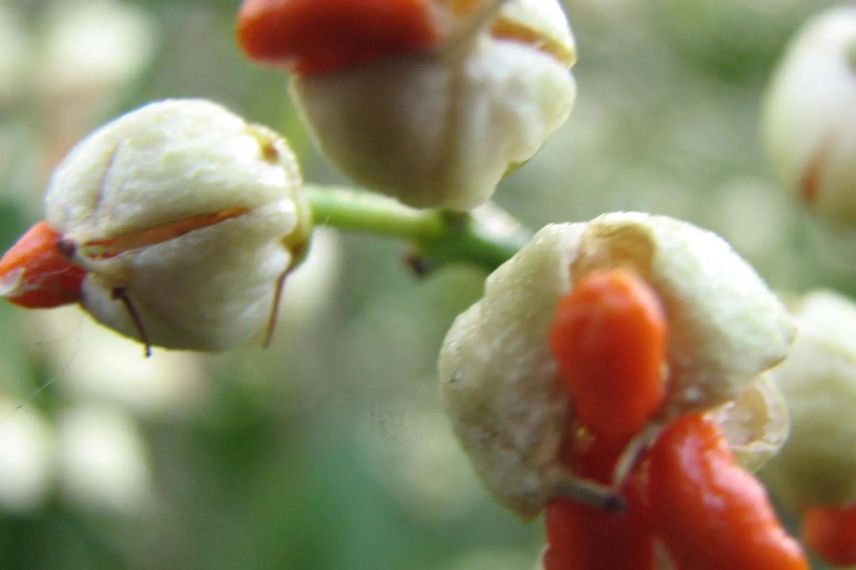
As is often the case with euonymus, spring flowering is fairly discreet: it is not for this attribute that we cultivate them. It will, however, bear small coloured fruits, which will delight birds and add an interesting aesthetic touch.
Hardy beyond -20°C, but also tolerant of soil type and exposure, this creeping euonymus proves easy to live with. Plant it in full sun or partial shade, even on calcareous soil, so long as the site is not too dry. Versatile, it will therefore help to green a slope, but it can also have other uses. Thanks to its climbing roots, it can, for example, even cling to a wall, never becoming too expansive, or establish itself at the base of bushes or along path edges.
Read also
Spindle: which variety to choose?Euonymus fortunei ‘Dart's Blanket’: for a low-maintenance bush
‘Dart’s Blanket’ is one of those plants you can let go and let it thrive on its own, almost without any maintenance. Naturally dense and compact, this shrub will reach around 60 cm in all directions. Its creeping, vigorous habit forms a perfect groundcover cushion, which will stylishly dress the trickier corners of the garden. It comprises dark-green evergreen leaves, taking on red and bronze hues in autumn.
This euonymus flowers in late spring, but it is certainly for its foliage that it is grown.
Very adaptable, it will tolerate sea spray as well as hard frosts and calcareous soils, in sunny or shaded positions. It will only dislike soils that are too dry. It can also be grown as a climber, thanks to its flexible shoots that readily climb.
Euonymus fortunei 'Wolong Ghost': for a shaded slope
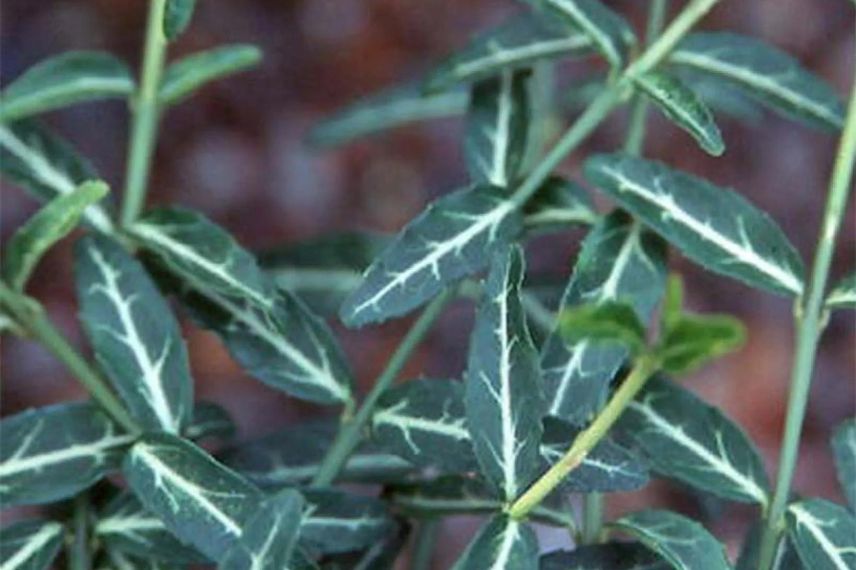
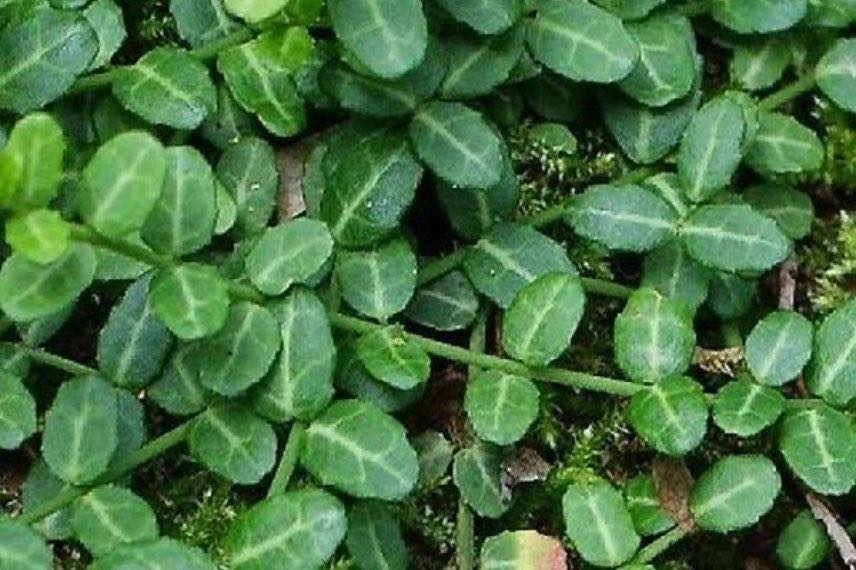
This variety features striking variegated foliage, finer than its peers. It bears a deep green-grey, contrasting with white-silvery veins. Evergreen, this foliage remains attractive in all seasons. This spindle is a valuable choice for dressing shaded embankments, as it prefers cooler, less sunny exposures, especially in the southern regions of France.
‘Wolong Ghost’ reaches only 15 cm in height with a minimum spread of 60 cm. It has a creeping habit that spreads easily across the ground, but can also climb if it encounters an obstacle. In that case, it can even reach up to 2 metres in height.
The late-spring flowering gives way to decorative fruits that will attract birds.
Hardy and almost fail-proof as long as the soil isn’t too dry, this spindle can be adopted by gardeners, even novices.
Read also
The best groundcover euonymusEuonymus japonicus ‘Microphyllus Aureovariegatus’: for its bright variegated foliage.
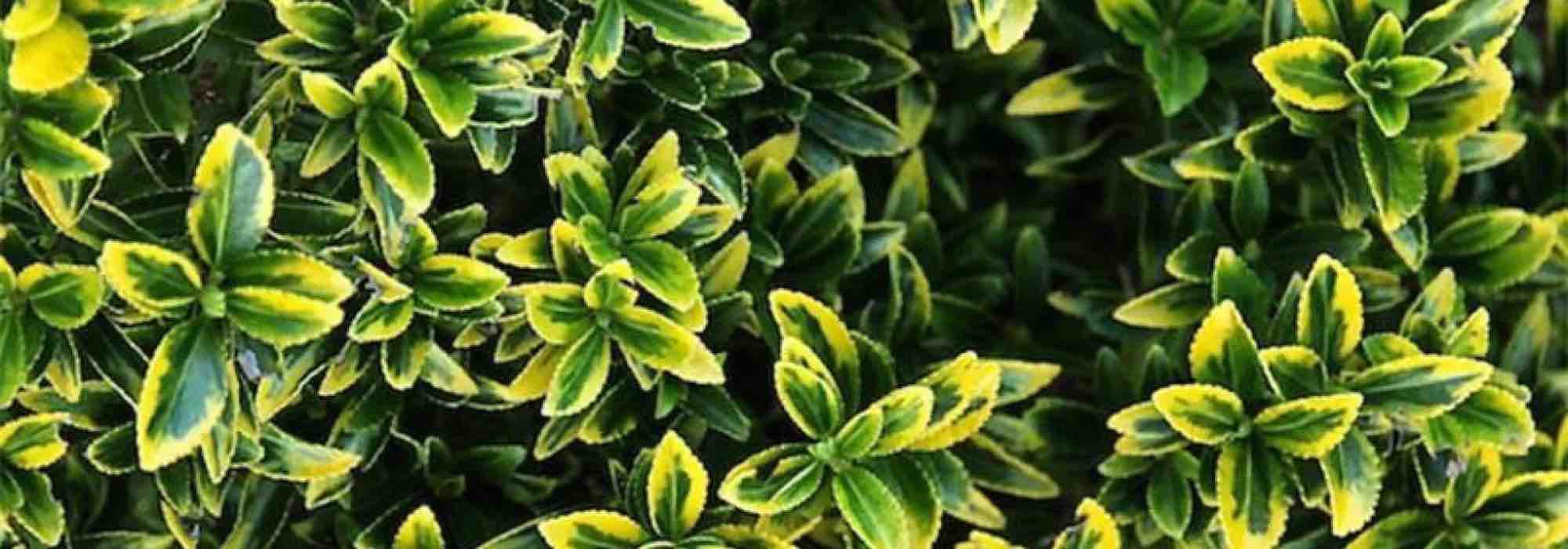
This Japanese spindle ‘Microphyllus Aureovariegatus’ graces us with foliage that is particularly bright. It produces small variegated leaves, combining dark green and bright yellow. The young shoots can even be entirely maculated with yellow.
This spindle has a compact habit, more of a dense, ball-shaped form. It reaches over 1 metre in all directions.
The flowering, considered inconspicuous, takes place between May and June. It is appreciated by pollinating insects. The fruiting that follows will please many birds. It consists of small green fruits, which will take on pretty pink and orange colours in autumn, making it very decorative.
Less hardy than its Euonymus fortunei congeners, this spindle will tolerate frosts down to around -12°C once established.
It is a species well suited to mild climates, and will do wonders in coastal or seaside gardens, notably due to its tolerance of sea spray.
Plant it in sun or partial shade to brighten a bank, in ordinary soil, even calcareous. Maintenance will be limited to watering during dry spells.
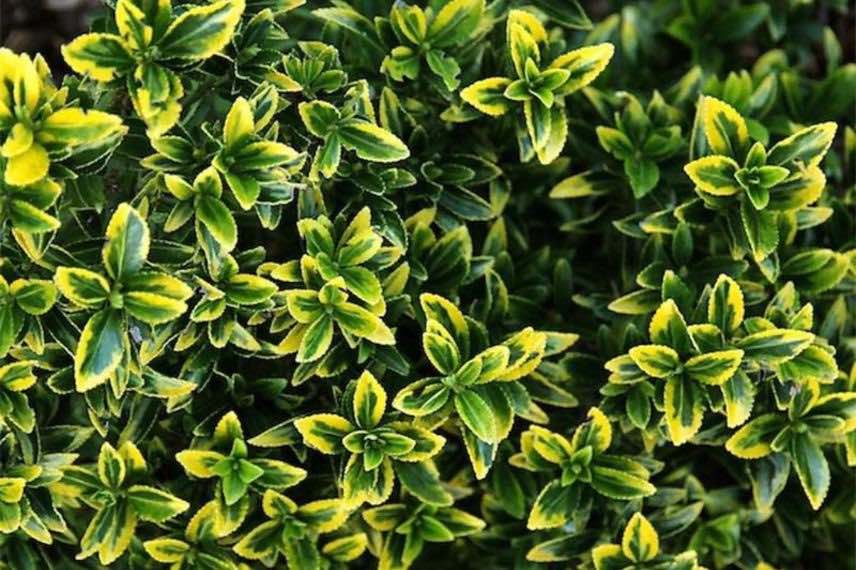
Euonymus fortunei 'Tustin': for small spaces
This dwarf euonymus is a small form, which will reach only 20 cm in height and 60 cm in spread. We especially like ‘Tustin’ for its very low, dense and compact silhouette, as well as for its dimensions that allow it to fit even into small spaces. This groundcover will thus be ideal for covering a slope with ease throughout the year.
Its evergreen foliage displays a lovely green with bluish hints, before taking on vibrant autumn colours as the cold weather sets in.
As with all Euonymus fortunei, it is an easy-to-grow shrub, hardy and adaptable, that establishes itself in moist soil (which never fully dries out), in sun or partial shade.
Here again, its flowering, which can easily go unnoticed, will be followed by an attractive decorative fruiting in the form of pink-red berries. If they are not edible, they will help feed birds in autumn.
- Subscribe!
- Contents

Comments