





























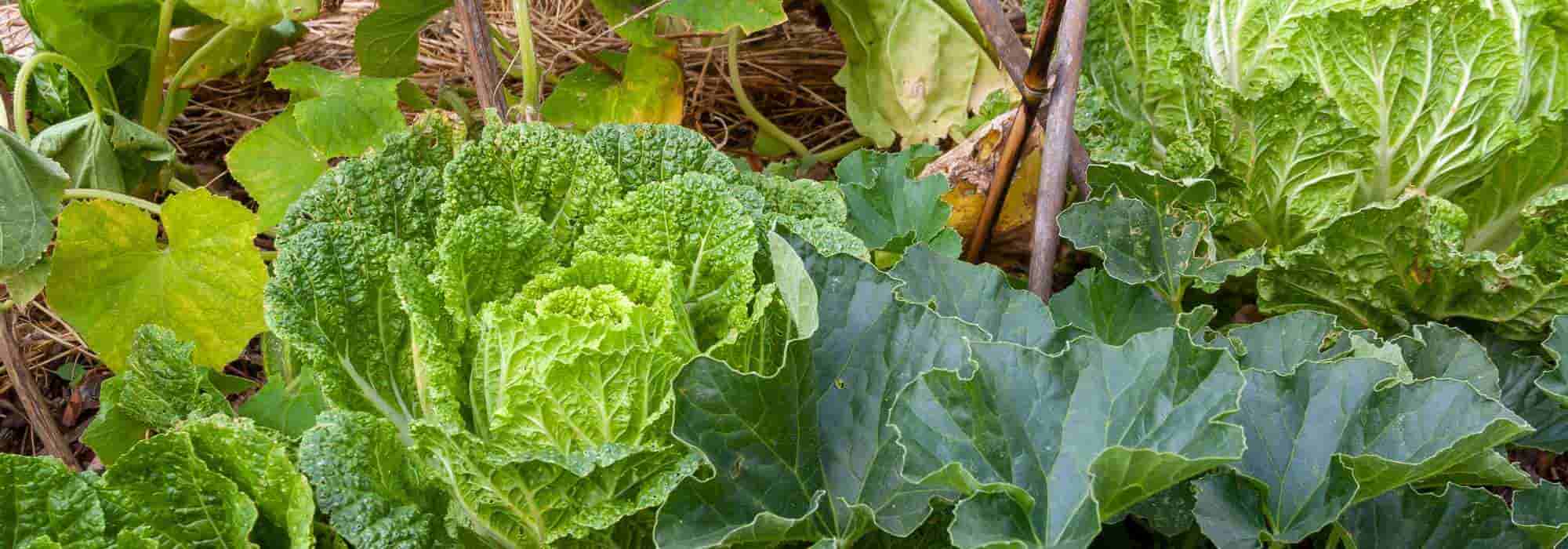
Pros and cons of permaculture in the garden
to be informed before getting started
Contents
Very trendy in recent years, permaculture is increasingly making its way into our gardens. According to some gardeners and newspapers, this method of cultivation, inspired by nature, promises us flourishing, abundant gardens with little effort! But is it really as advantageous as that? In this article, we take a look at the advantages and drawbacks of permaculture in the garden, to help you see things more clearly.

A quick reminder about permaculture
General description
Permaculture is an ethical design approach that aims to create sustainable and productive cultivation and habitat systems. It draws inspiration from nature’s principles and relies on careful observation of ecosystems and natural cycles to imitate them.
In summary, permaculture aims to:
- Take care of the land: by conserving natural resources, improving soil fertility and protecting biodiversity.
- Take care of people: by creating systems that meet human needs in a sustainable and equitable way.
- Share resources fairly: by promoting just and responsible use of natural resources.
Permaculture in the garden
The principles of permaculture in the garden:
- Observe and understand nature: Over one or two years, the gardener will take time to observe their garden and understand how it works. This includes noting shade and sun exposure across the seasons. To know the nature of their soil (clayey, loamy, acidic, neutral, etc.). Whether there are wet or dry areas. They will also observe the plants that grow there naturally, as they will give them clues about the soil’s nature and the potential advantages and disadvantages of it. For example, the presence of nettles indicates soil rich in nutrients, damp and slightly acidic, but also compacted. The gardener also observes the animals living there : presence of wireworms, caterpillars, ladybirds, hens and many more.
- Design with care: Once the gardener has a good knowledge of their garden, they will move on to the next step: permaculture design. That is, designing the garden to meet your needs and those of the environment. This involves considering the placement of plants, paths, composting zones and other garden elements. We also prioritise plant diversity, as well as the use of local or well-adapted varieties.
- Work with nature rather than against it: Permaculture aims to work with natural processes rather than fighting them. This means using methods such as mulching to suppress adventive plants, composting to enrich the soil, crop rotation and plant associations to prevent diseases.
- Take care of the land: Permaculture aims to create gardens that are healthy and productive, while preserving soil life. This involves not turning the soil (but rather decompacting/loosening it), conserving water resources and not using chemical treatments.
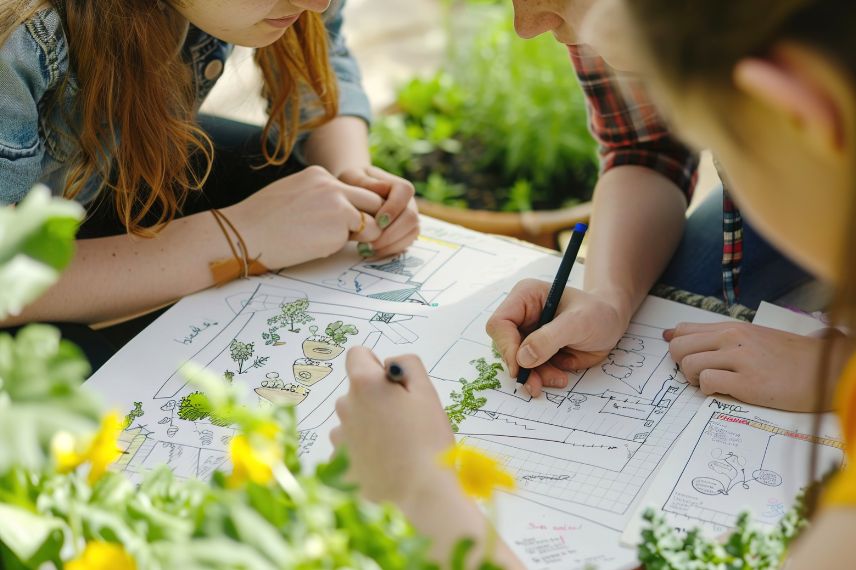
After observation, we move on to permaculture garden design.
The benefits of permaculture
Preserving biodiversity
- As noted above, one of the core principles of permaculture is to care for the soil. Thus, we practise soil aeration, rather than turning the soil, with an organic fork or a grelinette. This action helps preserve the life of microorganisms present in the soil (beneficial bacteria, useful fungi, earthworms, etc.).
- By planting a wide diversity of plants, we attract many insect families and, consequently, their predators (birds, other insects, etc.), which helps to increase biodiversity in the garden.
- The use of chemical products and pesticides is proscribed in order not to disturb biodiversity and to maintain soil health. To replace them, we use beneficial plant associations. The aim is to intervene as little as possible to avoid disturbing the ecosystems that will establish themselves, or rarely and selectively, with natural solutions (manures, decoctions, etc.).
- Installing a pond also provides a wet area in the garden, attracting biodiversity even greater and more useful (amphibians, etc.).
A more fertile soil
- Mulching fosters soil life and enriches the soil by loosening it.
- The use of garden waste (compost, mulch) and green manures, helps to make soil more fertile. Depleted soils can become fertile again after several years thanks to permaculture.
Reduction of labour
- Soil aeration involves less physical effort than turning the soil with a fork and regular hoeing, while preserving soil life.
- Moreover, beneficial plant associations help limit the risk of disease and therefore the need for treatment or removal.
Water conservation
- Mulching, to prevent the soil from being left bare, helps limit water evaporation and reduces the watering needs of plants.
- We will install rainwater collectors, to avoid using potable water. Additionally, rainwater is beneficial for garden plants as it is less hard and untreated.
- We favour plants suited to the garden: for example, in a dry garden, we will introduce varieties adapted to this water shortage.
Reduction and reuse of waste
- In permaculture, we reuse garden waste (grass clippings, fallen leaves, kitchen scraps) as compost and mulch. We likewise reuse compostable kitchen waste in the same way.
A healthier diet
- By banning chemical treatments, the garden yields fruit and vegetables that are healthier to eat.
Disadvantages
Taking time to observe
In permaculture, you take the time to observe your garden over a year, sometimes two. It may seem very long, but this preparatory work will save you time later by planting them in the right place. Use this time also to understand your soil composition and to select the plants you will install (prioritise plants suited to your region and local varieties). And if the spade is itching to be used, why not start by sowing annual flowers that will attract insects or small fruiting plants (strawberry plants, herbs…) that are easily moved?
Plant knowledge
For getting started in permaculture, it’s best to have a solid grounding in plant knowledge, in order to choose the right plants, the right planting locations, adopt the right practices and choose the right associations (especially in the vegetable garden).
Certainly, it’s not essential, but if you’re completely new to gardening, we recommend you educate yourself (books, articles, videos…) before getting started. Don’t hesitate to chat about gardening with your neighbours or with a local gardening club in your area. Get some hands-on experience with the vegetable garden or small fruit plants, preferably on a small area, before going bigger or attempting the planting of large, difficult-to-move plants.
Small gardens and balconies
The restricted space of small gardens and balconies prevents creating a pond and planting large trees (upper stratum), which limits biodiversity. However, you can apply several permaculture principles even in small spaces and in pots: plant diversity, beneficial associations, rainwater harvesting, etc.
Permaculture still requires work
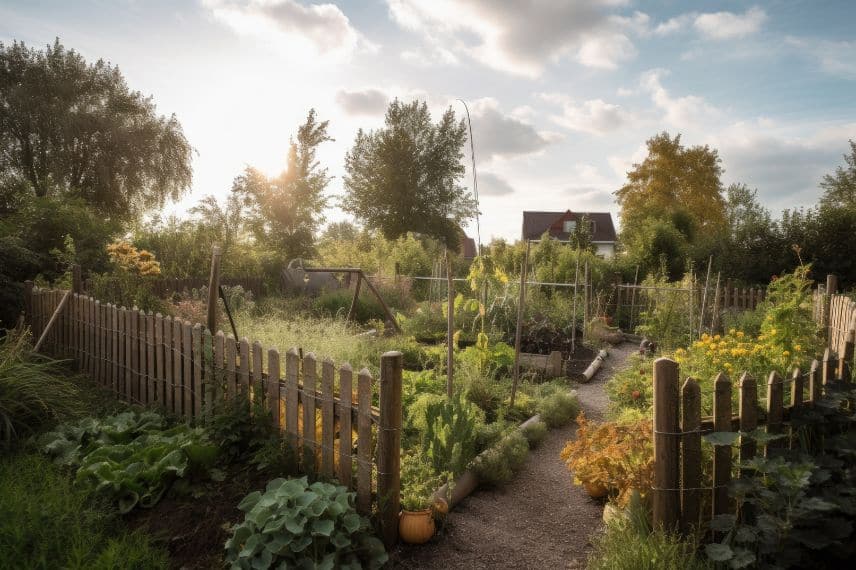
To move from a traditional garden to a permaculture garden, you will need to reconfigure your green space: rethink the layout, install a pond, plant trees, fruit trees, climbing plants, perennials, move some elements, create raised beds (or not), etc. So a lot of work in the early years.
And if you thought that once the makeover works were finished you would sit back and watch the garden without lifting a finger… that’s not a given! Unless you want to leave your green space completely fallow and see what happens? Permaculture obviously reduces the number of tasks to do in the garden, because plants will be more resilient, beneficial insects more prevalent, etc. But it will still require quite a bit of work to try to maintain a semblance of relative balance: limiting an invasive plant (bindweed, couch grass, bramble…), replacing a dead shrub, pruning dead branches, harvesting, replacing mulch, decompacting the soil, cleaning the pond…
In the vegetable garden, you will need to sow vegetables in pots, then transplant them once they are larger, to prevent them all from being eaten by slugs… The latter multiply under the mulch they favour and the ground cover. However, this mulch also provides shelter for ground beetles and worms, it enriches the soil as it decomposes and reduces the need for watering.
In commercial market gardening, there may even be a potential overload of work, as permaculture excludes turning the soil with agricultural machinery. The market gardener must then decompact the soil with a broadfork, sometimes over large areas…
Balance… on a knife-edge
Sometimes you may read articles claiming that permaculture can recreate a “stable” ecosystem… so let’s be clear: nothing is ever stable, whether in nature or in the garden (or in life)!
You will have some years with failures and adventive weed proliferations (bindweed, couch grass…), as well as pest insects (caterpillars, slugs…), fungal diseases, etc. Either due to a lack (or imbalance) of predators, due to too rainy weather, too dry weather, etc., but also due to the cover crop (density of plantings and mulch allow slugs and voles to proliferate) and… the unpredictable! But this is also true in traditional gardening! And by comparison, you’ll even have fewer problems thanks to beneficial associations and the resilience of your plants.
And other years, very good successes: an increase in birds, pollinators, ladybirds, presence of a hedgehog, abundance of fruit, fewer diseases compared with neighbour crops, etc. which will counterbalance it in the balance. This is also what gives gardening its charm! In short, the perfect balance does not exist, whether in permaculture or in traditional gardening, so be indulgent with your garden and with yourself.
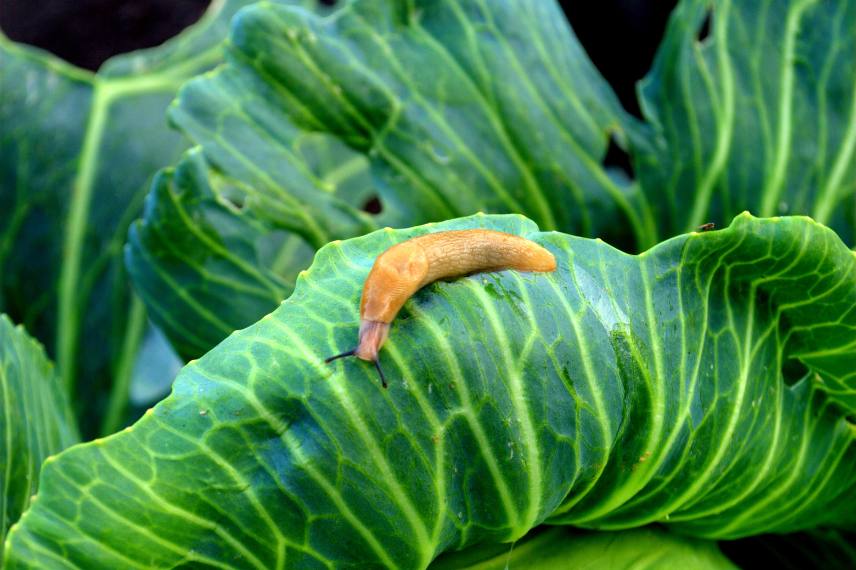
A note from Ingrid: In my personal experience, it took me two years of patience, insect hotels and a few sacrificed plants before achieving a balance between aphids and ladybirds. Since then, these black-spotted ladybirds look after the aphids themselves and I have never had to intervene again. Conversely, after six years and a very wet spring, slugs decimated all my young tomato plants, but a hedgehog regularly visits the garden!
Concluding thoughts on permaculture
As you may have guessed, permaculture isn’t all sunshine and roses, nor is it all black and white. There are advantages and disadvantages, as with all cultivation methods, but its main advantage remains preservation of biodiversity and resilience of plants. We can only encourage you to experiment again and again to find the cultivation method or methods that suit you and adjust. And why not mix some practices? It is said that there isn’t a single permaculture, but many permacultures, as many as there are gardeners and gardens.
- Subscribe!
- Contents
Comments