





























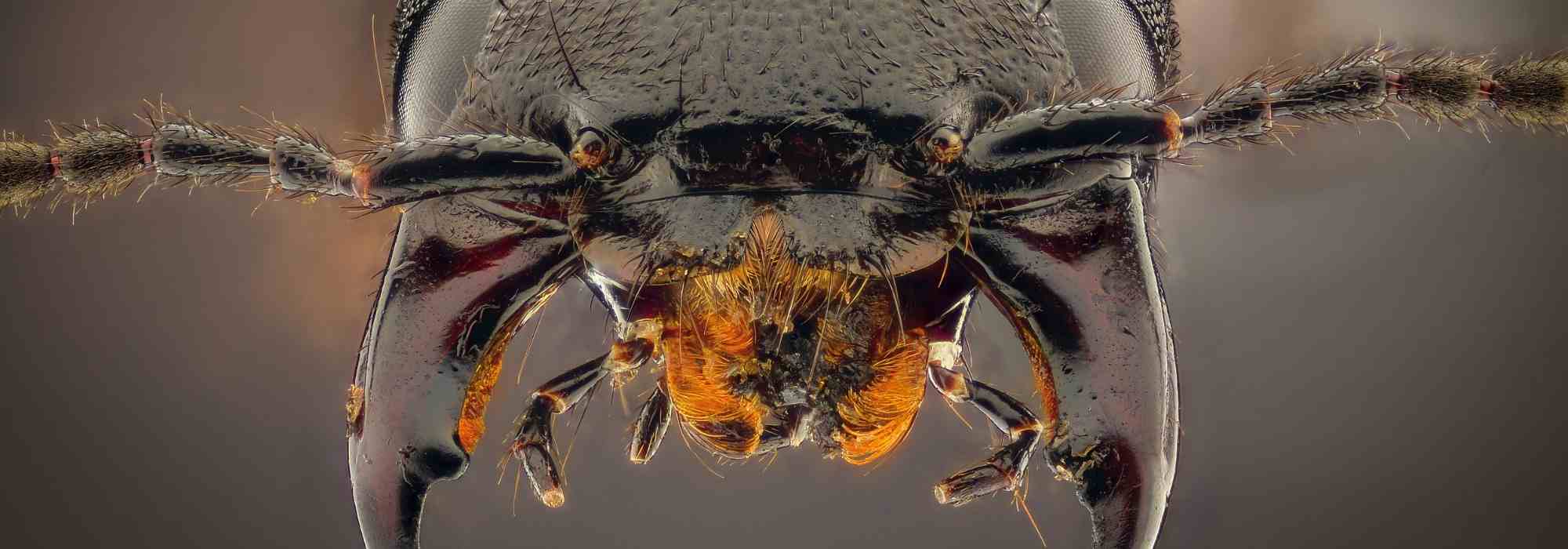
Rove beetle: a gardener's friend
The rove beetle is a beneficial insect.
Contents
Rove beetles are beetle insects, with the most common in our gardens being the Staphylin odorant or black rove beetle (Ocypus olens). The Staphylin odorant is a beneficial insect, particularly for the vegetable garden, as it is a scavenger and a nocturnal predator that consumes a large number of snails, slugs, worms, larvae, caterpillars, and insect eggs.
→ Let’s discover in this advice sheet everything you need to know about the Staphylin odorant.

What is this insect?
Rove beetles are insects of the order Coleoptera (like ladybirds, ground beetles, and cockchafers…) and of the family Staphylinidae. This family includes 58,000 species of rove beetles worldwide.
Here, we will discuss the most common species of rove beetle found in our gardens in France and Belgium: Ocypus olens, also known as the Odorous Rove Beetle or Black Rove Beetle, and nicknamed “devil” by gardeners.
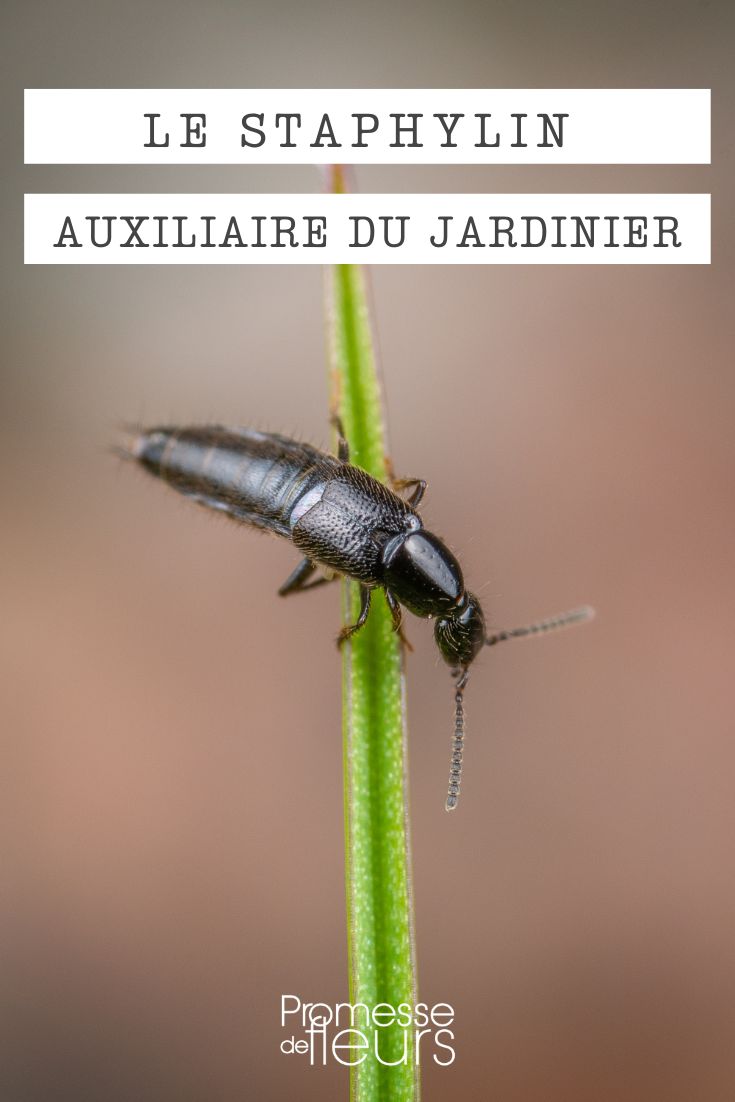
The Black Rove Beetle measures about 30 mm and is entirely glossy black. Its head is nearly as large as its thorax.
This insect is capable of flying. The abdomen is flattened and elongated, and very mobile: the rove beetle can raise its “hind end” somewhat like a scorpion. Two hook-shaped cerci are found at the end of the abdomen.
As the rove beetle is part of the Coleoptera, its wings are covered by elytra. However, these are very short and expose a large part of the abdomen. These short elytra are one of the characteristics of the Staphylinidae family.
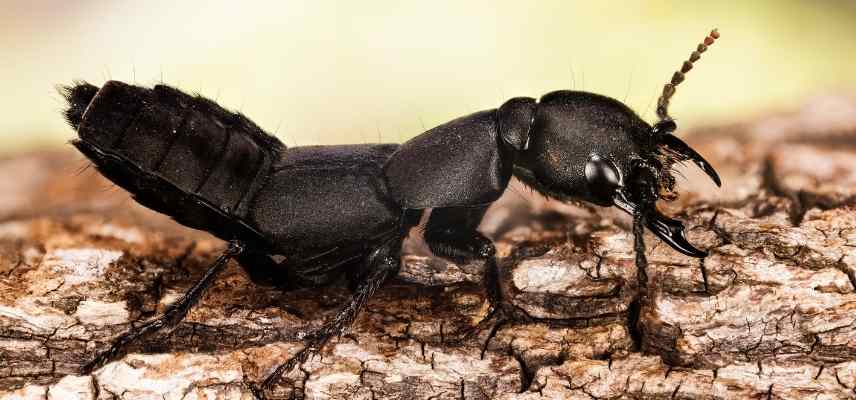
Rove beetle
How does the rove beetle live in our gardens?
Active from April to October, the rove beetle is a predatory insect: it hunts at night and on the ground. Its prey includes slugs and snails, caterpillars and larvae, insect eggs, worms… Please note that the rove beetle is also a scavenger and thus contributes to the “cleaning” of the garden. Moreover, other species of rove beetles consume decaying organic matter and fungi. One genus of rove beetles, the aleocharas, are parasitoids: the adults lay their eggs directly in the larvae of pestiferous dipterans, such as the cabbage fly.
During the day, the Odorous Rove Beetle hides under dead leaves, in a woodpile, between cracks, under stones or tiles…
The rove beetle reproduces in spring. The female lays her eggs in a dark and damp place (just below the surface of the soil, for example). The larvae, which closely resemble the adults, feed on tiny prey in the soil. After 2 or 3 moults and a pupation period of one month, the larvae become adults and emerge from the soil. When winter arrives, adult rove beetles hide in the compost heap, a woodpile, or under a layer of dead leaves… They will reappear in April the following year to reproduce and hunt.
Please note: When threatened, the Black Rove Beetle raises its mobile abdomen, formed of several jointed segments, somewhat like a scorpion. Additionally, it opens its mandibles wide and emits an unpleasant odour (hence its other name, Odorous Rove Beetle) through scent glands at the tip of its abdomen.
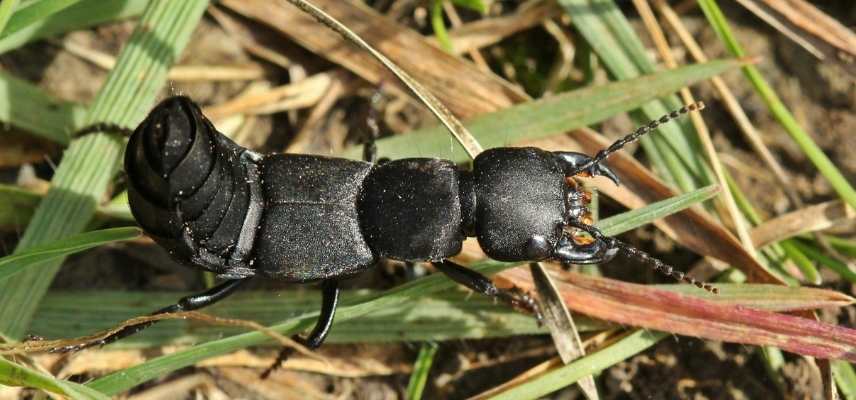 The raised and highly mobile abdomen is characteristic of the Rove Beetle
Why is this insect useful to the gardener?
Rove beetles in general, and particularly the Odorous Rove Beetle (Ocypus olens), are beneficial insects. The Odorous Rove Beetle helps regulate a good number of crop pests, especially in the vegetable garden. It feeds on slugs and snails, worms, insect larvae, butterfly caterpillars, insect eggs… In short, the Rove Beetle is truly a gardener’s friend.
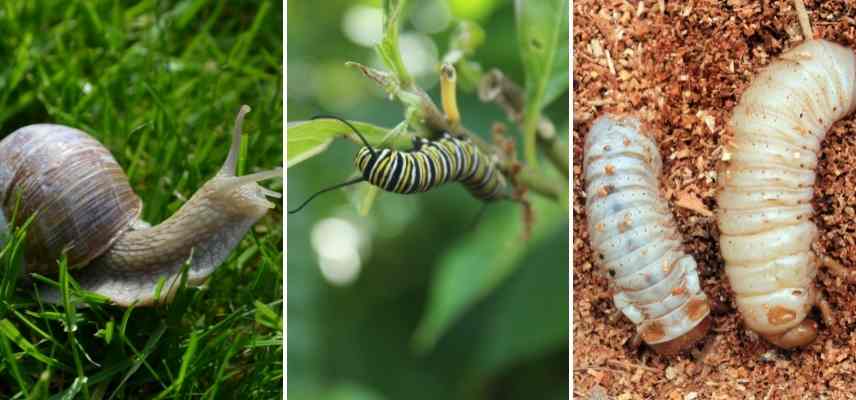
A diet composed of snails, caterpillars, and larvae
How to attract her to the garden?
First and foremost, garden in harmony with nature: do not use any biocides (even those supposedly organic), leave some areas of the garden a bit wild, maintain a compost heap, forget some piles of fallen leaves in autumn, and create a small stack of wood with logs… All of this will allow rove beetles to feed and breed in your garden.
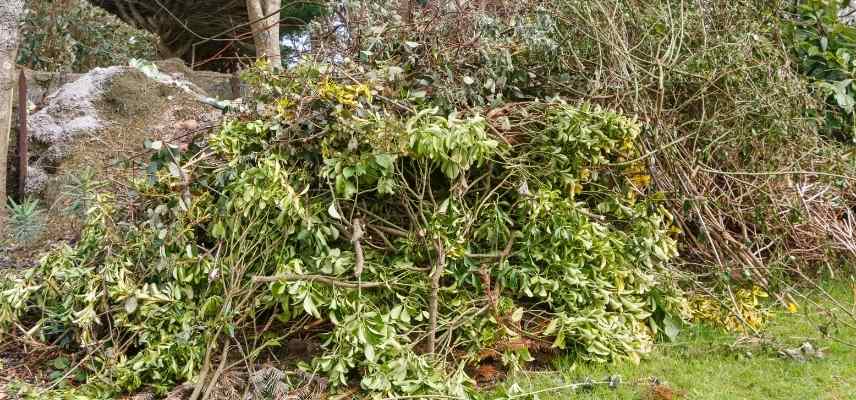 Leave a wild corner of the garden to welcome the rove beetle
- Subscribe!
- Contents
Comments