





























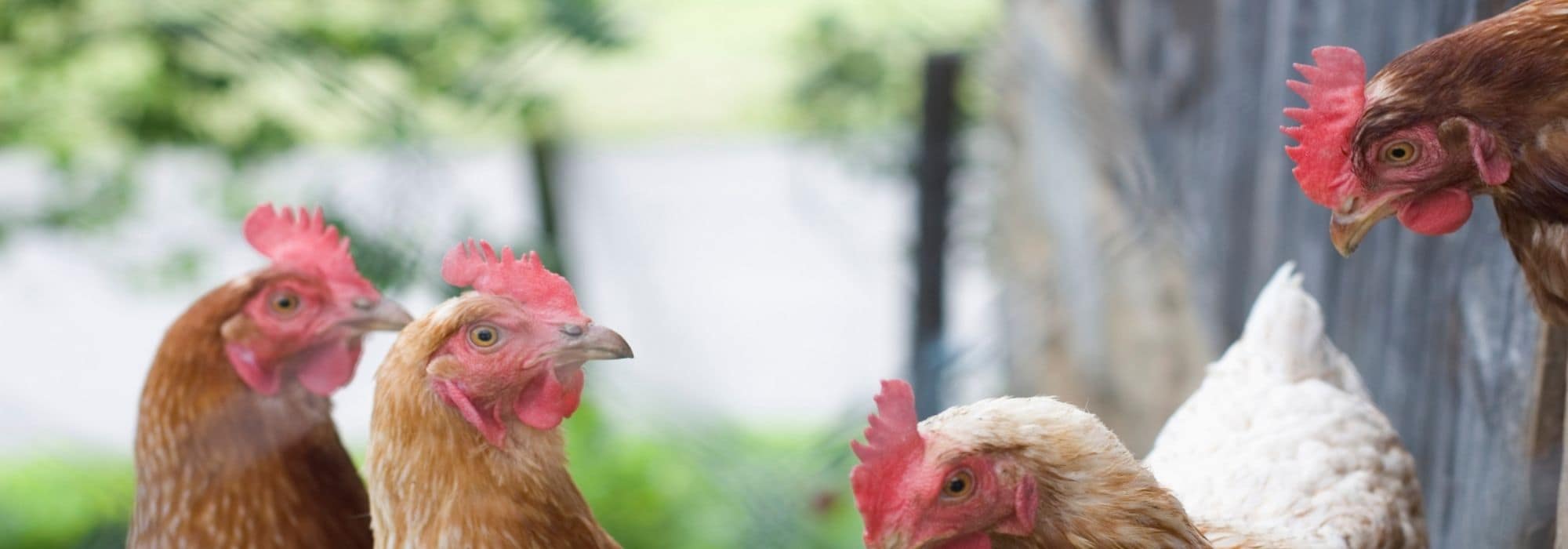
Signs that a hen is healthy
Observing your hens is essential to determine if they are healthy.
Contents
Chickens are reputed to be particularly resilient and sturdy animals, especially if they have a cosy and well-maintained coop, along with a suitable and varied diet. Moreover, being as cunning as they are, they tend to hide any signs of illness. This is simply an instinctive behaviour to protect themselves from potential predators that might come by. This is why a regular and careful examination of your chickens is important. Each day, you open and close your coop to let your chickens out or put them away. This is an opportunity to observe your hens, including their behaviour, metabolism, and appearance. A healthy chicken displays unmistakable signs… Complete health check-up for your chickens in several important elements.

A sustained daily activity
A healthy hen goes about her usual daily activities. This means she spends her days foraging for insects to peck at, scratching the soil, and taking dust baths to rid herself of parasites.
Moreover, a well hen expresses herself by clucking and shows sociability with her peers (sociability varies depending on her character!) and with you. In the morning, upon waking, she rushes outside, and in the evening, she returns to the henhouse without difficulty. She will also perch to groom herself and take care of her plumage.
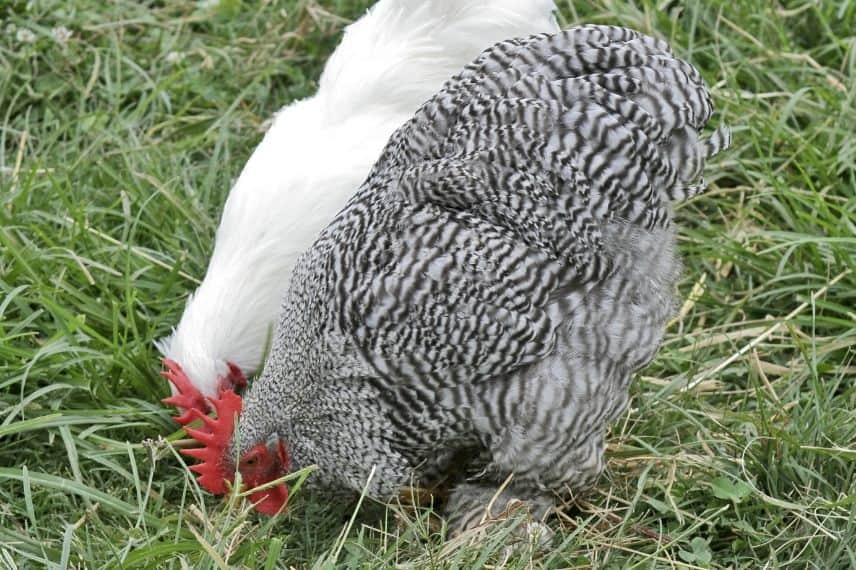
A healthy hen forages, scratches the ground, and takes dust baths
If you know your hens well, you understand that they have different temperaments and characters. Some are “hyperactive,” while others are calmer… A changing behaviour should be monitored.
Conversely, a hen that isolates herself, remains huddled, and lethargic should raise alarm bells.
A well-honed appetite
A healthy hen has a good appetite! Throughout the day, a hen feeds. First, on a complete feed made from various grains such as wheat, corn, barley, and oats, which you provide daily. The daily ration amounts to about 100 to 150 g.
It will also eagerly consume table scraps you offer, not to mention what it pecks at in nature, including small insects or molluscs, herbs, and berries, as well as seeds of all kinds. In winter, you can also supplement its diet with mash or warm soups. In short, a hen that feels well eats regularly and with appetite.
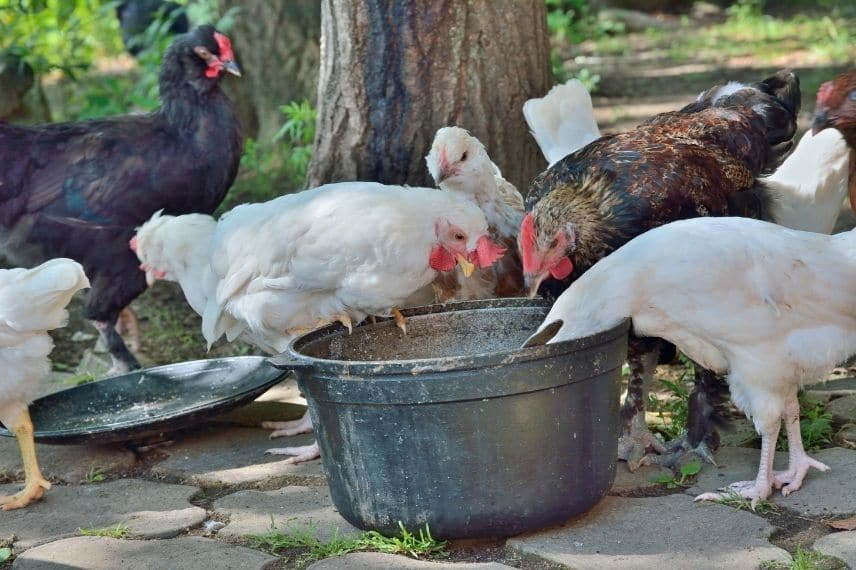 A hen that feeds normally is a hen in great shape
A suffering hen tends to turn its nose up at food and eat less. However, in some illnesses, hens do not lose their appetite, at least at the first signs.
Besides food intake, hydration is important. A hen drinks a lot, around 250 to 400 ml per day, and up to 500 ml in hot weather.
If it stops eating and drinking, it’s a bad sign.
A neat and tidy appearance
It’s often through their physique and appearance that you will discern the good condition of your laying hens. In this regard, everything counts, including the plumage, the eye, the legs, the comb, and the wattles…
- Your hens’ feathers should be fluffy, smooth, and clean. A healthy hen will regularly clean her plumage with her beak to eliminate parasites. Except during the moulting period, hens should not have bare or pecked areas or dull, scruffy plumage.
- The eyes are bright, shiny, curious, wide open, and free from crusts or runny secretions. A cloudy, glassy eye is a warning sign of illness or blindness.
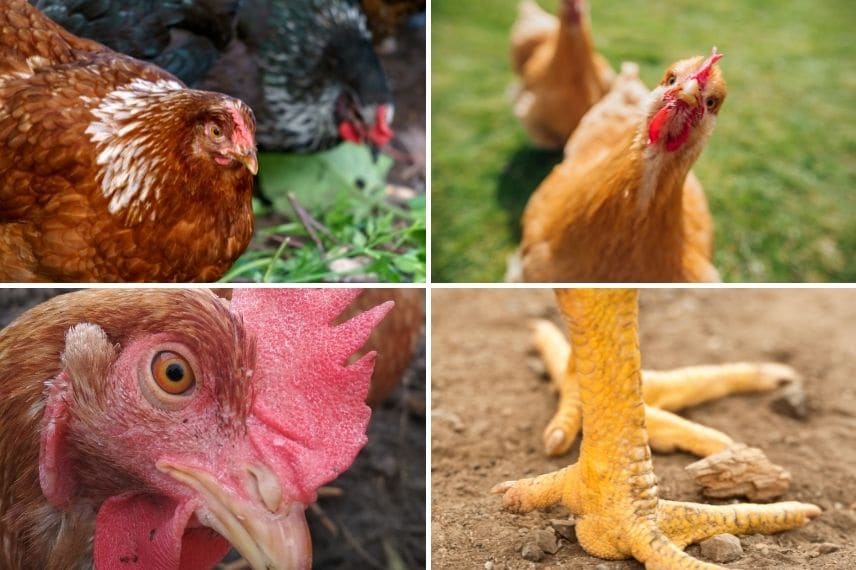 Fluffy plumage, bright eye, red wattles and comb, smooth and clean legs… your hen is doing well
- The comb and wattles display a bright red colour. The comb is robust and upright. The wattles should not show any spots or paleness.
- The legs are clean (except when the weather is rainy!) with smooth scales, free from swellings or wounds, and the claws are sharp.
- The vent is clean
Normal droppings
Indeed, the droppings of a hen are a true indicator of a hen’s health. Generally, the morning droppings upon waking are relatively liquid, rather light brown. These are actually caecal droppings, originating from the caeca, small organs located in the rectum, which are rich in significant bacterial flora. Approximately every 10 droppings, the caecal droppings are expelled.
Then, during the day, as the hen feeds, the droppings become more formed and voluminous, pasty and dense, without any watery deposit, grey-green in colour with white traces. These whitish traces, perfectly normal, correspond to urine and are concentrated with uric acid salts.
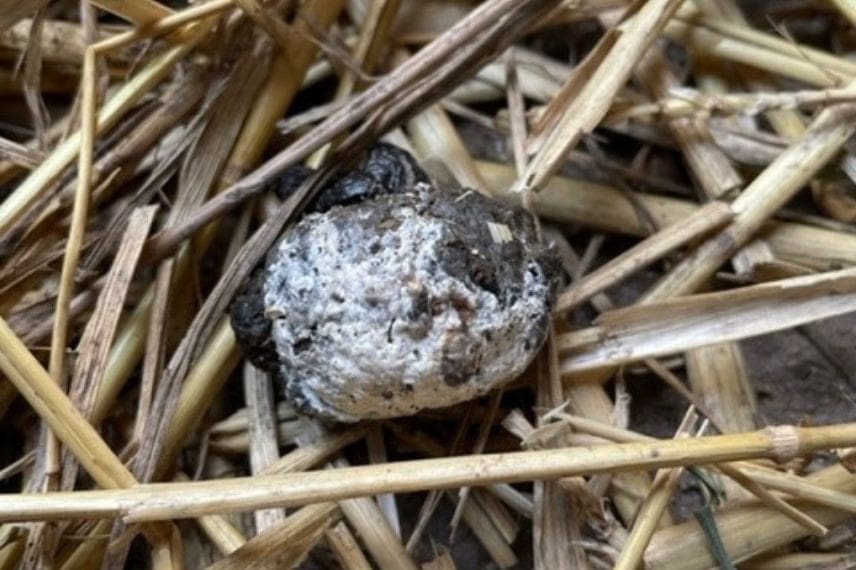
A hen’s droppings are normally speckled with white, which is nothing other than urine.
As soon as the droppings change colour or become liquid, it is advisable to be concerned as they indicate the presence of parasites or bacteria, an infection, or an unbalanced diet.
If you want to make use of these droppings, I explain in a previous article how to use them as fertiliser in the vegetable garden.
A regular laying
In the prime of life (between approximately 6 months and 3 years), a well-fed hen in a suitable environment will lay between 150 and 300 eggs per year, depending on the breed. After this period, egg production decreases and typically stops around the age of 8 years. However, winter and moulting can naturally reduce laying, which will resume normally once this phase is over.
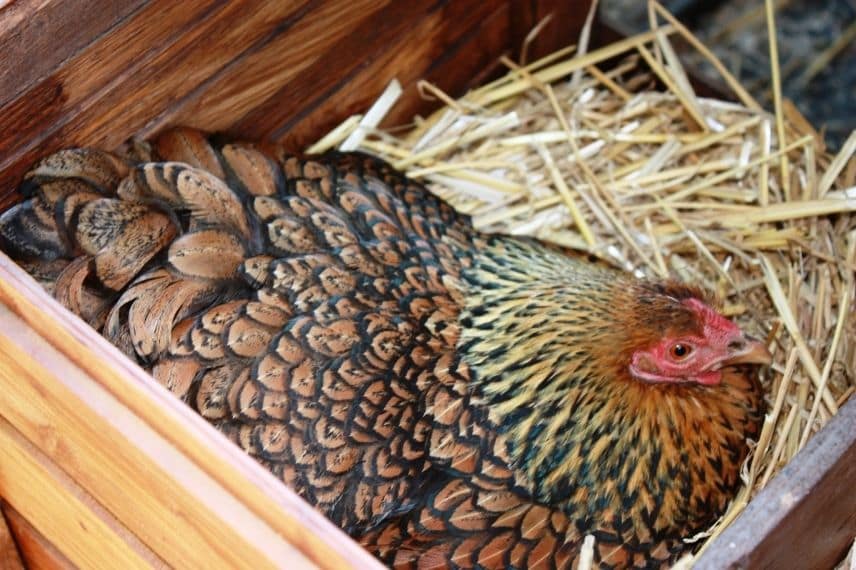 A hen that lays regularly (outside of moulting and winter) has no health issues.
Conversely, a sudden stop in laying can be a sign of diseases, parasitic infestations, or bacterial proliferation. Often, this cessation is accompanied by other negative signs such as lethargy, isolation, or difficulty moving.
A melodious song
It’s no secret that a rooster crows. But a hen does too, especially after laying her egg. Apparently, this call invites the rooster to come and fertilise the hen. In fact, the next egg (which she already carries within her) can only be fertilised 15 to 20 minutes after laying the previous one.
In short, this call must be melodious, harmonious, and above all, free from hoarseness or breathing difficulties (which can also be detected at other times of the day).
- Subscribe!
- Contents
Comments