





























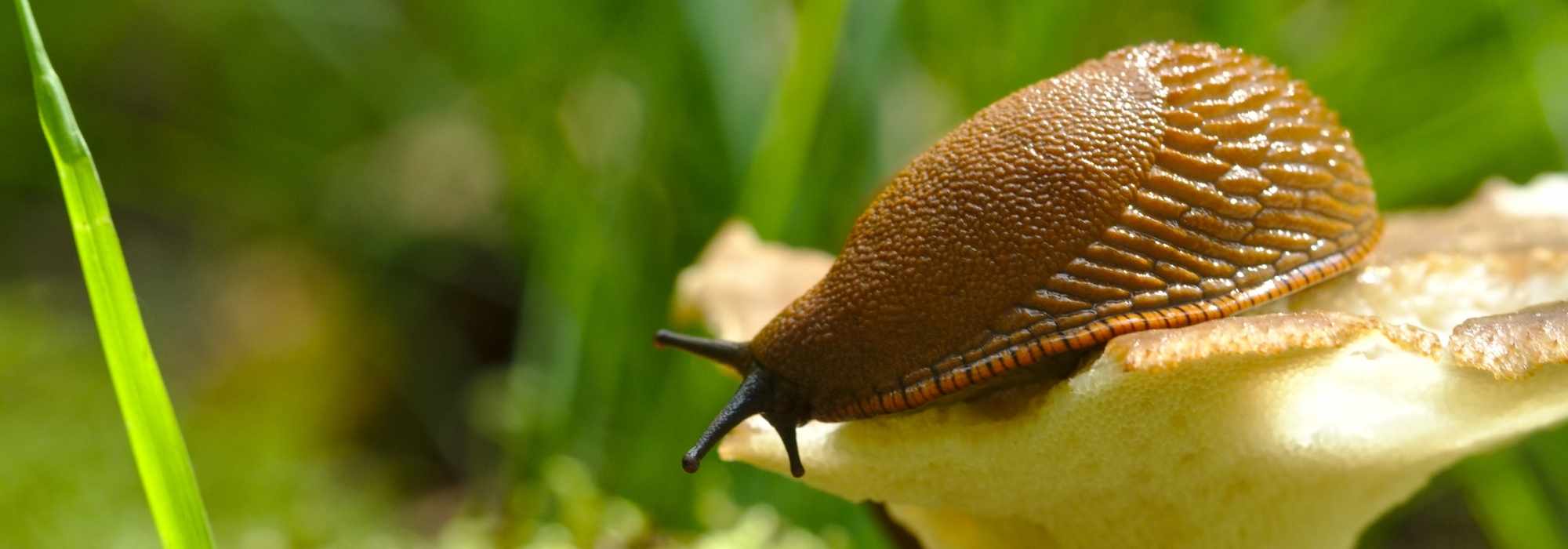
Slug-resistant plants
Why are they shunned by slugs?
Contents
Slugs, and to a lesser extent snails, can be quite a nuisance in ornamental gardens and vegetable patches. They nibble, shred, gorge, or devour without shame our most delicate plants: young plants, seedlings, and the new shoots of perennials… What can we do? Go slug hunting all night with a headlamp? Use all the tricks and tips, often rather ineffective, to repel the slimy creatures? What if we chose to plant species that resist slugs, or even repel them?
However, let’s not forget that slugs and snails are an essential link in maintaining the balance of nature in the garden. They provide food for many animals (birds, predatory insects, amphibians, small mammals) and help recycle plant debris, as well as eliminate diseased plants. In short, let’s not be too dismissive of slugs, but let’s avoid serving them a hearty meal by only planting species that attract them.
Let’s explore in this advice sheet which plants resist slug attacks and why.

Plants that prick or... that are too soft
Slugs have a delicate “foot.” They hate to crawl over anything prickly or scratchy… in short, anything that feels unpleasant to the touch.
Thus, plants with thorns, needles, fuzzy or rough hairs are protected from slugs and snails.
This is the case for certain boraginaceae such as borage (excellent at the edge of a vegetable garden!), comfreys, or common viper’s bugloss. But also nettles, globe thistles, thistles and cirses in general, eryngiums, brambles…
Please note: for example, never transplant your cucurbits (cucumbers, courgettes, squashes, pumpkins…) before they have “hairs on their legs.” This means you should wait until hairs develop on the stems so that your vegetable plants are no longer potential victims of slugs.
Rough leaves or fronds are also not favoured by slugs. This is true for almost all ferns, yarrow, astilbes, and sweet woodruff (which is also packed with essential oils)…
Paradoxically, soft leaves also repel slugs. This is the case for Stachys byzantina, mullein, and Ballota pseudodictamnus…
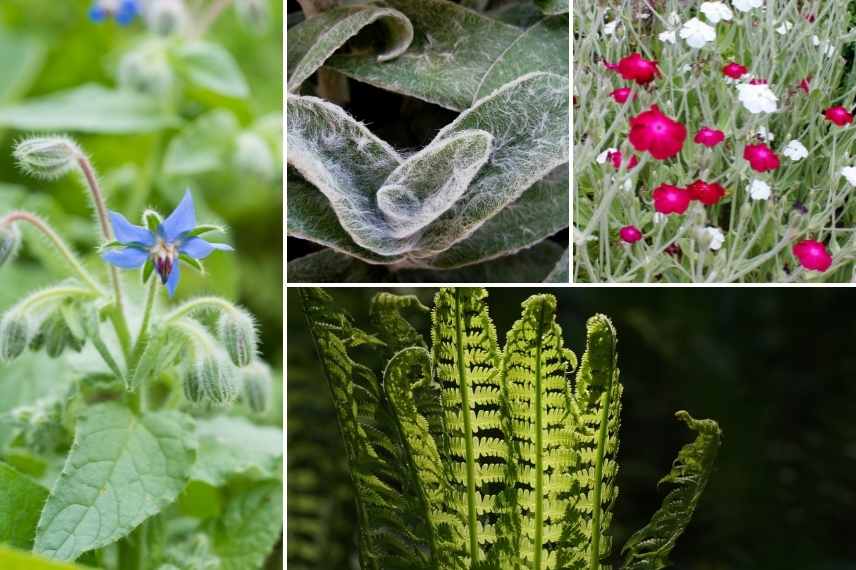
Borage, lamb’s ear, cornflower, and fern
Plants with overly thick leaves
Slugs love tender young shoots. This is why they preferentially target young sowings, recently transplanted young plants, or newly planted perennials that are starting their growth in spring.
Therefore, perennial plants with thick, tough, or waxy foliage will not be nibbled by these slimy creatures. We think of bergenias, lady’s mantle, ivy, periwinkle, daylilies, perennial peas, conifers, epimediums…
Please note: hostas are generally favoured by slugs and snails, but not all hostas attract them. Some varieties, with tougher and blue foliage, are hardly ever attacked. This is the case, for example, with Giant Hosta ‘Empress Wu’.
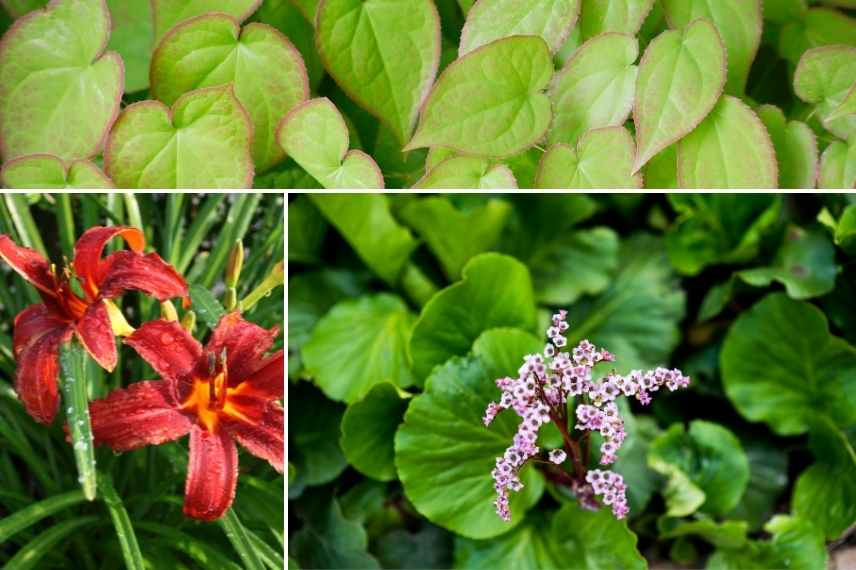 Anti-slug foliage! Epimedium, Daylily, and Bergenia</caption]
Discover other Perennials
View all →
Available in 1 sizes
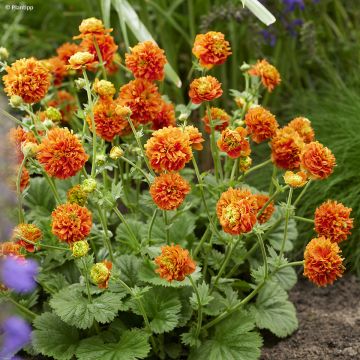
Available in 1 sizes
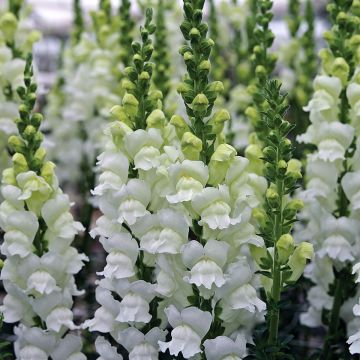
Available in 1 sizes
Available in 1 sizes
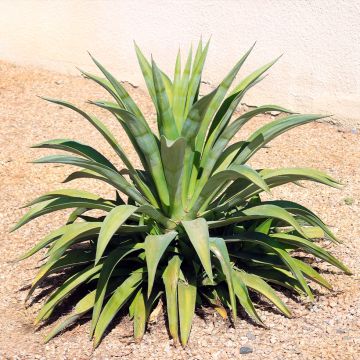
Available in 1 sizes
Available in 1 sizes
Available in 2 sizes
Available in 1 sizes
Available in 1 sizes
Available in 1 sizes
Plants that have a strong scent or... that are unappealing to slugs
Slugs and snails have a delicate sense of smell and palate. Indeed, plants rich in essential oils, such as our aromatic plants or certain perennial plants, have the ability to repel slugs.
Among these, we can note mints, common sage, rosemary, thyme, chives, oregano, fennel, garlic, onion, chervil, parsley…, but also hardy geraniums, ornamental sages, nepeta, lavender, creeping bugle, pelargoniums, tomatoes, tansy, wormwood, common rue, blackcurrant leaves, nasturtiums, agastaches…
Beware! Some aromatic plants are still attacked by slugs, particularly basil.
Other plants have such a bitter taste that slugs pass by in disgust. This is the case in the vegetable garden with lamb’s lettuce, rocket, dandelion, or endive.
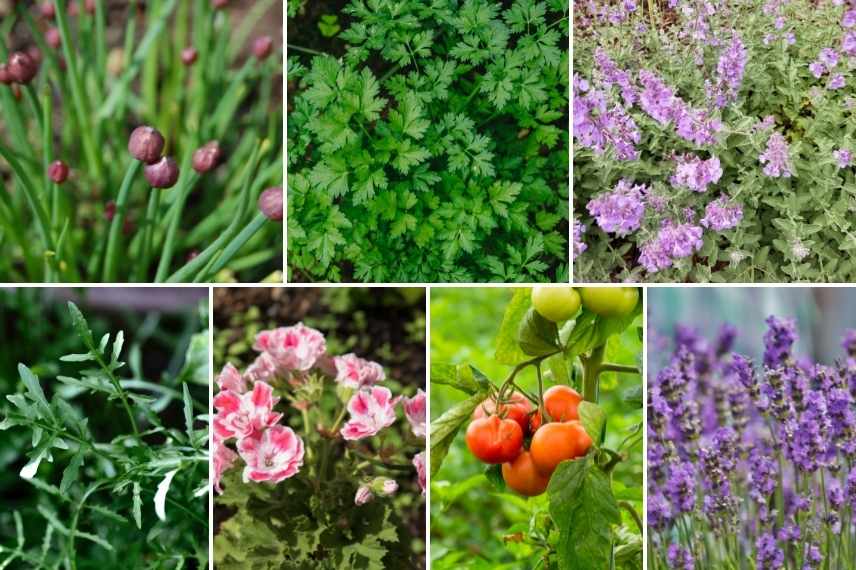 Among the scents and tastes that slugs dislike: chives, parsley, nepeta, rocket, pelargonium, tomatoes, and lavender.</caption]
Read also
Gardener's ally: the leopard slugWhat about toxic plants?
Surprisingly, plants (and even mushrooms!) that are toxic to us and some garden wildlife do not bother slugs at all. So, if you thought you could save your plants by spreading poisonous plants: it won’t work!
That said, be aware that foxgloves and aconites, two highly toxic plants from our flora, are not troubled by slugs, but for other reasons.
Key takeaways
As you may have understood, it is difficult to be exhaustive when listing plants that are potentially overlooked by slugs and snails. What you need to remember is that slugs tend to avoid:
- plants with a very strong smell
- plants with a bitter taste
- plants with too tough foliage
- plants that have spiky or, conversely, fuzzy hairs
However, let’s not forget that if slugs have absolutely nothing to eat in your garden, they may also resort to these plants. It is worth noting that slugs rarely attack woody plants (trees and bushes), unless they are very young.
Moreover, slugs play a role as detritivores and recyclers of organic matter. They also serve as food for a large part of the garden fauna: mammals, certain birds like thrushes, some predatory insects like ground beetles, and amphibians. Therefore, slugs and snails have their place in the garden. It is only necessary that these little creatures do not appear in excessive numbers and cause too much damage to cultivated plants. If that is the case, it indicates a problem with the natural balance in your garden.
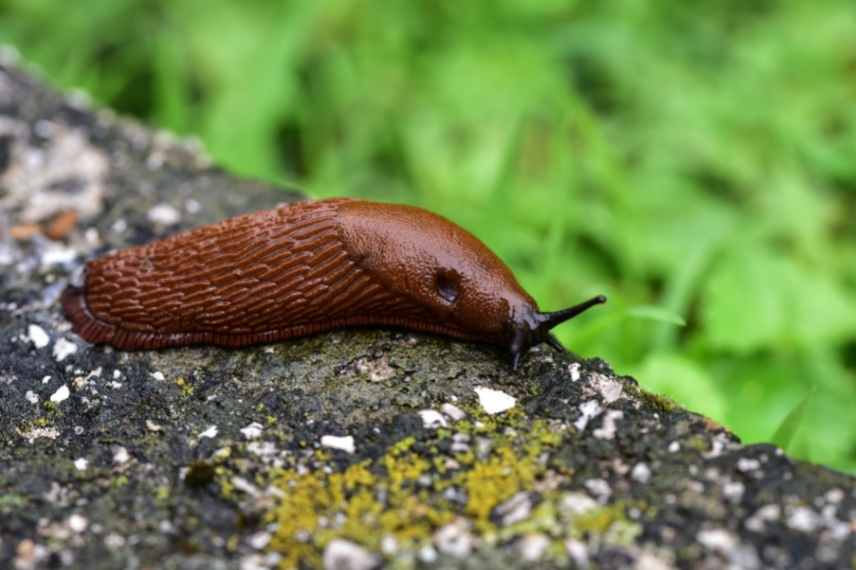 The slug is part of the life cycle in the garden
- Subscribe!
- Contents
Comments