





























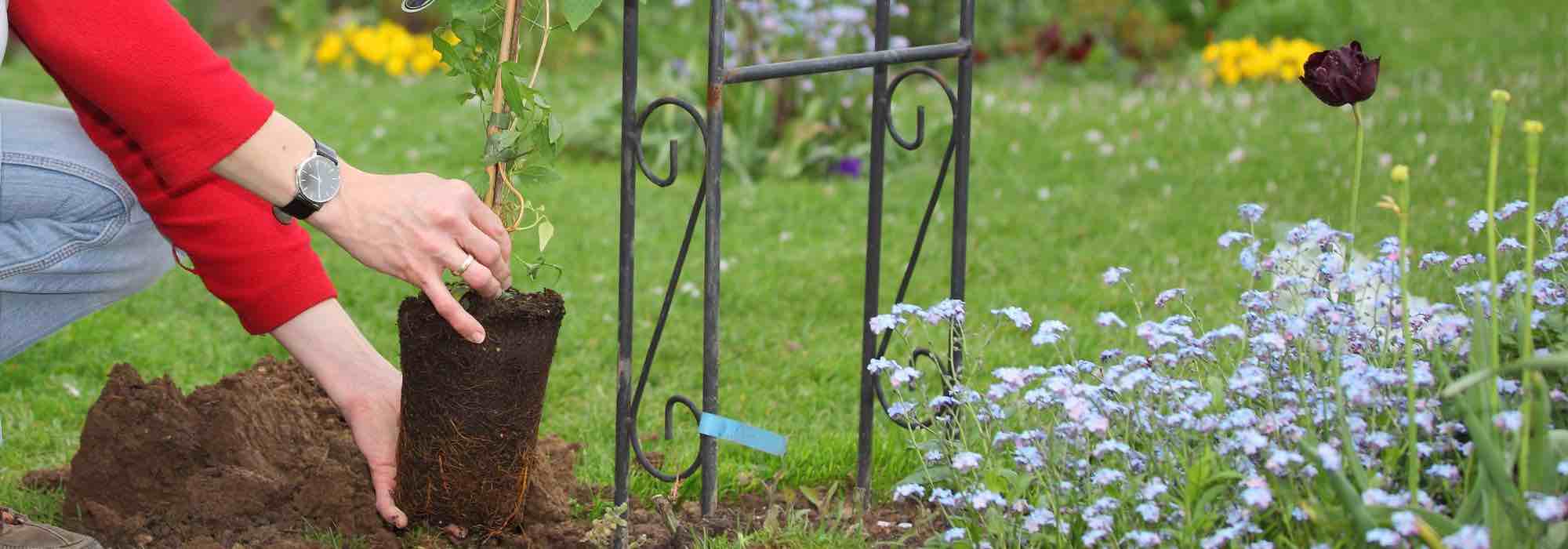
The best season to plant climbing plants
When should you plant climbing plants?
Contents
Climbing plants, with their beautiful flowering and their ability to beautify pergolas, arches and arbors, are a major asset in a garden or on a balcony. They dress walls, railings and a variety of supports with their foliage and flowers. To fully enjoy their beauty, it is important to plant them at the right time. Whether for the clematis, the wisteria or the climbing rose, among other prized climbers, the planting season can influence their growth. Climbing plants require different growing conditions depending on whether they are planted in open ground or in pots, planted in a climate with mild or harsh winters, whether they are deciduous or evergreen, hardy or frost-tender, acquired as container-grown or bare-root plants. Discover the ideal time to plant climbing plants depending on where you plant them, the climate, soil type, plant type and cultivation method.

When should you plant in the ground?
The best times to plant a climbing plant in the ground are autumn and spring, when the soil is at its warmest. Autumn is considered the best season for this type of planting, as temperatures stay mild, the soil remains warm and rainfall is often present, allowing you to water the plants. These conditions enable the root system to establish itself well in the soil, and this, before the arrival of winter, which is a period of dormancy for the plant, and spring, a period of growth for the plant. It is also possible to plant in spring, notably annual climbing plants that you will have sown under cover beforehand.
Nevertheless, if you buy a climbing plant in a container, you can plant it year-round, outside frost and drought periods that could prove fatal.
If you buy bare-root plants, such as climbing roses, you should plant them promptly to prevent the roots from drying out, and the best planting period runs from November to February.
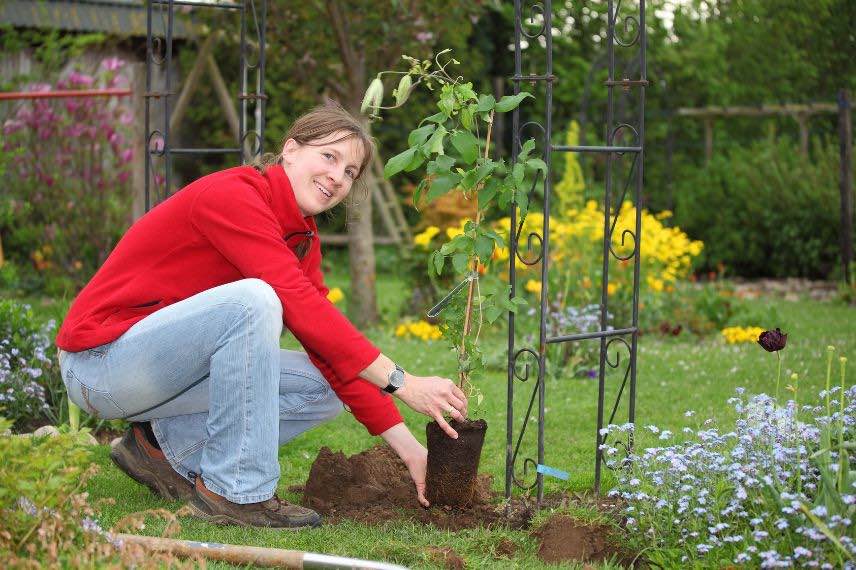
The best planting periods for climbing plants are autumn and spring, here a clematis
When should you pot up?
Planting climbing plants in pots offers a certain flexibility. Balcony planting is most often carried out with container-grown plants, which allows you to plant them all year round, outside frost and drought periods. The ideal planting seasons, however, remain the same as for open ground: spring and autumn.
Influence of weather and climate
Weather plays a crucial role in choosing the planting season. Mild temperatures and regular rainfall are ideal. In case of drought, heatwaves or frost, it is best to delay planting until conditions are more favourable.
Another important factor to consider when planting climbing plants is the climate in your region. Indeed, in regions with a harsh winter, spring will be the preferred planting season, because it presents less risk of frost. Conversely, in regions with a mild winter, autumn is the preferred planting season.
Read also
Pruning climbing plantsType of soil
Soil type also needs to be considered. If the soil is light and well-drained, the ideal planting period for climbing plants is autumn or spring. If the soil is heavy, damp and clayey, it can pose problems in winter, as it retains moisture, which risks damaging the roots of the plants. The best planting period will in this case be spring.
Type of plants
Plants can be deciduous (which shed their leaves in winter) or evergreen (which stay green all year round). The preferred planting period for deciduous plants is autumn, while the season to plant evergreen plants is spring.
Plants can also be hardy (resist frost) or frost-prone. The favourable planting period for hardy plants is autumn, while the preferred planting season for frost-prone plants is in spring after the frosts.

Solanum, with semi-evergreen foliage, is not very hardy; it is best planted in spring
Growing method
Whether you buy a climbing plant in a container or as bare roots, the planting period will differ. You can plant container-grown plants all year round, except during frosts or drought. And you can only plant bare-root plants in autumn and late winter (from November to February).
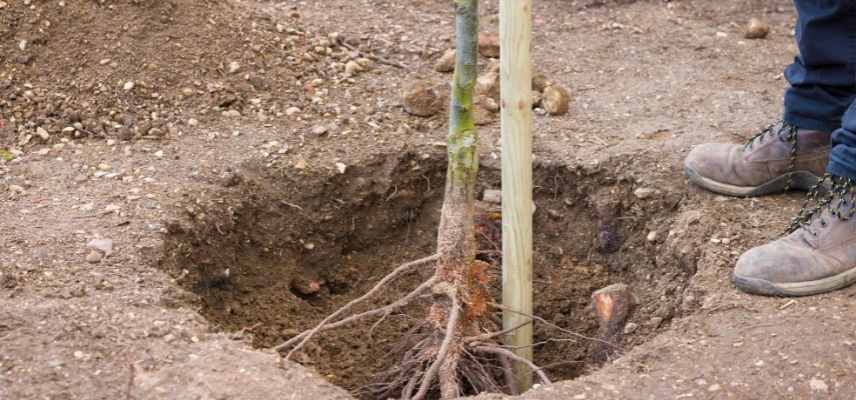
If you plant bare roots, act quickly after purchase
Pros and cons of each season
Each season has its advantages and disadvantages for planting climbing plants.
- Autumn is the ideal period, but can be risky due to early frosts in some regions. It is therefore suitable for planting hardy climbing plants; those that are frost-tender should be planted in spring.
- Spring is also a prime time for planting. It requires particular attention to watering and fertilisation, as the plants are in active growth.
- Summer brings other risks such as drought and heatwaves.
- Late autumn and winter bring the problems of cold and frost. These periods are best reserved for climbing plants available as bare roots, such as the roses.
For further reading, discover our advice sheet on the best planting times depending on plants and various factors.
- Subscribe!
- Contents

Comments