





























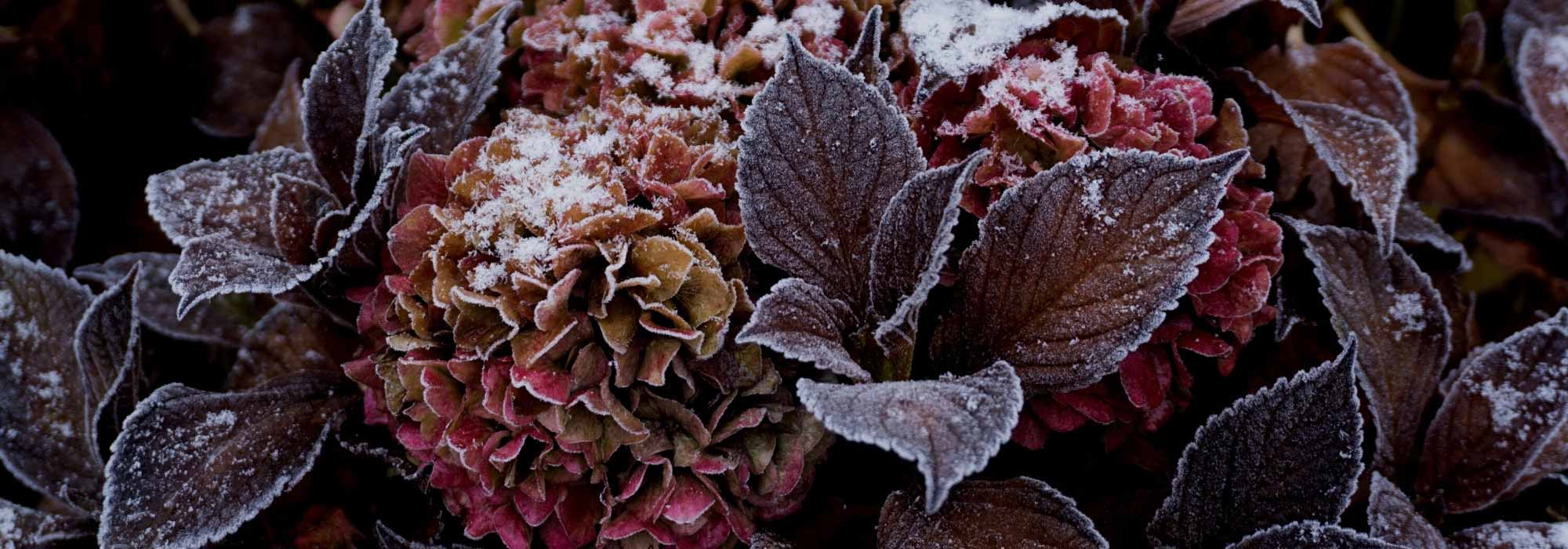
The right actions to protect your hydrangeas in winter
How to protect your hydrangeas from the cold, in pots or in the ground?
Contents
Hydrangeas are beautiful bushes valued for their long and generous flowering, often in shades of pink, blue, or white, from June to September-October. They are easy to grow, fairly resilient, and generally quite hardy. However, some more tender hydrangeas can be sensitive to harsh winter conditions and require specific protection. It’s best to prepare for winter to ensure their survival and allow for vigorous regrowth in spring. Discover our tips for protecting them from the cold in winter, whether in pots or in the ground.
→ For more advice, check out our complete guide Hydrangeas, planting, pruning, and care

Why should you protect hydrangeas before winter?
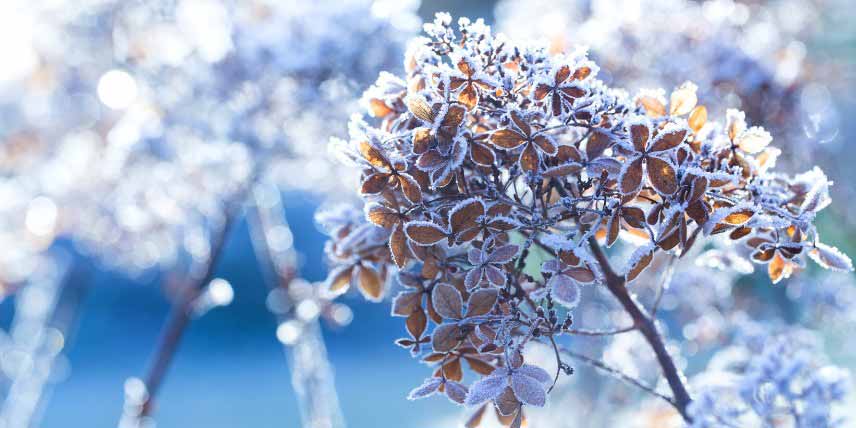
Hydrangeas that are well protected will withstand low temperatures better and maintain the vitality needed to produce vibrant flowers once spring returns. Generally speaking, it is best to place hydrangeas out of the cold, drying winds. By planting them against a wall, for example, they will be less susceptible to late spring frosts. The hardiness of hydrangeas varies by species. Some, such as Hydrangea paniculata and serrata are particularly hardy, tolerating negative temperatures down to -20°C. Others, like Hydrangea macrophylla, which are more sensitive, are vulnerable to late frosts. The latter require increased protection for their flower buds, which can be damaged by frost. A few very simple actions help hydrangeas survive the winter in the garden, especially when they are young.
Read also
Potted hydrangea: planting and careShould you prune hydrangeas before winter arrives?
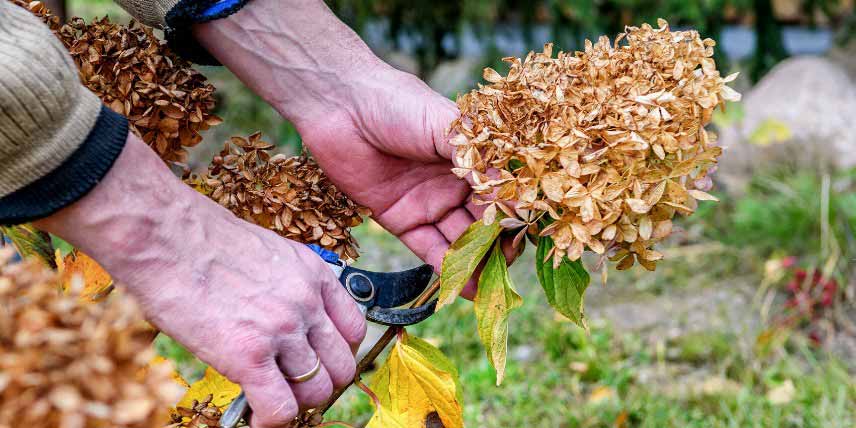
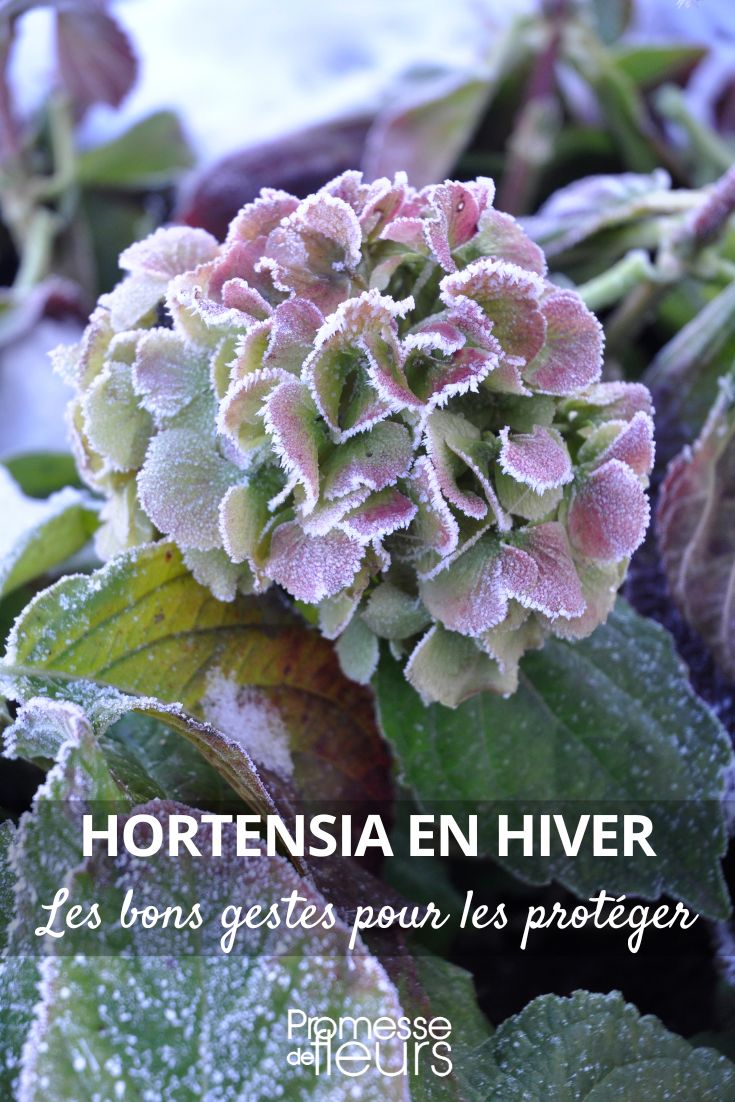
The decision to prune or not to prune hydrangeas in autumn depends on the climate of your region. In areas where winters are harsh, it is best not to prune, leaving the dried umbels during winter to protect the future buds. In gardens with milder climates, light pruning after flowering by removing faded flowers and dead or damaged branches can be done without worry, but it is advisable to avoid severe pruning at this time as it would weaken the plant before winter.
Protecting Hydrangeas in the Ground from the Cold
Hydrangeas grown in the ground are generally the most hardy of the genus. They are robust enough to survive the winter in the soil. However, it is better to protect them as soon as temperatures begin to regularly drop below 10°C, usually around November, in the coldest regions. In coastal gardens or those with a milder climate, these protections are not necessary. To safeguard them from the cold, several actions are essential:
- As a precaution, to insulate the roots from the cold, spread a thick layer of mulch (wood chips, straw, dead leaves…) on the stumps.
- Optionally, wrap the aerial parts of the most sensitive species with a winter fleece to avoid compromising the upcoming flowering. Ventilate regularly on sunny days when it is not freezing, for a few hours, taking care to replace it for the night.
Protecting Potted Hydrangeas from the Cold
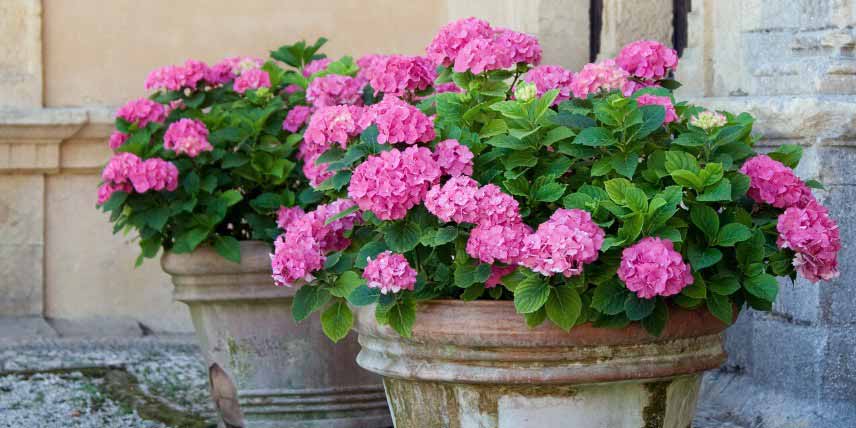
In mild regions where winter temperatures do not drop below approximately -10°C, you can leave your hardy hydrangeas to winter outside in pots, while still protecting them, as potted plants are more sensitive to the cold, being more exposed to frost than those in the ground. As soon as the first frosts are forecast, which is from mid-October in northern France, a little later in the south, place the pot at the foot of a well-exposed wall of the house, sheltered from cold winds and rain.
- In preparation, spread a thick layer of mulch on the stumps.
- In case of severe cold, wrap the pots with insulation such as bubble wrap or hessian to minimise the effects of frost on the roots.
- If necessary, wrap your hydrangeas with fleece, securing it well around the base of the plants.
- For the less hardy varieties, bring the pots indoors to a non-heated space, but frost-free.
How to care for a hydrangea in winter
In winter, the hydrangea must be watered; it is important that it remains sufficiently hydrated to prevent its roots from drying out. Water with non-limestone water: preferably use rainwater.
In the ground:
Watering should be reduced, as the plant’s water needs decrease during its winter dormancy. However, care must be taken to ensure that the soil does not become completely dry, especially if the winter is not very rainy.
In pots:
Potted hydrangeas require a bit more attention, with moderate watering to maintain the moisture of the substrate without waterlogging it.
Diseases and Specific Care
During winter, it is important to monitor for the appearance of fungal diseases that thrive in humidity. Pests, such as aphids, are less active in winter, but regular inspection allows for control before they become a problem in spring. Indoors, red spider mites can settle on leaves and stems, weakening the bush. To eradicate them: we recommend showering the foliage, pruning and burning the most affected parts, and spraying with nettle manure or a horsetail decoction.
Post-Winter Maintenance
When temperatures warm up, gradually remove winter protections, while remaining vigilant for late frosts.
As winter comes to an end, on the first sunny days, feel free to remove all dry flowers and damaged or dead branches: with hydrangeas, spring regrowth is quite late.
We recommend waiting until early spring to add some slow-release fertiliser or well-decomposed compost to stimulate growth and prepare the bush for the upcoming flowering season.
- Subscribe!
- Contents
Comments