





























Vegetable garden: the most water-hungry vegetables
Vegetable plants that require a lot of water
Contents
At the end of spring, you are undoubtedly eager to sow or transplant a multitude of vegetables to create a rich vegetable garden filled with varied and abundant harvests. However, with climate change becoming increasingly pressing year after year, it may be wise to consider the vegetables to plant according to your climate, your ability to collect rainwater, your soil…
Some vegetables are indeed much more water-hungry than others. Growing them in your vegetable garden means you will need to water them regularly and generously. Here is a list of vegetables that require more watering than others. It’s up to you to decide if it’s worthwhile to plant them in the garden…

Cucumbers (and gherkins)
Cucumber is an annual plant from the Cucurbitaceae family, which either sprawls on the ground or climbs on a support thanks to the tendrils that develop on its branches. The female flowers, generally pale yellow, produce elongated fruits that are notably fleshy and particularly watery. Rich in water, the cucumber thus becomes an interesting vegetable plant in the garden as its fruits are refreshing, low in calories, and very rich in minerals and vitamins.
Moreover, the cucumber has broad leaves with large, slightly dentate laminae that develop on voluble stems. Pinching these stems is, in fact, obligatory to avoid not having any fruits. However, due to their large size, these leaves “sweat” a lot in case of high heat. Thus, with this phenomenon of evapotranspiration, cucumbers (and gherkins) lose a lot of water.
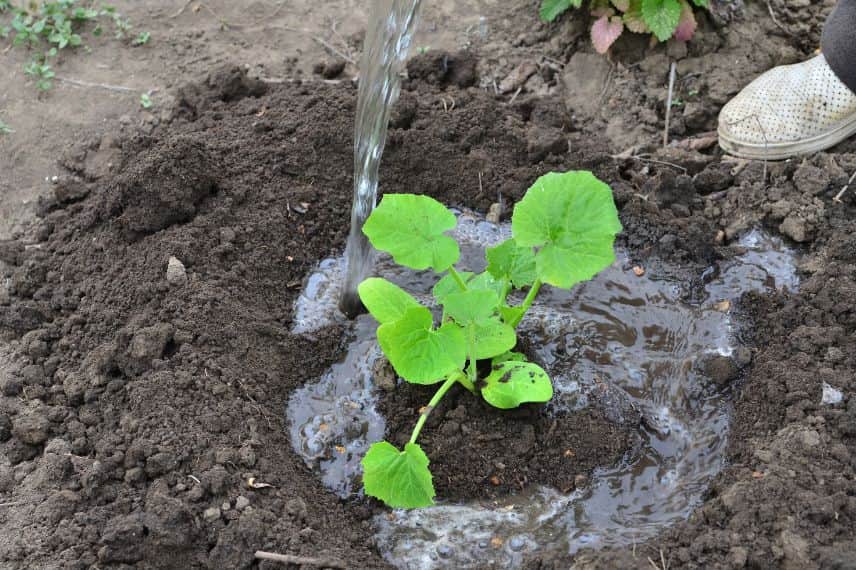
The production of watery fruits and the presence of large leaves mean that cucumbers are very water-hungry fruit-vegetables, especially during fruit production or in the event of a heatwave. When the fruits are forming, watering should therefore be regular and abundant, at a rate of once a day or every two days. The same applies if drought occurs. If watering is not abundant or regular enough, cucumbers quickly become bitter.
Additional tips:
- Water preferably in the morning
- Never wet the foliage when watering, as cucumbers are sensitive to powdery mildew. Watering should be done at the base of the cucumber with a watering can or through a drip system or porous hose
- Use tepid water to water cucumbers. Water that is too cold can create thermal shock
- Mulch to space out watering and maintain a certain level of humidity
Melons and watermelons
Here are two worthy (and delicious) representatives of the Cucurbitaceae family. They are climbing, creeping, or trailing plants that thrive in warmth. Although there are now hybrids like ‘Sugar Baby’ that can be grown (almost) anywhere, the watermelon is a sun-loving plant, primarily growing in the south of France, particularly in the PACA region or Occitanie. Elsewhere, it is still possible to grow it in a greenhouse.
As for the melon, it requires less water, but still needs a significant amount to achieve abundant fruiting. Both of these annual plants also need warmth and sunlight to thrive.
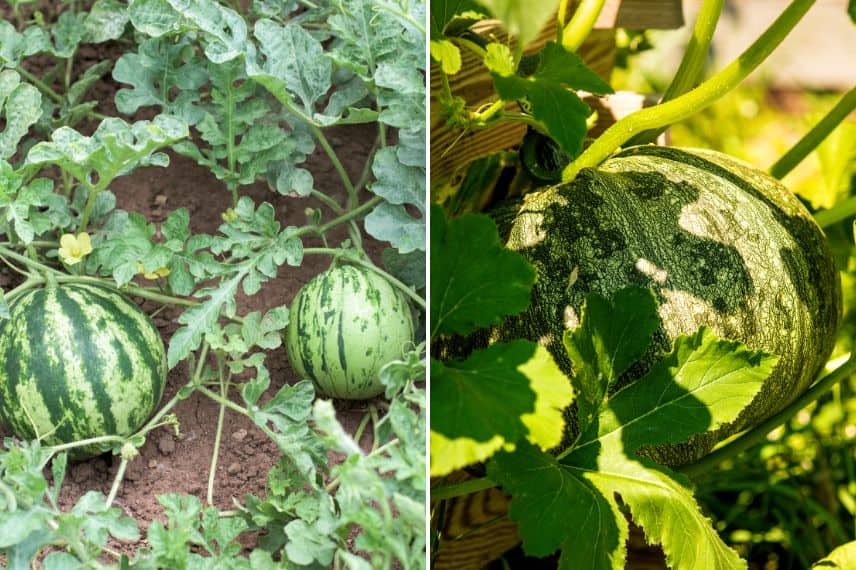
Overall, watermelon and melon require watering every 2 to 3 days and daily during dry spells, especially during the fruit formation period.
Additional tips:
- Never water the foliage to prevent the onset of fungal diseases like powdery mildew
- Generously mulch the soil once the plants are well established
- Water with room temperature water
- Stop watering about ten days before harvest to encourage the fruits to sweeten
Eggplants
Aubergine is a plant from the Solanaceae family with an upright habit that produces white or purple flowers and elongated fruits. The aubergine is a fruit-vegetable that is also very high in water, making it low in calories. It requires regular watering, but at the same time, it does not like overly wet and waterlogged soils. This is why it is recommended to water regularly, about 2 to 3 times a week, and daily during dry periods or if the aubergines are grown in pots.
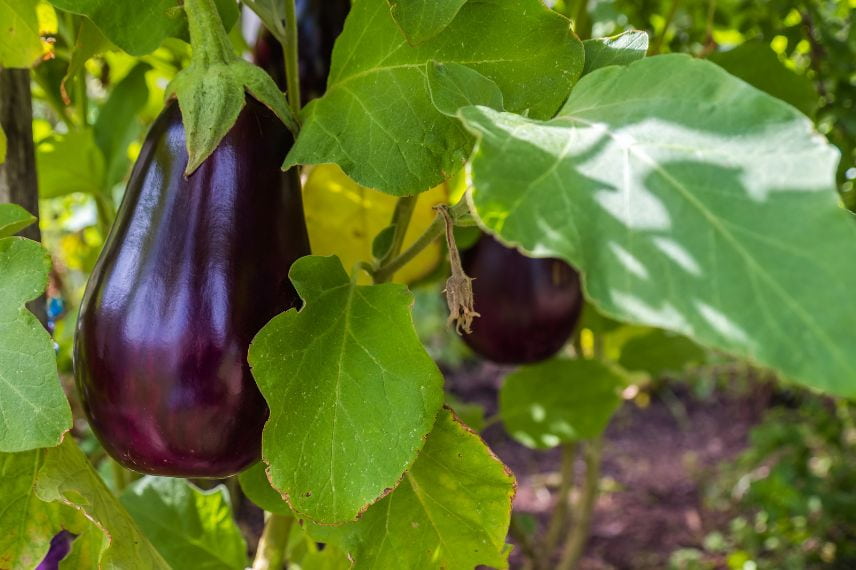
Applying an organic mulch made of grass clippings or partially decomposed compost helps keep the soil cool while nourishing the plant.
Similarly, any interruption in watering or irregular watering is an open door to the appearance of blossom end rot, known as black bottom, which primarily affects tomatoes, peppers, and aubergines, fruit-vegetables from the Solanaceae family. Specifically, irregular or insufficient water supply leads to a drop in calcium levels.
Additional tips:
- Always water at the base of the aubergine without wetting the foliage to prevent the onset of fungal diseases such as downy mildew, powdery mildew, and alternaria… Drip irrigation systems or porous hoses are beneficial for aubergines
- Create a basin at the base of the aubergines to prevent water runoff
- Water with water at room temperature
- Water in the morning or evening, but never in the middle of the day
Read also
Watering the vegetable garden: our tipsCourgette and squashes
Adapting the watering of courgettes and squashes to climatic conditions and soil type is crucial. Similarly, the watering will vary depending on the development stage of the plant. When courgettes are freshly transplanted, they need help to establish their roots by being watered frequently, but in small amounts. Then, when the plants are sturdier and settled, watering is reduced but more generous.
Thus, a courgette plant should be watered once or twice a week, with about 10 litres of water per plant. However, in cases of heatwaves and drought, watering will be increased and more frequent to prevent the soil from drying out. Indeed, soil that is too dry can cause a sudden halt in fruiting.
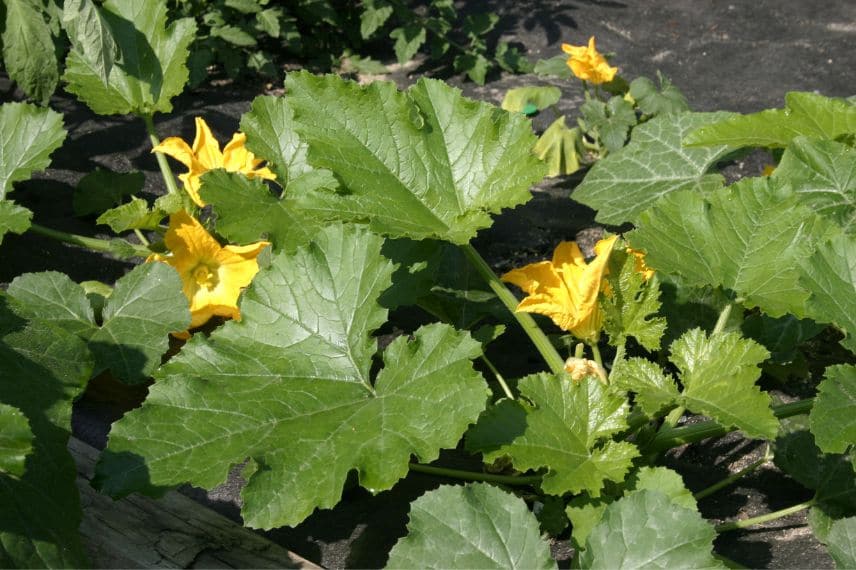
On the other hand, excessive watering during the production stage can lead to the appearance of fungal diseases such as powdery mildew.
Additional tips:
- Observing the large leaves in the morning is a way to know when your courgettes are lacking water. During the day, under the scorching sun, the leaves wilt. This is due to the phenomenon of evapotranspiration. However, if the leaves are still droopy in the morning, it is a sign that the plant needs watering.
- You should avoid wetting the foliage when watering. Therefore, watering from the spout of the watering can is preferable. Water should be applied gradually.
- A good mulch helps to reduce the need for watering.
Radishes
Radish is a root vegetable that is very sensitive to lack of water, especially in summer. In fact, if you want to grow radishes in the height of summer, it is preferable to place them in partial shade to keep the soil cool.
The radish, which produces round or elongated roots, develops very quickly, on average in 3 to 4 weeks. It therefore needs water to meet its requirements. Moreover, a radish that is not watered sufficiently will become pithy and hollow, making it almost inedible, or at least unpalatable.
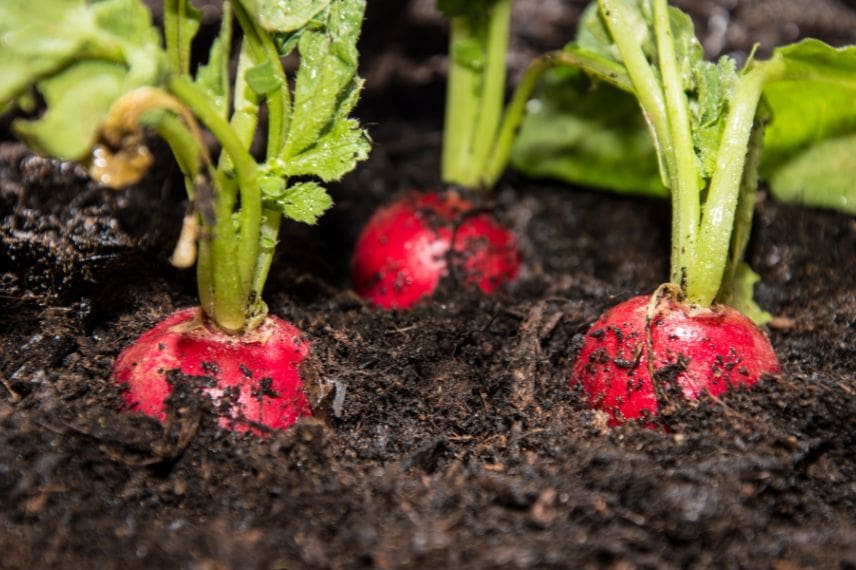
Finally, watering helps combat invasions of pests such as flea beetles that thrive in dry soil. These small flying insects pierce the foliage and hinder the plant’s growth.
Radishes should be watered 3 to 4 times a week in hot weather, and daily in case of drought. Generally speaking, the soil must remain consistently moist for radish growth to be regular and proper. In fact, a lack of water is evident from wilting foliage.
On the other hand, as radishes are not susceptible to fungal diseases, it is preferable to water using a watering can.
Cabbages
Whether they are Milan, cabus, Chinese, broccoli, or cauliflower, cabbages should be planted from early spring until early autumn. They must therefore endure the summer…
To ensure the proper development of cabbages, which benefit from deep and vigorous rooting, the soil must be kept moist. This is one of the essential conditions for the success of cabbages. Indeed, in overly dry soil, some cabbages may bolt, while others may produce malformed heads or curds. Similarly, having sufficiently large leaves promotes evapotranspiration and thus dehydration in times of drought.
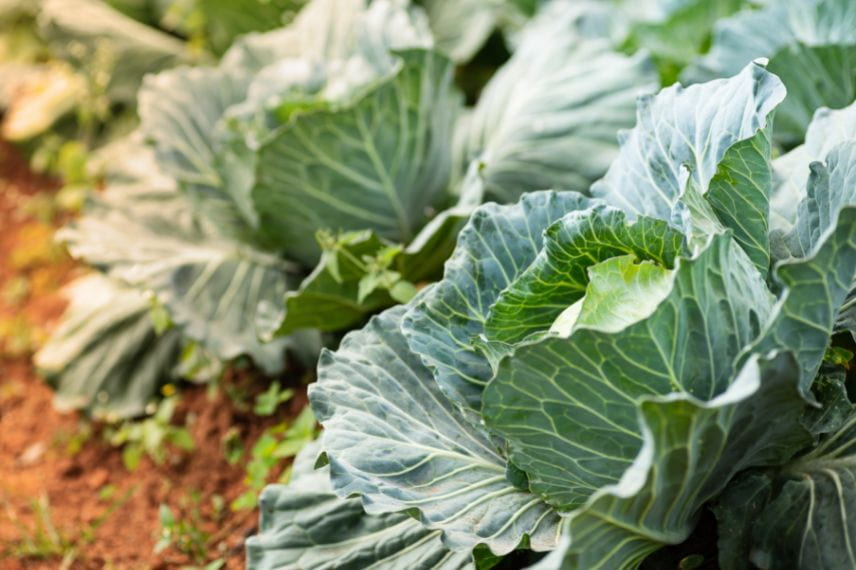
Finally, watering helps keep flea beetles at bay, which pierce the leaves and affect the development of the cabbage.
Overall, cabbages should be watered regularly without saturating the soil. This is the condition for developing substantial foliage and firm heads. Likewise, water must penetrate deeply to reach the deepest roots. Therefore, regular hoeing is also recommended to enhance the effectiveness of watering by allowing water to penetrate the soil.
Cabbages must never lack water.
Salads
Salads are known for not appreciating heat, and even less so drought. That’s why, during periods of intense heat, watering is essential. Without water, a salad bolts very quickly, or its leaves become bitter and tough, making it much less enjoyable to eat.
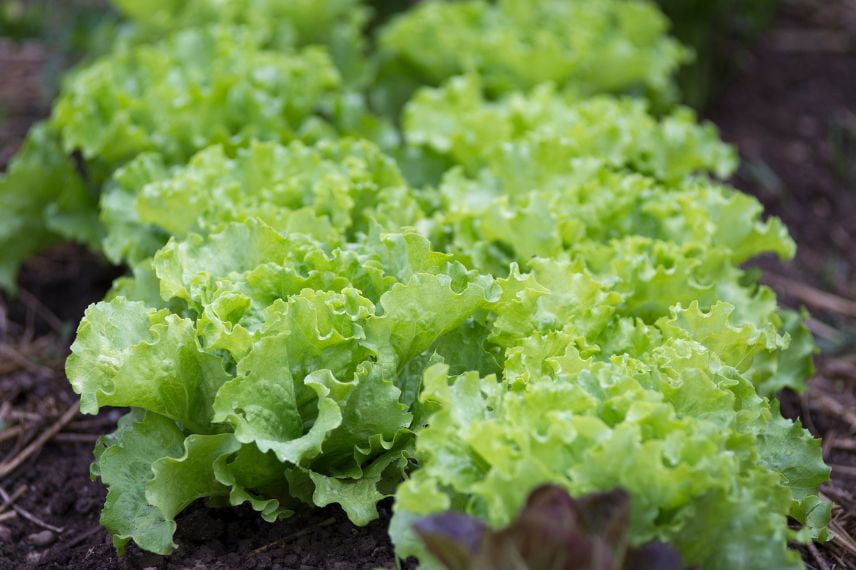
While most salads require loose, rich soil, they also need sufficient water. Watering should therefore be regular and relatively generous, especially since these are leafy vegetables, more sensitive to evapotranspiration.
For watering salads, drip irrigation and porous hoses are not the most suitable systems. It is better to use sprinkler irrigation, which allows salads to absorb moisture through their roots as well as their leaves. Watering with a watering can is ideal, as are sprinkler systems, provided they only target the salads.
Don’t worry, salads are not susceptible to fungal diseases.
- Subscribe!
- Contents

Comments