





























Chop and drop: what is it?
Understand and apply this technique to enrich the soil
Contents
Have you ever heard of chop and drop? This gardening technique, which could be called ‘cut and drop’, is gaining popularity for its environmentally friendly approach. This method involves cutting the plants, branches or leaves and leaving them on site, directly on the garden soil. The origins of this practice trace back to traditional agricultural methods, where plant residues were used to enrich and protect the soil.
In the current context of sustainable gardening, the chop and drop is particularly pertinent and fosters the creation of a self-sustaining ecosystem where organic waste decomposes naturally, thereby enriching the soil with essential nutrients. We explain everything about this practice, which forms part of a permaculture approach aimed at creating sustainable and self-maintaining gardens.

The principles of Chop and Drop
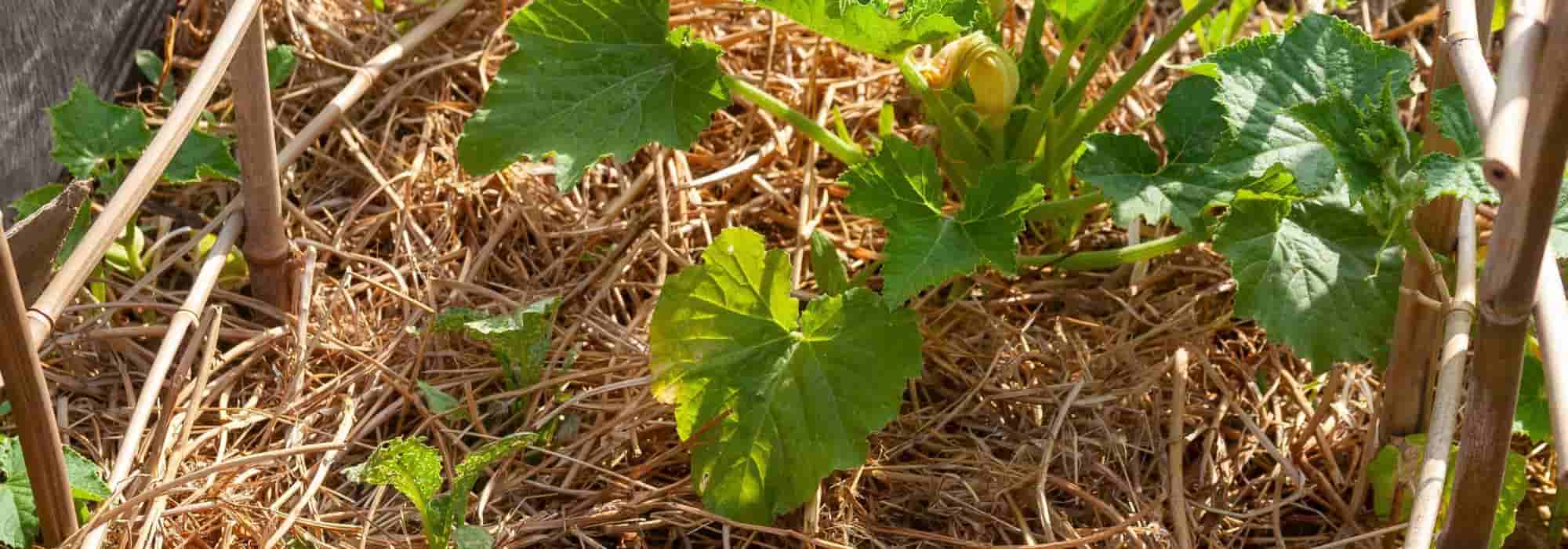
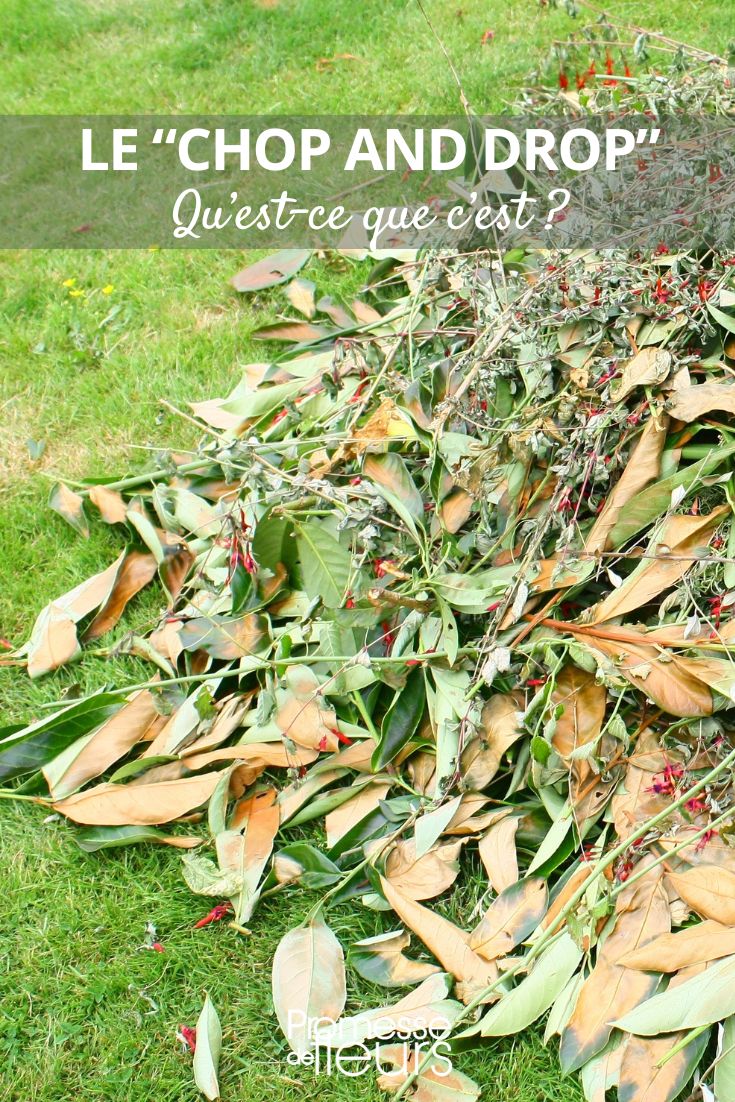
The chop and drop is a gardening method rooted in permaculture principles, an approach that aims to work with nature rather than against it. This technique involves cutting back plants, particularly those nearing the end of their cycle or in surplus, and leaving them on the garden soil as mulch.
This mirrors what is observed in forests, where dead leaves and branches form a protective layer and decompose to yield rich, fertile humus.
In the chop and drop, one uses both spent flowers, rhubarb leaves, hedge pruning, grasses or fruit trees, garden waste and green manures. They are then laid over cultivation beds or directly at the base of the plants. However, this method takes the concept even further by deliberately cultivating nutrient-rich plants, which are then cut down, such as comfrey or green manures.
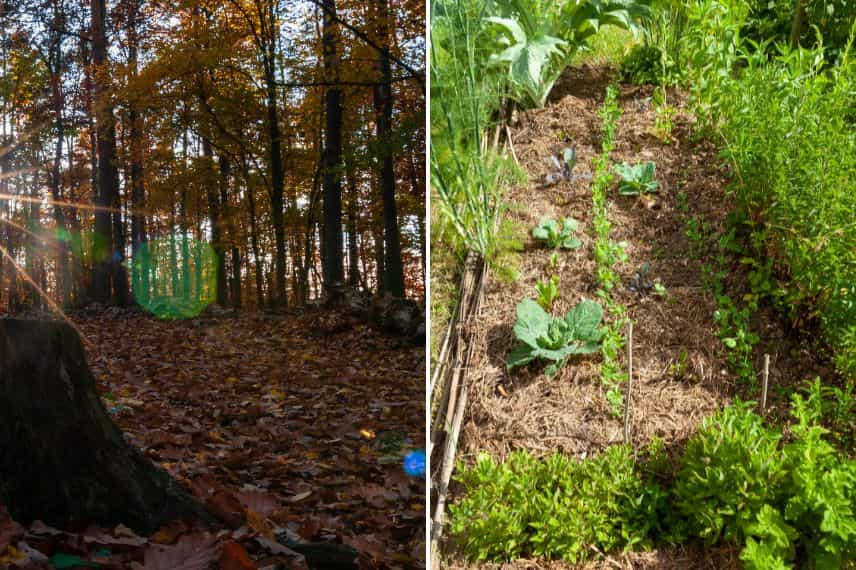
The chop and drop draws inspiration from the forest, where the soil is never bare.
The benefits of chop-and-drop
Thus cut plants act as a natural mulch, retaining moisture, limiting the spread of weeds and protecting plant roots from extreme temperatures (frost in winter and heatwaves in summer). Then, as they break down, they enrich the soil with nutrients, such as nitrogen, carbon and phosphorus.
Soil structure is thus improved, becoming more fertile and with a better water-holding capacity. Thus, dry, poor and draining soils become richer, hold water more effectively and require less watering, while clayey and heavy soils become airier, better-draining and more crumbly.
In addition to feeding the soil, the chop and drop promotes biodiversity. It attracts beneficial organisms (earthworms and microorganisms) that convert organic matter into nutrients available to plants. This practice creates a rich, self-sustaining ecosystem, essential for a sustainable and flourishing garden, reducing the need for fertilisers.
Moreover, the chop and drop helps reduce garden waste, instead of discarding or composting plant residues, they are used productively, contributing to a more eco-friendly and less wasteful approach to gardening.
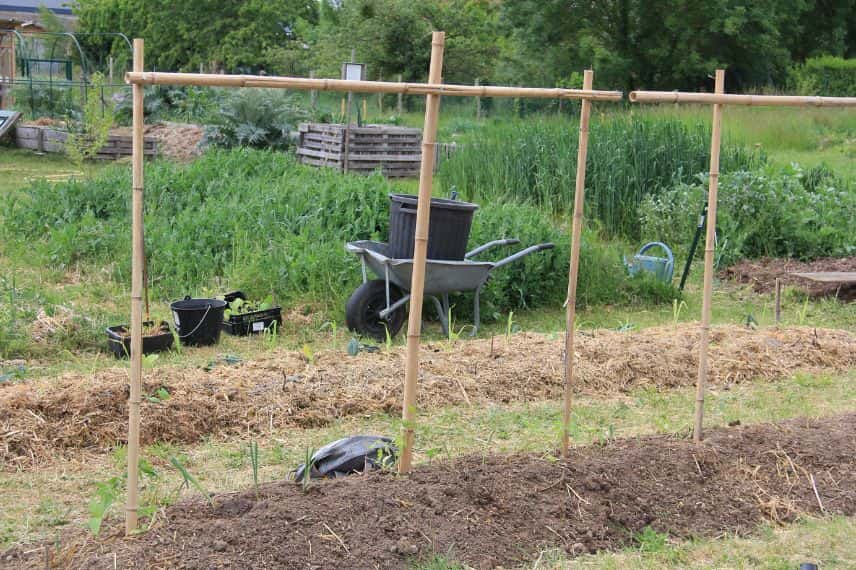
Vetch cultivation (behind the wheelbarrow) for the chop and drop practice and to mulch cultivation beds
Which plants should you choose for chop and drop?
You may have guessed it: we can use all the green and brown garden waste, but some plants are particularly rich in nutrients, especially in nitrogen, carbon and phosphorus! Enough to enrich and maintain good soil fertility, and thus contribute to the health or productivity of our dear plants. In short, the ideal plants for this method are those that add value to the soil, either by their ability to enrich the soil with nutrients, or by their capacity to produce abundant standing crop.
Here are a few examples of plants particularly suited to the chop and drop method, which can easily be integrated into various types of gardens:
- Leguminous plants : Legumes, such as clover, lucerne and vetches, fix atmospheric nitrogen in the soil, an essential process for feeding the plants that follow. These plants are ideal to sow between rows of vegetables, in crop rotation or under fruit trees.
- Comfrey : Comfrey is a plant with large leaves rich in potassium, a nutrient vital for plant growth. It is particularly useful beneath fruit trees or shrubs, where it can be cut several times per season to enrich the soil.
- Phacelia : With its rapid growth and abundant flowering, phacelia is perfect for producing a large amount of organic matter. It also attracts pollinators, making it an excellent choice for garden biodiversity.
- Miscanthus : Miscanthus is an ornamental grass that produces a large amount of biomass. It can be cut at the end of the season (March) and used as soil cover to protect and feed the soil.
- Mustard : Mustard is a cover crop that can be used to suppress weeds, alternating with vegetable crops. It quickly produces a large amount of biomass, which, once cut, decomposes to enrich the soil.
- Sorghum : Forage sorghum is another option for quickly producing a large amount of biomass. It is particularly suited to large spaces and can be used to improve soil structure.
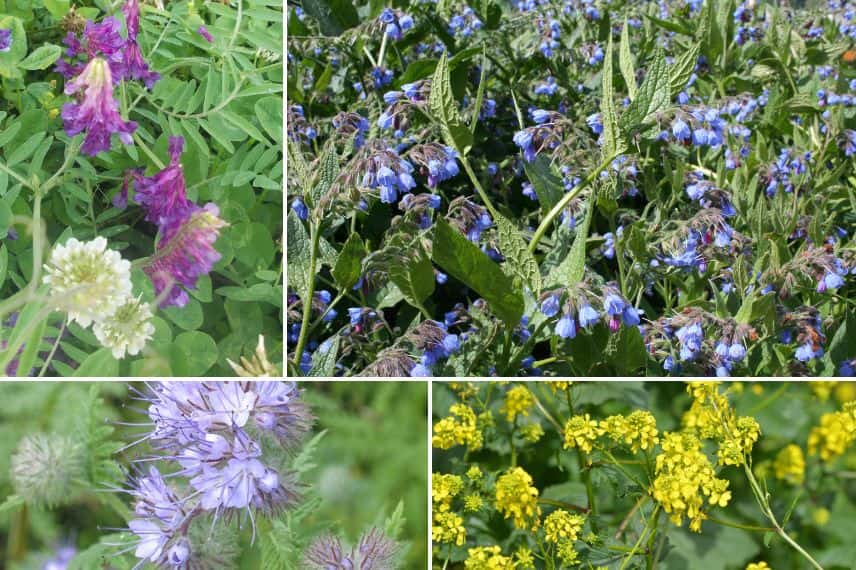
Vetch, comfrey, phacelia and mustard
Read also
Green manures: why, how?Precautions to take when practising the chop-and-drop method
When applying the chop and drop technique, certain precautions are essential to maintain the health and balance of your garden:
Preventing the spread of diseases or parasites
When practising the chop and drop technique, it is crucial to monitor the health of the plants you cut. For example, if you notice signs of disease on your tomatoes, such as downy mildew, it is essential not to use these diseased parts for the chop and drop. Similarly, if your roses are infested with aphids or fungal diseases, avoid using their residues. Using diseased plants could spread infection to other parts of the garden.
Watch out for plants that readily propagate by layering or rooting from cut stems
Some plants can spread undesirably if used in the chop and drop practice. For example, plants such as mint, ivy, Virginia creeper or certain raspberry varieties can easily take root from their stems or leaves that have been cut, leading to uncontrolled spread in the garden. It is therefore advisable to avoid using these kinds of plants for the chop and drop, unless you intend for them to spread.
Other plants to avoid in this practice
- Invasive plants : Avoid plants known for their invasive habit, such as bindweed or Japanese knotweed. These plants can quickly dominate other species and are difficult to control once established.
- Plants with aggressive spread : Plants such as bamboo or some grasses that have gone to seed can spread rapidly and become problematic if cut and left on site.
- Toxic plants : Some plants can be toxic to other plants or to wildlife. For example, black walnut secretes a substance called juglone, which is toxic to many other plants. Avoid using these types of vegetation in your chop and drop practice.
- Subscribe!
- Contents
Comments