





























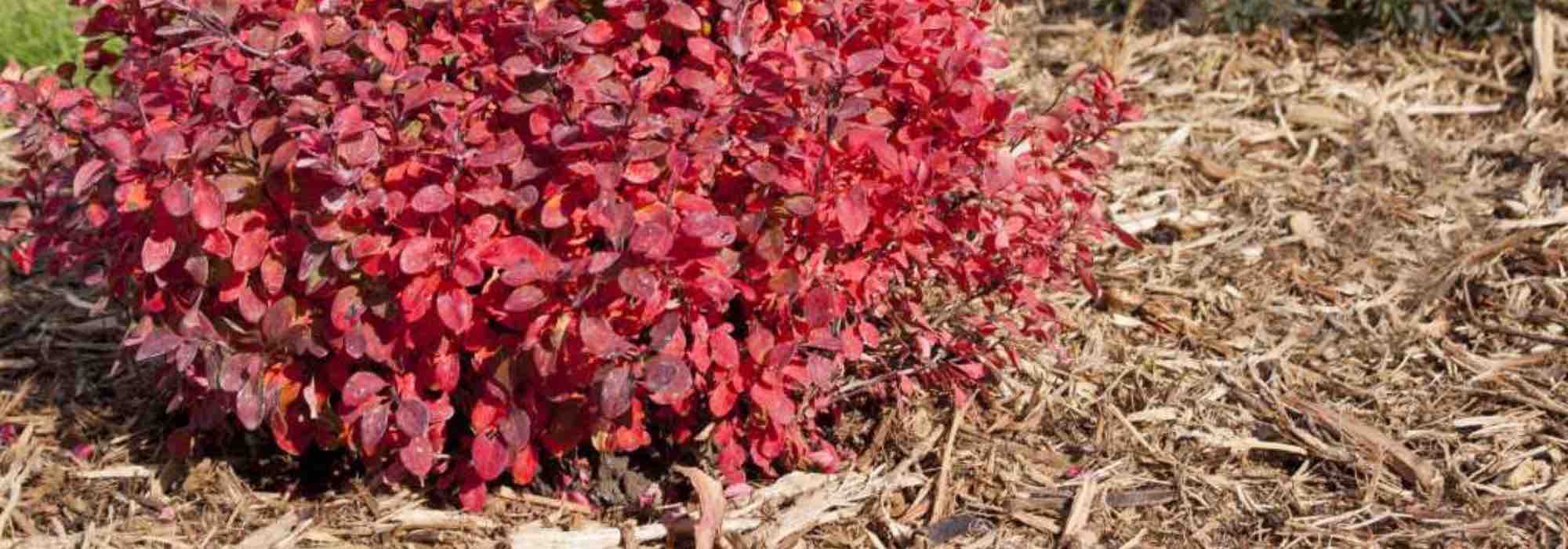
Which mulch to use to protect plants against the cold?
Our winter mulching tips
Contents
With the arrival of winter, protecting plants from the cold becomes a priority for every gardener. Low temperatures and frosts can damage roots, weaken bushes and slow the growth of perennial plants. Mulching is the first single and effective solution to create a natural thermal barrier, before considering additional solutions if needed. In this article, we guide you to make the best choice and thus guarantee optimal protection for your garden this winter.
Discover our selection of mulches for winter.

Why using mulch in winter?
Winter mulching is an essential practice for protecting your plants from the rigours of cold. This simple technique involves covering soil around the plants with a layer of insulating materials to protect their roots and improve survival conditions during the cold months. But why is winter mulching so important? Here are three essential reasons that explain its effectiveness.
Protection against frost
In winter, low temperatures can cause frosts that penetrate deeply into the soil, endangering the roots of plants. Mulching acts as a protective cover, maintaining a more stable temperature and preventing the soil from freezing deeply. This helps the roots stay sheltered from temperature fluctuations and avoid irreversible damage. A sufficiently thick layer of mulch can greatly limit the impact of the cold on your plants.
Maintaining soil moisture
During winter, even though plants require less water, it is important that the soil retains a sufficient level of moisture. Mulching helps retain this moisture by preventing excessive evaporation. By maintaining adequate moisture, mulching limits the water stress on plants.
Prevention of erosion and protection of the soil
Winter often brings strong winds and heavy rains, which can erode the soil and expose the roots to unfavourable conditions. Mulching helps protect the soil surface from this erosion, reducing the risk that wind and water carry away the precious top layer, rich in nutrients. In addition to protecting the plants, it helps preserve soil structure, essential for healthy growth of crops in the following spring.
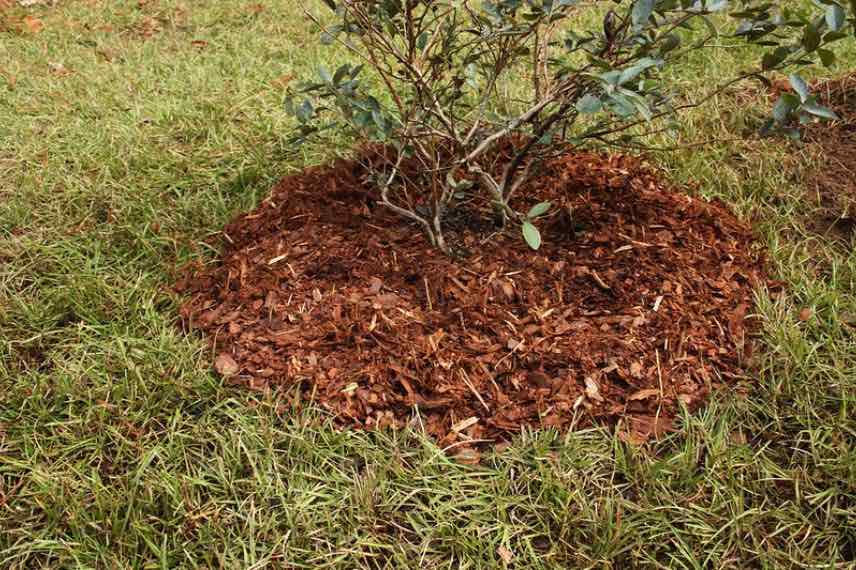
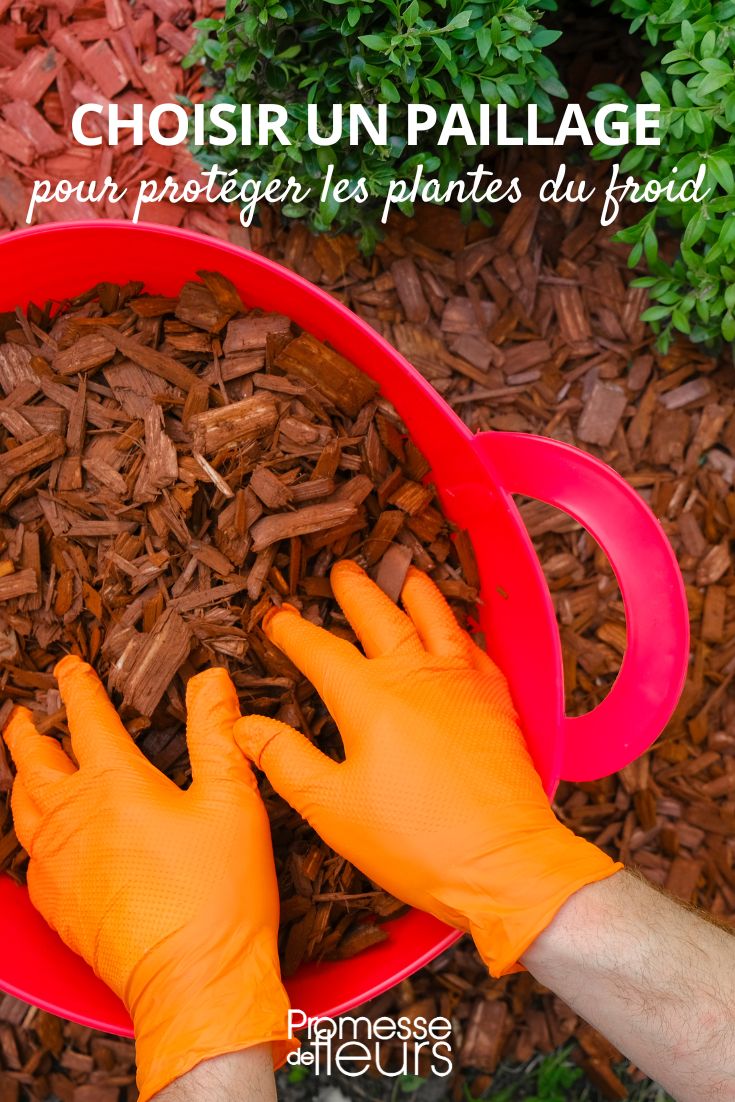
A pine bark mulch at the base of a bush
The different types of natural mulches
Natural mulching is a popular choice among gardeners for its ability to protect plants while improving soil quality. Each type of mulch has its advantages and disadvantages, and some are better suited to particular plants or environments. Let’s review the main natural winter mulching options.
Mulching with fallen leaves
Fallen leaves are an easy, free mulch if you have trees in your garden. This material is lightweight and provides good thermal insulation, especially for perennial plants and bushes.
- Advantages: free, eco-friendly and improves soil structure as it decomposes slowly. It also provides a natural habitat for insects and small soil-dwelling creatures, helping to maintain biodiversity.
- Disadvantages: fallen leaves can tend to compact, which may encourage mould and hinder soil aeration. To avoid this, it is recommended to lightly shred them before using or to mix them with other materials.
- Ideal use: apply a 5 to 7 cm layer around sensitive plants, taking care not to pile the mulch too thickly to avoid smothering the roots.
Straw mulch
Straw is another excellent option for protecting plants from the cold. Very insulating and easy to handle, it is often used in vegetable gardens, but can also be suitable for perennials and bushes.
- Advantages: very good insulation against the cold, and it also helps keep the soil well aerated. As it decomposes, it adds organic matter to the soil.
- Disadvantages: straw can attract rodents or insects, and it decomposes more quickly than other mulches, meaning it will need renewing each year.
- Ideal use : apply a layer of 7 to 10 cm around root vegetables, strawberries or perennials, particularly in regions where frosts are frequent.
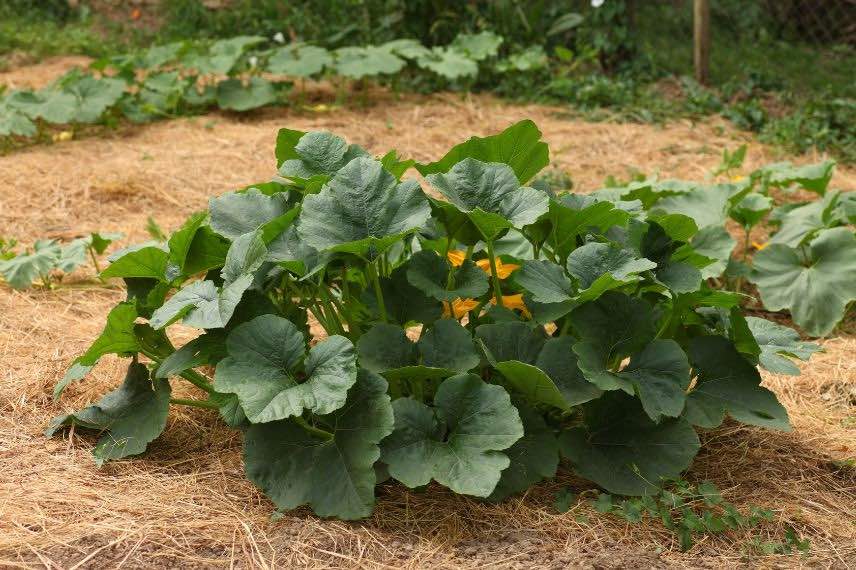
Straw, often used in the vegetable garden, is a good winter insulator
Mulching with needles or pine bark
Pine is a popular mulch for acidophilous plants that prefer slightly acidic soil, although the acidifying effect of pine bark has not ultimately been demonstrated. It can therefore be used for all plant types.
- Advantages : this mulch decomposes slowly, making it a durable option. It offers good protection against temperature fluctuations.
- Disadvantages : it can be a bit more expensive compared with other options.
- Ideal use : apply a 5 to 8 cm layer for effective protection against the cold.
Compost mulch
Compost mulch is a multifunction mulch that not only protects your plants in winter, but also enriches the soil with nutrients.
- Advantages : enriches the soil with organic matter, improves moisture retention, aerates compacted soils and provides good insulation. Compost also promotes microbial activity, essential for soil health.
- Disadvantages : compost, if too rich or poorly decomposed, can burn plant roots. It is therefore important to ensure the compost is well mature before using it as mulch, and that it is fully mature at the time of incorporation.
- Ideal use : a thin layer (about 3 to 5 cm) is sufficient to protect plants while enriching the soil. Use around plants that need an extra nutrient boost or on soils that need amendments.
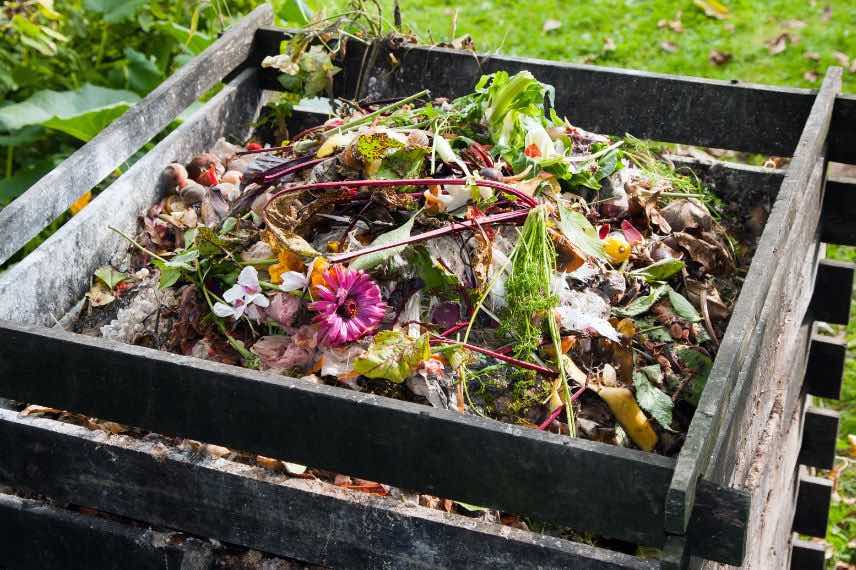
Use well-decomposed compost as mulch for winter
Fern mulch
Fern mulch is highly effective at protecting plants from severe frosts, especially in regions where winters are particularly harsh. Collect the dried fronds from deciduous ferns in autumn.
- Advantages : excellent thermal insulation and very lightweight. It is also easy to remove in spring and does not compact, allowing good soil aeration.
- Disadvantages : it decomposes quickly and will need to be renewed frequently.
- Ideal use : ideal for fragile plants or young bushes that require intensive protection against the cold. Apply a thick layer (8 to 10 cm) for maximum effectiveness.
Miscanthus mulch
Miscanthus is increasingly used as a natural mulch.
- Advantages : excellent thermal insulation and resistance to decomposition, very lightweight.
- Disadvantages : slightly more expensive than other natural mulches, but it is very durable.
- Ideal use : apply a 5 to 8 cm layer around shrubs, perennials and borders. Ideal for large areas and vegetable crops.
Hemp mulch
The hemp mulch is a natural mulch very effective for protecting roots from frost while remaining lightweight and airy.
- Advantages : high insulation capacity, very airy, decomposes slowly and enriches the soil with organic matter.
- Disadvantages : perhaps a little more expensive than other mulches, but it lasts a long time.
- Ideal use : apply a 5 to 10 cm layer around perennials, roses and bushes for optimal protection against the cold.
Wood chip mulch
Wood chips, often sourced from sawmill or pruning waste, are a common mulching solution, often aesthetically pleasing for gardeners, particularly for shrub borders or hedges.
- Advantages : very durable, decomposes gradually and effectively helps retain moisture. As it decomposes, it enriches the soil with organic matter. Wood chips also create an effective barrier against weeds.
- Disadvantages : they can draw nitrogen from the soil as they decompose, so it is advisable to add some nitrogen fertiliser to compensate. Their use on nitrogen-hungry plants (such as vegetables) should be avoided.
- Ideal use : perfect for borders, hedges and under trees. Apply a 7 to 10 cm layer to protect roots and prevent soil erosion.
Pozzolana mulch
Pozzolana is a porous volcanic rock, which, in the form of small granules, is ideal as a mulch for Mediterranean plants.
- Advantages : very good aeration and drainage, it does not compact and offers effective thermal insulation. Its long lifespan (it does not decompose) makes it a long-term investment. As a mineral mulch, it avoids mould risks that Mediterranean plants may fear.
- Disadvantages : its cost is higher than that of organic mulches, and it does not provide nutrients to the soil. It is a purely protective and aesthetic mulch.
- Ideal use : perfect for Mediterranean plants such as lavender, olive trees, or thyme, as well as for succulent and cactus plants. Apply a 5 to 7 cm layer around the plants to keep the soil well-drained and avoid stagnant moisture, unhealthy for these species.
Other solutions: cardboard and newspapers
For gardeners seeking economical and readily available solutions, cardboard and ink-free newspapers can serve as temporary mulch in winter.
- Advantages : these materials are free, biodegradable and can provide reasonable protection against the cold. They are particularly useful for covering large areas at low cost.
- Disadvantages : newspapers and cardboard decompose quickly in rain and moisture, making them less durable than other options. They can also break down, leaving areas unprotected if not renewed regularly.
- Ideal use : place several layers of cardboard or newspapers around your plants to insulate the soil. Optionally cover them with a more aesthetically pleasing mulch, such as fallen leaves or straw, to improve appearance and keep the materials in place.
Practical tips for mulching in winter
Mulch thickness is essential to ensure it fulfils its role as a thermal barrier. As a general rule, it is recommended to apply a layer of 5 to 10 cm for effective protection against the cold. A layer that is too thin will not adequately insulate the roots, while one that is too thick could smother the plants or encourage rot by retaining too much moisture. It is therefore important to adjust the thickness according to the climate in your region and the materials chosen.
Not all plants have the same mulch requirements. Also consider the nature of the soil: a clay soil retains more moisture, so you will need to opt for a mulch that allows good aeration, such as straw or bark. For sandy soils, more compact mulches such as compost will be better at retaining moisture.
The ideal time to mulch your plants is just before the arrival of the first frosts, when the soil is still slightly damp, but not waterlogged. Waiting for the soil to be already frozen could make the mulch less effective, as it won’t be able to retain heat in the soil.
At the end of winter, incorporate mulches that decompose quickly into the soil to improve its fertility, especially if they are partly decomposed.
To maximise the effectiveness of your winter mulch, you can layer different materials. For example, a first layer of compost to enrich the soil, topped with a layer of straw for insulation.
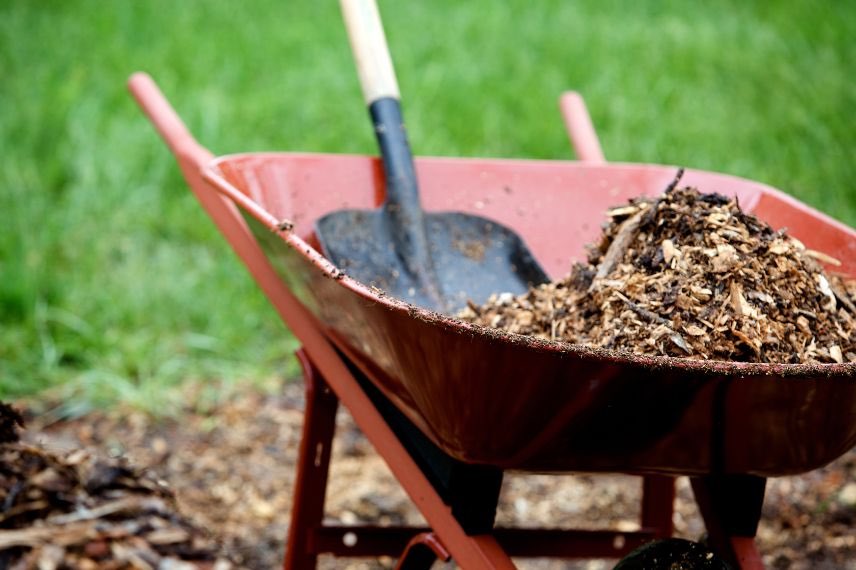
Don’t stint on mulch thickness to provide good protection
- Subscribe!
- Contents
Comments