





























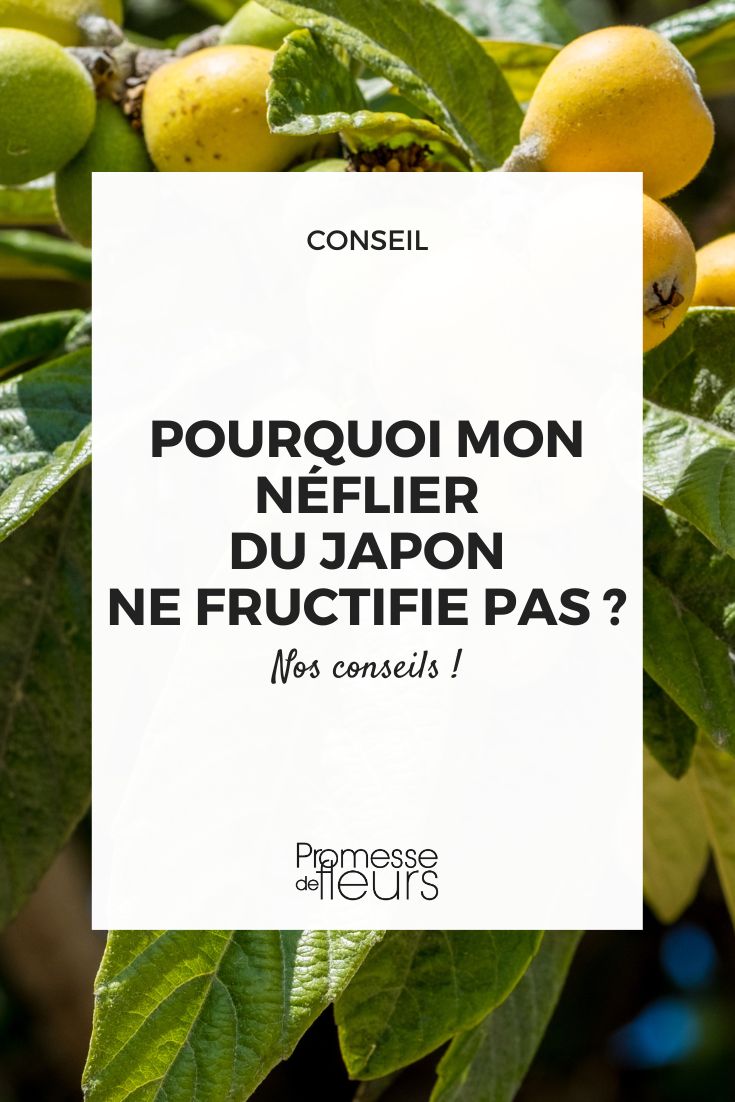
Why isn't my Japanese loquat bearing fruit?
Our tips for dealing with a lack of fruiting
Contents
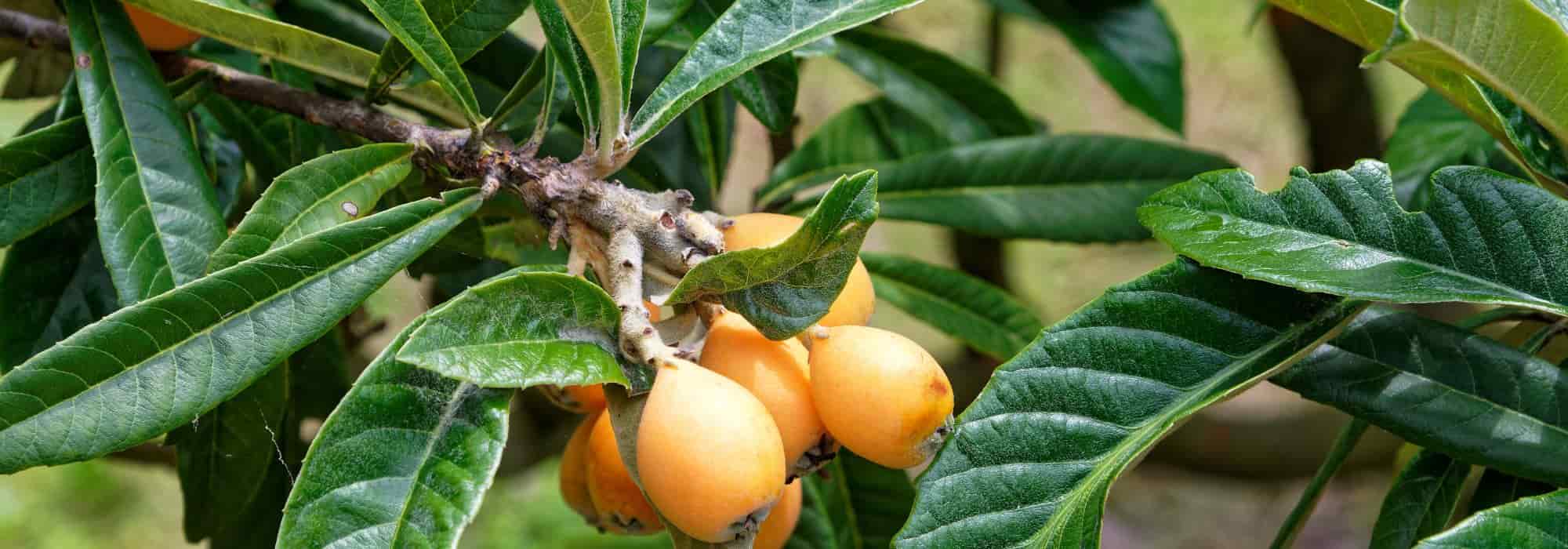
The Japanese medlar, known by its botanical name Eriobotrya japonica, is a fruit tree prized for its ability to adapt to various environments and for its delicious fruits. Native to Asia, this tree has graced many French gardens thanks to its evergreen foliage and juicy fruits: the loquats. However, some gardeners may encounter difficulties with the fruiting of this tree, and many factors can influence the harvest. The climate, the care given, and even the tree’s own biology all play a crucial role in its ability to bear fruit.
Discover the reasons and solutions for addressing the lack of fruiting in the Japanese medlar, and also optimise its health and productivity.

Climatic and environmental conditions
Climate plays a key role in the fruiting of the Japanese loquat. This species, though fairly robust, prefers temperate to warm climates where winters are not too harsh. Sufficient sun exposure is crucial for the tree’s health and its ability to bear fruit. The Japanese loquat requires direct sunlight to promote photosynthesis, essential to the growth of the fruit.
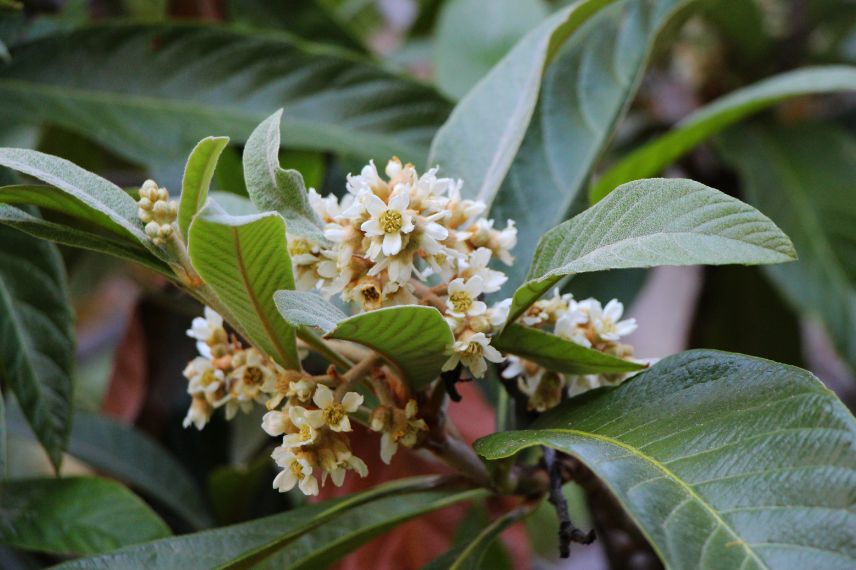
Moreover, temperature directly influences flowering and ripening of the fruit. Its autumn flowering (October–November) survives only in regions with mild winters. Frosts and temperatures that are too low during flowering can affect the quality of the flowers and, consequently, the fruit yield. Conversely, excessively high temperatures in summer can stress the tree and reduce its production.
Thus, for a gardener wishing to optimise the fruiting of their loquat, it is important to find a location that offers a balance between sufficient sunlight and protection against climatic extremes.
Water and nutrient needs
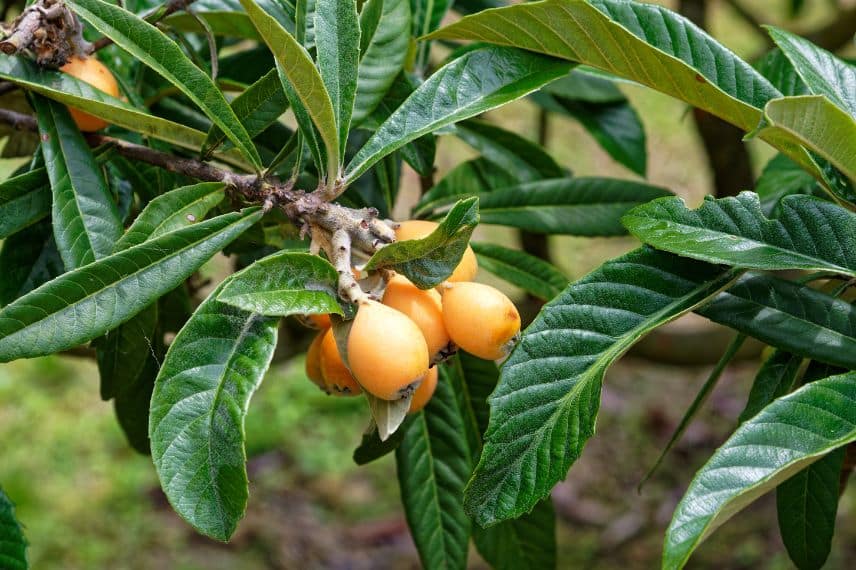
Water and nutrient needs of the loquat are key to ensuring good fruit production. Irrigation should be regular and tailored to climatic conditions as well as the tree’s growth stage. During periods of active growth, especially in hot months, sufficient watering is essential to keep the soil slightly moist. However, it is important to avoid excess water which could lead to root rot. Good soil drainage at planting is therefore crucial.
Regarding fertilisation, the loquat appreciates balanced nutrient inputs. A rich, well-drained soil with a slightly acidic to neutral pH is ideal. In spring, apply well-rotted compost or use a complete fertiliser to promote growth and tree health, which positively impacts fruit production. It is important not to over-fertilise, as an excess of nutrients, particularly nitrogen, can stimulate leaf growth at the expense of fruit production.
Pollination problems
Pollinating insects, such as bees and bumblebees, play an essential role in the pollination of your Loquat tree. Loquat tree flowers in autumn, around October–November, and low presence of pollinating insects in the environment at this time, or unfavourable weather conditions during flowering, can reduce pollination.
To improve fruit set, it is possible to attract more pollinating insects by planting attractive flowers (Chrysanthemum, Autumn Aster, Winter Heather, etc) near the Japanese Loquat tree. Moreover, protect habitat for pollinating insects by avoiding the use of pesticidal chemicals in your garden. In some cases, manual pollination can be considered, although this is more labour-intensive. This technique involves the delicate transfer of pollen from one flower to another using a small brush or cotton bud. By promoting effective pollination, whether by natural or manual means, the chances of the Loquat producing an abundance of fruit are greatly improved.
Read also
How to harvest and store medlars?Diseases and parasitic pest management.
Lack of fruiting may be due to disease or parasites that affect the health of your Japanese medlar. Among common problems, scab is the main one, a fungal disease that causes spots on leaves and fruit, and the aphid, a parasitic pest that attacks young shoots and leaves.
To prevent these problems, good garden hygiene is essential. Regularly cleaning around the tree to remove plant debris that may harbour diseases or pests is advised. Proper pruning also promotes good air circulation, reducing humidity that can encourage the development of fungal diseases.
In case of infestation or disease, the use of suitable treatments is necessary. For fungal diseases such as scab, copper-based fungicides can be effective. To combat aphids on the Japanese medlar, use a solution of black soap: simply mix 5 tablespoons of liquid black soap in 1 litre of water. Use this solution to spray the tree’s leaves generously, making sure to cover both sides of the leaves. Repeat the treatment every 5 to 7 days or until the aphid infestation diminishes. Apply preferably early in the morning or late in the day to avoid sun scorch on the leaves.
Finally, regular monitoring of the tree helps detect quickly any signs of disease or pest, enabling swift and effective intervention. A preventive, attentive approach is the key to keeping a Japanese medlar healthy and productive.
→ For more information, read our article: Diseases and pests of medlars.

Pruning and maintenance
Pruning should be carried out with care to encourage fruit growth. It is advisable to perform light pruning after harvest to remove dead or diseased branches and to air the centre of the tree, which allows better sun exposure and optimal air circulation. It is also important to remove crossing branches to avoid rubbing and injuries likely to invite diseases. As with most fruit trees, too severe pruning can affect the next fruiting.
In autumn, after harvest, it is prudent to clear around the tree of fallen leaves and fruit, thereby reducing the risk of disease.
→ To learn more, read our article: How to prune medlar trees?
Age and ripenness of the tree
Young trees, in particular, need time to establish themselves and reach a fruit-bearing ripeness. Generally, a Japanese loquat begins to bear fruit significantly between 3 and 5 years after planting, though this can vary depending on growing conditions, soil richness and maintenance.
For young trees, it is important to be patient and to focus on establishing a solid base for future growth. This involves ensuring good rooting, adequate nutrition and protection against diseases and pests. Pruning should be kept to a minimum at the start, concentrating mainly on removing damaged or poorly placed branches to encourage a good structure.
As the tree ages and reaches fruit-bearing ripeness, its capacity to bear fruit increases. A Japanese loquat that is well established and healthy can yield an abundance of fruit each year. It is therefore essential to provide consistent, age-appropriate care to ensure fruitful production season after season. Patience and attention to the tree’s changing needs are the keys to fully enjoying its delicious fruits.
Miscellaneous factors
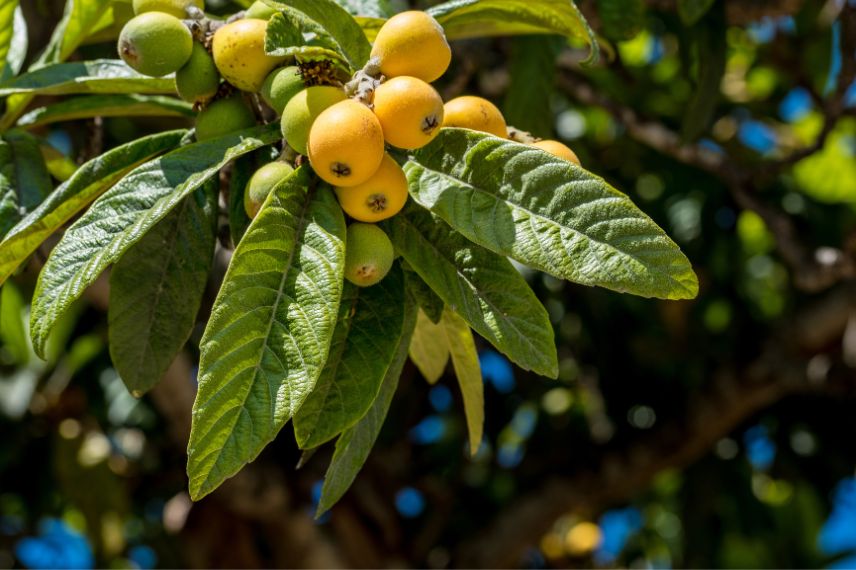
- Water stress, whether caused by too much or too little water, can adversely affect tree growth and its ability to bear fruit. Inadequate watering, whether too much or too little, causes stress to the tree, manifesting as wilting leaves, slowed growth and reduced fruiting. It is therefore crucial to maintain balance by providing enough water, especially during dry spells, while ensuring good drainage to prevent soil saturation.
- Potted trees are more prone to water stress, as the potting medium in pots dries out more quickly. Regular, attentive watering is therefore essential. In addition, pots should provide good drainage (expanded clay pellets and drainage holes at the bottom of the pot) to prevent root waterlogging. In winter, the roots of potted Japanese persimmons are more exposed to cold. It may be necessary to protect the pot with insulation or place it in a sheltered spot. Finally, fertilisation should be carefully managed, as nutrients in pots are depleted more quickly than in garden soil.
- Extreme weather conditions, such as late spring frosts or heatwaves in summer, can also affect the Japanese persimmon. These conditions can damage the flowers and young fruit, thereby reducing the harvest. It is important to protect the tree as much as possible, for example by using frost-protection fleece to shield it from frosts or by providing shade during periods of intense heat.
- Subscribe!
- Contents
Comments