





























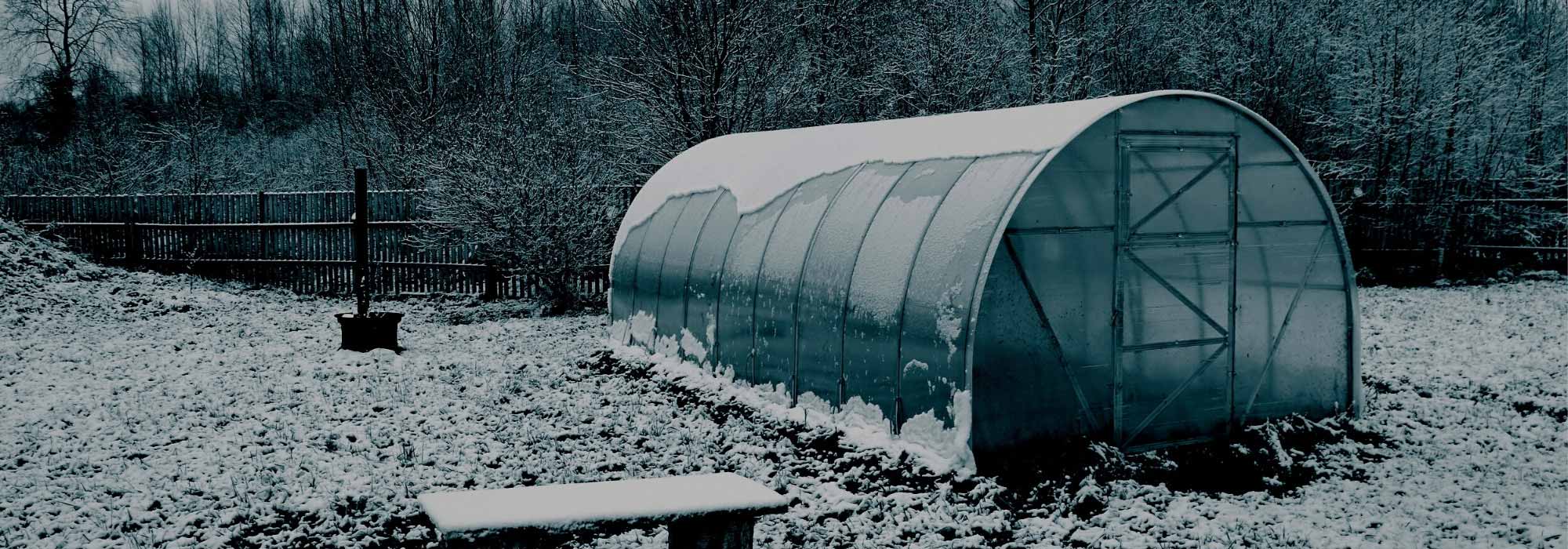
Winter greenhouse cultivation: benefits and practical tips
Create an ideal environment for your plants
Contents
As winter wraps our gardens in a cloak of cold, the greenhouse stands as a sanctuary. It offers vital protection against the harshness of frost and inclement weather, allowing plants to continue their growth without the constraints of external weather conditions. Growing under glass in winter is not just a way to defy the seasons; it is also a great solution for enjoying a continuous harvest and stocking up on vitamins in the heart of winter. Many plants can be planted and sown there. Let’s explore the multiple benefits of winter greenhouse cultivation and practical tips for setting up and effectively managing your greenhouse during this season.

The advantages of greenhouse cultivation during the cold season
Winter greenhouse cultivation is an effective method for gardeners wishing to extend the gardening season beyond the limits imposed by cold climate. Even an unheated greenhouse, such as a tunnel greenhouse, allows for the cultivation of plants that would not survive the harsh winter conditions outside. The main advantage of greenhouse cultivation lies in its ability to provide a conducive environment for the growth of many plants that are more or less sensitive to cold. Protecting plants from light frosts, rain, and wind are the primary benefits of a greenhouse in winter. Whether made of plastic, glass, or polycarbonate, the greenhouse creates a protective microclimate in which plants can survive and grow effectively. The warmth of the greenhouse also allows for the cultivation of a wider range of vegetables. Thanks to its transparent walls, the greenhouse not only lets sunlight in but also retains heat when it floods the interior. In the heart of winter, even the slightest ray of sunshine can raise the temperature inside. The temperature is logically a few degrees higher (2 to 5°C) than outside: this is known as the greenhouse effect. The use of a greenhouse offers multiple advantages:
- Extension of growing seasons: The greenhouse allows for earlier vegetable cultivation in spring and later in autumn by creating a microclimate. The soil warms up more quickly, enabling seeds to germinate faster. As early as January, in mild climates, it is possible to sow early vegetables such as carrots, lettuces, and radishes.
- Increased productivity: The heat accumulated in the greenhouse promotes the growth of a greater variety of vegetables. This microclimate enhances their growth and increases yields.
- Protection against certain diseases: The greenhouse provides protection against fungal diseases, often linked to humidity. Cultivating under glass reduces the risk of diseases like downy mildew, for example, by limiting exposure to rain.
- Ease of propagating young plants: The cold greenhouse offers an ideal space for managing semi-early sowings and cuttings. One can store them there and plant frost-sensitive vegetables as early as April, with additional protection for cold nights. This avoids clutter in the house during the months of March to May.
Read also
How to choose a greenhouse?What can be planted in a greenhouse in winter?
Well protected from the elements in a winter greenhouse, certain plants thrive particularly well. In a cold greenhouse, you will grow vegetables that are not too frost-sensitive. Leafy vegetables and herbs, which you can sow as early as October, provide a continuous harvest throughout the winter months. They benefit from protection against the weather and optimised growing conditions. In a winter greenhouse, several plants can be successfully cultivated:
- Leafy vegetables such as spinach, lettuces, rocket, Swiss chard, and lamb’s lettuce, which tolerate lower temperatures well.
- Herbs such as thyme, parsley, and chives, for a continuous harvest throughout winter.
- Vegetables such as carrots, turnips, beetroots, cabbages, and radishes, which can be grown in containers.
→ Also check out our article “What are the best fruits and vegetables to grow in a greenhouse according to the seasons?“.
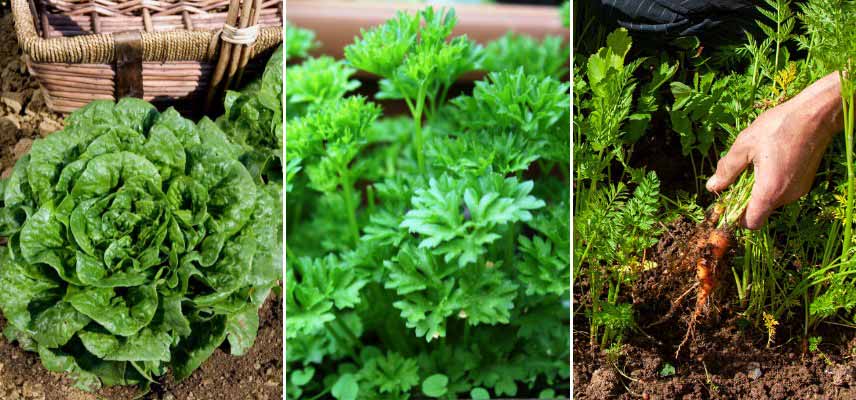
Some ideas for plants to grow in a greenhouse in winter: lettuces, parsley, and carrots
How to bring warmth into a greenhouse?
In regions where winters are harsh, the temperature in a cold greenhouse can quickly drop below 0°C as it is not heated. Therefore, it is quite possible for frost to occur. However, it is not necessary to install heating to grow vegetables. In fact, there are several effective alternatives to increase the temperature in a cold greenhouse without resorting to an electric, gas, or oil heating system (neither economical nor ecological!). With a few tips, it is possible to keep your greenhouse frost-free:
- Create a heat source using a hotbed under your sowings or young plants.
- Use a fleece to cover your less hardy plants or surround pots to raise the temperature by a few extra degrees.
- Place bubble wrap on the inner walls of the greenhouse to enhance insulation.
- Install a compost bin in the greenhouse which will release heat as it decomposes, providing warmth during the night.
For further reading, discover our tips on how to retain heat in a greenhouse during winter?
Well preparing and managing your greenhouse for winter
The success of winter greenhouse cultivation relies on proper installation and management. Insulation of the greenhouse is essential to minimise heat loss. Good ventilation is crucial to prevent moisture build-up and plant diseases.
To transform a greenhouse into a winter haven for your plants, several key steps should be followed:
- Insulation: good insulation is vital. Use bubble wrap or similar materials to retain heat by covering the walls of the greenhouse, which helps keep warmth inside. Focus on the areas most exposed to the cold.
- Heating: opt for alternative heating solutions aimed at maintaining a vital minimum for your plants.
- Lighting: ensure that plants receive between 12 and 16 hours of light per day. In winter, days are shorter. You can add grow lights to compensate for the lack of natural light. Horticultural LEDs are an effective and energy-efficient option.
- Ventilation: adequate ventilation is essential to prevent moisture build-up and plant diseases. Open the windows or vents of the greenhouse briefly each day to refresh the air.
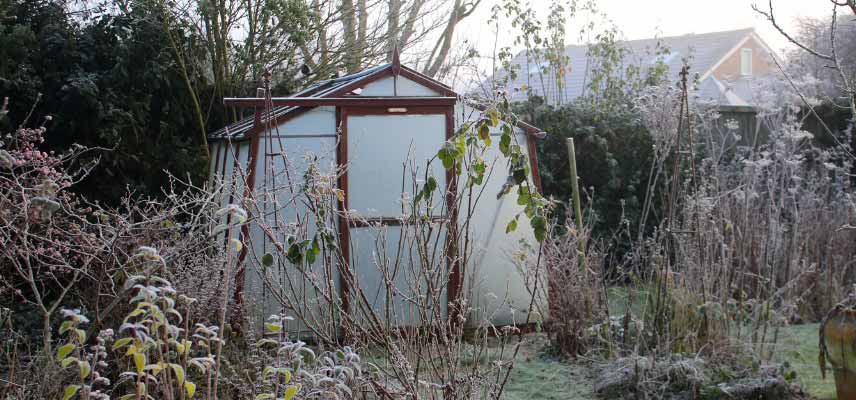
Tips for maximising plant production and health
Winter greenhouse cultivation requires careful planning and appropriate management to ensure the health and productivity of plants. To maximise production and plant health in a greenhouse during winter, it is important to regularly monitor the greenhouse environment. Here are some practical tips to optimise your greenhouse during this period:
- Regular monitoring: check the temperature, humidity, and light levels daily. Adjust the parameters according to the needs of the plants you are growing.
- Judicious watering: watering should be adapted to the ambient humidity of the greenhouse. Too much or too little water can negatively affect the plants.
- Crop rotation: practice crop rotation to avoid nutrient depletion in the soil and the spread of diseases.
- Careful observation: monitor your plants for any signs of stress, disease, or pests and intervene quickly to address any issues.
By applying these tips, you can transform your greenhouse into a productive and healthy environment, even during the coldest months.
- Subscribe!
- Contents

Comments