





























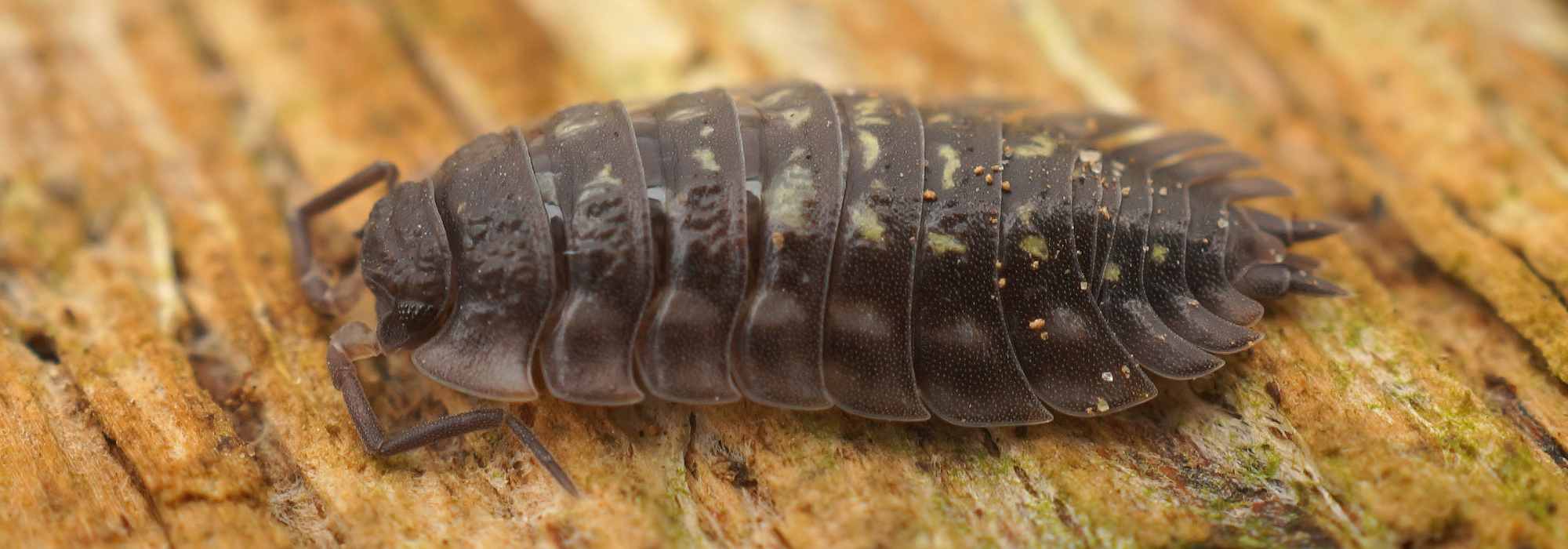
Woodlice: a remarkable ally of the gardener
Essential terrestrial crustaceans for healthy soil and a thriving garden
Contents
Woodlice, also known as “wall pigs”, “cellar pigs” or “Saint Anthony’s pigs”, are small terrestrial crustaceans that are frequently found in our gardens. Although their appearance may sometimes surprise, these discreet organisms play a fundamental role in the garden’s ecosystem. Often seen under stones, in piles of dead leaves or in the shade of the low walls, woodlice are valuable allies to gardeners. By feeding on decomposing organic matter, they contribute to the formation of fertile soil and to creating a healthy environment for plants. Their presence also indicates soil rich in biodiversity and healthy soil.
Let’s discover these wonderfully friendly little terrestrial crustaceans—the woodlice!

Woodlice: Description and adaptation to life on land
How to recognise a woodlouse?
The woodlouse is a small arthropod in the subphylum Crustacea, and is therefore not an insect at all. Usually measuring between 1 and 2 centimetres long, its body is elongated, flattened and segmented into several rigid plates. These segments provide it with some protection against predators and allow it to roll into a ball when threatened, a feature primarily found in certain species such as Armadillidium vulgare. This defence is an effective mechanism for protection.
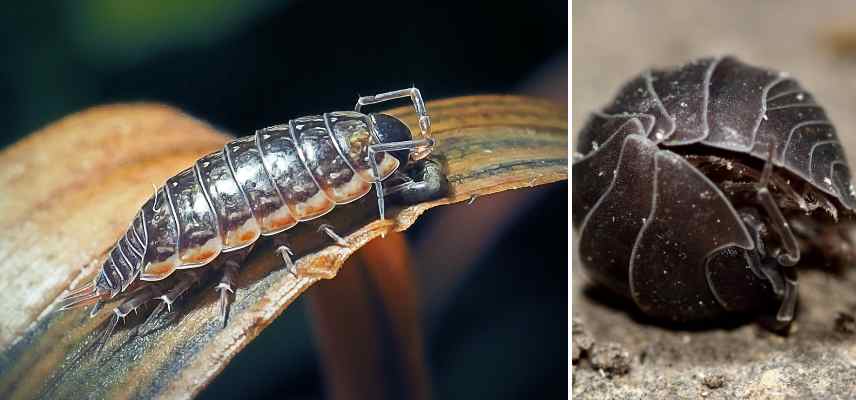
Armadillidium vulgare
Woodlice have seven pairs of legs, which is an important distinguishing feature, and their antennae are short and segmented, adapted to their terrestrial lifestyle. Their colour ranges from grey to brown, sometimes with darker shades or spotted patterns depending on the species. Their overall appearance may seem rigid and robust, but these small crustaceans are surprisingly agile and capable of wriggling into the tiniest corners of the soil.
The only terrestrial crustacean to have adapted
Unlike the vast majority of crustaceans, which are aquatic, the woodlouse is the only group of crustaceans to have wholly conquered the terrestrial medium. This adaptation is the result of a series of morphological and physiological changes. To breathe, woodlice possess structures called pleopods, located beneath the abdomen, which function as gills adapted to air. However, for these respiratory organs to remain functional, woodlice require a damp environment. This peculiarity explains why they are often found under stones, in leaf litter or any other cool and damp place.
Woodlice have also developed a waxy cuticle on their carapace that helps to reduce water loss by evaporation, a major asset for their survival in terrestrial medium. Additionally, their nocturnal habits help them avoid dehydration during the day.
Some common species in France
- Armadillidium vulgare : this woodlouse, known for its ability to roll into a ball, is one of the most widespread species. It is grey-brown in colour and measures between 10 and 18 mm. It is found under stones and leaf litter, where it contributes to the decomposition of organic matter, thereby promoting soil fertility.
- Porcellio scaber: identifiable by its rough dorsal surface and its colour from dark grey to brown, this woodlouse favours very damp habitats. It moves quickly to escape predators and plays an important role in soil aeration and decomposition.
- Oniscus asellus: larger (up to 20 mm), this woodlouse likes wooded and damp areas. It is crucial for the decomposition of organic matter, helping to create soil rich in humus. It is often found beneath tree bark and in piles of leaves.
- Other species: other woodlice, such as Porcellionides pruinosus (bluish-grey), Philoscia muscorum (yellowish-brown) and Trichoniscus pusillus (pale pink), are also present in French gardens, themselves playing a role in decomposition and soil structure.
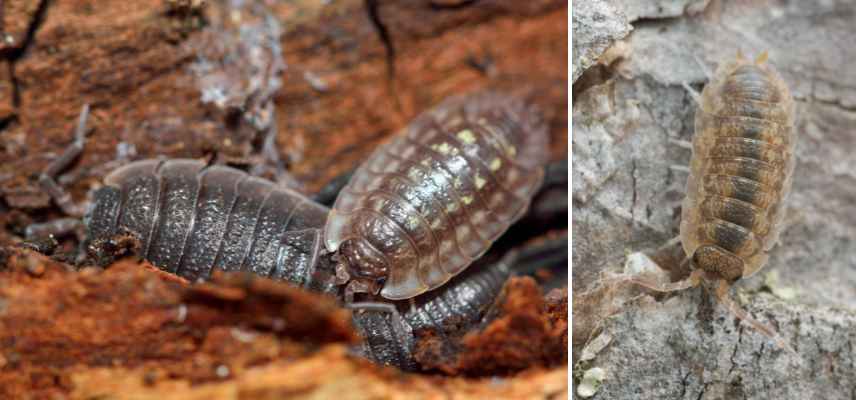
Porcellio scaber, Oniscus asellus and to the right Philoscia muscorum
Read also
Gardener's ally: the leopard slugLife cycle of woodlice
The life cycle of woodlice comprises three main stages: egg, juvenile and adult. Females lay their eggs in a brood pouch beneath their abdomen, where they remain protected until hatching after 3 to 9 weeks. Young woodlice, or juveniles, molt several times to grow and reach their adult form, a process that takes several months. Adult woodlice reach sexual maturity in around a year and can live up to 3 years.
Reproduction takes place mainly in spring and autumn, but can occur year-round under favourable conditions. Their life cycle is strongly influenced by temperature and humidity: they thrive at moderate temperatures (15-25°C) and require a moist environment to prevent dehydration. These environmental factors determine their growth rate, activity and ability to reproduce.
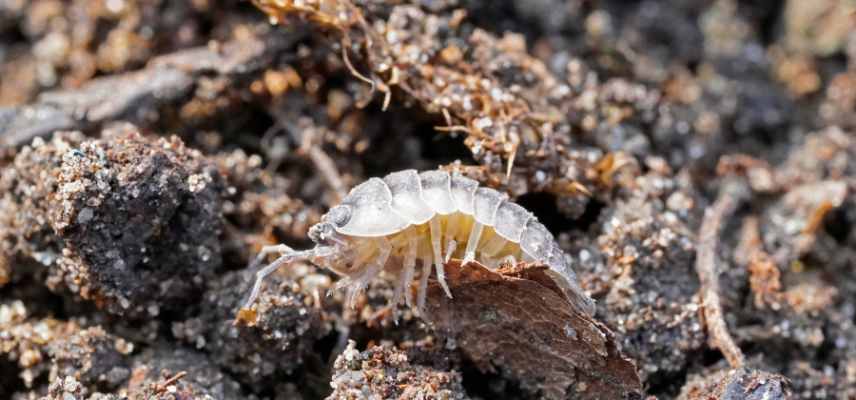
A young woodlouse
The woodlice diet
Woodlice are essentially decomposers, feeding mainly on decomposing organic matter. Their diet includes a variety of dead plant matter, such as fallen leaves, pieces of decomposing wood, dead roots and even some types of algae. They also consume fungi, lichens and sometimes decomposing animal matter, which makes them essential players in nutrient recycling in the garden ecosystem.
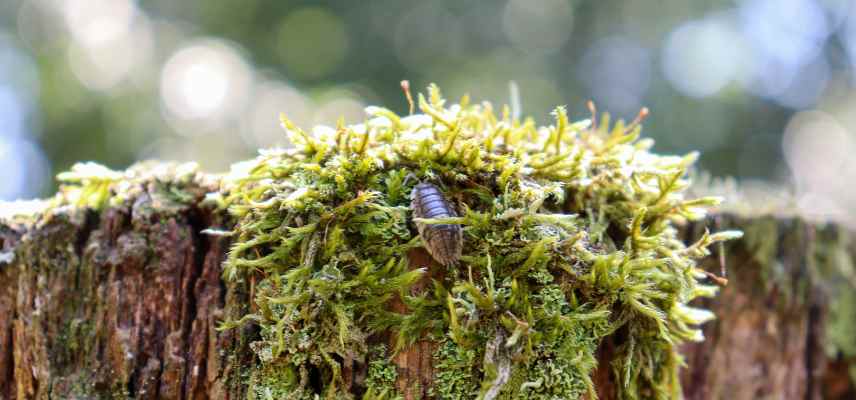
Woodlice are often found on wood or moss, which they feed on.
Why are woodlice the gardener's allies?
Contribution to the decomposition of organic matter
By feeding on dead plant debris (see above), woodlice speed up the decomposition process. This process is essential for converting organic matter into humus, a stable and nutrient-rich form. The humus thus formed enriches the soil, making nutrients more available to plants and promoting healthy growth.
By decomposing these organic materials, woodlice contribute to the release of essential nutrients, such as nitrogen, phosphorus and potassium, vital for the healthy development of plants. Their action also helps prevent the accumulation of organic debris and reduces the risk of rot-related diseases.
Improvement of soil structure through their activity
Moving and digging galleries in the soil, woodlice improve its physical structure. These movements create voids in the soil, increasing its aeration and facilitating water infiltration. Well-aerated soil allows plant roots to grow more freely and to access water and nutrients more easily. Additionally, by turning plant debris into finer fragments, woodlice contribute to the formation of a granular soil structure, ideal for water retention while allowing good drainage.
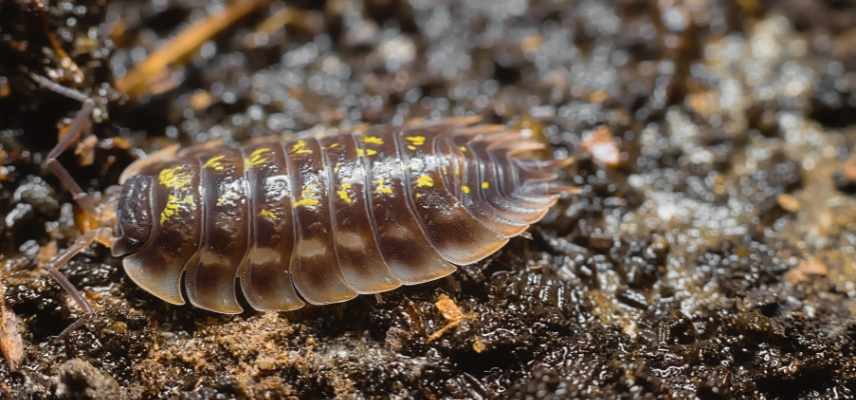
Oniscus asellus
Importance for soil biodiversity and ecological balance
As decomposers, woodlice interact with a multitude of other soil organisms, such as bacteria, fungi, earthworms and insects. Their presence fosters a complex food web in which each species plays a specific role. A soil rich in biodiversity is more resistant to diseases, pests and adverse environmental conditions.
But that’s not all; woodlice also form a substantial part of the diet of hedgehogs, shrews, some insectivorous birds, centipedes, toads, lizards and even certain spiders.
How to encourage the presence of woodlice in your garden?
Woodlice require a damp environment to thrive, as they are susceptible to dehydration. Maintain shaded and damp areas in the garden, leaving piles of leaves, decaying wood or stones where they can shelter themselves.
Leaving natural ground cover on the soil, such as organic mulch, also helps retain moisture and provide a favourable habitat for woodlice. Finally, composting is beneficial, as it provides a constant source of decomposed organic matter that woodlice can feed on, contributing to a healthy nutrient cycle.
Are woodlice harmful to plants?
No! Woodlice are often wrongly blamed for harming plants, mainly because of their appearance and their habit of clustering in large numbers in damp areas of the garden. However, this perception is largely exaggerated and based on preconceived notions rather than facts.
Their diet consists of decomposing organic matter, such as dead leaves, rotting pieces of wood and other plant debris. They greatly prefer these dead, decomposing food sources to living plants. Therefore, in the vast majority of cases, woodlice do not attack healthy plants and do not cause significant damage to crops.
The myth that woodlice are pests of living plants often stems from incorrect observations. For example, woodlice can be seen around diseased or dying plants, but they are generally not the primary cause of these problems. They simply feed on tissues that are already decomposing. Moreover, their presence in flower pots or greenhouses can be misinterpreted, as they cluster in these environments simply because they find the moisture and the organic debris they need to survive.
Cases where woodlice can pose a problem
Although woodlice are normally harmless to living plants, there are specific situations where they can cause problems, especially when their populations become too large or when conditions are conducive to excessive proliferation.
- Young or fragile plants: woodlice can sometimes damage young seedlings, cuttings or very delicate plants, particularly if these plants are in direct contact with the soil or surrounded by decomposing organic matter. In these cases, woodlice may nibble tender roots or stems, causing minor but visible damage.
- Confined or damp environments: such as greenhouses or flower pots, where humidity is high and organic matter is abundant, woodlice can become more numerous and begin to explore new food sources, including the lower parts of plants.
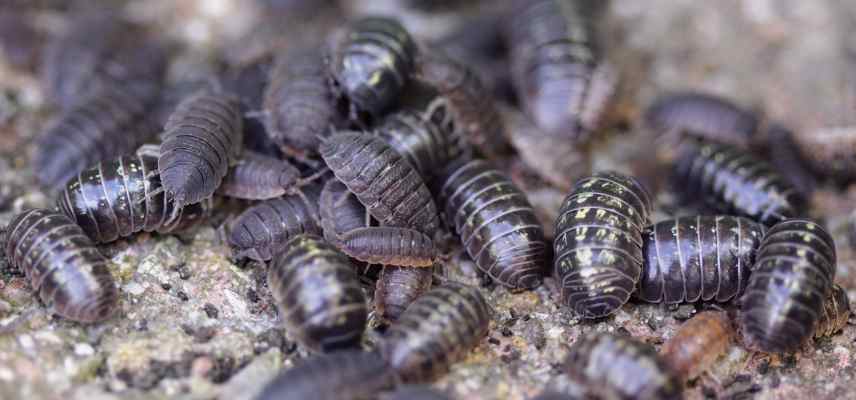
A proliferation of woodlice often indicates a very damp area
Solutions :
- Reducing excessive humidity : one of the first measures to take is to control humidity in affected areas. Ensure drainage is sufficient in pots and planters, and avoid over-watering plants. Reducing humidity around seedlings can help prevent infestations.
- Moving organic debris away from fragile plants : if you are growing seedlings or cuttings, try to minimise the amount of decomposing organic matter directly around these plants. Use dry mulch or straw, which are less attractive to woodlice.
- Encouraging natural predators : encourage the presence of natural predators such as birds, toads and certain predatory insects, which naturally regulate woodlouse populations.
Frequently asked questions
-
Are woodlice harmful to my plants?
Woodlice are generally harmless to healthy plants. Their diet consists mainly of decomposing organic matter, such as dead leaves and plant debris. They prefer these sources of dead organic matter to living plants. However, in specific situations, such as when woodlouse populations are very high or when plants are young and fragile, woodlice may sometimes nibble at the roots or tender stems. To prevent this, ensure that your young plants are not in direct contact with the soil or decomposing organic matter. -
How can I control woodlice populations in my garden?
To manage woodlice populations, start by controlling excess moisture, as they thrive in damp environments. Make sure soil drains well and avoid over-watering. Reduce the amount of organic debris in direct contact with your delicate plants, and use simple traps such as pieces of potato or melon rind to attract and remove excess woodlice. Also encourage natural predators, such as birds and toads, which help to regulate their populations. -
Can woodlice get into my home?
It is rare for woodlice to invade houses, but it can happen, especially if the environment is damp and organic matter is present near the foundations. Woodlice do not survive indoors for long, as they need moisture and organic matter to feed on. If you find woodlice in your home, it usually suffices to reduce indoor humidity (often easier said than done!) and to seal potential entry points, such as cracks in walls or openings around doors and windows. -
Are woodlice a sign of problems in my garden?
The presence of woodlice in your garden is generally a good sign, indicating that the soil is rich in organic matter and healthy. Woodlice play a crucial role in decomposing organic debris, which improves soil fertility and structure. However, if you notice an excessive population of woodlice, this may indicate moisture levels that are too high or an excess of organic matter in decomposition. In that case, adjust your garden management practices, such as drainage and soil aeration. -
Do woodlice pose risks to human health?
Woodlice pose no risk to human health. They do not bite, do not sting, and do not transmit diseases. They are completely harmless and can even be handled safely. Their presence in the garden or around the house is a sign of biodiversity and a healthy environment.
- Subscribe!
- Contents
Comments