





























It's easier than you think to fail at sowing your vegetable or flower seeds; even the best among us are caught off guard each year. Follow our tips, and soon you'll be able to boast about successfully failing your sowing!
Lesson No. 1: to fail at sowing, sow anytime!
Sowing experts will tell you: if there is a sowing calendar for each variety of vegetable and ornamental plants, it's for a reason! Indeed, each seed has an appropriate sowing period that spans several weeks. Seed purists take into account the right temperature and humidity levels of the air and substrate, as well as an optimal duration of sunlight. But if you don't want to bother with all these quirky parameters or waste time inspecting each seed packet, jotting down notes on your calendar to avoid missing the boat... you might as well follow your whims or trust your instincts. So, sow your seeds at any time: during a heatwave, when it's freezing, or even out of season. That way, you'll be sure to fail at your sowing.
- Make an early sowing indoors in a heated environment! You'll have the chance to see your young plantlets stretch their stems excessively due to a lack of light. As a good Samaritan, you'll have to embark on a rescue operation, but don't expect a miracle. Moreover, by sowing very early, you'll end up with a multitude of pots and containers in the house that you won't be able to plant in the garden because it's still too cold outside. Don't pay attention to your climate zone! If sowing directly in the ground, be prepared for the likelihood that you will never see any shoots emerge.
- Make a late sowing: this will impact production or flowering. For example, if you don't like peas, sow them in summer. It won't yield anything, and you'll have a good excuse not to eat them. Or, sow tomatoes in July, and you can be sure you won't harvest any before the cold returns in autumn. Finally, some salads should be sown early in spring, as they will bolt to flower and seed as soon as it gets warm.
You understand, ignoring the sowing calendar is almost guaranteed failure!
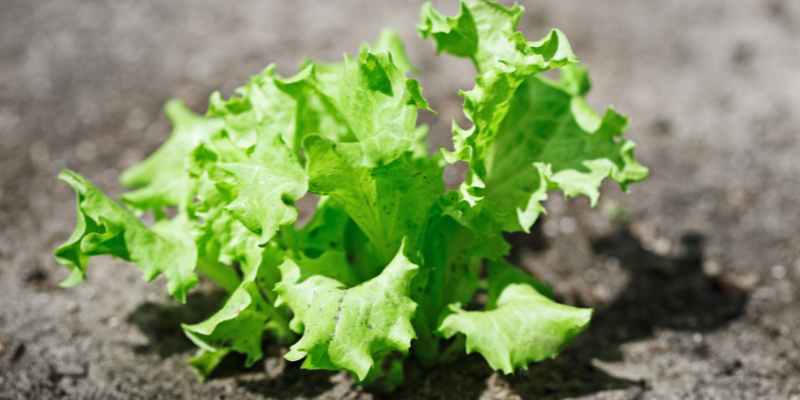
Lesson No. 2: to fail at sowing, sow anyhow!
There are several techniques that those who succeed at sowing will recommend: broadcasting, sowing in rows, in clusters... while respecting a certain depth according to the size of the seeds (this is indicated on the seed packets). Each of these methods is better suited to the type of seeds: in clusters in pots for larger seeds, spaced in rows in a seed tray... But if you have a rebellious spirit, just sow a seed here, another there, or empty your packet entirely, leaving it to chance; that will be good enough. Here are some tips to ensure you fail at your sowing:
- For temperamental seeds with unpredictable germination, sow only one seed per pot instead of 2 to 5 seeds to save money. "Less is more"; if the seed doesn't germinate, so be it.
- For small seeds, the most sadistic will put a thick layer of compost on top. The young plantlets will never see the light and will die before reaching the surface. For example, sow carrot seeds in a lovely trench of 30 cm; their roots grow deep after all!
- If you're competitive by nature, sow thickly! You'll enjoy watching your plantlets compete for light and nutrients. These young plants will either shoot up on spindly stems (this is called "bolting") or, conversely, stagnate. They will die if you don't intervene with thinning, which will be complicated due to the number of plantlets. Do you know the saying: "He who sows thickly, reaps sparingly"?
- Forget to soak certain seeds (parsley, sweet peas, cobaea...) overnight in room temperature water; after all, they don't know how to swim!
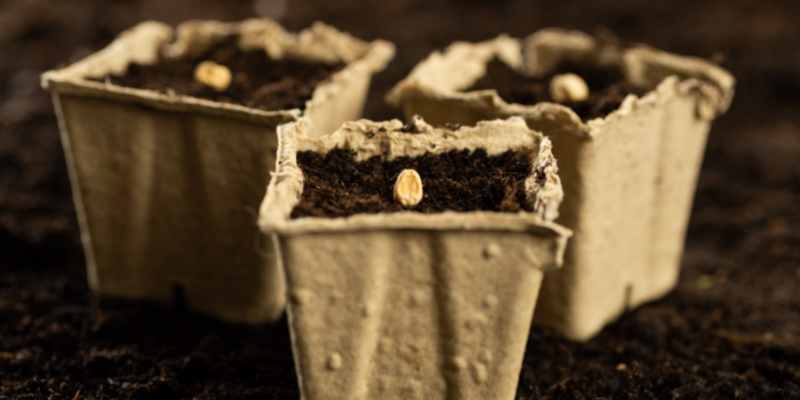
Lesson No. 3: to fail at sowing, ignore the temperature!
Gardening manuals tell us that a minimum temperature, depending on the type of seed, is necessary to start the germination phase. Radishes and salads germinate well between 5 and 10°C, while tomatoes, aubergines, and peppers need an ideal temperature of 20°C to germinate. In summary, if it's too cold, nothing will happen. At best, the seed will take longer to germinate. But often, it will rot in that cold, damp soil. So no bottom heat: no germination. To fail spectacularly at your sowing:
- Sow your sun-loving vegetables in an unheated greenhouse in February,
- Sowing needs warmth, so sow and place your seed tray directly on the radiator. Guaranteed overheating!
- It's a beautiful day and the sun is shining; place your sowings outside in full sun without any acclimatisation period. You'll get to admire some lovely sunburn on your plantlets.
- Don't open the frames! No need to ventilate; your sowings might catch a chill.
- It's spring... go for it! Sow directly in the ground, especially if you have heavy, clay soil that warms up slowly in spring.
- Here's a gift: transplant your vegetable plants before the Ice Saints; there's a good chance they'll be fried by the frost.
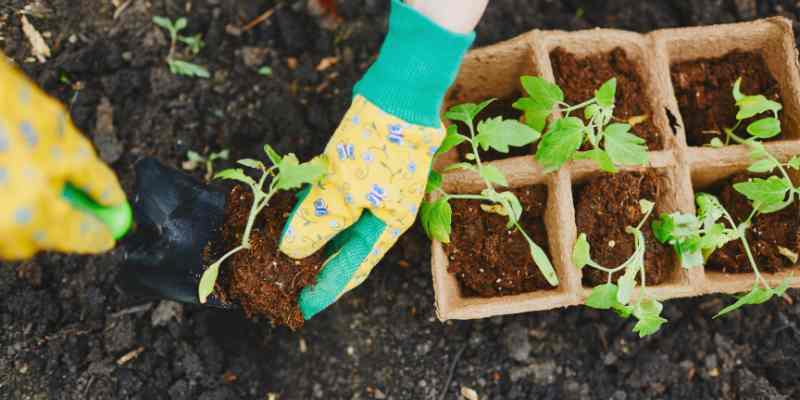
Lesson No. 4: to fail at sowing, either let them dry out or drown them!
This is probably where the difficulty of sowing lies, especially indoors: managing moisture. Young plantlets have very specific water needs: not too much, but enough for their survival. Watering pros soak the bottoms of their trays and pots in a basin of water or use a spray bottle. In the garden, they water with a fine spray using a watering can. To ensure they meet their demise without further ado:
- Forget your sowings in a corner; the substrate will dry out quickly, the seeds won't germinate, and if some dare to poke through a cotyledon, they will be finished off later;
- Or, give them the mephitic atmosphere of a putrid swamp; it will be a breeding ground for fungal diseases like damping off.
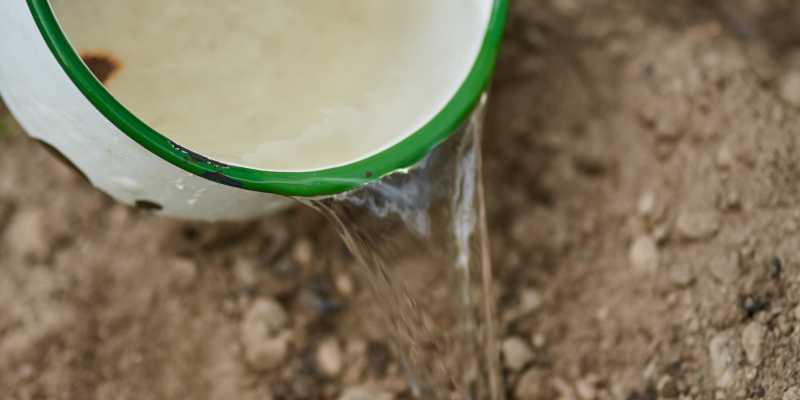
Lesson No. 5: to fail at sowing, use the wrong substrate!
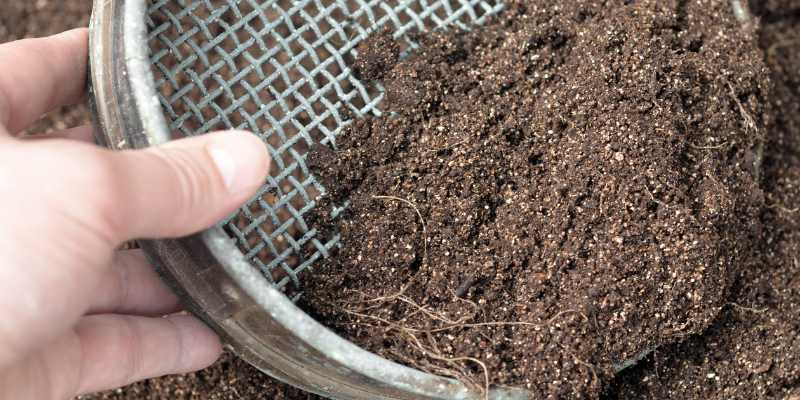
The most suitable substrate for good germination and excellent growth of young plantlets should be fine and very well-drained. It must allow gases and water to pass through easily. The "special sowing and cutting compost" is obviously the best solution. In the ground, for the finest seeds (salads, carrots...), meticulous gardeners do not hesitate to create a seedbed with finely crumbled soil, compost, or well-matured compost. To fail at your sowing indoors:
- Nothing beats using an old bag of dry or mouldy compost;
- Or taking heavy garden soil full of stones, poorly drained and teeming with pests.
That way, you can be sure of a result close to nothing.
Lesson No. 6: to fail at sowing, sow in the dark!
Remember? We learn in school, from a young age, that a plant needs light to perform photosynthesis. If you weren't paying enough attention, try this experiment:
- Sow in a dark room; the plantlets will seek out the light and grow... grow... grow... on spindly stems that will quickly break. Sowing will bolt, and this phenomenon is exacerbated indoors due to the heat. You can also observe this when seeds have been sown too thickly.
- No more space at home to store your young sowings? Set them up in the cellar or the darkest room in your house! Besides getting them out of the way, you'll soon forget about them, and the darkness will prevent you from seeing them die.
As a bonus: don't label anything!
Don't forget to note nothing, to label nothing, to avoid any inconveniences later on. This isn't really a method to fail at sowing, but it's nonetheless a fantastic way to mix everything up. Nothing looks more like a young tomato plant than another young tomato plant, but of a different variety.
- Sow freely and forget the labels: you'll have a good laugh later.
- Annotate with ink that washes away at the slightest drop of water! After all, you can surely recognise your young plantlets: no need to fuss.
And if you ever want to succeed at your sowing, read our article: Gardening for beginners: succeed with your first sowing in 7 easy steps

Comments