





























Failing to design a garden can leave even the most skilled among us feeling perplexed. Style, plant selection, decoration... so many factors come into play that sometimes, we don't know where to start or which path to follow. So follow our step-by-step advice to, like some particularly tenacious gardeners, successfully fail at designing your little piece of nature!
Lesson 1: Embrace improvisation!
Meticulous minds first recommend planning the layout of their garden: taking measurements, defining different spaces with their various functions, organising pathways, considering orientation, etc.
To fail at designing your garden, don’t plan too much! Drawing a plan might give you a headache, requires knowing your garden's orientation, in short, it makes you think instead of act! When the urge strikes, rush out to buy plants, grab your spade, and plant without overthinking. The layout of the flowerbeds will happen naturally, as you progress. If you decide to install a few trees, follow the advice in our excellent article on how to fail at planting your trees in 5 lessons. And if you fancy flowers of all kinds, discover how to fail at planting your perennials in 6 lessons. You’ll see, it’s very easy!
Lesson 2: Mix styles
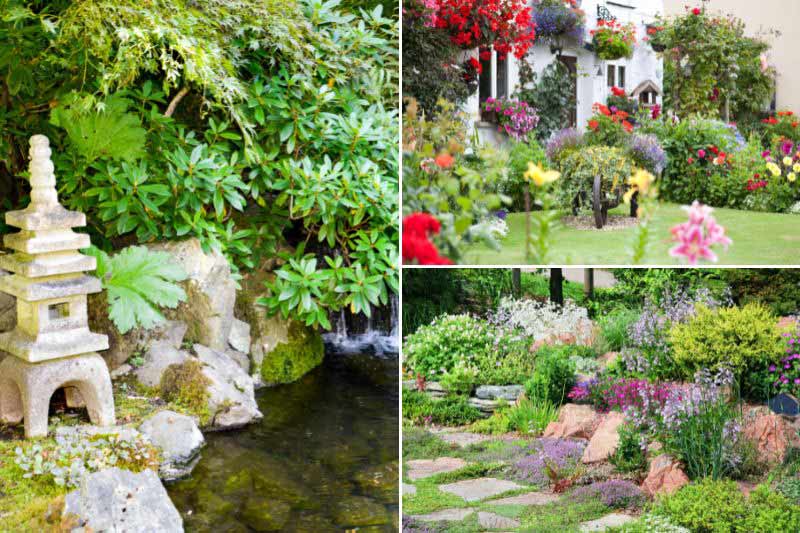
The best landscapers advocate choosing a style for the garden, which should also be in harmony with the architectural style of the house. They might even say that a small Norman cottage in the middle of a Japanese garden would verge on bad taste!
But why choose between the English garden with its abundant mixed borders, the zen atmosphere of Japanese gardens, rockeries showcasing plants and stones, and the flowerbeds reminiscent of those from your grandmother, so vibrant and colourful? To fail beautifully at your garden, don’t hesitate: mix the atmospheres, even within the same flowerbed! Your eye will never get bored, and your neighbours will envy your creativity!
Lesson 3: Trust your instinct for plant selection and placement
Experts will tell you that you need to "organise" the plantings: the largest specimens at the back, the medium ones in the middle, and the smallest plants at the front. You might also read that evergreen plants help "structure" the space, punctuating the garden, and that you should play with volumes and textures.
To properly fail at your garden, choose plants that you like: all are welcome in your garden, big or small, evergreen or not, let’s not be picky! As a result, your lovingly planted hedge might consist of bushes - certainly very colourful - but all deciduous, and your neighbours always have an eye on your garden? No matter: lay down a plastic weed barrier, it will stay green all year round. Some artificial hedges even mimic foliage very well, so don’t bother.
Lesson 4: Choose plants without worrying about your region's climate or soil type
Yes, we sometimes stray into urging you to adapt the plants in your garden to your local climate or soil type... We even developed an app called Plantfit, allowing wise gardeners to meet a whole range of criteria for "suitable planting". What an idea!
Why couldn’t this lovely Bougainvillea be planted in your little garden in Haute-Savoie? It would remind you of your holidays in the South! And why couldn’t these magnificent rhododendrons find a place in your second home garden in Bormes-les-Mimosas, next to the palm tree planted last summer by the terrace? Again, the idea is to please yourself; if the plants don’t survive, you can always replace them.

Lesson 5: Simplify your planting
Timing and planting distances, hole sizes, adding organic matter, drainage, watering, staking... so many parameters are considered by the gardening purists at the time of planting.
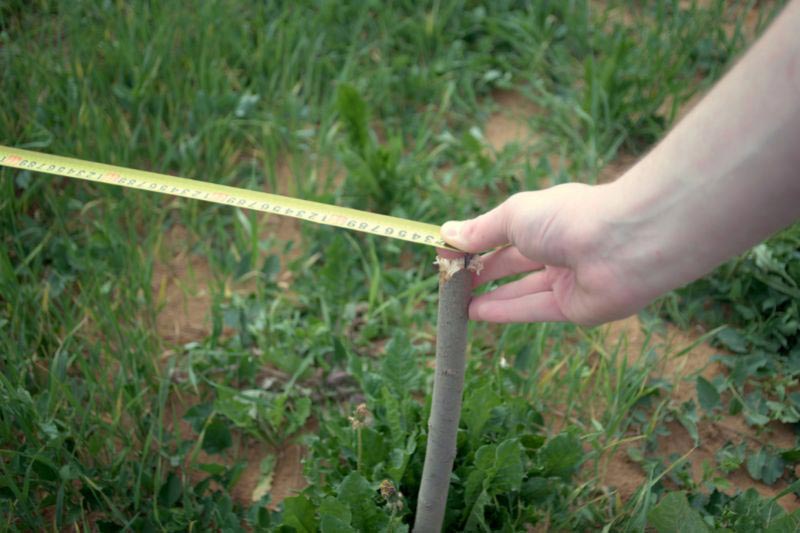
The best time for your plantings to be doomed to failure is whenever you choose, and good for you if you prefer to enjoy those lovely summer days to do it! As often happens at this time, the soil may be hard and dry: don’t hesitate to grab a pickaxe. Make a hole for each plant while conserving your energy and install them. If the hole isn’t big enough, you can force it a bit or cut part of the root ball. What’s underground won’t be seen in the end, and the main thing is that you are satisfied with the composition. Water with the equivalent of a glass of water and don’t bother with a stake; if the tree leans a bit later, it will add character.

Lesson 6: Don’t over-finesse the details
The saying goes: "the devil is in the details." So yes, we take care when laying the new tiles in the bathroom because we see them every day, and overly perfectionist gardeners apply the same attention to detail to their outdoor spaces, thinking that the elements structuring the garden must be well cared for.
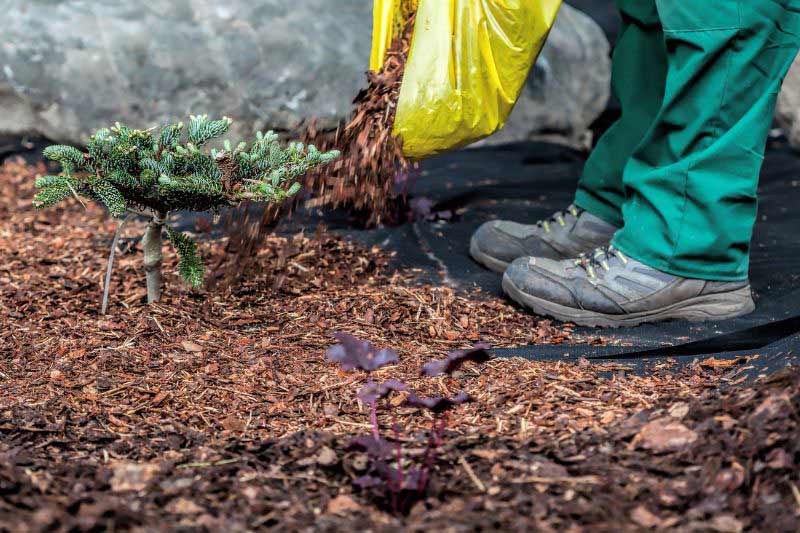
Tell yourself that to beautifully fail at what you’ve undertaken, things can remain "as they are" and a few small imperfections will enhance the overall result! The beautiful coloured gravel in your latest flowerbed doesn’t completely hide the green tarp laid underneath? From the terrace, it will hardly be noticeable! Some fence posts aren’t completely level? The bushes will grow, and soon it won’t be visible (unless they all die...). In short, there’s no need to nitpick. If the wires holding your tree to the stake aren’t particularly aesthetic, you really have to look closely to see them.
Lesson 7: Fountains, statues, and decorations of all kinds... Treat yourself!
Life is short, and the important thing is to enjoy it and treat yourself! In the garden, put this saying into practice, make your green oasis a place that reflects you, and forget the grumpy ones who will tell you that the most beautiful gardens are also the simplest.
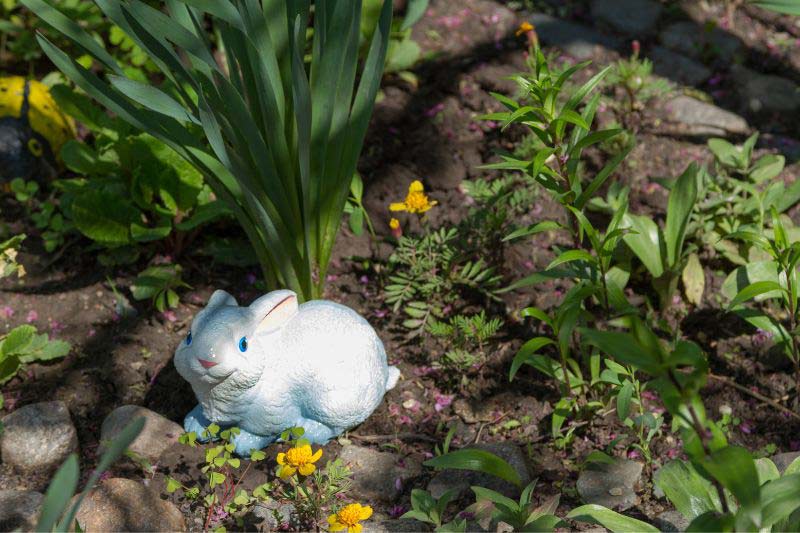
A set of fabulous garden gnomes is at an unbeatable price during the sales? Why not splurge and scatter them around the garden to make it more attractive for your guests? A little romantic fountain is calling your name, and you can picture it on your terrace next to the recently installed Buddha head? It’s the perfect opportunity to create a unique and relaxing atmosphere! In short, don’t hesitate on the decoration, the little extra of your piece of nature, what will definitely set it apart from other gardens...


Comments