





























Lately, it has been raining across much of France. It is raining so much that several departments are on red alert. We won't be going to the swimming pool; the swimming pool will come to us.
Faced with these floods, some curse the sky. I, however, mainly curse the land: the removal of hedges and banks, poor agricultural practices, soil sealing... This is the winning trio for creating erosion, mudslides, and especially, floods.
While we unfortunately cannot do much against these violent climatic phenomena, we can all, at the scale of our garden, contribute to better management of rainwater. Here are some examples of actions.
1) Collecting rainwater
Collecting rainwater is generally presented as a good way to water for free. It’s smarter than relying on mains water. However, this practice is also beneficial against flooding. Indeed, the collected water is stored temporarily and does not enter the already saturated drainage system during heavy rains. For this solution to be effective (constantly full tanks are of no use), this water must then be gradually released into the garden. Did you know that this process is used in some cities where tanks are integrated into the roadways?
To collect rainwater, the use of above-ground tanks is the most common solution. These 1000-litre tanks may not be very aesthetic, but you can easily disguise them with climbing plants, for example.
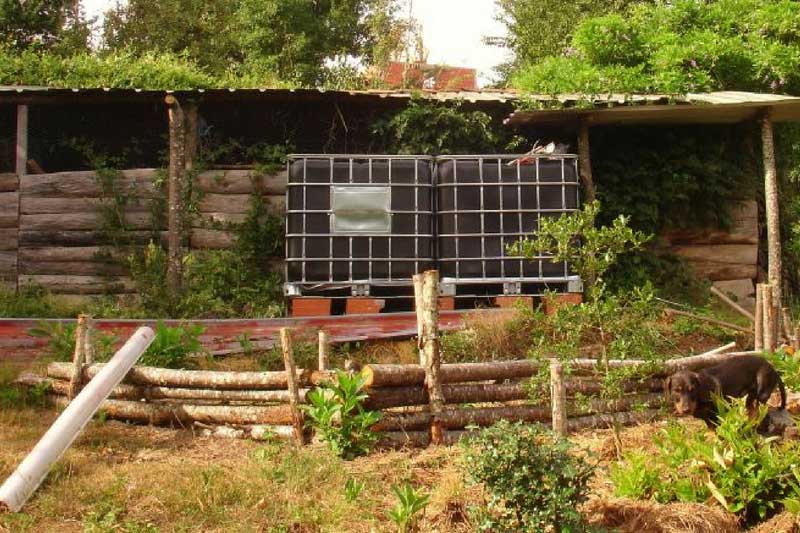
Water collection: 1000-litre tanks are practical but sometimes unsightly - Photo Flickr
An underground tank is certainly more discreet. It is also more expensive, but it has the advantage of holding much more (3000, 5000 litres...). To calculate the necessary volume, you first need to calculate the recoverable rainwater volume. This is generally done using the following calculation:
average annual precipitation volume, in litres per m²
(1 mm of rain equals 1 litre per m²)
x the roof areax a coefficient of evaporation
of 0.8 for a sloped roof and 0.6 for a flat roof
Example for Bordeaux with a flat roof of 80 m² => average annual precipitation 931 mm = (931 x 80) x 0.6 = 44688 / 1000 = 44 m3 per year
2) Renouncing asphalt in favour of a draining surface
Fortunately, asphalt is very rarely found in gardens… but it is frequently seen in courtyards and parking areas. It’s "clean" and requires no maintenance. It is also very impermeable: the soil is deprived of an infiltration surface and water runs off.
Several alternatives that allow water to penetrate exist for homeowners: gravel laid on a suitable alveolate support like Alvésostar®, a draining surface like Stardraine®, both environmentally friendly surfaces distributed by Daniel Moquet, as well as grass joint pavers. These pavers, suitable for vehicles, are either hollow or solid and are laid with spacers. The gaps are then filled with grass or any other walkable groundcover of your choice.
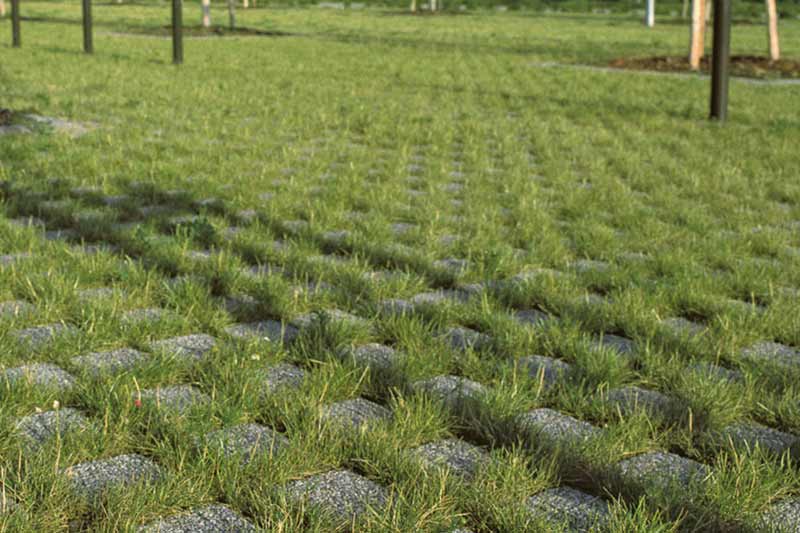
If you are looking for an even more economical solution, why not consider a soil-stone mix (40% topsoil + 60% gravel sized 20 - 40)? Once grassed over, this type of draining surface is visually pleasing and requires little maintenance.
3) Greening roofs
Green roofs are aesthetically pleasing and also ecological: in buildings, they are excellent thermal and acoustic insulators. In large cities, they also act as air conditioners. Their benefit also lies in their ability to temporarily retain water and to partially compensate for the artificialisation caused by building occupation. For homes, we recommend hiring a professional, but in the garden, it’s an easy technique to implement on a shed, chicken coop, children’s playhouse, etc. A PVC tarp or a piece of EPDM, a geotextile felt, potting soil or soil mixed with pumice, and you’re all set! All that’s left is to plant sedums or any other plant suited to your climate.
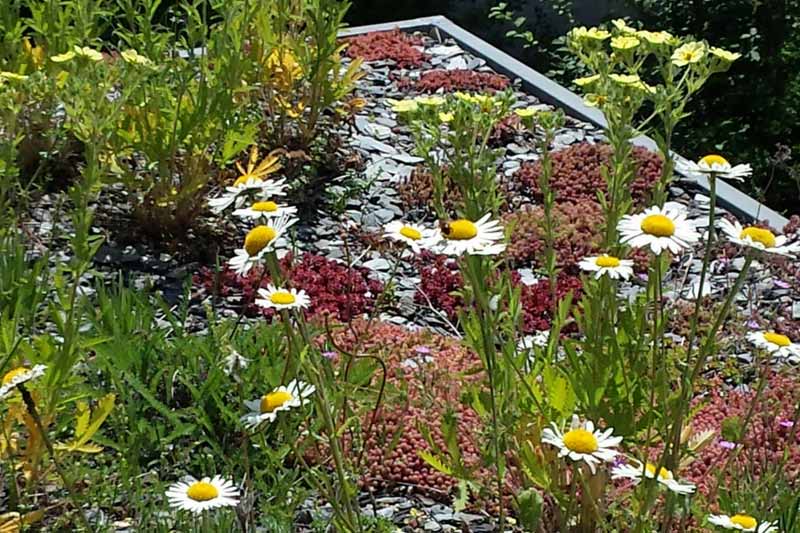 Green roof - Source: Wikipedia
4) Planting and replanting hedges, preferably on a bank
It is proven that the flattening of banks and the disappearance of hedges have amplified the damage caused by heavy rainfall.
Indeed, banks, when oriented perpendicularly to a slope, help protect against runoff and thus protect the soil from erosion. Hedges form physical barriers that slow down water, they also stabilise the soil and act as true "pumps" that promote water infiltration. To prevent flooding, but also for biodiversity, we cannot stress enough, plant hedges!
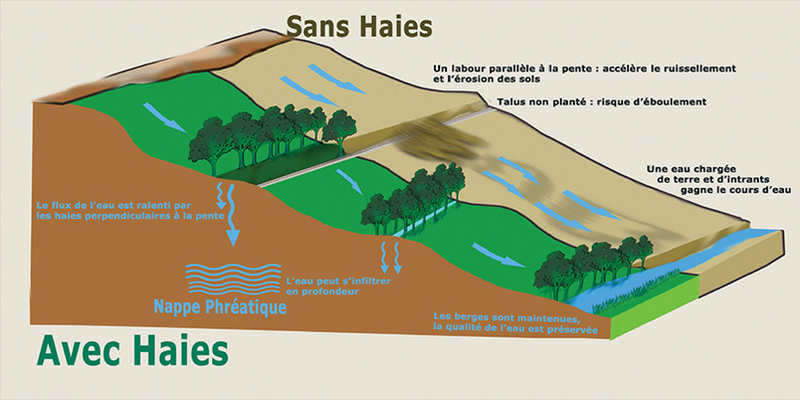 The usefulness of bocage hedges - Source: Breizh bocage Fougères
5) Collecting and taming water: ponds, swales, and infiltration gardens
If water is frightening, it is due to its force and uncontrollable nature. Channeling and containing it is part of the measures that allow us to tame it. On a large scale, roadside ditches, swales (wide, shallow, grassed or planted ditches) in eco-neighbourhoods, and retention basins play this role. You may not notice it, but they reduce the impact of torrential rains.
On a garden scale, why not dig a pond that can hold some of the rainwater? Does that seem like too big a project? Then consider a rain garden: the size of a large flowerbed, these gardens serve the same purpose as swales. They collect and absorb rainwater from the roof. Unlike a pond, the water is not meant to stagnate, but to evaporate. Instead of a tarp, a thick layer of a porous, draining material like sand or pumice is used. These infiltration gardens are planted with plants that can withstand both immersion and temporary lack of water, such as eupatoriums, lythrum, filipendula…
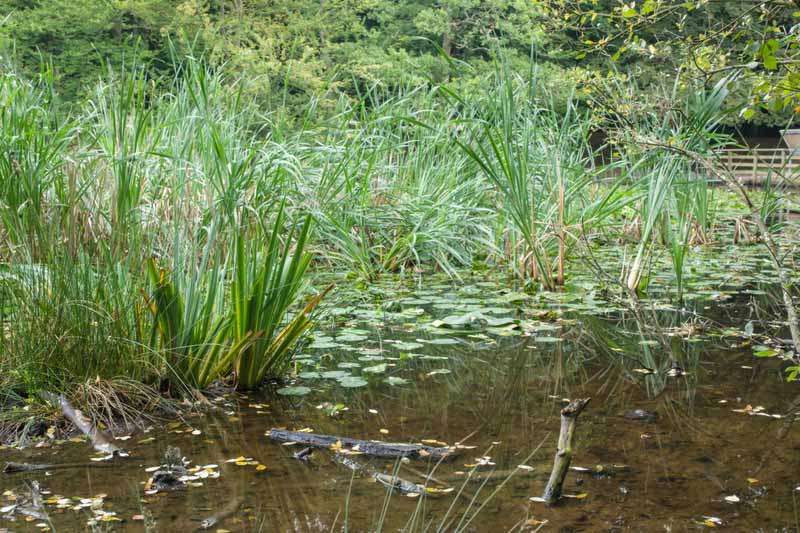 Natural pond
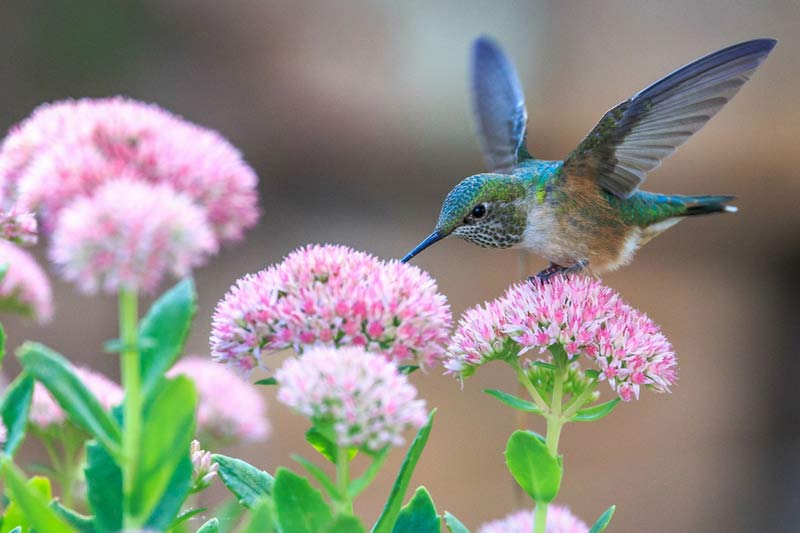
If you find yourself in waterlogged conditions and, moreover, live surrounded by vast asphalt parking lots or extensive monoculture fields, these measures may seem trivial to you… So, remember the legend of the hummingbird told by Pierre Rabhi:
"One day, there was a massive forest fire. All the animals, terrified and dismayed, watched helplessly as the disaster unfolded. Only the little hummingbird was busy, fetching a few drops with its beak to throw on the fire. After a while, the armadillo, annoyed by this futile activity, said to it: 'Hummingbird! Are you crazy? You won't put out the fire with those drops of water!'
And the hummingbird replied: 'I know, but I’m doing my part.'
To go further:
to read on the subject: Gardens and Rain, Sustainable Management of Rainwater in Gardens and Green Spaces - Nigel Dunnett, Andy Clayden - Editions du Rouergue

Comments