


Summer droughts, once sporadic, are now commonplace in France and Belgium (and in much of the rest of the world). There is considerable concern about the survival of our plants in gardens as well as in nature. However, it is quickly forgotten that pollination, which ensures the longevity of plants through sexual reproduction and enables fruit and vegetable production, is directly impacted by high temperatures and lack of water. What are the actual detrimental effects of severe droughts on pollination experienced in recent years? Scientific research is currently underway to uncover this.
Pollination via insects: a win-win contract
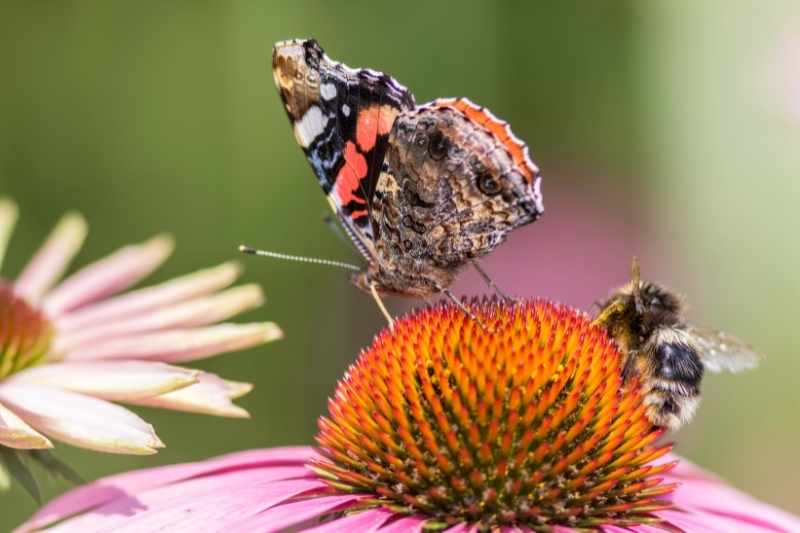
As the saying goes: "nature is well made!" A pollinating insect (bees, bumblebees, wasps, hoverflies and other dipterans, butterflies, certain beetles...) visits a flower. It finds nectar and pollen that will nourish it or feed its offspring, while the pollen attached to the insect moves from one flower to another as it forages. The pollen from one flower then meets the pistil of another flower of the same species and, bingo!, the flower is fertilised: the production of fruits or seeds can then begin. In short, everyone benefits! Both the insect and the plant.
As a reminder, pollinating insects have co-evolved with flowering plants. This means that plants have evolved to attract and facilitate visits from pollinating insects, while insects have evolved to have the appropriate morphology to collect nectar and pollen from these flowers. Moreover, some plants can only be fertilised by a single species of insect: if the insect disappears, the plant can no longer reproduce and will also disappear; if the plant is no longer present, the insect will not be able to feed and will also vanish.
Just to clarify: we are only discussing insect pollination, known as entomogamous or entomophilous. Other types of pollination exist: pollination by birds or bats, by wind (anemogamy) or by water (hydrogamy).
A widespread concern: research is ongoing
Scientists, including Charlotte Descamps (a PhD student at the Earth and Life Institute of UCLouvain), have been working for years to understand the impact that drought could have on pollination. To do this, they have chosen several model plants, such as borage (Borrago officinalis), and placed them in growth chambers under controlled conditions: different temperatures (21, 24, and 27 °C) and varying water supplies (watered or not at all). The idea is to recreate the conditions that the plant might experience in real cultivation. Several conclusions have already been drawn.
What are the consequences of drought on flowers?
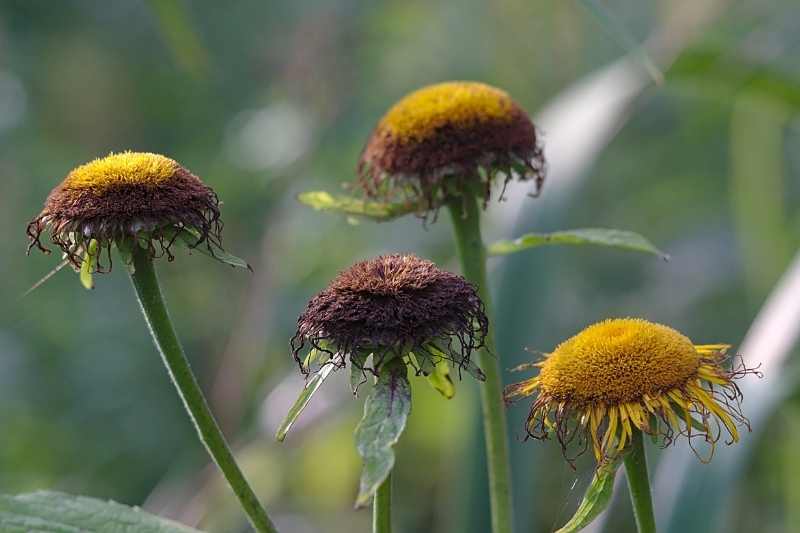
- Decrease in the number of flowers: we, as simple gardeners, are already noticing this in our gardens. When it is very dry, the number of flowers in ornamental gardens as well as in vegetable gardens or orchards decreases. Moreover, the scant flowering is very fugacious. As soon as we turn our backs, the flower wilts;
- The morphology of flowers changes: this is the most surprising aspect; during drought episodes, flowers change. Some petals disappear, flowers become smaller... All of this could lead to the insect's inability to visit the plant;
- Reduced attractiveness of the flower for the insect: according to a study from Marseille, if it is too dry, the flower may exhibit changes in its usual scents. This can result in the insect suddenly losing interest in a flower it usually forages on;
- Reduction in nectar and pollen production: nectar is less abundant, making the flower less attractive to pollinators. Furthermore, pollen is produced in smaller quantities, which significantly reduces pollination.
- What about the quality of nectar and pollen?: research is still ongoing to determine whether the quality of nectar and pollen, and thus the attractiveness of flowers to insects, remains stable or decreases during drought episodes. Stay tuned...
And what about the insects?
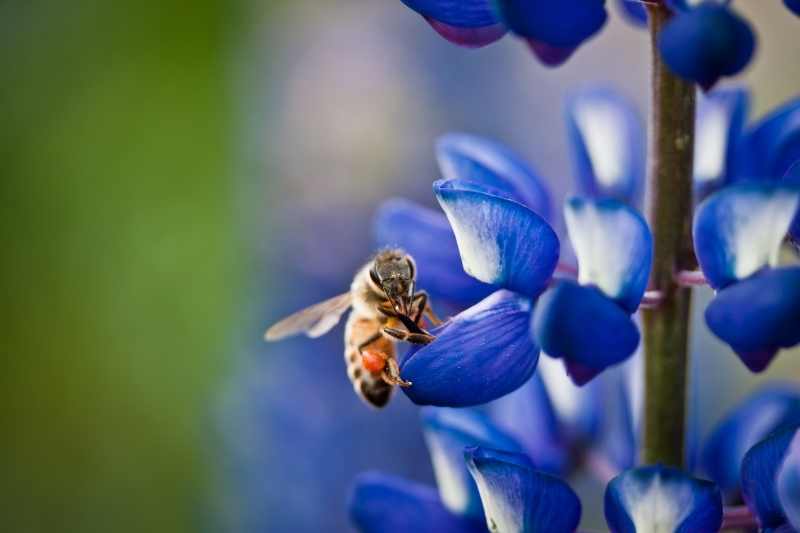
Insect populations have been suffering for decades for various reasons: use of pesticides, reduction of habitat and food sources, decline in floral biodiversity... and of course climate change. During high temperatures and drought episodes, insects are thirsty and can no longer move or feed normally. In short, drought impacts both parties in entomophilous pollination: the plant and the insect. Obviously, this could have serious repercussions in the medium term on certain food productions and risk causing famines, even in our regions. Even though, in some countries, producers are already turning to manual pollination or using nanorobots...

Comments