





























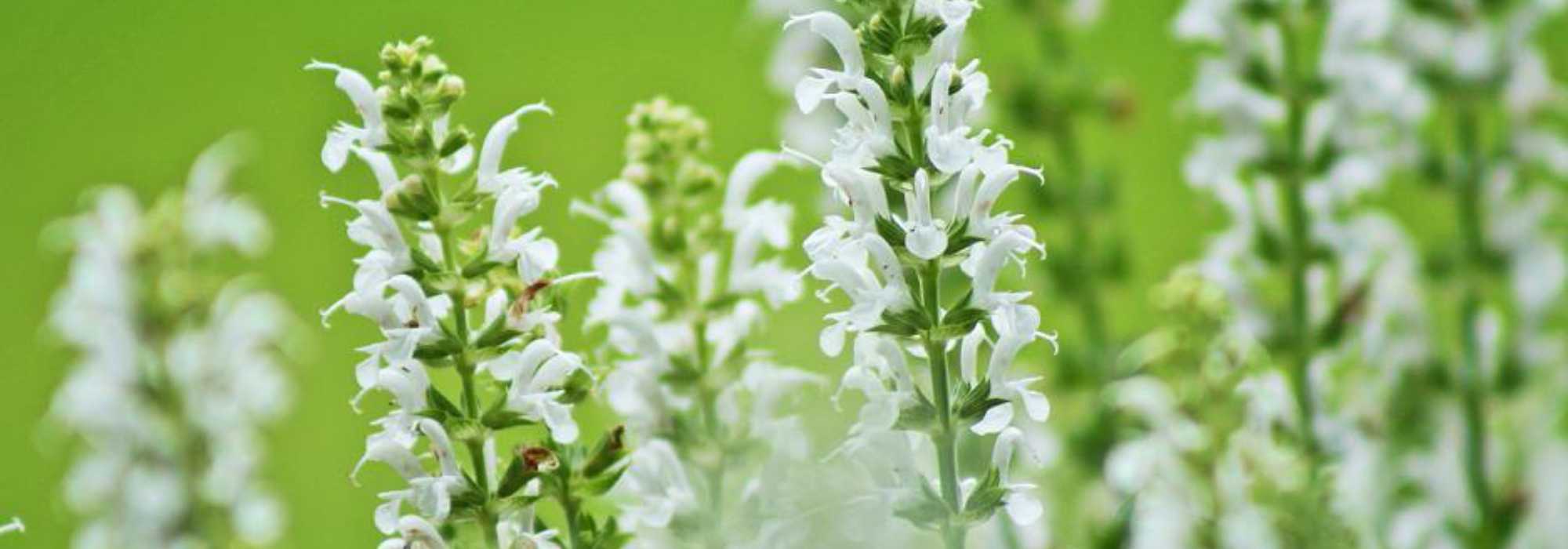
7 white-flowering salvias
Our selection for adorning flower beds, borders and rockeries
Contents
If there is a genus rich in a multitude of species, it is the genus Salvia. Indeed, salvias are rich in more than 900 different species, herbaceous perennials, annuals or shrubs, which all have real horticultural interest. All these species share their quadrangular stems, and their decussate leaves (opposed in cross). As for the corollas of their inflorescences, with a very pronounced upper lip, they rise well above the calyx. Very melliferous, the salvias’ flowers attract swarms of pollinating insects. Beyond these physical characteristics, salvias share the same cultural needs: they require a very sunny location and light, well-drained soil that tends to be calcareous. Poor, sandy or stony soils do not deter salvias.
If you appreciate the genus Salvia for their generous and enduring flowering, I invite you to discover our selection of seven white-flowering salvias that will add presence to your beds, borders and rock gardens.
For more information: Sage: planting, pruning and care.

Common sage 'Albiflora'
Obviously, common sage (Salvia officinalis) is well known for its foliage, used to make herbal teas with digestive properties. Also used in herbal medicine or cooking for the aromatic and medicinal virtues of its leaves, common sage is nevertheless a very decorative undershrub. Indeed, this foliage, narrowly lanceolate, and traversed by a network of veins that gives it a rough and velvety appearance, displays a pretty blue-green colour on the upper surface and pale green on the underside.
But what makes the specificity of Salvia officinalis ‘Albiflora’ is its flowers in spikes or false verticils that open from May. This sage has the peculiarity of offering white flowers, surrounded by a velvety-looking, sheathing calyx in a gorgeous light green. ‘Albiflora’ may also bear stems and leaves slightly suffused with purple.

The common sage ‘Albiflora’ associated with the red valerian, the yarrow ‘Lachsschnheit’ and the purple foxgloves
How to grow it? : This common sage favours well-drained, deep and dry soils, with a calcareous tendency and enriched with a little potting compost. Full sun is essential. This white-flowered common sage can be planted in the vegetable garden or in an herb square, but with its very delicate white flowering, it can perfectly blend into a cottage-style bed or a rock garden inspired by the countryside among perennials or annuals such as cosmos, foxgloves (Digitalis), valerian (Centranthus) or yarrow (Achillea millefolium).
Read also
Sages: which varieties to choose?Wood sages (Salvia nemerosa)
The woodland sage woodland sage (Salvia nemerosa) is characterised by a very dense, bushy habit, formed of tall, ramified and compact tufts. The foliage develops from a prostrate rosette. It is highly aromatic when crushed, ovate, with dentate margins and rather dark green. As for the spike flowers, they appear from May–June and persist until August. The inflorescences take the form of terminal clusters bearing numerous small flowers with green bracts. Very nectariferous and melliferous, these flowers are a favourite with bees, butterflies and other pollinating insects. This sage is very hardy (to temperatures below -20°C) and its rootstock resists the cold. It is particularly easy to grow and requires no maintenance.
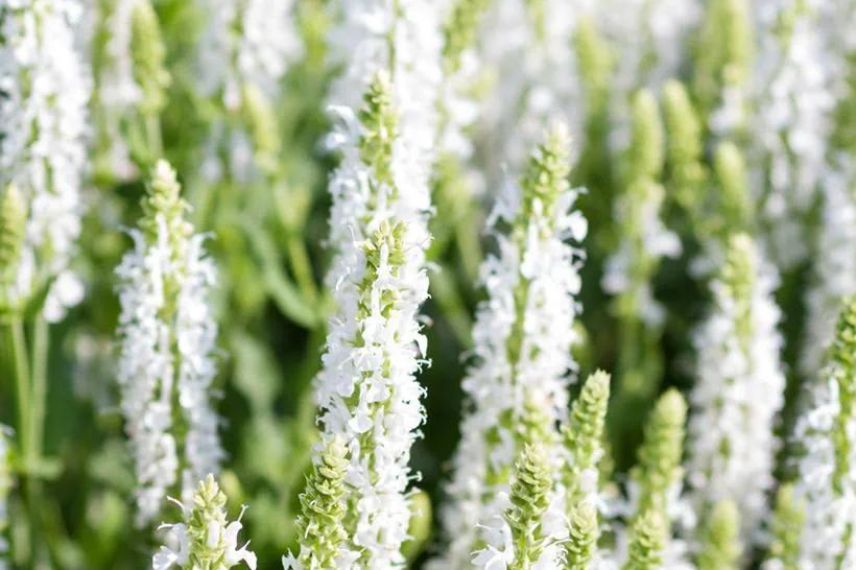
Woodland sage ‘Salute White’
For those with a penchant for white flowering, several varieties are available to choose from:
- Salvia nemerosa ‘Bumblesnow’ which hardly exceeds 30–40 cm in height and 30–40 cm in width
- Salvia nemerosa ‘Schneehügel’ tall to at least 50 cm
- Salvia nemerosa ‘Salute White’ with flowers of a very pure white
- Salvia nemerosa ‘Sensation White’ which forms clumps wider than they are tall.
How to grow it? : Woodland sages that flower white can tolerate slightly cooler soils than other sages, but always well-drained. Conversely, they tolerate temporary drought. They will need a sunny position. These white-flowering woodland sages will thrive at the edge of a border in company with coreopsis, Hardy geranium Endressii, avens (Geum) ‘Bell Bank’ or Nepetas.
Shrubby sage (Salvia greggii) 'Alba'
The shrubby sage (Salvia greggii) ‘Alba’, also known as the Texas white sage, is ideal for flowering gardens in summer. Indeed, its pure white flowers open in profusion in May–June, then take a summer pause before flowering again from August to October–November depending on climate.
Ephemeral, these flowers open in the morning and fade by the evening, but the flowering continues to renew itself. They are perched on long stems that rise from the foliage.
This shrub sage forms a compact, highly ramified tuft with a bushy, spreading habit, about 50 cm high and wide. The leaves are very slender, relatively thick, and aromatic when crushed. It is an evergreen sage that is hardy down to -15°C.
How to grow it? : It thrives in ordinary soil that tends to be calcareous, perfectly drained and fairly light. It tolerates poor soils, but will need full sun. The lightness of its flowering will be wonderful in a border or rock garden with spring bulbs such as late-blooming narcissi, and Aubrietas (Aubrieta).
You can also pair it with Sedum Herbstfreude or Autumn Joy, shrubby potentilla (Potentilla fruticosa) ‘Pink Paradise’, or with giant autumn asters (Aster laevis).
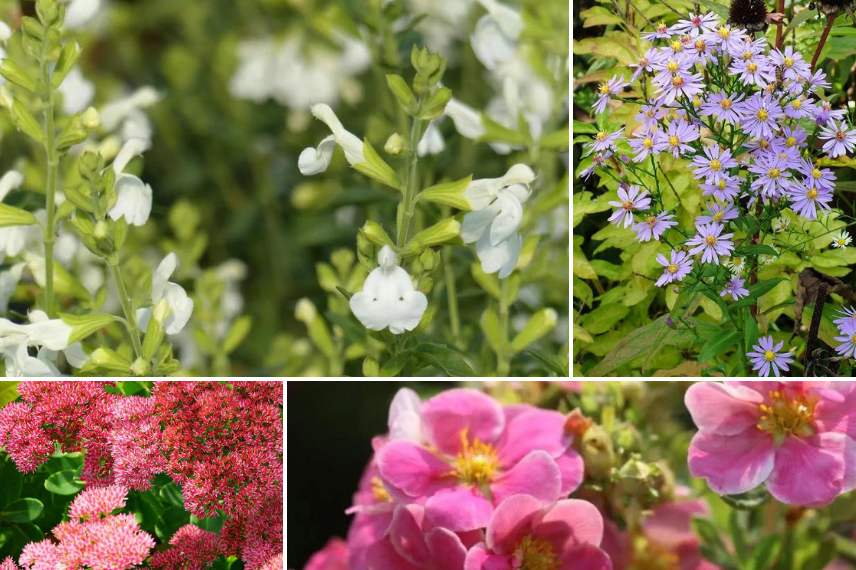
The shrub sage Alba associated with giant autumn asters, to the Sedum ‘Herbstfreude’ and to the potentilla ‘Pink Paradise’
Meadow sage (Salvia pratensis) 'Swan Lake'
Native to meadows, the meadow sage (Salvia pratensis) ‘Swan Lake’ is very easy to grow and to thrive. From late May to early June and through August, in successive waves, it bears pure white bilabiate flowers arranged in branched spikes. Perched on stems about 50 cm tall, these inflorescences delight nectar-foraging insects and pollinators. They bring real lightness to borders, rockeries, slopes or edging where they bloom.
This meadow sage with white flowering forms a beautiful clump, about 50 cm tall and spreading 40–50 cm. Very bushy, it consists of oval to oblong, rough foliage with crenate margins and aromatic when crushed. Deciduous, this foliage disappears in winter, but reappears in spring.
Widely hardy beyond -20°C, drought-tolerant, adaptable to poor soils, it benefits from a very deep root system. It is the ideal candidate for slopes and rockeries where it suppresses the proliferation of adventives.
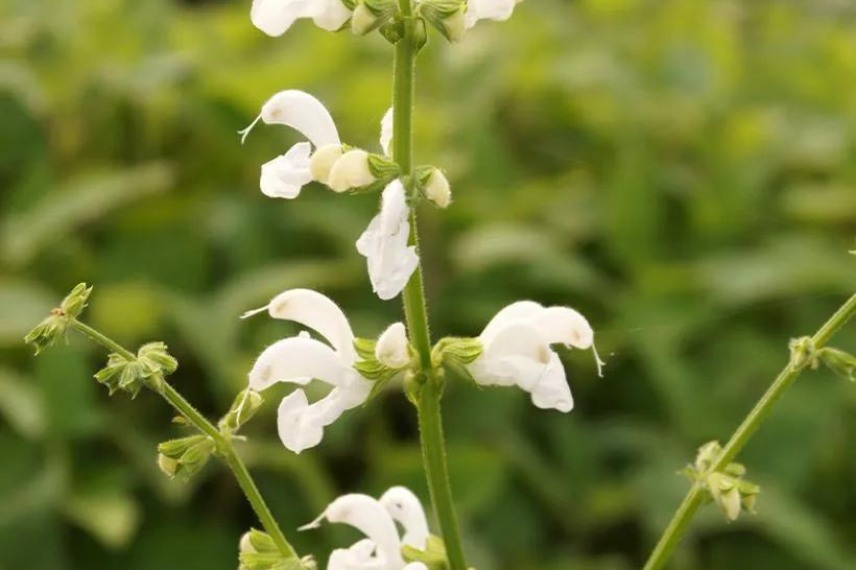
The meadow sage ‘Swan Lake’
How to grow it? : It’s an undemanding sage that grows in ordinary soil, even quite calcareous, poor and stony. The soil should be dry and well-drained. It tolerates full sun without complaint, but can also flower in partial shade. It can be paired with roses, with oxeye daisies (Leucanthemum vulgare), with buttercups (Ranunculus acris) or with royal campion (Silene regia) for a slope with a wild meadow look. It can also thrive alongside lupins.
Clary sage (Salvia sclarea) 'Vatican White'
Clary sage (Salvia sclarea) is a plant native to the Mediterranean basin or Western Asia. It has a very natural growth habit and can reach up to 1 m in height. Its foliage, with a highly aromatic, even heady scent, is used in cooking and traditional medicine. The type variety of Salvia sclarea offers in summer large panicles of pink flowers, particularly melliferous and decorative. It is a biennial that reseeds very well.
The clary sage ‘Vatican White’ (Salvia sclarea) offers, from May to July, beautiful white flowers arranged in branched panicles, surrounded by broad white and green bracts. All parts of the flowers contain small glands rich in essential oil. It is imposing, reaching up to 1 m in height and 50 cm across. Its foliage is thick and pubescent, dark green, and very aromatic.
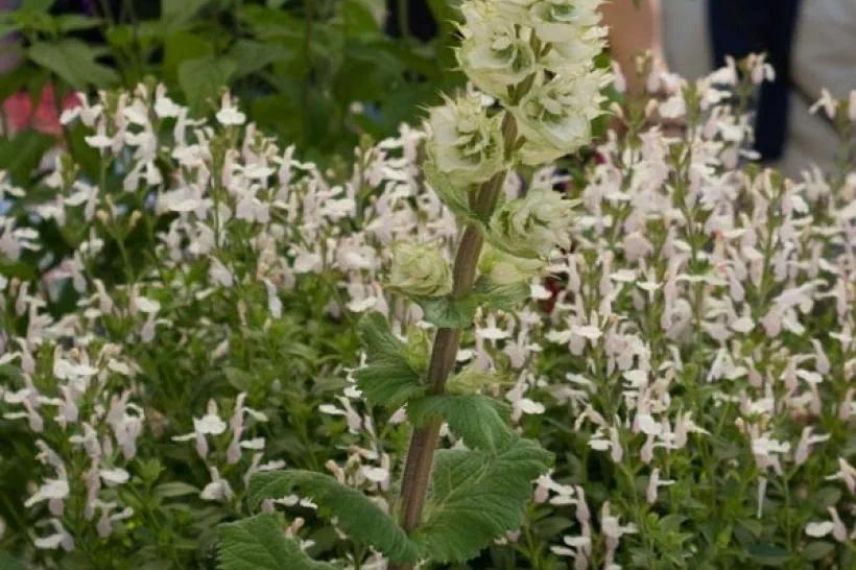
How to grow it? : It requires dry, calcareous, light, and well-drained soil for this clary sage, which loves full sun. However, it can tolerate partial shade. It should be sheltered from winds. It thrives in the company of lavender, rosemary, and Artemisia… It also makes an ideal companion for traditional roses.
California white sage (Salvia apiana)
California white sage (Salvia apiana) is an evergreen perennial that deserves close attention. Indeed it is a very drought-tolerant plant that adapts very well to Mediterranean-style gardens. It is also easily grown in a pot on a balcony or terrace, which allows overwintering in a conservatory. Indeed, this white sage has a hardiness around -6 to -8°C.
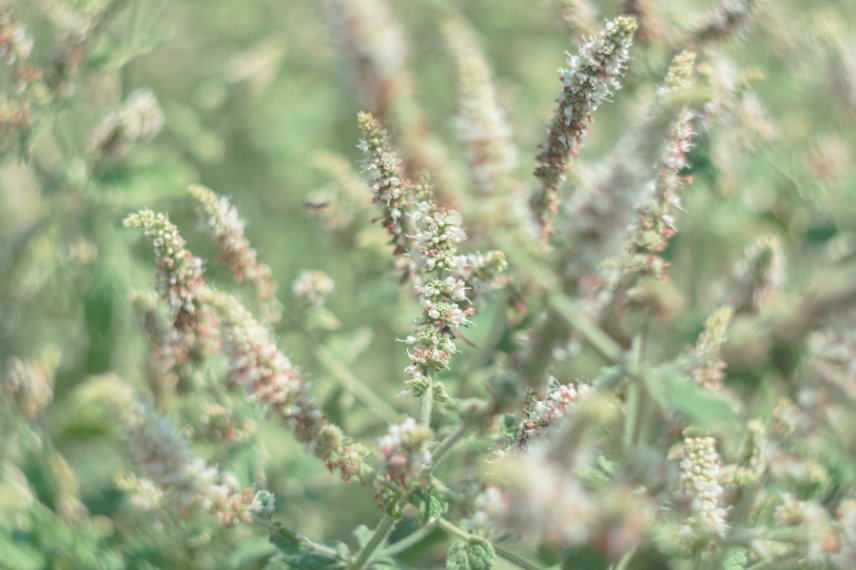
Nevertheless, it compensates for its frost-prone nature with spectacular foliage and flowering. It forms a tuft up to about 1 m tall and 50–60 cm wide, comprising velvety foliage, green-grey to almost silvery-white, with crenate margins. Its leaves are dotted with numerous aromatic glands, rich in essential oil, emitting a strong scent.
The flowering on tall floral spikes takes place from April to June. The spikes bear small white flowers, sometimes slightly pinkish, arranged in verticils (whorls), with melliferous and nectariferous properties. Bees and other pollinators flock to its inflorescences.
How to grow it? This sage thrives in well-drained, light and sandy, and poor soils. It naturally requires full sun. It is ideal for rockeries or dry banks, where it is held in place by its roots, alongside lavenders, rockroses, and lavender cotton…
Whorled sage (Salvia verticilliata) 'Alba'
The whorled sage (Salvia verticilliata) ‘Alba’ forms a compact, bushy tuft with green-grey foliage and a slightly trailing habit. As for the flowering, it occurs from June to September, on long flowering spikes about 50 cm long consisting of small white flowers, arranged in clusters. This sage may be less spectacular than some others, but it makes up for that minor drawback with excellent hardiness (down to almost -30°C). It also has the capacity to spread quickly and to self-seed readily in soil that is light enough. That said, plant it and forget it!
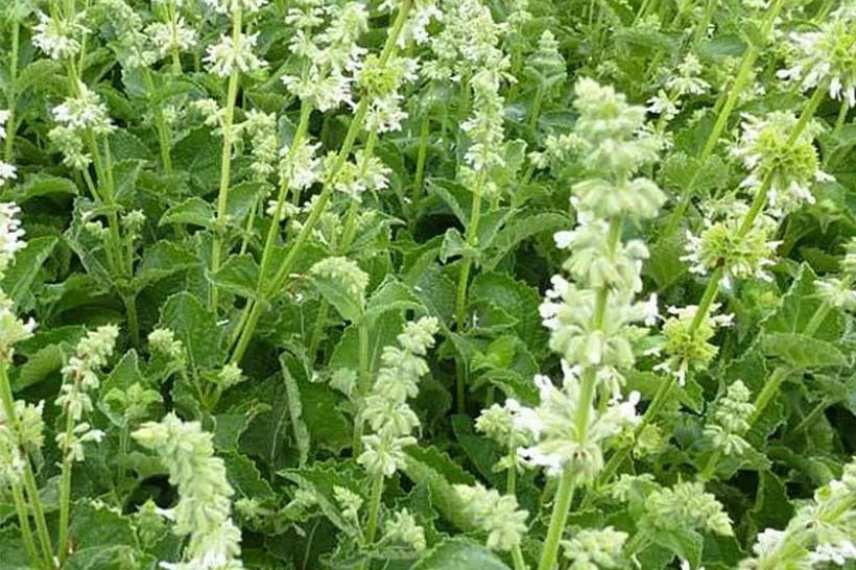
The whorled sage
How to grow it? As with most sages, this white-flowering species should be grown in light, well-drained soil that is fairly poor and tends to be calcareous. It is ideal on a sunny slope or rock garden where it will help to hold the soil. It is also a tough competitor to adventive weeds.
- Subscribe!
- Contents

Comments