





























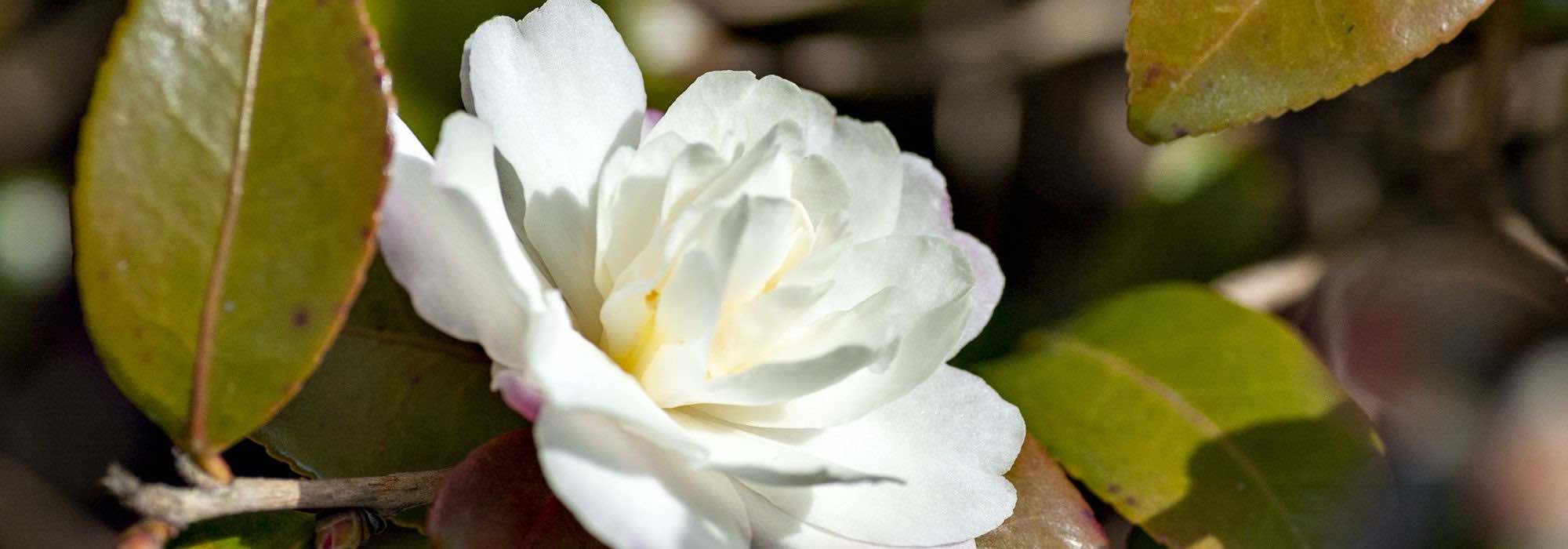
Camelia: how to protect it from frost and winter it?
Our tips for in-ground or potted plants
Contents
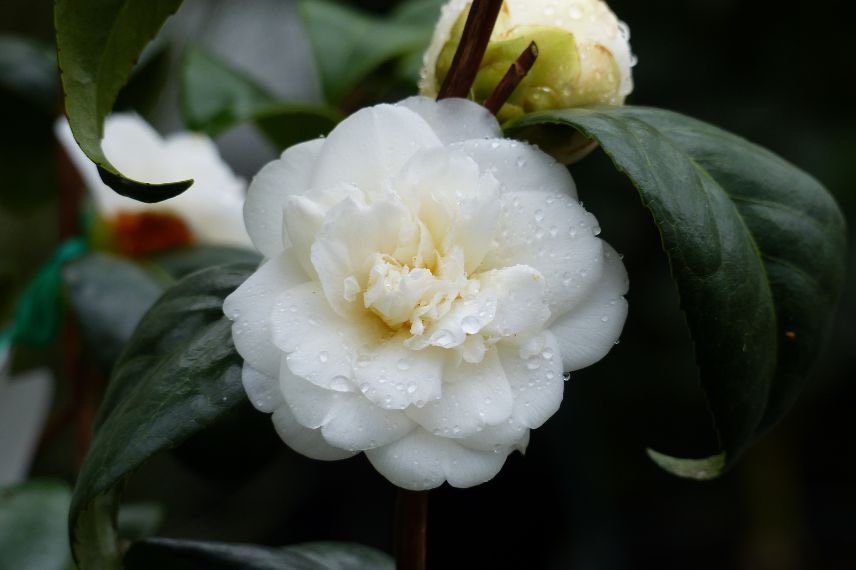

Identify the frost sensitivity of your camellia
While hardiness can vary somewhat between species and cultivars, camellias can generally tolerate temperatures down to -10 °C, even -12 °C, but they do not appreciate prolonged cold periods. However, flower buds can freeze at -4° C, particularly in hybrids of Camelia japonica.
If the aerial parts die at -10° C, the Camellia can regrow from the stump afterwards, but it will take several years to flower again.
Check the hardiness range of your plant at the time of purchase to have accurate information.
Young camellias, specifically those that have just been planted, are more vulnerable to cold. They have not yet had time to establish strong roots and develop natural resistance. Special attention is needed in the first few years, while older, well-established plants can better withstand winter conditions.
Read also
Camellias: planting, pruning and careChoosing the right location
By planting your camellia in a sheltered area of the garden, you minimise the risks associated with biting winds and severe frosts.
In addition to orientation, the proximity of a wall, an evergreen tree such as a conifer, or a hedge can act as a natural barrier against the cold. This can reduce the impact of strong winds, protect the branches and leaves, and help maintain a slightly higher temperature around the plant.
Cold drafts are particularly harmful to the camellia. Not only do they increase the sensation of cold, but they also dry out the leaves, which weakens the plant against frost. Choose a sheltered location.
However, ensure that the shade is not too dense for your camellia’s exposure.
Protecting the camellia in the ground
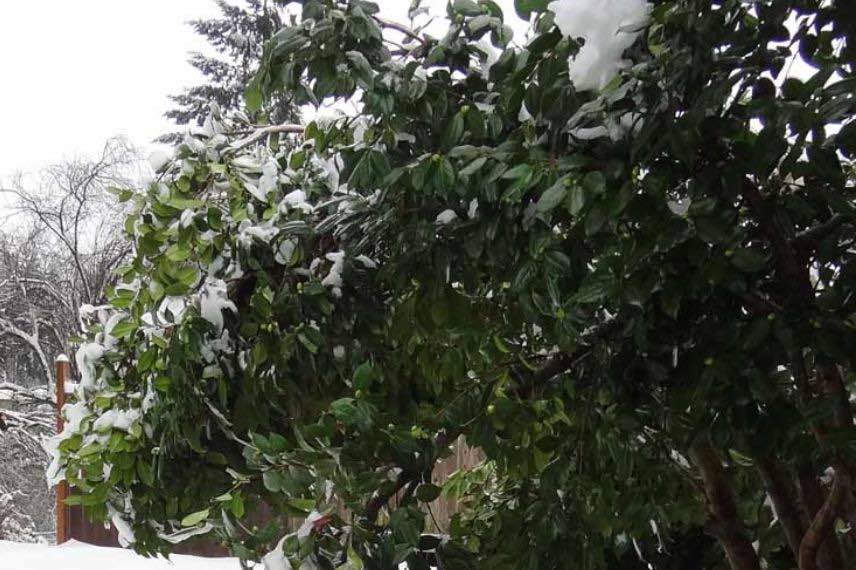
Even with a good location, camellias planted in the ground remain vulnerable to periods of intense cold, especially if temperatures regularly drop below freezing.
Mulching the Soil to Insulate the Roots
Mulching is a simple and effective method to protect the root system of the camellia. In winter, frost can penetrate deeply into the soil, damaging the surface roots. A layer of organic mulch helps to insulate the soil, reducing temperature fluctuations and preventing frost from settling too deeply.
Use materials such as fallen leaves, pine bark, or wood chips (RCW) to form a thickness of 5 to 10 cm around the base of the camellia. This mulch keeps the soil warmer and also helps retain moisture, preventing the plant from drying out. However, be sure not to pile the mulch directly against the trunk to avoid the risk of rot.
Fleece for Winter Protection
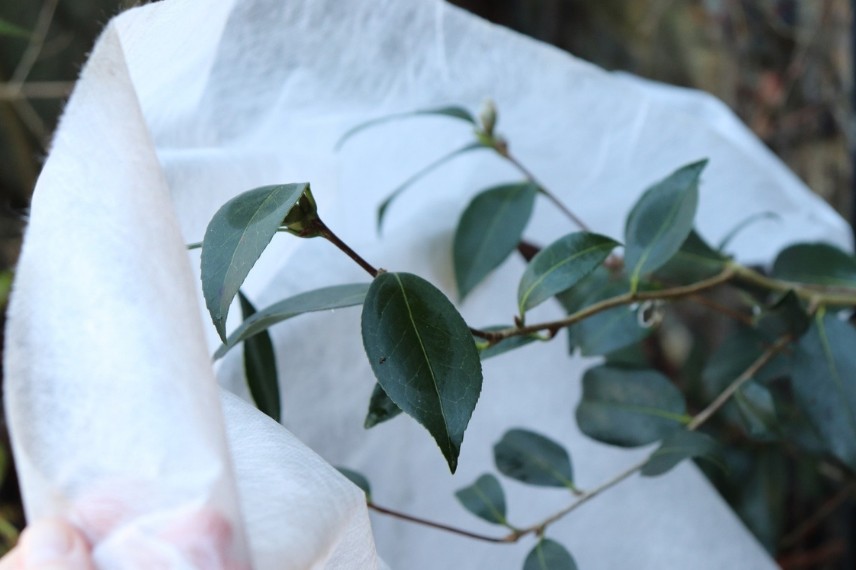
For the coldest days, a fleece can be placed directly over the camellia. This lightweight, breathable fabric protects the plant from the harmful effects of frost while allowing it to breathe. The fleece creates a thermal barrier and helps maintain a milder temperature around the camellia.
It is important to secure the fleece properly, anchoring it well to the ground to prevent it from blowing away in the wind. Be sure to remove these protections when temperatures rise above 0° C.
Read also
4 rustic camellias for a natural gardenProtecting potted camellias
Potted camellias are more vulnerable to frost than those planted in the ground. Their roots, confined to a limited space, are more exposed to temperature fluctuations, especially in winter.
To insulate the pot from the cold
- Wrap the pot with bubble wrap, hessian, or an insulating material to limit exposure to the cold. Ensure that the entire outer surface of the pot is well covered and slightly elevate it with small wedges to prevent cold from seeping in from below.
- Use a winter fleece to protect the aerial parts.
Temporarily move the pot to a sheltered location
To protect a potted camellia in the event of severe frost, temporarily move it to a frost-free location. If you have a conservatory, a cold greenhouse, or a bright garage, these places are perfect for keeping the camellia safe from frost while benefiting from sufficient light. A temperature of around 5 to 10 °C is ideal.
If you do not have such spaces, place the pot near a south-facing wall, in a corner sheltered from the winds. A camellia protected by a wall that radiates the heat accumulated during the day will be better preserved from nocturnal thermal shocks.
Watering monitoring
In winter, the watering of the potted camellia must be adjusted. It is important to find a balance between preventing the soil from completely drying out and not overwatering, which could lead to root rot. Moderate watering, only when the surface of the compost is dry, is sufficient.
Ensure that the pot is well-drained, meaning there should be a layer of clay balls or gravel at the bottom of the pot. Stagnant water at the roots, combined with the cold, can cause significant damage.
Monitor and intervene after a frost period
Even with the best protections, your camellia may still suffer frost damage.
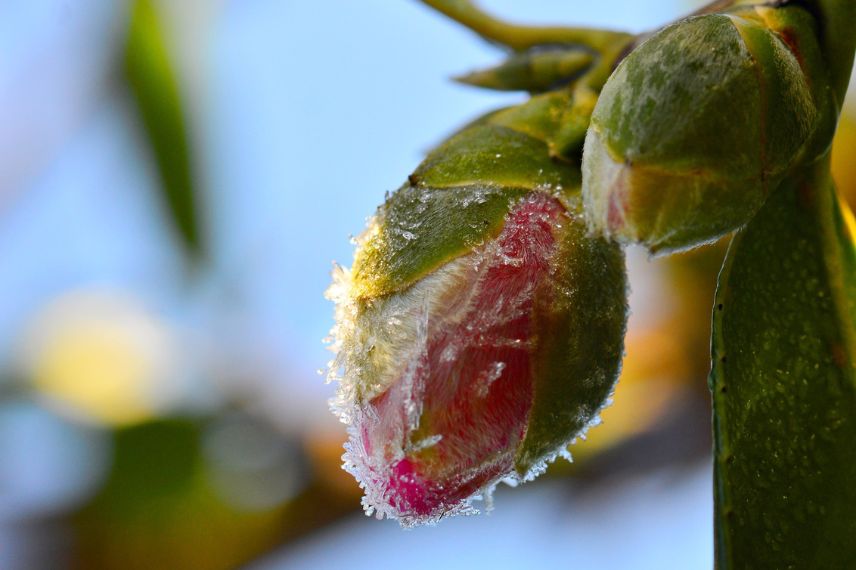
Frost damage can manifest in various ways on a camellia. The first visible signs often appear on the leaves and buds:
- Leaves may become soft, lose their shine, and take on a brownish hue. This phenomenon is due to the water contained in the leaf cells freezing, causing them to burst. These damaged leaves will not recover, but the plant can still survive if the branches and roots are not affected.
- Flower buds are particularly sensitive to frost and the alternation of freezing and thawing. If, after a cold spell, you notice that some buds are turning black and mushy, they are likely beyond recovery. This may affect the flowering for the year, but it does not compromise the overall health of the plant.
- In cases of severe frost, some branches may crack or break due to the cold. These cracks expose the insides of the branches to diseases and pests, so it is essential to treat them promptly.
What to do if the camellia has suffered damage?
If you find that your camellia has been affected by frost, several actions can be taken to help the plant recover:
- Remove branches or parts of branches that are clearly dead or severely damaged. Use clean, sharp tools to avoid infecting the plant. This pruning should be done in spring, once you are certain of the truly dead parts, as some branches that appear affected may still sprout.
- If some leaves have been damaged, they will naturally fall off in spring. You can assist the plant by gently removing them if they remain attached. This helps limit the spread of diseases while allowing the plant to concentrate its resources on producing new shoots.
- Patience is key. Even if the plant seems to have suffered, it is best to wait for spring to see its true condition. Camellias are often more resilient than they appear, and some parts may start to grow again in the beautiful season.
Stimulating recovery after damage
- Apply a fertiliser suitable at the beginning of spring. Use a specific fertiliser rich in nitrogen to promote the growth of new leaves and shoots.
- Maintain good watering, especially in dry springs, to support the plant in its recovery. However, avoid overwatering, which could weaken the roots already stressed by frost.
- Monitor for pests and diseases. A weakened camellia is more vulnerable to pest attacks or fungal diseases. Regularly inspect the plant for any issues and act quickly.
Preparing Camellias for Winter: Pre-Winter Care Tips
The best way to protect a camellia from frost is to prepare it well in advance, before cold temperatures arrive. By adopting suitable practices from autumn, you strengthen your plant’s resilience and reduce the risk of damage.
Appropriate Fertilisation at the End of the Season
To help your camellia face winter, it is important to provide it with adequate nutrition before the cold period. However, the application of fertiliser must be well-balanced and timed correctly.
- Avoid applying nitrogen-rich fertilisers from the end of summer. Nitrogen promotes the growth of leaves and stems, which could make the plant more vulnerable to frost, as the new tender shoots would not be sufficiently lignified to withstand the cold. Instead, favour fertilisers rich in potash and phosphorus in autumn, as they strengthen the roots and aid in the ripening of plant tissues.
- Opt for a special acidophilous plant fertiliser at the end of the season, which will allow the camellia to strengthen its reserves for winter. This improves resistance to winter conditions while promoting abundant flowering in spring.
Autumn Pruning and Maintenance
Light pruning of the camellia in autumn prepares the plant for winter while supporting overall good health. However, it is important not to prune too late in the season or too severely, to avoid stimulating new growth just before the cold arrives.
- Remove dead, diseased, or damaged branches in autumn. This allows the plant to concentrate its energy on its healthy parts and reduces the risk of disease spread during winter.
- Thin out the plant’s structure, especially if your camellia is dense. Light pruning allows for better air circulation and reduces the risk of mould during the wet season.
- Do not prune too severely just before winter, as this could weaken the plant and make it more vulnerable to the cold.
- Subscribe!
- Contents
Comments