





























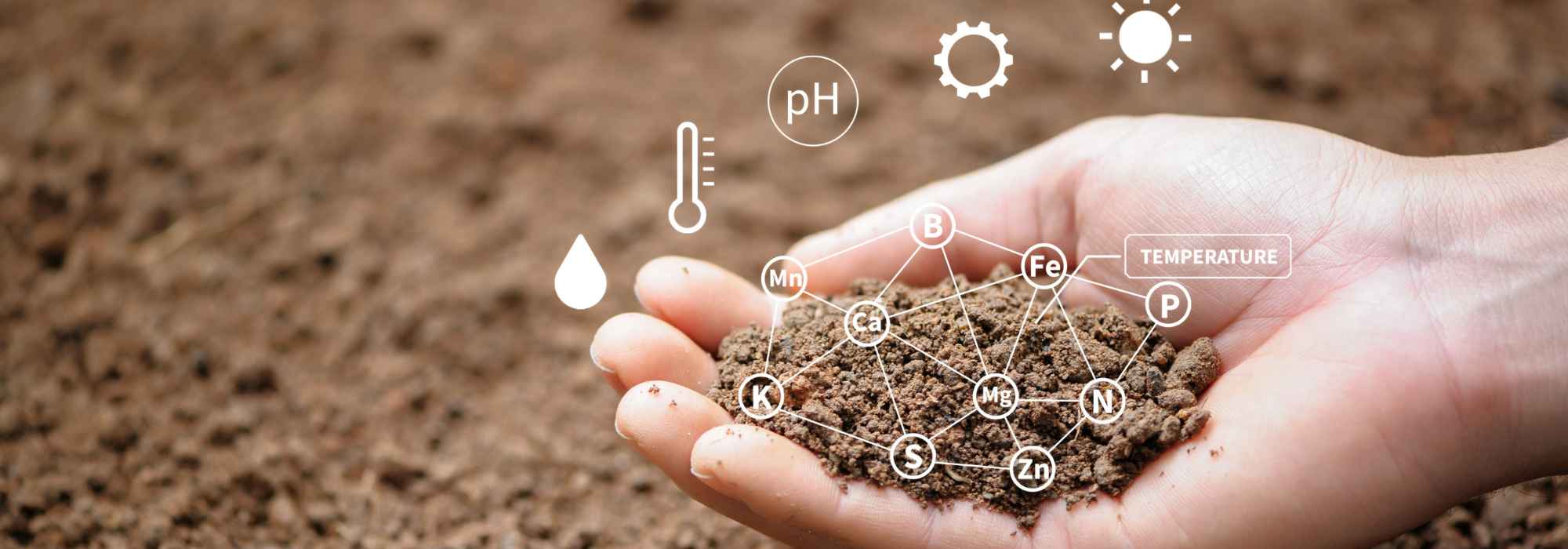
Carrying out a soil analysis: why and how?
An analysis is very useful to better understand your soil
Contents
Have you ever thought about the importance of the soil in your garden? Often, we focus on choosing plants, watering and maintenance, but we forget that the health and beauty of our garden depend above all on the quality of the soil. Indeed, soil analysis is not only a step for horticulture professionals or farmers; it is also a valuable and accessible tool for every gardener. From identifying nutrient deficiencies to adapting your cultivation methods or choosing plants, a soil analysis can completely transform your approach to gardening.
In this guide, we will show you step by step how to carry out this analysis, interpret its results, and use this information to enrich and beautify your green space. Prepare to dive into the fascinating world of soil, that so fundamental, yet commonly neglected element of our gardens.
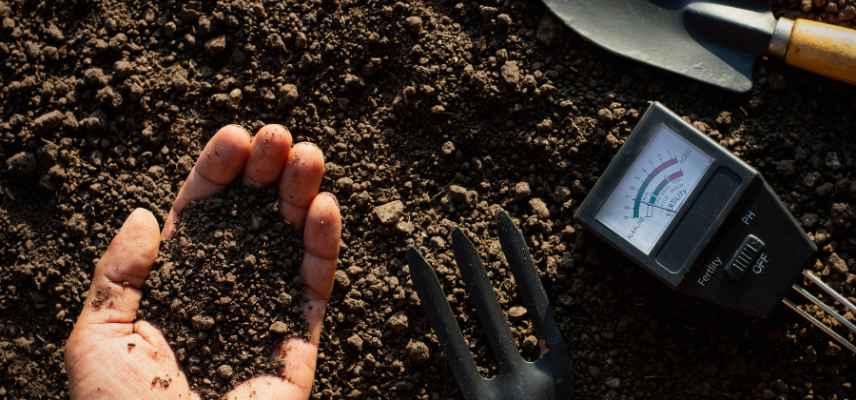

What is a soil analysis?
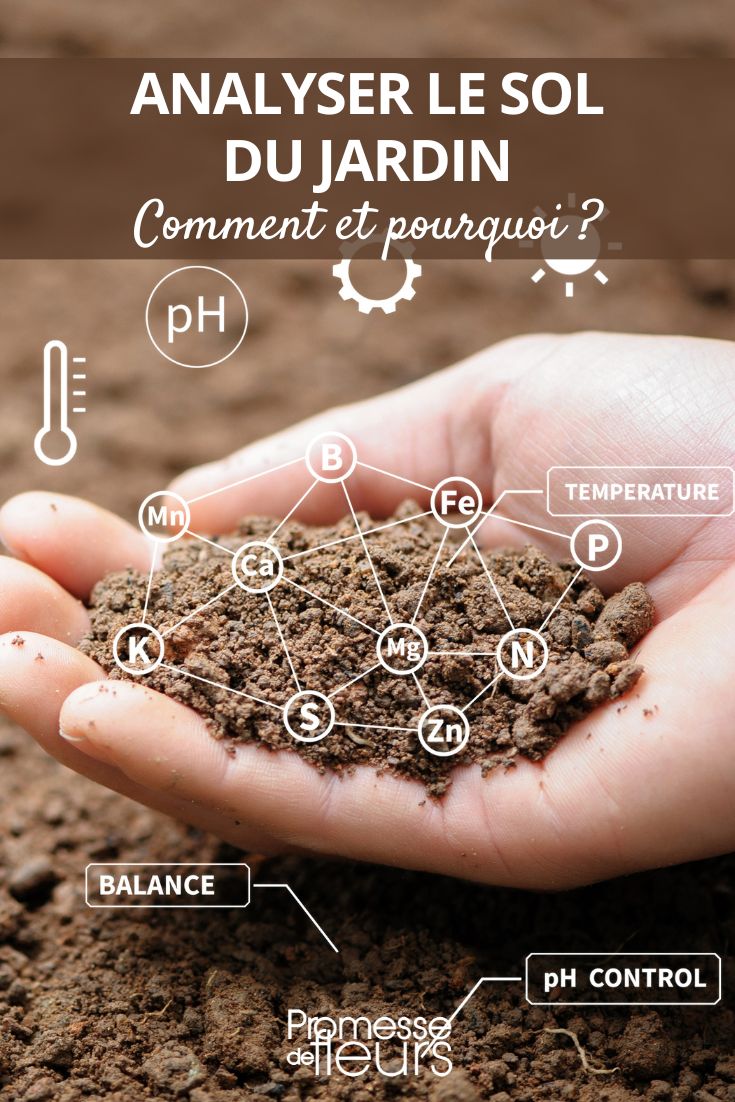
A soil analysis is a fundamental step in gardening that provides an accurate and comprehensive diagnosis of the health of your garden’s soil. By assessing the chemical and physical composition of the soil, this analysis gives a thorough insight into the elements present in the soil and their interactions.
Soil pH, for example, plays a crucial role in determining the availability of nutrients to plants. Soil that is too acidic or too alkaline can limit the uptake of essential nutrients, thereby affecting plant growth. Knowing your soil’s pH lets you adjust your plants’ environment to promote optimal growth.
The analysis also reveals the levels of major nutrients such as nitrogen, essential for leaf growth, phosphorus, crucial for the development of roots and flowers, and potassium, important for the overall resilience of the plant. Understanding these levels allows you to adjust fertiliser inputs to meet the specific needs of your garden, thus avoiding harmful deficiencies or excesses.
The presence of heavy metals is another critical aspect. These elements can be toxic to plants and humans at high concentrations. Knowing whether your soil contains these substances is essential, especially if you grow vegetables or fruits intended for consumption.
Finally, soil structure – the distribution between sand, silt and clay – influences its capacity to retain water and nutrients, as well as its permeability. A good soil structure ensures adequate aeration and effective drainage, conditions essential for the health of the roots and, consequently, of the entire plant.
What is a soil analysis used for?
- Identify nutrient deficiencies or excesses : It allows the detection of nutrients that are lacking or present in excessive amounts, which is crucial for plant health.
- Adapt plant choices : By knowing the soil’s specific characteristics, you can choose plants that will naturally thrive there, thereby increasing your garden’s chances of success.
- Determine necessary amendments : The analysis indicates which types of amendments (such as compost, manure, or fertilisers) are needed to improve the structure or fertility of the soil.
- Prevent growth problems : By correcting soil imbalances, you can avoid growth issues such as yellowing of the leaves, poor flowering, or stunted growth.
- Increase plant resilience : A well-balanced soil helps plants resist disease and environmental stresses.
- Optimise the use of water and fertilisers : A good understanding of the soil composition allows water and fertilisers to be used more efficiently, avoiding waste and unnecessary costs.
- Protect the environment : By avoiding excessive use of chemical fertilisers and adopting more sustainable gardening practices, you contribute to environmental protection.
- Improve crop quality : For vegetable gardens, a soil analysis ensures that the vegetables and fruits grown are healthy and nutritious.

Soil analysis can detect certain problems in plant development
How to carry out a soil analysis?
- Preparation for sample collection :
- Choose several locations in your garden to collect samples. It is important to select areas representative of the whole garden, including those where the plants appear to be growing well and those where they are struggling.
- Avoid taking samples too close to the garden edges, paths, or under bushes.
- Sample collection :
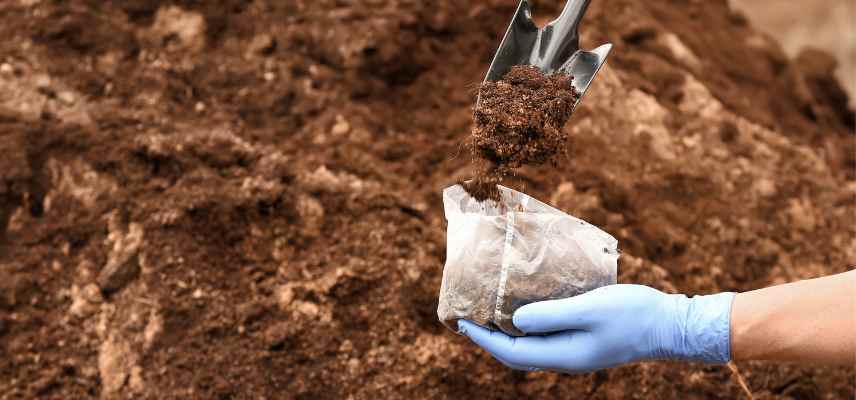
- Use a spade or an auger to dig a hole about 15 to 20 cm deep. This depth is generally sufficient to analyse the area relating to root of most plants.
- Remove a slice of soil from the top to the bottom of the hole to obtain a representative sample.
- Repeat this process in different places in your garden.
- Preparing the composite sample :
- Mix all the soil samples in a clean bucket to create a composite sample.
- Allow the sample to air‑dry, avoiding direct sunlight.
- Remove stones, roots and other debris.
- Sending the sample for analysis :
- Place the dried sample in a clean container and label it correctly.
- Send the sample to a soil analysis laboratory. These laboratories can often be found through agricultural universities, cooperative extension services, or specialised garden centres. We ourselves offer a professional soil analysis solution, physical and chemical.
- Using a home soil analysis kit :
- Alternatively, you can use a soil analysis kit available from garden centres. These kits provide basic information about pH and sometimes about the levels of essential nutrients.
- Follow the instructions provided with the kit to collect and test your sample.
- Interpreting the results :
- Once you receive the soil analysis results, use them to determine the necessary changes, such as adjusting the pH or adding specific nutrients.
- If you have any doubts about the interpretation, do not hesitate to seek advice from a gardening expert or from the service that provided the analysis.
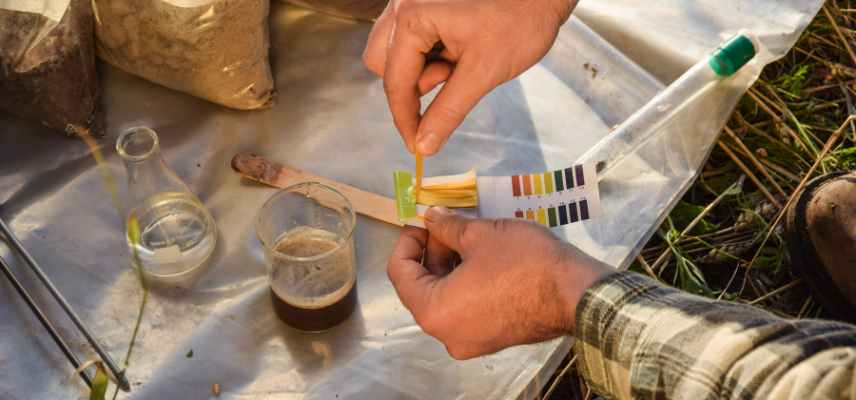
Some kits provide a quick result.
The different types of soil tests
There are several types of soil analysis tests, each targeting different aspects of soil health and the display of the soil.
Chemical tests
These tests measure the concentration of essential nutrients such as nitrogen (N), phosphorus (P), potassium (K), calcium (Ca), magnesium (Mg) and sulphur (S). They also determine the pH of the soil, which influences the availability of nutrients to plants. Finally, some chemical tests can also detect the presence of heavy metals or contaminants.
Texture tests
These tests assess the display of the soil in terms of the percentage of sand, clay and silt. Soil texture affects its water retention capacity, aeration and structure, which are crucial for root health and irrigation efficiency.
Biological tests
They examine microbial activity and the presence of organic matter in the soil. These tests are important because microorganisms play an essential role in the decomposition of organic matter and the release of nutrients.
Structure tests
These analyses help to understand porosity and aggregation of the soil, which influence the soil’s ability to retain water and nutrients. They can also identify problems of soil compaction.
Salinity tests
These tests are used to measure the level of salt in the soil, which is particularly important in arid areas or for soils irrigated with water with a high mineral content. A soil that is too saline can inhibit the absorption of water by plants.
Cation Exchange Capacity (CEC) tests
CEC measures the soil’s ability to retain and exchange positively charged ions (cations) such as calcium, magnesium and potassium. A soil with a high CEC can hold more nutrients but may also require more adjustments in terms of pH balance.

- Subscribe!
- Contents
Comments